

Your chin plays a bigger role in your appearance than most people realize. It anchors your entire facial profile — from the way your jaw looks from the side to how balanced your face appears from the front. When the chin is set back too far, pushed forward, or asymmetrical, it can throw off the harmony of the whole face, no matter how good everything else looks. Genioplasty is the surgical procedure that corrects exactly that. It repositions the chin bone itself, giving surgeons precise control over the final shape and position that no implant alone can match.
Morocco has become a serious destination for patients seeking this procedure. Not because it cuts corners — but because it genuinely offers strong surgical quality at costs that patients in Europe or North America simply cannot access at home. The country has invested heavily in its private healthcare infrastructure, and its maxillofacial and plastic surgery sector has grown into one of the most capable in the African continent and the wider Arab world.
Patients travel to Morocco for genioplasty from France, Spain, the UK, the United States, and the Gulf states. The reasons are consistent: the cost difference is significant, the quality of care in leading private clinics is high, and the recovery environment — warm weather, good food, calm settings — is genuinely pleasant. For many patients, it transforms what would be a stressful medical experience into something much more manageable.
This page covers everything you need to know before making a decision — the costs, the procedure itself, who qualifies, what the recovery looks like, and how the full patient journey works when traveling to Morocco for genioplasty.
Treatment Highlights
- Procedure: Sliding genioplasty — the chin bone is cut and repositioned to improve facial balance and proportion
- Main Benefits: Permanent correction of chin projection, symmetry, and vertical height with highly precise, natural-looking results
- Ideal For: Patients with a recessed chin, protruding chin, chin asymmetry, or those seeking improved facial harmony after orthodontic treatment
- Cost Advantage: Genioplasty in Morocco costs significantly less than in Europe or the US, without a reduction in surgical quality at accredited private clinics
- Hospital Stay: Typically a one-night stay following the procedure
- Total Trip Duration: Most patients plan a 7 to 10-day stay to cover consultation, surgery, and initial recovery
- Recovery at Home: Swelling settles over 4 to 6 weeks; final results are visible within 3 to 6 months
- Anesthesia: Performed under general anesthesia by a qualified anesthesiologist
Genioplasty in Morocco — A Detailed Overview
Genioplasty, also called sliding genioplasty or osseous genioplasty, is an oral and maxillofacial surgical procedure that involves cutting the chin bone — the lower portion of the mandible — and moving it into a corrected position. It is then held in place using titanium plates and screws, which remain in the jaw permanently and cause no issues long-term.
What makes genioplasty different from a chin implant is the level of control it offers. A surgeon can move the chin forward, backward, upward, downward, or correct rotational asymmetry — all in a single operation. This makes it a genuinely versatile procedure for patients with a wide range of concerns. For patients who have finished orthodontic treatment but still feel their chin does not sit in the right position, genioplasty is often the natural next step.
The procedure is performed from inside the mouth, which means there are no visible external scars. The incision is made inside the lower lip, giving the surgeon full access to the chin bone without leaving any marks on the face. This is a meaningful benefit that many patients do not initially know about.
In Morocco, this procedure is carried out by maxillofacial surgeons and plastic surgeons with formal specialist training, many of whom completed their education and residencies in France or other European countries. The surgical approach follows the same protocols used in Western Europe. Private clinics in cities like Casablanca, Rabat, and Marrakech maintain modern operating theatres, international hygiene standards, and experienced nursing teams.
Patients who choose Morocco for genioplasty are not compromising on outcome — they are accessing the same surgical quality at a price point that makes the procedure accessible rather than out of reach.
How Much Does Genioplasty Cost in Morocco?
This is the most common question patients ask, and it deserves a straight answer with honest context.
General Cost Range: Genioplasty in Morocco typically costs between $1,800 and $4,500 USD (approximately €1,700 to €4,200), depending on the clinic, surgeon, and case complexity.
For comparison, here is how Morocco positions against other countries:
| Country | Average Genioplasty Cost |
|---|---|
| United States | $7,000 – $14,000 |
| United Kingdom | $6,500 – $11,000 |
| France | $5,500 – $9,500 |
| Spain | $4,500 – $8,000 |
| Morocco | $1,800 – $4,500 |
What Affects the Final Price in Morocco:
- Surgeon experience and specialization — senior maxillofacial surgeons with international training charge more, and in most cases, that difference is worth it
- Clinic tier — a JCI-accredited or internationally affiliated private clinic will cost more than a standard private clinic, but the facility quality reflects that difference
- Case complexity — a straightforward forward advancement is simpler than a multi-directional correction with asymmetry work; complexity affects surgical time and planning
- Anesthesia and hospitalization — fees for the anesthesiologist and overnight hospital stay are sometimes bundled and sometimes itemized
- Pre-surgical imaging — CBCT scans or 3D cephalometric imaging may be an additional cost depending on the clinic
- Revision cases — patients who have had a previous chin implant or prior surgery may face a more involved procedure and higher cost
The price difference between Morocco and Western countries is substantial — often 60% to 75% less for a comparable level of care in a reputable private clinic. That said, the final cost is always determined after a medical evaluation. No clinic can give you an accurate quote without reviewing your imaging and understanding the full scope of the procedure needed.
Who Is a Good Candidate for Genioplasty?
Genioplasty is not a procedure for everyone, and a proper assessment is essential before moving forward. The following profiles generally indicate good candidacy:
You may be a strong candidate if:
- Your chin is noticeably recessed, giving your profile a weak or set-back appearance
- Your chin protrudes too far forward, making it the dominant feature of your face
- You have visible chin asymmetry — one side sits higher or further forward than the other
- You have completed orthodontic treatment but remain unsatisfied with your chin position
- You are in good general health with no uncontrolled medical conditions
- You are a non-smoker, or are willing and able to stop smoking well before and after surgery
- You have realistic expectations — you want improved facial balance, not a completely different face
- You are over 18 and your jawbone has fully developed
Genioplasty may not be suitable if:
- You are under 18 or your facial bones are still growing
- You have active gum disease, poor dental health, or unresolved oral infections
- You have significant medical conditions that increase surgical or anesthesia risk
- You are currently pregnant or breastfeeding
- You have a bleeding disorder or are on blood-thinning medications that cannot be safely paused
- Your expectations extend beyond what surgical repositioning can realistically achieve
A thorough consultation with the surgeon — ideally including a CBCT scan and cephalometric analysis — is what determines whether genioplasty is the right approach for your specific anatomy.
Your Step-by-Step Patient Journey for Genioplasty in Morocco
Step 1 — Initial Inquiry
You reach out through the clinic or coordination service. You describe your concerns, ask initial questions about cost and process, and get a general sense of whether Morocco is the right fit for your situation.
Step 2 — Photo and Document Submission
You submit clear photos of your face — front, side profile, and three-quarter views. If you have existing dental X-rays, orthodontic records, or prior imaging, these are included. The coordination team sends your materials to the surgeon for an initial review.
Step 3 — Surgeon Evaluation
The maxillofacial surgeon reviews your case and provides a preliminary assessment. This may include notes on what type of movement is needed, whether additional imaging is required in Morocco, and an initial cost estimate.
Step 4 — Treatment Plan Confirmation
Once you decide to move forward, a formal treatment plan is provided. This outlines the surgical approach, expected outcome, total cost, recommended dates, and pre-operative requirements.
Step 5 — Travel Planning
Morocco is well-connected by direct flights from most of Europe and with connections from North America. Casablanca’s Mohammed V International Airport is the main hub. The coordination team can assist with timing your arrival, recommending accommodation near the clinic, and scheduling your appointments efficiently.
Step 6 — Arrival and In-Person Consultation
You arrive in Morocco and attend your in-person pre-surgical consultation. The surgeon conducts a full clinical assessment, reviews or orders CBCT imaging, answers your questions, and confirms the surgical plan. Pre-operative blood work and medical clearance happen at this stage.
Step 7 — Procedure Day
Genioplasty is performed under general anesthesia and typically takes between one and two hours. The incision is made inside the lower lip. The chin bone is carefully cut, repositioned according to the pre-planned measurements, and fixed with titanium hardware. You are monitored in recovery and typically kept overnight for observation.
Step 8 — Early Recovery in Morocco
The first 48 to 72 hours involve swelling, some bruising around the lower face and neck, and mild to moderate discomfort managed with prescribed medication. Eating is limited to soft or liquid foods. The clinic team monitors you during this period. Most patients are mobile within a day or two and can manage comfortably in their accommodation.
Step 9 — Pre-Departure Check
Before flying home, you have a follow-up appointment with the surgeon. They check the incision site, confirm healing is on track, remove any temporary sutures if needed, and provide written aftercare instructions for your home doctor.
Step 10 — Remote Follow-Up
After returning home, you stay in contact with the clinic through photos and virtual consultations. Any questions about swelling, healing, or restrictions are answered remotely. Most clinics provide this support for at least three months post-procedure.
Why Morocco Works Well for Medical Travel
Morocco is not a new medical tourism destination — it has served international patients for decades, particularly from France and other Francophone countries. The private healthcare sector is genuinely strong. Facilities in Casablanca and Rabat include internationally accredited hospitals with modern surgical equipment, experienced specialist teams, and clear protocols for foreign patients.
The cost-to-quality ratio is one of the strongest in the region. You are not paying less because the care is lesser — you are paying less because the cost of running a clinic, paying staff, and operating in Morocco is structurally lower than in France or the UK. That saving passes to the patient.
From a travel perspective, Morocco is straightforward to reach. Flights from Paris, Madrid, London, and other European cities are frequent and affordable. The time difference is minimal for European patients. Arabic and French are widely spoken, and medical staff in private clinics almost universally speak French and often English.
The recovery environment is also genuinely good. Calm riads, clean private villas, and well-run hotels provide comfortable resting environments. The food is soft and varied, which matters during the post-surgical period when chewing is limited.
What Is Typically Included
- Pre-surgical coordination support and documentation handling
- In-person consultation with the operating surgeon
- CBCT or required imaging at the clinic (where bundled)
- Genioplasty procedure under general anesthesia
- Anesthesiologist fees
- Operating theatre and equipment fees
- Overnight hospital or clinic stay
- Post-operative medication for the initial recovery period
- Pre-departure follow-up appointment
- Remote aftercare support for up to 3 months
What Is Not Included
- International flights and airport transfers (unless part of a full package)
- Hotel or accommodation costs during your stay
- Additional imaging ordered outside the standard protocol
- Treatment for unrelated medical conditions
- Companion travel and accommodation expenses
- Extended stay costs if recovery requires a longer time in Morocco
- Additional procedures added after the original treatment plan is confirmed
Recovery and Aftercare — What to Expect
The recovery from genioplasty is manageable for most patients, but it does require patience, particularly in the first two to three weeks.
Week 1 to 2: Swelling is at its peak during the first week. The lower face, chin area, and sometimes the neck will be visibly swollen and may feel tight or numb. Bruising typically appears within 24 to 48 hours and fades over one to two weeks. Eating is restricted to liquids and very soft foods. Talking is possible but may feel slightly uncomfortable. Pain is generally well controlled with prescribed medication.
Week 3 to 4: Visible swelling begins to reduce meaningfully. Most patients feel comfortable enough to return to desk work or light daily activity. The incision inside the mouth heals well during this period. Oral hygiene is maintained with a prescribed rinse.
Month 2 to 3: The majority of visible swelling has resolved. The new chin position becomes increasingly clear. Patients can return to most normal activities, though contact sports and any activity that risks impact to the face should still be avoided.
Month 3 to 6: Final results become fully visible as residual deep swelling clears. The chin settles into its permanent position. Sensation in the lower lip and chin area — which may have been temporarily reduced — typically returns fully during this period.
Long-Term: The titanium plates and screws are permanent and cause no problems. Results are considered permanent. Weight changes, aging, and dental changes can affect the overall appearance of the face over time, but the repositioned bone itself does not shift.
Risks and Considerations
Genioplasty is a surgical procedure and carries the same general risks as any operation under general anesthesia. Patients deserve honest information about this.
General surgical risks include infection, bleeding, adverse reaction to anesthesia, and delayed wound healing. These risks are low in healthy patients managed by experienced teams, but they exist and should be understood.
Procedure-specific risks include temporary numbness of the lower lip, chin, and teeth — caused by proximity to the mental nerve. In most cases this resolves within weeks to months. Permanent numbness is rare but possible. Hardware-related issues such as plate discomfort or, in rare cases, the need for plate removal, are also possible though uncommon.
In the context of medical travel, the most practical consideration is selecting a qualified, specialist surgeon with specific experience in orthognathic and chin surgery — not just general plastic surgery. Reviewing credentials, requesting examples of previous cases, and ensuring a clear aftercare plan is in place before traveling are all important steps.
Patients who rush the consultation process, skip pre-operative imaging, or select providers based purely on the lowest price without checking credentials take on meaningfully higher risk. The cost savings available in Morocco are real — but they should come from lower operational costs, not from shortcuts in the quality of care.
The decision to have surgery abroad should be made carefully, with full information, proper preparation, and realistic expectations about what the procedure can and cannot do.
Frequently Asked Questions
What is the cost range of genioplasty in Morocco?
Genioplasty in Morocco generally costs between $1,800 and $4,500 USD, depending on the clinic, surgeon experience, and complexity of the procedure. This is significantly lower than prices in the US, UK, or France for comparable care. A final quote can only be confirmed after the surgeon reviews your imaging and case details.
How long do I need to stay in Morocco for genioplasty?
Most patients plan a stay of 7 to 10 days. This covers the pre-surgical consultation, procedure day, one night of observation, and a few days of initial recovery before the pre-departure check and flight home. Patients with more complex cases or slower early recovery may benefit from staying slightly longer.
Is genioplasty in Morocco safe?
In qualified private clinics in Morocco with trained maxillofacial or plastic surgeons, yes. Morocco’s leading private hospitals follow international surgical protocols, and many surgeons completed their training in France or other European countries. Safety comes down to choosing the right clinic and surgeon — not the country itself.
How long does recovery take before I can return to normal life?
Most patients return to light daily activity within two to three weeks. Desk work, short walks, and social interaction are generally manageable within that window. Strenuous physical activity, contact sports, and anything that risks facial impact should be avoided for at least six to eight weeks.
When will I see the final results of my genioplasty?
Visible improvement is noticeable within the first month as swelling decreases, but the final result takes three to six months to fully settle. Patience is genuinely necessary during this period — early results do not reflect the finished outcome.
Will I have visible scars after genioplasty?
No. The surgical incision is made inside the lower lip, so there are no external scars on the face or chin. This is one of the meaningful advantages of sliding genioplasty over some other chin procedures.
Is genioplasty painful?
Discomfort in the first few days is managed with prescribed medication and is generally described as moderate rather than severe. The area may feel tight, sore, or numb rather than sharply painful. Most patients find the discomfort level manageable and not as intense as they expected before the procedure.
How long do the results of genioplasty last?
Genioplasty results are permanent. The repositioned bone is held in place by titanium hardware and heals into its new position. The chin does not shift back over time. Natural aging of the surrounding facial tissues will occur, but the structural correction itself is lasting.
Can I combine genioplasty with other procedures in Morocco?
It is possible to combine genioplasty with related procedures such as rhinoplasty or jaw surgery, though this depends on your overall health, surgical candidacy, and the surgeon’s assessment. Combining procedures increases surgical time and recovery demands, so this is a decision that should be made carefully with your surgeon, not assumed as a given.
What follow-up care is available after I return home?
Reputable clinics and coordination services provide remote follow-up support through photo check-ins and virtual consultations for at least the first three months after surgery. You also receive written aftercare documentation to share with your local doctor or dentist. Any concerning symptoms are addressed remotely, with clear guidance on when to seek in-person care locally.
Ready to Explore Your Options? Start With a Consultation
If genioplasty is something you have been considering for a while, the best next step is getting a proper assessment — not making a booking. A good consultation, whether remote or in-person, gives you an honest picture of what the procedure involves for your specific case, what it will cost, and what outcome is realistically achievable.
Morocco offers a genuine combination of surgical quality, experienced specialists, and accessible pricing that is hard to match elsewhere. But the right starting point is always information and evaluation — not pressure or rushing.
If you want to submit your photos, ask specific questions about your case, or understand what the process looks like from your current location, reach out and start that conversation. You will get straight answers, proper guidance, and a clear path forward — whether you decide to travel for treatment or not.
Featured Plastic Surgery Procedures in Morocco
Procedures discussed in this article, available across Morocco.
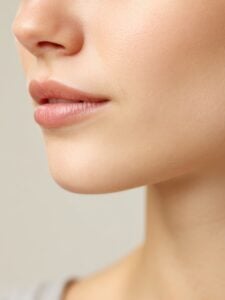
Genioplasty (Chin Augmentation) in Marrakech, Morocco by Mclinic Marrakesh
Advanced Chin Reshaping Surgery for Improved Facial Harmony, Jawline Definition & Balanced Facial Proportions.…

Rhinoplasty in Marrakech, Morocco by Mclinic Marrakesh
Refined Nose Reshaping for Facial Harmony, Confidence & Natural-Looking Results. Rhinoplasty, commonly known…
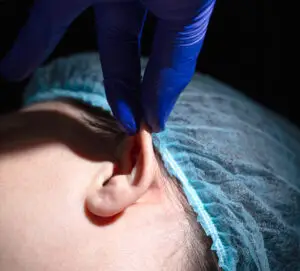
Otoplasty in Marrakech, Morocco by Mclinic Marrakesh
Advanced Ear Reshaping Surgery for Improved Facial Harmony, Balanced Proportions & Natural-Looking Results.…

Cervico-Facial Lift in Marrakech, Morocco by Mclinic Marrakesh
Advanced Facial Rejuvenation Designed to Restore Youthful Contours, Firmer Skin & Natural Facial Harmony. A…

Blepharoplasty in Marrakech, Morocco by Mclinic Marrakesh
Advanced Eyelid Rejuvenation for Brighter Eyes, Refreshed Appearance & Natural Facial Harmony. Blepharoplasty,…

Liposuction for Arms, Thighs, Belly & Chin in Marrakech, Morocco by Mclinic Marrakesh
Advanced Body Contouring & Precision Fat Reduction for Sculpted Body Proportions and Enhanced Confidence.…
Recommended Plastic Surgery Clinics in Morocco
Trusted clinics specializing in Plastic Surgery across Morocco.

MClinic Marrakesh
MClinic Marrakech. Luxury Cosmetic Surgery, Aesthetic Medicine & Hair Transplants in Morocco. Luxury aesthetic…
More Plastic Surgery Articles About Morocco
Keep reading about Plastic Surgery care and travel in Morocco.

Blepharoplasty in Morocco Cost and Clinics
Tired, heavy-looking eyes can age a face faster than almost anything else. For many people, this isn't about…
