













Comprehensive Male Fertility Assessment for Accurate Diagnosis, Personalized Treatment Planning & Improved Reproductive Health
Male Infertility Evaluation is an essential diagnostic process designed to identify potential factors affecting a man’s fertility and reproductive health. Infertility can involve both male and female factors, and a thorough evaluation of the male partner is often a crucial step in understanding why pregnancy has not occurred. Through advanced testing and specialist assessment, healthcare providers can investigate sperm quality, hormone levels, reproductive anatomy, and other factors that may contribute to fertility challenges.
At Ovagenesis in Athens, Greece, Male Infertility Evaluation is performed using a comprehensive and individualized approach. The goal is not only to identify potential causes of infertility but also to develop a personalized treatment strategy that supports each couple’s reproductive goals. Early diagnosis can significantly improve treatment planning and help couples move forward with confidence.
Many causes of male infertility are treatable or manageable when identified accurately. Through detailed fertility investigations, patients gain valuable insight into their reproductive health while receiving guidance from experienced fertility specialists dedicated to achieving the best possible outcomes.
🔍 What Is Male Infertility Evaluation?
Male Infertility Evaluation is a specialized diagnostic process used to assess the reproductive health of men experiencing fertility difficulties. It focuses on identifying medical, hormonal, genetic, anatomical, or lifestyle factors that may affect sperm production, sperm function, or the ability to conceive naturally. The evaluation typically begins with a review of medical history, reproductive history, lifestyle habits, previous illnesses, medications, and any prior fertility treatments. Specialists assess potential risk factors and determine which diagnostic tests are most appropriate.

A semen analysis is often a key component of the evaluation, examining sperm concentration, motility, morphology, and overall semen quality. Additional tests may include hormonal assessments, genetic screening, ultrasound imaging, and specialized reproductive examinations when needed. The goal of Male Infertility Evaluation is to provide a clear understanding of fertility status and identify any underlying conditions that may require treatment. With an accurate diagnosis, fertility specialists can recommend the most suitable treatment options and develop a personalized care plan. Ultimately, a thorough evaluation helps patients make informed decisions and supports the best possible chances of achieving a successful pregnancy.
🩺 Types of Male Infertility Evaluation
- Basic Fertility Assessment – Initial consultation and fertility screening to evaluate reproductive health.
- Semen Analysis Evaluation – Laboratory examination of sperm count, motility, morphology, and semen quality.
- Hormonal Evaluation – Assessment of reproductive hormones that influence sperm production and fertility.
- Genetic Fertility Testing – Investigation of potential genetic factors associated with male infertility.
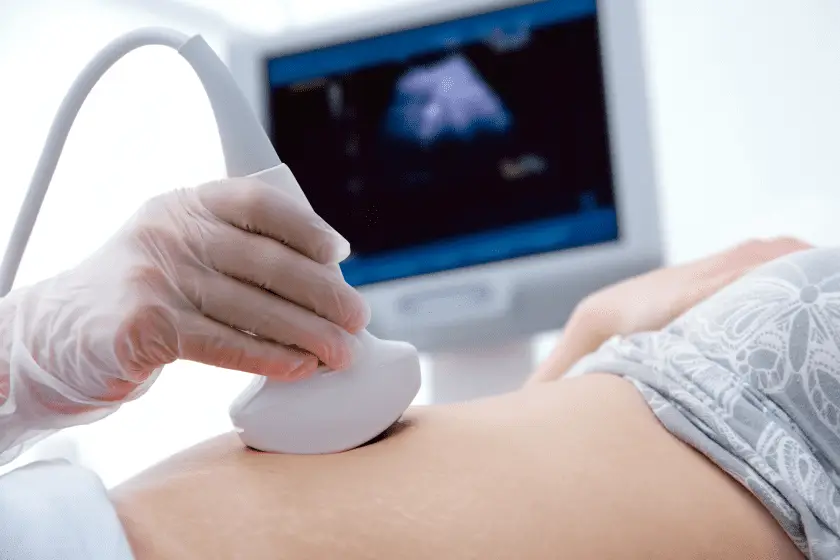
- Testicular Ultrasound Evaluation – Imaging studies used to assess reproductive anatomy and identify abnormalities.
- Advanced Male Fertility Assessment – Comprehensive evaluation for complex or unexplained fertility challenges.
🩺 Who Is a Good Candidate?
Male Infertility Evaluation may be recommended for individuals seeking answers regarding fertility concerns or reproductive health.
✔️ Men who have been trying to conceive without success
✔️ Couples experiencing infertility for an extended period
✔️ Men with abnormal semen analysis results
✔️ Individuals with a history of reproductive disorders
✔️ Men with hormonal imbalances affecting fertility
✔️ Patients with previous testicular injury or surgery
✔️ Men with varicocele or reproductive anatomical concerns
✔️ Individuals with a family history of infertility
✔️ Men considering fertility treatment or IVF
✔️ Patients seeking a complete fertility health assessment

📝 Consultation & Preparation
A thorough consultation helps fertility specialists develop an individualized evaluation plan tailored to each patient’s needs.

✔️ Comprehensive review of medical and reproductive history
✔️ Discussion of previous fertility attempts and outcomes
✔️ Assessment of lifestyle factors that may affect fertility
✔️ Review of medications and existing health conditions
✔️ Physical examination when appropriate
✔️ Semen analysis instructions and sample collection guidance
✔️ Hormonal testing recommendations if required
✔️ Genetic screening discussion when indicated
✔️ Explanation of diagnostic procedures and expectations
✔️ Personalized fertility evaluation plan development
🩺 Recovery & Aftercare
Male Infertility Evaluation is generally non-invasive and requires minimal recovery. Most patients can resume normal daily activities immediately following testing.
✔️ Return to normal activities after most diagnostic procedures
✔️ Follow specialist instructions for laboratory testing
✔️ Attend scheduled follow-up appointments
✔️ Review fertility test results with the medical team
✔️ Discuss treatment recommendations based on findings
✔️ Maintain healthy lifestyle habits that support fertility
✔️ Follow nutritional and wellness guidance if advised
✔️ Complete additional diagnostic testing when necessary
✔️ Address any identified medical conditions promptly

🌍 Why Choose Ovagenesis for Male Infertility Evaluation?
Selecting an experienced fertility center is essential for obtaining accurate fertility assessments and personalized care. Ovagenesis provides comprehensive reproductive medicine services designed to support both diagnosis and treatment planning.

✔️ Specialized expertise in reproductive medicine and fertility care
✔️ Comprehensive diagnostic approach for male infertility assessment
✔️ Individualized fertility investigations based on patient needs
✔️ Advanced laboratory support for semen analysis and testing
✔️ Multidisciplinary fertility specialists and medical professionals
✔️ Personalized treatment planning following diagnosis
✔️ Modern fertility facilities and diagnostic technologies
✔️ Patient-centered care focused on clear communication
✔️ Support for international fertility patients
✔️ Commitment to evidence-based fertility evaluation and care
✔️ Comprehensive follow-up consultations and ongoing fertility guidance