

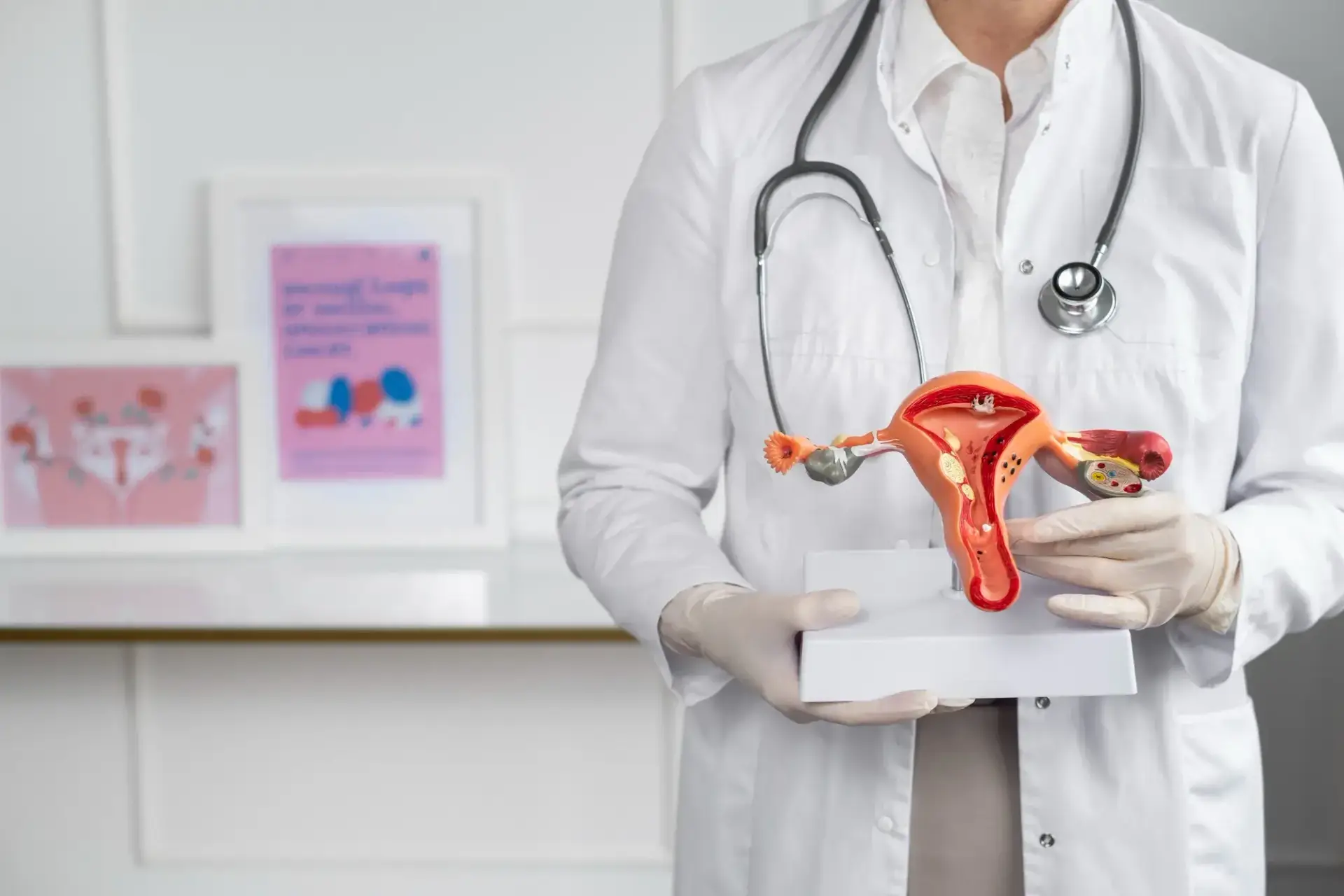
Every year, thousands of women confront the uncertainty of a cervical-cancer diagnosis and begin searching for treatment options that offer both medical excellence and compassion. Istanbul and other Turkish medical hubs deliver just that—state-of-the-art oncology centers, internationally trained specialists, and a healing environment where the Aegean breeze replaces the clinical chill of many hospital corridors.
Medical tourism has transformed Turkey into a preferred destination for comprehensive cervical-cancer treatment. Patients benefit from cutting-edge radiotherapy machines, robotic surgery platforms, and evidence-based chemotherapy protocols—often at a fraction of the cost found in Western nations. More importantly, the country’s JCI-accredited hospitals place global best practices at the core of patient safety while offering private suites that feel more like boutique hotel rooms than hospital wards.
Traveling abroad for oncology care can feel daunting, yet Turkey’s dedicated international-patient departments streamline every detail—from virtual consultations and visa support to language interpretation and post-treatment tourism. Whether you are seeking fertility-preserving surgery, advanced chemoradiation, or pioneering immunotherapy, Turkey combines clinical rigor with genuine hospitality, making your healing journey smoother, clearer, and more affordable.
Ultimately, patients choose Turkey because it strikes an ideal balance: high-caliber medicine, transparent pricing, and a culturally rich backdrop that nourishes the spirit during recovery. This page walks you through exactly what to expect—step by step—so you can make an informed, confident decision about your cervical-cancer treatment abroad.
Treatment Highlights
- Comprehensive Package: Includes diagnostics, surgery or chemoradiation, hospital stay, and bilingual care coordination.
- Proven Clinical Outcomes: Five-year survival rates comparable to leading U.S. cancer centers.
- Ideal Candidates: Women diagnosed with Stage 0–III cervical cancer seeking evidence-based treatment and cost savings.
- Destination Advantages: Modern facilities in Istanbul, Ankara, and Antalya; English-speaking oncologists; minimal wait times.
- Recovery Expectations: In-hospital stay 3-7 days for surgery; outpatient radiotherapy 4-6 weeks; follow-up via tele-oncology.
- Cost Positioning: Typically 50-70 % lower than average U.S. pricing while maintaining international accreditation.
- Recommended Stay: 4-8 weeks (depends on protocol) to complete therapy and initial recovery.
Overview About the Treatment
What the treatment involves
Cervical-cancer management usually blends three pillars: surgery, radiotherapy, and systemic therapy. Early-stage cases (CIN III or Stage IA–IB1) often receive a radical hysterectomy or fertility-sparing trachelectomy performed with robotic or laparoscopic assistance. Locally advanced stages (IB2–III) benefit from concurrent chemoradiation, where external-beam radiation and brachytherapy precisely target malignant cells while weekly low-dose cisplatin boosts tumor kill.
How it works medically
Radiotherapy uses high-energy X-rays shaped by multileaf collimators to conform the dose to the tumor, sparing bladder and rectum. Image-guided brachytherapy (IGBT) places radioactive sources inside the cervix under MRI planning for millimeter-level accuracy. Modern chemotherapy regimens integrate platinum drugs with targeted agents like bevacizumab to block tumor angiogenesis. In select metastatic profiles, immunotherapy (PD-1 inhibitors) primes the immune system to recognize and destroy cancerous cells.
Why patients consider it abroad
Patients travel for three key reasons: cost relief, quicker access, and holistic experience. In the U.S. or U.K., advanced radiotherapy may exceed $45 000, not including surgeon fees. Turkish centers deliver the same protocols for $12 000–$18 000, often with zero waiting lists. Additionally, a sun-drenched recovery by the Mediterranean lowers stress hormones that can otherwise impede healing.
Expected outcomes
When performed by board-certified gynecologic oncologists adhering to FIGO guidelines, treatment in Turkey achieves disease-free survival rates on par with North American benchmarks. Patients can realistically expect a return to daily activities 4–6 weeks post-surgery and resumption of work 2–3 weeks after completing radiotherapy. As always, individual prognosis depends on tumor stage, lymph-node status, and overall health.
How Much Does Cervical Cancer Treatment Cost in Turkey?
General range
- Early-stage surgery package: USD $7 500 – $11 000
- Concurrent chemoradiation (4-6 weeks): USD $12 000 – $18 000
- Advanced multimodal protocol (incl. immunotherapy): USD $22 000 – $30 000
Cost influencers
- Hospital accreditation level and technology suite (e.g., IMRT vs. proton therapy)
- Surgeon or radiation oncologist seniority
- Case complexity (lymph-node dissection, reconstructive procedures)
- Additional imaging, pathology, or genomic testing
- Length of hospital stay and post-operative rehabilitation needs
Value proposition
Thanks to lower labor and facility overheads, Turkey offers 50–70 % savings versus U.S. averages without compromising quality. Transparent package pricing helps patients budget confidently, though a final quote follows a specialist’s review of medical records.
USA vs. Turkey Cost Snapshot
| Treatment Protocol | Average USA Cost | Typical Turkey Cost |
|---|---|---|
| Robotic radical hysterectomy | $32 000 | $9 500 |
| Chemoradiation (IMRT + brachy) | $45 000 | $15 000 |
| Immunotherapy cycle (per infusion) | $7 500 | $3 200 |
Figures are illustrative; personalized assessments may adjust totals.
Who Is a Good Candidate for Cervical Cancer Treatment?
- Confirmed diagnosis of CIN III, Stage 0–III cervical cancer, or limited Stage IV requiring palliative control
- Adequate cardiac, renal, and hepatic function to tolerate anesthesia or chemoradiation
- BMI below 40 and no uncontrolled comorbidities (diabetes, hypertension)
- Non-pregnant or willing to consider fertility-preserving options where feasible
- Able to remain in Turkey for the recommended treatment window
- Committed to follow-up via telemedicine once home
Not ideal candidates
- Patients with widespread metastasis needing complex multi-organ surgery best handled in a tertiary center at home
- Individuals with severe, unmanaged psychiatric or substance-abuse conditions
- Those unable to secure medical travel clearance from their primary physician
A comprehensive review of pathology slides, imaging, and blood work by your Turkish oncology team will confirm suitability.
Procedure / Patient Journey
- Initial Inquiry – You complete a secure online form and upload pathology and imaging reports.
- Virtual Consultation – A gynecologic oncologist discusses your case, answers questions, and outlines likely protocols.
- Multidisciplinary Review – Tumor board (surgery, radiation, medical oncology) finalizes a personalized plan within 48 hours.
- Cost & Plan Approval – You receive an itemized quote and proposed timetable; no deposit is due until you confirm.
- Travel Planning – Dedicated coordinators assist with e-visa issuance, flight suggestions, and recuperation-friendly hotels.
- Arrival in Turkey – Chauffeured airport pickup and check-in at your hotel or hospital suite.
- Pre-Treatment Work-Up – In-person labs, imaging updates, fertility counseling (if relevant), anesthesia clearance.
- Treatment Day(s) –
- Surgery: Robotic or open procedure in a JCI-accredited operating theater, followed by intensive monitoring.
- Radiotherapy: Daily IMRT sessions (approx. 15 minutes each) plus two to four brachytherapy insertions.
- Recovery Phase – Private recovery room, physiotherapy, nutritionist guidance; city tours available once medically cleared.
- Follow-Up & Departure – Final exam, medication supply, and detailed home-care instructions; airport transfer.
- Remote Support – Scheduled video calls at Week 2, Month 1, Month 3, and every 6 months thereafter, with rapid-response email line for emergent concerns.
Destination Advantages
Turkey’s healthcare system blends European regulatory rigor with Middle-Eastern warmth. JCI accreditation, ESMO membership, and alignment with World Health Organization cancer-control benchmarks ensure standardized protocols. The country’s strategic location grants easy access from Europe, the Gulf, and North Africa, with direct flights under five hours for most travelers.
Post-treatment relaxation is as important as surgery itself. Whether savoring Ottoman-era hammams in Istanbul, strolling Antalya’s turquoise coastline, or exploring Cappadocia’s cave churches between radiation sessions, Turkey offers restorative experiences that lift emotional wellbeing—an often-overlooked dimension of cancer recovery.
English is widely spoken in private cancer treatment hospitals in Turkey, and medical concierges serve as single points of contact, eliminating language barriers and administrative hassles. Coupled with competitive hotel rates and internationally accepted insurance processing, Turkey converts logistical complexities into a seamless healing retreat.
Inclusions
- Personalized treatment plan and all pre-operative diagnostics
- Surgeon’s, anesthesiologist’s, and nursing fees
- OR charges, disposable instruments, and advanced robotics where indicated
- Chemotherapy drugs and radiotherapy sessions per protocol
- Private hospital room with companion accommodation (where available)
- Daily physician rounds and bilingual care coordination
- Ground transfers between airport, hotel, and hospital
- Tele-oncology follow-up for 12 months
Exclusions
- Additional imaging or genetic testing beyond package scope
- Management of unrelated medical conditions discovered during stay
- Companion meals, tours, and personal expenses
- Extended rehabilitation or stay beyond planned timeline
Recovery & Aftercare
Timeline
- Surgical patients: Walk within 24 hours; discharge by Day 5; resume desk work after Week 3.
- Chemoradiation: Mild fatigue peaks around Week 4; gradual rebound over 2–3 weeks post-therapy.
Physical Expectations
Pelvic soreness, light vaginal discharge, and transient urinary frequency are common. Nutrition-rich meals, hydration, and gentle ambulation accelerate tissue healing. Sexual activity is typically deferred for 6–8 weeks or until your oncologist clears you.
Activity Restrictions
No heavy lifting (>5 kg) for 4 weeks. Long-haul flights require compression stockings and periodic leg exercises to prevent thrombosis.
Follow-Up Care
A pathology report and digital imaging set are handed to you on discharge. Scheduled tele-consultations monitor blood work and address side effects. Your local gynecologist receives a detailed treatment résumé to ensure continuity.
Long-Term Results
Most patients regain full energy and return to exercise routines within three months. Annual Pap-smear or HPV testing remains essential for surveillance.
Risks & Considerations
Every medical procedure carries risk. Surgical complications may include bleeding, infection, ureteral injury, or lymphocele formation. Radiotherapy can provoke transient cystitis or proctitis, usually manageable with medication. Chemotherapy side effects—nausea, anemia, neuropathy—are closely monitored.
Selecting a board-certified oncologist and an accredited facility dramatically reduces complication rates. Strict adherence to post-operative instructions, timely reporting of symptoms, and realistic expectations pave the way for optimal outcomes. Remember: informed decisions anchored in evidence are your best defense against unforeseen setbacks.
FAQs About the Treatment
- What is the cost range of cervical-cancer treatment in Turkey?
Cancer treatment packages in Turkey begin around $7 500 for early-stage surgery and can reach $30 000 for advanced multimodal protocols, inclusive of hospital stay and medications. - How long must I stay in Turkey?
Surgical cases require about two weeks, whereas chemoradiation plans often span four to eight weeks to complete all sessions. - Is treatment in Turkey safe?
Private oncology centers are JCI-accredited, follow FIGO and NCCN guidelines, and maintain infection-control rates comparable to leading Western hospitals. - What is the typical recovery time?
Most surgical patients resume normal activities within four weeks; fatigue from chemoradiation generally resolves within six weeks post-therapy. - When will I see results?
Tumor control is assessed three months after therapy through MRI and tumor markers; long-term remission is tracked over five years. - Do I need a visa or special paperwork?
Many nationals receive an e-Visa online in minutes; your patient coordinator will guide you through any medical-travel documentation required. - Am I a suitable candidate if I wish to preserve fertility?
Yes, early-stage patients may qualify for a radical trachelectomy or chemoradiation protocols designed to spare ovarian function, pending specialist evaluation. - Will the treatment be painful?
Advanced anesthesia and analgesia protocols minimize intra-operative pain; postoperative discomfort is controlled with tailored medication plans. - How long do the results last?
Successful treatment can achieve lifelong remission; however, regular follow-ups are essential to detect any recurrence early. - What follow-up care is offered once I return home?
Your Turkish oncology team schedules video consultations and collaborates with your local physician to review scans and blood tests for up to five years.
Explore More About the Treatment
Your path to recovery deserves clarity, compassion, and clinical excellence. Our concierge team stands ready to orchestrate every step—from your first virtual consultation to the moment you ring the “cancer-free” bell and fly home. Begin your personalized treatment journey in Turkey today, and experience world-class cervical-cancer care wrapped in Mediterranean warmth. Reach out now for a no-obligation medical review and discover how seamlessly healing abroad can fit into your life.
Featured Oncology Procedures in Turkey
Procedures discussed in this article, available across Turkey.

Lung Cancer Treatment in Istanbul, Turkey by Avicenna Hospital
Advanced Lung Cancer Care with Personalized Treatment Planning and Multidisciplinary Oncology Expertise. Lung…
Kidney Cancer Treatment in Istanbul, Turkey by Avicenna Hospital
Advanced Kidney Cancer Care with Personalized Treatment Planning and Modern Surgical Techniques. Kidney Cancer…
Spinal Tumours Treatment in Istanbul, Turkey by Avicenna Hospital
Advanced Spinal Tumour Treatment Focused on Safe Tumour Removal, Spinal Stability & Improved Quality of Life.…
Recommended Oncology Clinics in Turkey
Trusted clinics specializing in Oncology across Turkey.

Liv Hospital
Liv Hospital. Turkey’s Premier Destination for Advanced Medicine & International Healthcare. Liv Hospital…

Medical Park Hospital
Medical Park Hospital. Turkey’s Largest Private Hospital Network for Advanced Care. Medical Park Hospital is the…

Memorial Hospital
Memorial Hospital. Turkey’s Leading Network for Advanced Medicine. Memorial Hospital is Turkey’s most…

Avicenna Hospital
Avicenna International Hospital Istanbul. Istanbul’s Established Private Hospital Network for Advanced Medical…

Pendik Yüzyıl Hospital
Pendik Yüzyıl Hospital. Comprehensive Healthcare in Istanbul's Asian Side. Pendik Yüzyıl Hospital is a…
Explore Tours in Turkey
Discover the best places to visit in Turkey and explore its rich culture, breathtaking landscapes, iconic attractions, and unforgettable travel experiences.

Turkey: Istanbul Guided Tour
Full-Day Private Experience | History, Culture & Comfort Experience Istanbul in One Perfect Day Discover the…

Turkey: Full Day Pamukkale Tour
Discover the stunning natural beauty and ancient history of Pamukkale on this private guided tour. Marvel at the…

Turkey: Private Cappadocia Tour: Hot Baloon Ride & Museum
Embark on a private guided journey through Cappadocia, a land of rich history and natural wonder. Your local…

Turkey: Best of Istanbul Tour with Hagia Sophia Tickets
Step into centuries of history with this expertly guided small group experience through Istanbul’s Old City.…

Turkey: Half-Day Istanbul Private Food Tour & Culinary Experience
Taste the Real Istanbul. Experience Istanbul beyond the landmarks — through its rich and vibrant food culture.…
Turkey: Istanbul Combo: Classic City Tour & Bosphorus Cruise
Experience Istanbul Like a VIP. Step into the heart of one of the world’s most fascinating cities with a private,…
More Oncology Articles About Turkey
Keep reading about Oncology care and travel in Turkey.

Bladder Cancer Treatment in Turkey Cost and Clinics
Turkey’s world-class oncology units combine Western-equivalent technology, internationally trained urologic…

Bone Cancer Treatment in Turkey Cost and Clinics
A bone cancer diagnosis can feel overwhelming, but modern medicine offers more options than ever before. Every…

Leave a Comment
Share your thoughts on this article, or ask us a question -- we'd love to hear from you.