




Stem cell therapy in the United States is largely confined to regulated clinical trials — and where available at private clinics, costs $10,000–$50,000 or more per treatment session. The combination of high cost and limited access has driven thousands of patients to seek treatment abroad, where established private stem cell programs offer MSC (mesenchymal stem cell) treatments for anti-aging, joint conditions, autoimmune indications, and neurological conditions at $4,000–$15,000 per protocol. Turkey, Mexico, Colombia, Costa Rica, and Panama have each built specialized regenerative medicine practices with physician-led programs and internationally recognized protocols.
Price Comparison by Country
| Country | Average Cost per Protocol | Savings vs. US | Why It’s Affordable |
|---|---|---|---|
| Turkey | $5,000–$15,000 | ~60–80% | Istanbul stem cell centers, MSC from Wharton’s jelly, tailored protocols |
| Mexico | $5,000–$15,000 | ~60–80% | COFEPRIS-regulated clinics, autologous and allogeneic options |
| Colombia | $4,000–$12,000 | ~65–82% | Bogota regenerative medicine centers, IV therapy combinations |
| Costa Rica | $5,000–$14,000 | ~60–78% | English-speaking physicians, personalized protocols |
| Panama | $4,500–$13,000 | ~62–80% | Panama City regenerative sector, combination treatment programs |
Turkey — from $5,000 (MSC Protocols with Advanced Lab Processing)
Istanbul’s private stem cell centers offer mesenchymal stem cell (MSC) treatments sourced from umbilical cord Wharton’s jelly — a widely used source that produces consistently high MSC yields without requiring extraction from the patient. Protocols at $5,000–$15,000 are tailored by indication: joint conditions, anti-aging protocols, autoimmune support, and neurological applications each have different administration routes (IV, intra-articular, intrathecal) and cell concentrations. Physician-led protocols with pre-treatment laboratory assessments are standard at reputable Istanbul centers.
Clinics in Turkey
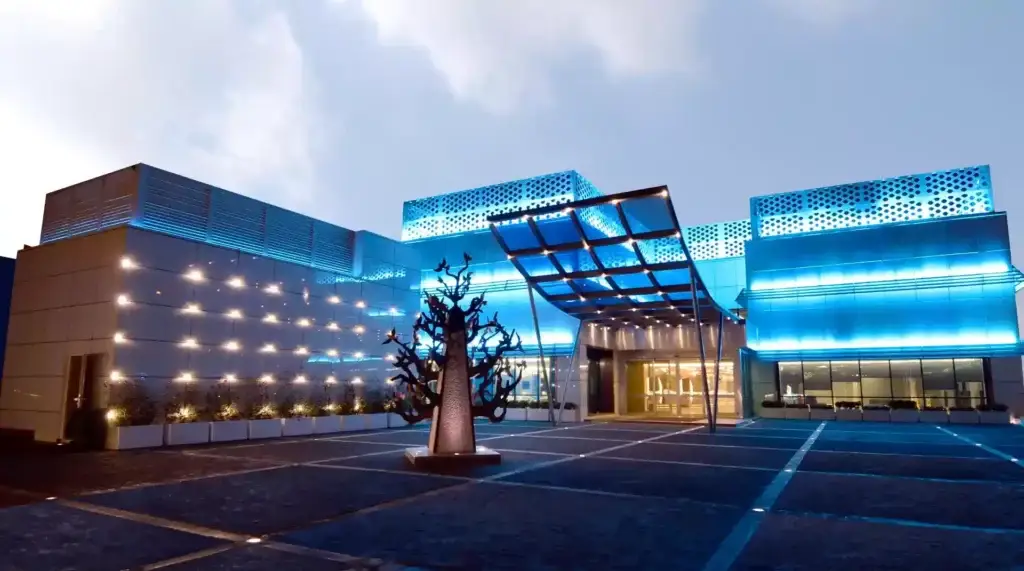
Liv Hospital. Turkey’s Premier Destination for Advanced Medicine & International Healthcare. Liv Hospital Istanbul…
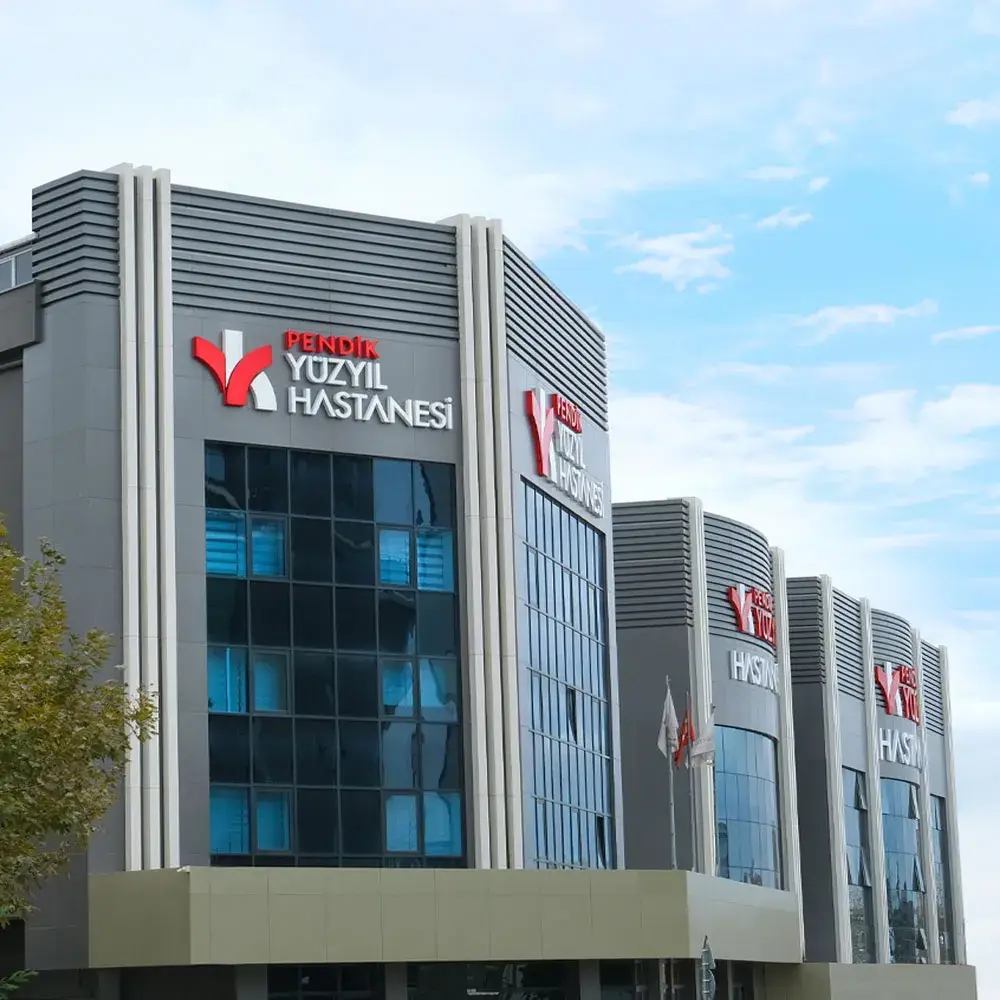
Pendik Yüzyıl Hospital. Comprehensive Healthcare in Istanbul's Asian Side. Pendik Yüzyıl Hospital is a…

Memorial Hospital is Turkey’s most internationally recognized healthcare network, known for pioneering medical breakthroughs,…
Stem Cell Therapy Procedures in Turkey
Mexico — from $5,000 (COFEPRIS-Regulated Programs)
Mexico’s stem cell clinics in Guadalajara and Monterrey operate under COFEPRIS (Mexico’s FDA equivalent) regulation, which provides a defined legal framework for regenerative medicine treatments that the US does not permit outside clinical trials. Protocols at $5,000–$15,000 include both autologous options (using the patient’s own cells, typically from bone marrow or adipose tissue) and allogeneic options (using donor MSC from umbilical cord). Combination protocols — MSC infusion combined with exosome therapy, ozone therapy, or targeted IV nutritional support — are available at comprehensive centers.
Clinics in Mexico
Stem Cell Therapy Procedures in Mexico
Colombia — from $4,000 (Regenerative Medicine with IV Therapy Combinations)
Bogota’s regenerative medicine centers combine stem cell administration with comprehensive IV therapy protocols — including NAD+, high-dose vitamin C, and glutathione — for a holistic approach to anti-aging and immune support. Protocols at $4,000–$12,000 are led by board-certified physicians with post-graduate training in regenerative medicine. Cell sourcing, processing, and administration are documented, with patients receiving a full protocol report for their medical records. English-speaking coordinators are standard at established centers.
Clinics in Colombia

StemCells Colombia. Advanced Stem Cell Therapy & Regenerative Medicine in Medellín, Colombia. Stem Cells…
Stem Cell Therapy Procedures in Colombia
Costa Rica — from $5,000 (English-Speaking Physicians, Personalized Protocols)
Costa Rica’s private regenerative medicine clinics are physician-led and English-speaking, with protocols designed around individual patient assessments rather than standardized packages. Treatment at $5,000–$14,000 begins with a detailed intake consultation covering the patient’s health history, current medications, and specific goals — whether joint regeneration, anti-aging, autoimmune support, or neurological conditions. MSC sourcing from umbilical cord is the standard approach, with administration methods tailored to the indication. Post-treatment monitoring and telemedicine follow-up are included.
Clinics in Costa Rica
Stem Cell Therapy Procedures in Costa Rica
Panama — from $4,500 (Combination Treatment Programs)
Panama City’s regenerative medicine sector has developed around comprehensive combination treatment programs that integrate stem cell therapy with other regenerative modalities — ozone therapy, platelet-rich plasma (PRP), and targeted nutritional IV protocols. Packages at $4,500–$13,000 are offered at physician-run centers with documented MSC sourcing and processing. Panama’s geographic position makes it a practical destination for patients from both North and South America, with direct flights from most major cities and a strong private healthcare infrastructure.
Clinics in Panama
Stem Cell Therapy Procedures in Panama
Is Cheap Safe? What to Check Before Booking
- Verify the treating physician is a licensed MD with post-graduate training specifically in regenerative medicine — not a general practitioner offering stem cell treatments as a side service
- Ask about the cell source: umbilical cord (Wharton’s jelly) MSC and bone marrow-derived MSC are well-documented sources; be cautious of clinics making vague claims about “adipose-derived stem cells” without clear processing documentation
- Request documentation of cell viability and cell count at the time of administration — reputable labs provide a certificate of analysis with each batch
- Understand the informed consent process: stem cell therapy for most non-hematological conditions remains experimental — a clinic that presents it as a guaranteed cure rather than an emerging treatment is a red flag
- Ask specifically what evidence base supports the protocol for your indication — some conditions (osteoarthritis, certain autoimmune conditions) have more published evidence than others
What’s Usually Included in the Quoted Price
Stem cell therapy packages abroad typically include an initial medical consultation with the treating physician, pre-treatment laboratory tests (CBC, metabolic panel, relevant biomarkers for your condition), stem cell preparation (MSC culture and viability testing), the administration session itself (IV infusion, intra-articular injection, or other route depending on the indication), and post-treatment monitoring during the same visit. What is commonly excluded: travel and accommodation, additional infusion sessions if a multi-session protocol is recommended, follow-up laboratory tests at 3 or 6 months, and any combination therapies (PRP, ozone, NAD+) that are priced as add-ons to the base stem cell protocol.
Frequently Asked Questions
What conditions respond best to stem cell therapy?
The strongest evidence currently supports MSC therapy for osteoarthritis (particularly knee and hip), certain autoimmune conditions, and some neurological applications including early-stage Parkinson’s disease and multiple sclerosis. Anti-aging and general wellness protocols are widely offered but have a less robust evidence base — outcomes are harder to measure objectively. Your physician should be transparent about the strength of the evidence for your specific indication and set realistic expectations before treatment begins.
How many sessions are needed?
Most initial protocols involve 1–3 treatment sessions, depending on the indication and the clinic’s protocol. Some patients with severe or progressive conditions pursue multiple rounds spaced 6–12 months apart. For joint conditions and anti-aging, many patients report meaningful benefit from a single comprehensive session. Your physician will recommend a protocol based on your specific condition severity, health history, and treatment goals — and should explain why a multi-session protocol is recommended if that is the proposal.
How long before I notice results?
The timeline varies significantly by indication and individual patient response. Some patients report improvement in energy, sleep, and inflammation markers within 2–4 weeks of treatment. For joint conditions, meaningful pain and mobility improvement often develops over 1–3 months as the anti-inflammatory and regenerative effects accumulate. Neurological applications may show changes over 3–6 months. Full assessment of results is typically done at 3 and 6 months post-treatment. Not all patients respond equally, and results cannot be guaranteed.
What is the difference between autologous and allogeneic stem cells?
Autologous stem cells are harvested from the patient’s own body — typically from bone marrow (iliac crest) or adipose (fat) tissue — processed, and then re-administered. Because they are the patient’s own cells, immune rejection is not a concern. However, the quality and quantity of autologous cells decline with age. Allogeneic stem cells come from a donor source — most commonly umbilical cord tissue (Wharton’s jelly) from healthy newborns — and are typically MSC (mesenchymal stem cells) that have low immunogenicity, meaning they rarely trigger immune rejection. Allogeneic MSC from umbilical cord are often preferred for their high cell counts and consistent quality regardless of patient age.
Is stem cell therapy approved by the FDA?
In the United States, the FDA has approved stem cell therapies only for hematological conditions (blood and bone marrow diseases) — not for the anti-aging, orthopedic, autoimmune, or neurological applications most patients seek abroad. This is precisely why patients travel: other countries (Mexico, Panama, Turkey, Costa Rica, Colombia) have their own regulatory frameworks that permit physician-administered MSC therapies under defined conditions. This is not a safety loophole — it reflects different regulatory philosophies — but it does mean patients must do more due diligence in selecting a reputable clinic and physician than they would for an FDA-approved treatment.
Ready to Explore Stem Cell Therapy at a Fraction of the US Price?
MyMediTour connects you with verified clinics offering transparent pricing and no hidden fees.
Explore Tours in Colombia
Discover the best places to visit in Colombia and explore its rich culture, breathtaking landscapes, iconic attractions, and unforgettable travel experiences.

Colombia: Cali: Salsa Tour
Discover why Cali is known as the world’s Salsa capital on this immersive tour into its vibrant music and dance…

Colombia: Cartagena: Sunset Cruise
Experience a sunset cruise along Cartagena’s stunning bay, where breathtaking views of the city skyline meet the…

Colombia: Cartagena: Totumo Mud Volcano Tour
Experience the unique sensation of floating in the mineral-rich waters of Totumo Mud Volcano, known for its…

Colombia: Cartagena: Rosario Islands with Lunch and Snorkeling
Embark on an unforgettable catamaran adventure to the Rosario Islands, sailing across the crystal-clear Caribbean…

Colombia: Medellin: Guatape Tour
Journey through the stunning tropical mountains surrounding Medellín on a full-day tour to Guatapé and Peñol Rock,…

Colombia: Cartagena: ATV Tour
Embark on an action-packed ATV adventure through the Colombian countryside, exploring rugged trails, dirt roads,…
2 Responses
I need a cheap stem cell therapy treatment for diabetes type 2 in India or China
Hi Julius, thank you for your question.
Stem cell therapy for Type 2 diabetes is an area where quality, safety, and proper clinical protocols are extremely important, so we always recommend focusing on accredited providers rather than simply choosing the lowest-cost option.
At the moment, we are working with carefully vetted medical partners offering this treatment in Taiwan, where clinics follow strict medical standards and have strong experience with regenerative therapies.
If you’re open to exploring this option, feel free to reach out to our team directly — we’d be happy to guide you through available programs, expected outcomes, and pricing.
Wishing you the best on your health journey.
Leave a Comment
Share your thoughts on this article, or ask us a question -- we'd love to hear from you.