










Personalized Bariatric Revision for Weight Recurrence, Digestive Concerns & Complications After Previous Weight-Loss Surgery
Revision bariatric surgery is an advanced treatment option for patients who have previously undergone weight-loss surgery but now require further medical or surgical care. A revision may be considered because of inadequate weight loss, weight recurrence, persistent reflux, an anatomical concern, nutritional complications, or another problem related to the original operation. Unlike primary bariatric surgery, revision surgery must account for altered anatomy, scar tissue, previous surgical connections, and the patient’s current health. Therefore, every case requires detailed assessment before a treatment plan can be recommended. In Guadalajara, patients may request an individual evaluation with Dr. Stefano Sereno Trabaldo, a surgeon whose practice focuses on bariatric, digestive, and minimally invasive surgery. The final recommendation depends on the previous procedure, current anatomy, symptoms, medical history, and long-term health goals.
🔍 What Is Revision Bariatric Surgery?
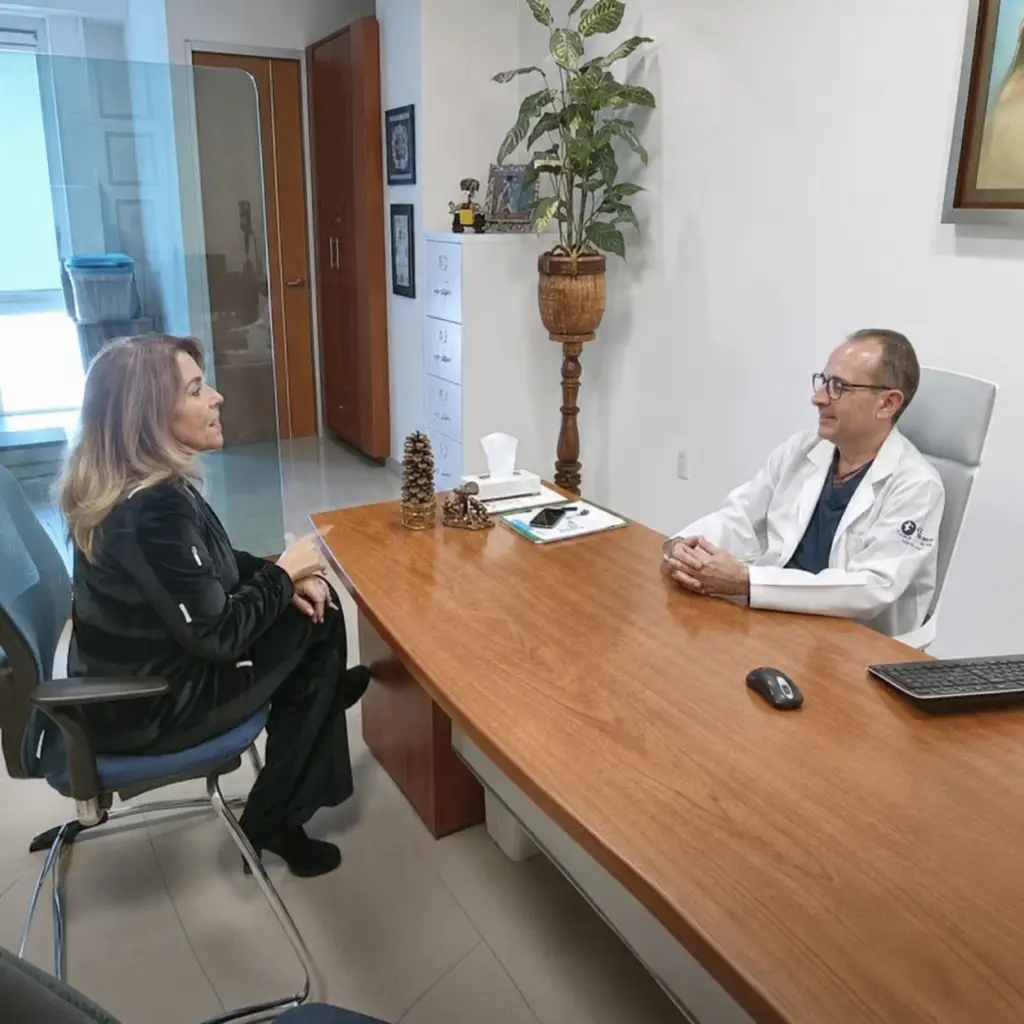
Revision bariatric surgery is a secondary operation performed after an earlier metabolic or weight-loss procedure. Its purpose may be to correct a complication, improve an unsatisfactory response, treat weight recurrence, modify the original anatomy, or reverse part or all of a previous operation when medically necessary. Revision bariatric surgery is generally more complex than a primary bariatric procedure. Scar tissue and altered anatomy can increase technical difficulty and may raise the risk of complications. For this reason, treatment must be individualized. The recommended procedure should balance potential benefits with nutritional effects, reflux control, surgical risk, and the patient’s ability to follow long-term dietary and medical guidance. Careful preoperative evaluation by an experienced bariatric surgeon is essential to determine the safest and most effective approach.
🩺 Types of Revision Bariatric Surgery
- Sleeve Gastrectomy to Roux-en-Y Gastric Bypass – A gastric sleeve may be converted to a Roux-en-Y gastric bypass in selected patients. This approach may be considered when severe reflux, weight recurrence, insufficient weight loss, narrowing, or another sleeve-related concern cannot be adequately managed with non-surgical care.
- Sleeve Gastrectomy to One-Anastomosis Gastric Bypass – A sleeve may be converted to a one-anastomosis gastric bypass for selected patients who require a different metabolic effect. The decision requires careful evaluation of reflux, nutritional status, previous weight-loss response, and individual anatomy.
- Sleeve Gastrectomy to SADI-S or Duodenal Switch – Conversion to a single-anastomosis duodeno-ileal bypass with sleeve gastrectomy, commonly called SADI-S, or to a duodenal switch may be considered in certain complex cases. These procedures have significant nutritional implications and require a strong commitment to supplementation and long-term monitoring.
- Re-Sleeve Gastrectomy – A re-sleeve procedure may be evaluated when imaging or endoscopy shows meaningful enlargement of the remaining stomach. It is not suitable for every patient, particularly when reflux or other anatomical concerns make a different revision more appropriate.
- Gastric Bypass Pouch or Outlet Revision – Following Roux-en-Y gastric bypass, the stomach pouch or gastrojejunal outlet may enlarge over time. Selected patients may be evaluated for surgical pouch revision, outlet revision, endoscopic treatment, or another strategy. The correct approach depends on the anatomical findings and cause of the patient’s symptoms or weight recurrence.
- Gastric Band Removal or Conversion – Patients with a previous adjustable gastric band may require removal because of slippage, erosion, intolerance, reflux, swallowing difficulty, or an inadequate weight-loss response. Depending on the patient’s condition, band removal may be performed alone or combined with conversion to another bariatric procedure.
- Correction of Bariatric Complications – Revision surgery may be required to manage a chronic complication such as obstruction, fistula, ulcer-related problems, bile reflux, severe gastroesophageal reflux, or another anatomical issue. Treatment depends on the type of complication and the patient’s physiological and nutritional condition.
🩺 Who Is a Good Candidate?
Revision bariatric surgery may be considered for patients who have a documented concern after a previous weight-loss operation. However, candidacy cannot be determined from body weight alone. The medical team must evaluate anatomy, symptoms, nutrition, previous treatment results, lifestyle factors, and the risks associated with another operation.
✔️ Patients experiencing significant weight recurrence after an earlier bariatric procedure
✔️ Individuals who did not achieve an adequate clinical response after their original surgery
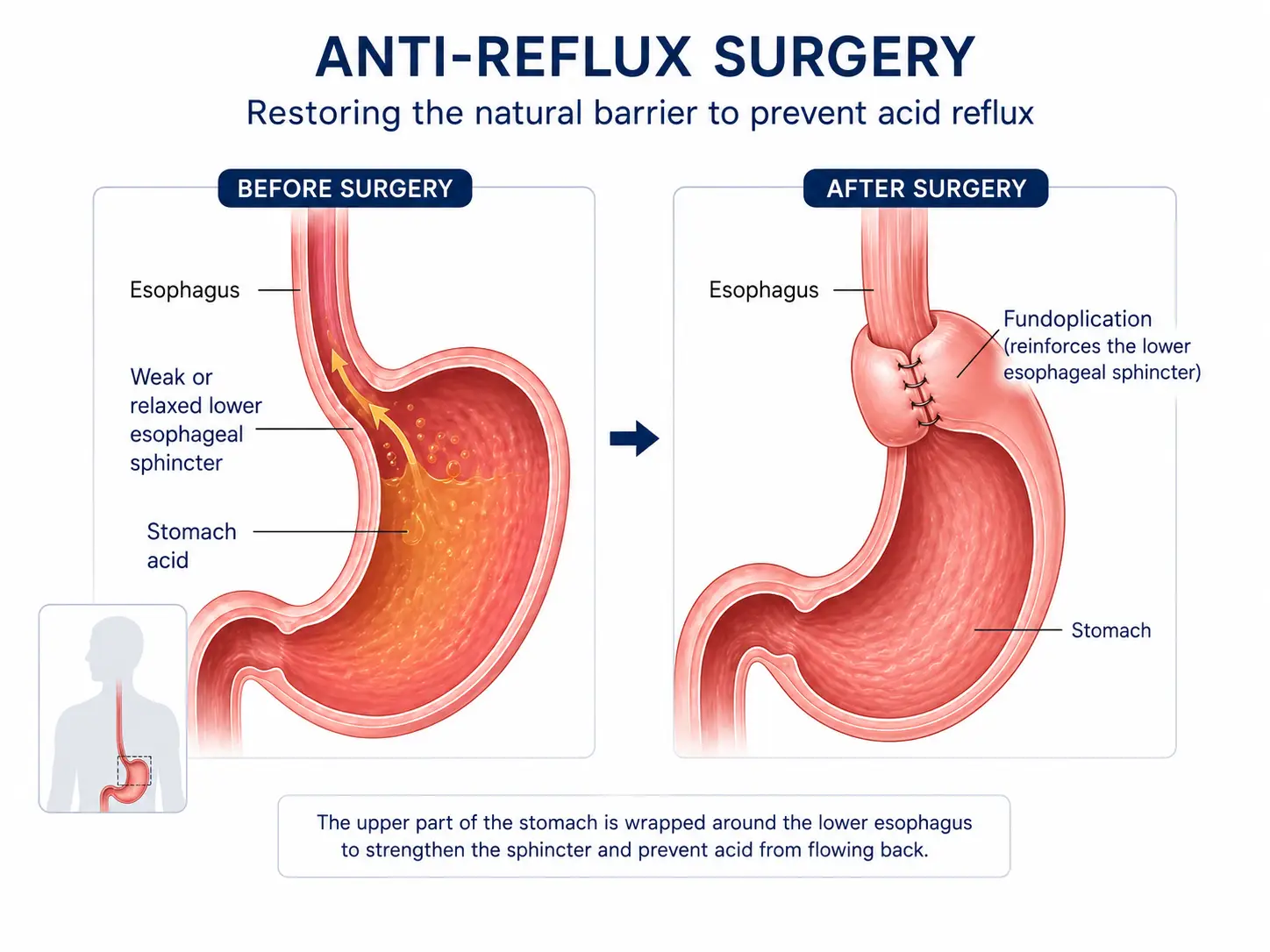
✔️ Patients with persistent or worsening reflux after gastric sleeve or another bariatric procedure
✔️ Individuals with a confirmed anatomical concern, such as narrowing, pouch enlargement, fistula, obstruction, band slippage, or band erosion
✔️ Patients experiencing chronic vomiting, difficulty swallowing, abdominal discomfort, or food intolerance that requires investigation
✔️ Individuals with persistent obesity-related conditions despite previous bariatric treatment
✔️ Patients who have completed appropriate nutritional, behavioral, medical, or endoscopic treatment without sufficient improvement

📝 Consultation & Preparation
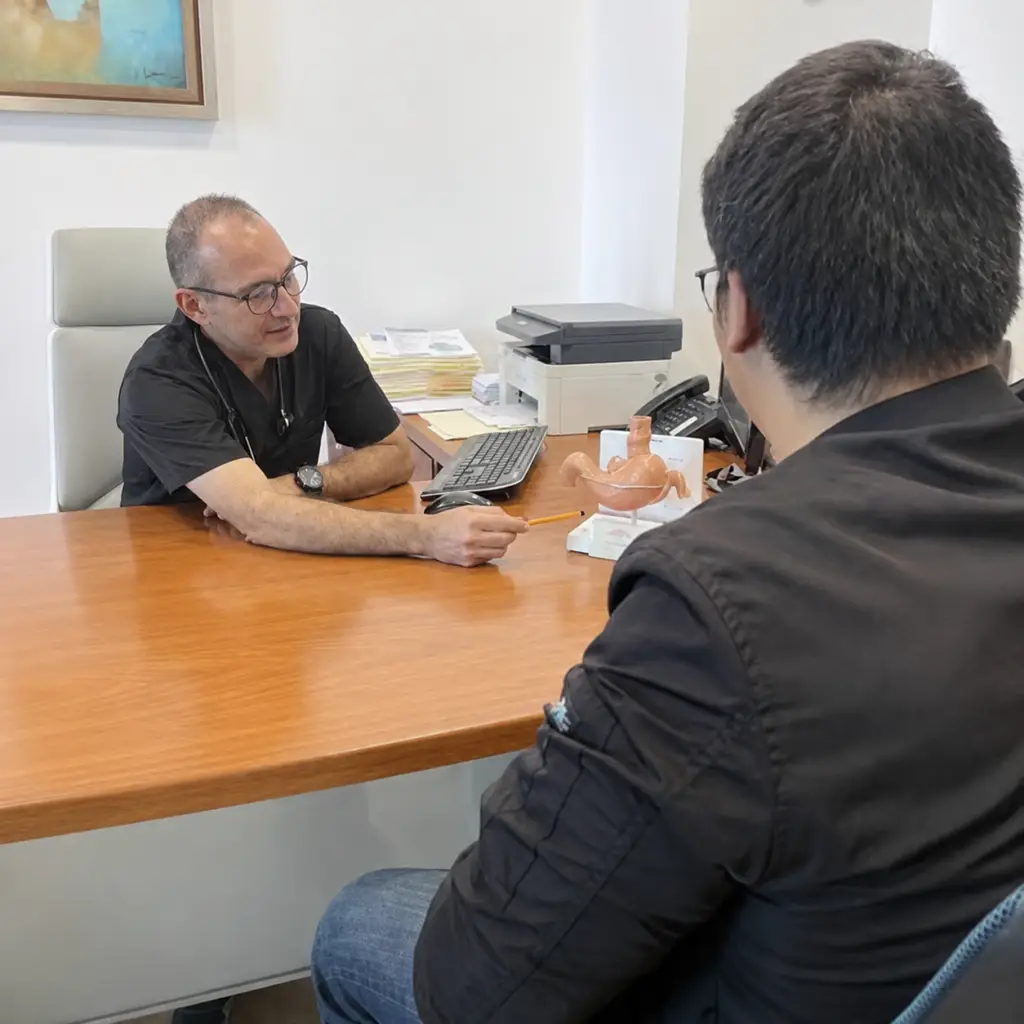
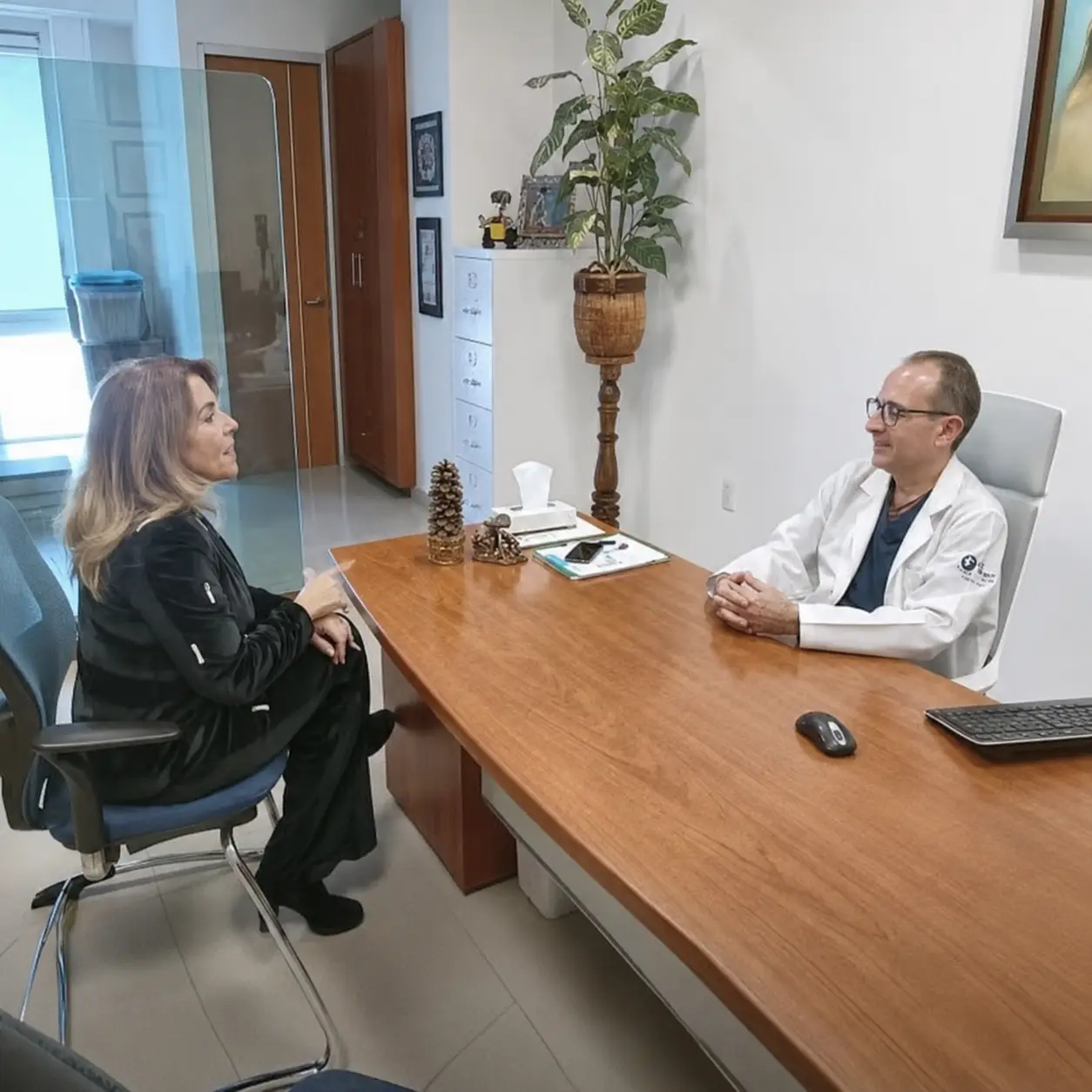
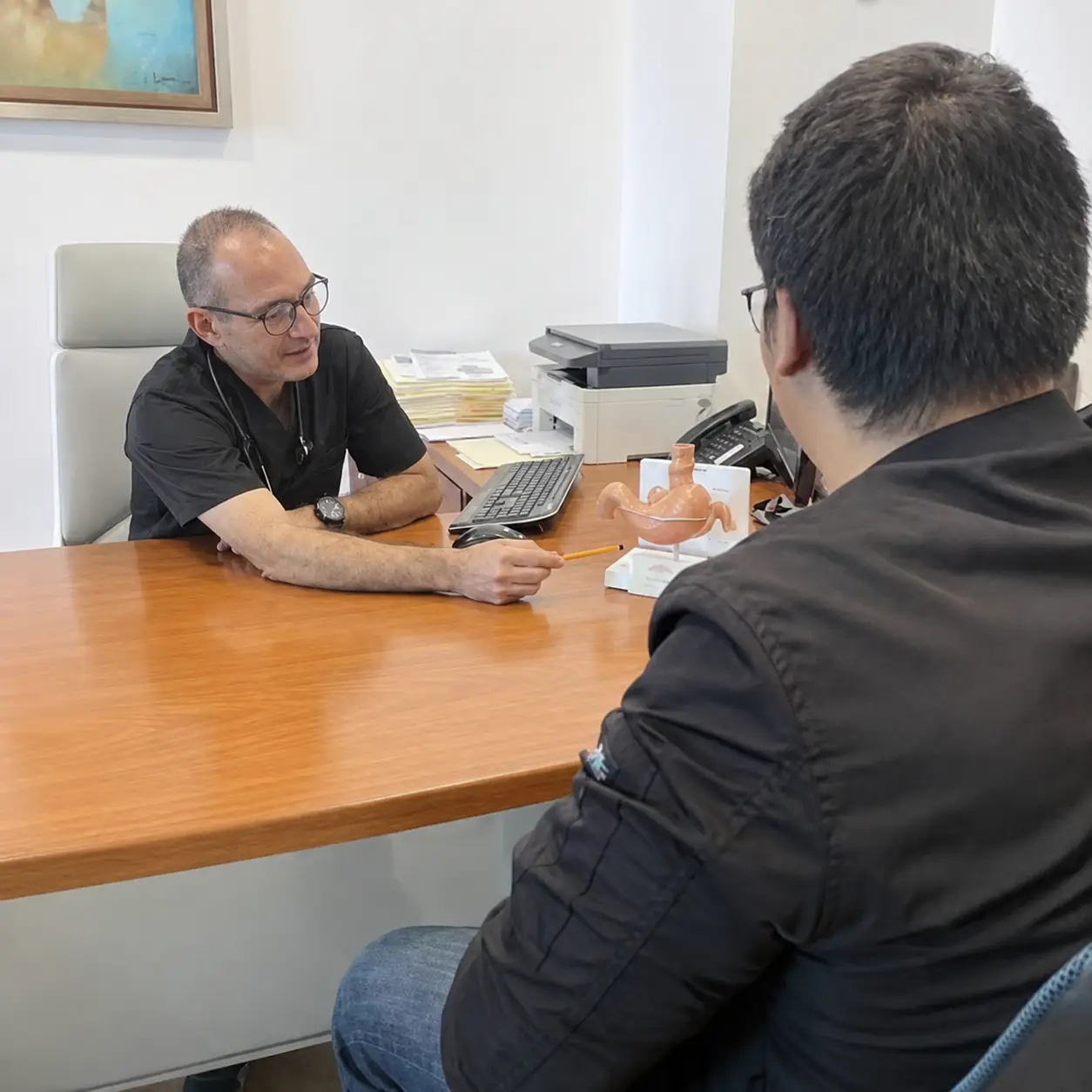
Consultation for revision bariatric surgery is more detailed than consultation for a first-time procedure. The surgeon must identify the exact operation previously performed, determine how the anatomy has changed, and understand why the patient is currently seeking additional treatment.
✔️ Review of the original bariatric procedure and the date it was performed
✔️ Collection of previous operative reports, discharge summaries, implant information, and pathology records when available
✔️ Detailed discussion of weight history before and after the original procedure
✔️ Assessment of current symptoms, including reflux, vomiting, swallowing difficulty, pain, food intolerance, or bowel changes
✔️ Upper endoscopy or contrast imaging when required to define the stomach and intestinal anatomy
🩺 Recovery & Aftercare
Recovery after revisional bariatric surgery varies considerably. It depends on the original operation, the revision performed, the amount of scar tissue, the patient’s health, and whether the procedure was performed to improve weight response or correct a complication. A simple band removal may involve a different recovery process than conversion of a sleeve to gastric bypass or reconstruction of a previous intestinal connection.
✔️ Hospital monitoring based on the complexity of the operation and the patient’s medical condition
✔️ Pain management, hydration, nausea control, and early mobilization after surgery
✔️ A staged diet that generally progresses from liquids to blended foods, soft foods, and regular textures
✔️ Careful monitoring for fever, increasing abdominal pain, persistent vomiting, breathing difficulty, dehydration, bleeding, or signs of infection
✔️ Temporary restrictions on heavy lifting, strenuous exercise, and demanding physical activity
✔️ Use of prescribed medications and supplements according to the surgical team’s instructions
✔️ Regular hydration and protein intake to support healing and preserve muscle mass

🌍 Why Choose Dr. Stefano Sereno Trabaldo for Bariatric Care?
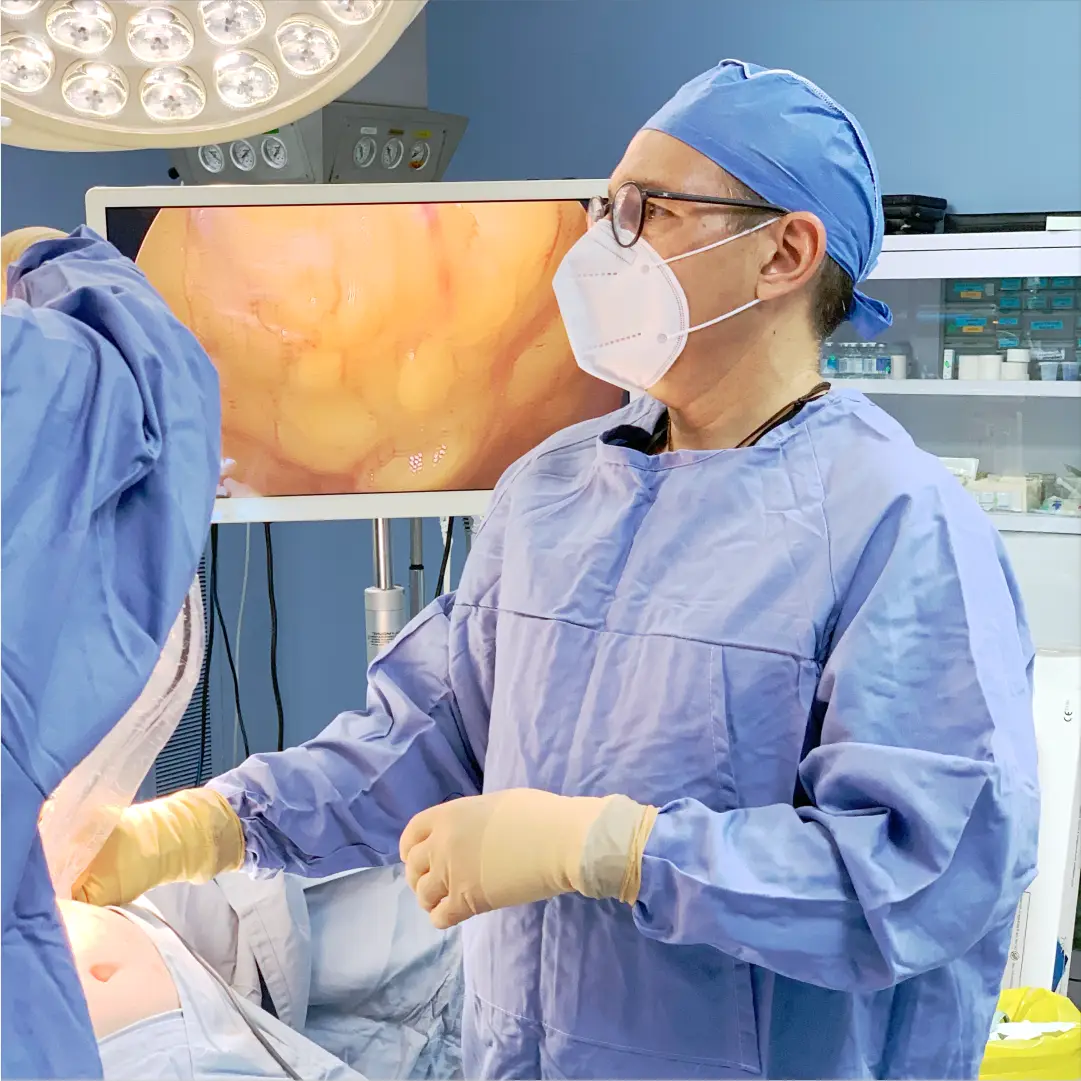
Choosing a surgeon for revisional bariatric surgery requires careful consideration. A revision procedure involves previously altered anatomy and may require a different strategy from the original operation. Dr. Stefano Sereno Trabaldo’s official practice focuses on bariatric and general surgery in Guadalajara. Procedures are performed at Hospital Monte Santo, subject to medical evaluation and confirmation that the requested treatment is appropriate and available.

✔️ Fellowship recognition from the American College of Surgeons
✔️ Professional affiliation with the International Federation for the Surgery of Obesity and Metabolic Disorders
✔️ Advanced training in laparoscopic digestive and obesity surgery through IRCAD France
✔️ Experience with gastric sleeve, gastric bypass, digestive surgery, and minimally invasive techniques
✔️ Access to a multidisciplinary team that includes an internist, nutritionist, psychologist, and physical activation professional
✔️ Surgical care at Hospital Monte Santo, described by the practice as an internationally accredited private facility

 Why Choose Dr. Stefano Sereno Trabaldo?