








Non-Invasive ESWL for Kidney and Ureteral Stones at Xiamen Humanity Hospital
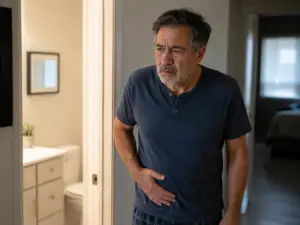
Extracorporeal Shock Wave Lithotripsy in Xiamen, China provides a non-invasive treatment option for selected patients with kidney stones or ureteral stones. At Xiamen Humanity Hospital, this care is provided through the Department of Urology, where urinary calculi management and minimally invasive urology form part of the department’s specialist services. The hospital offers a broader range of urinary stone treatments, allowing patients with different stone sizes, locations, and clinical needs to receive individualized assessment and treatment planning. The goal of Extracorporeal Shock Wave Lithotripsy is to manage suitable urinary stones, reduce stone-related symptoms, support normal urinary function, and provide an appropriate treatment approach based on the patient’s imaging findings, stone characteristics, overall health, and urological needs.
🩺 What Is Extracorporeal Shock Wave Lithotripsy?
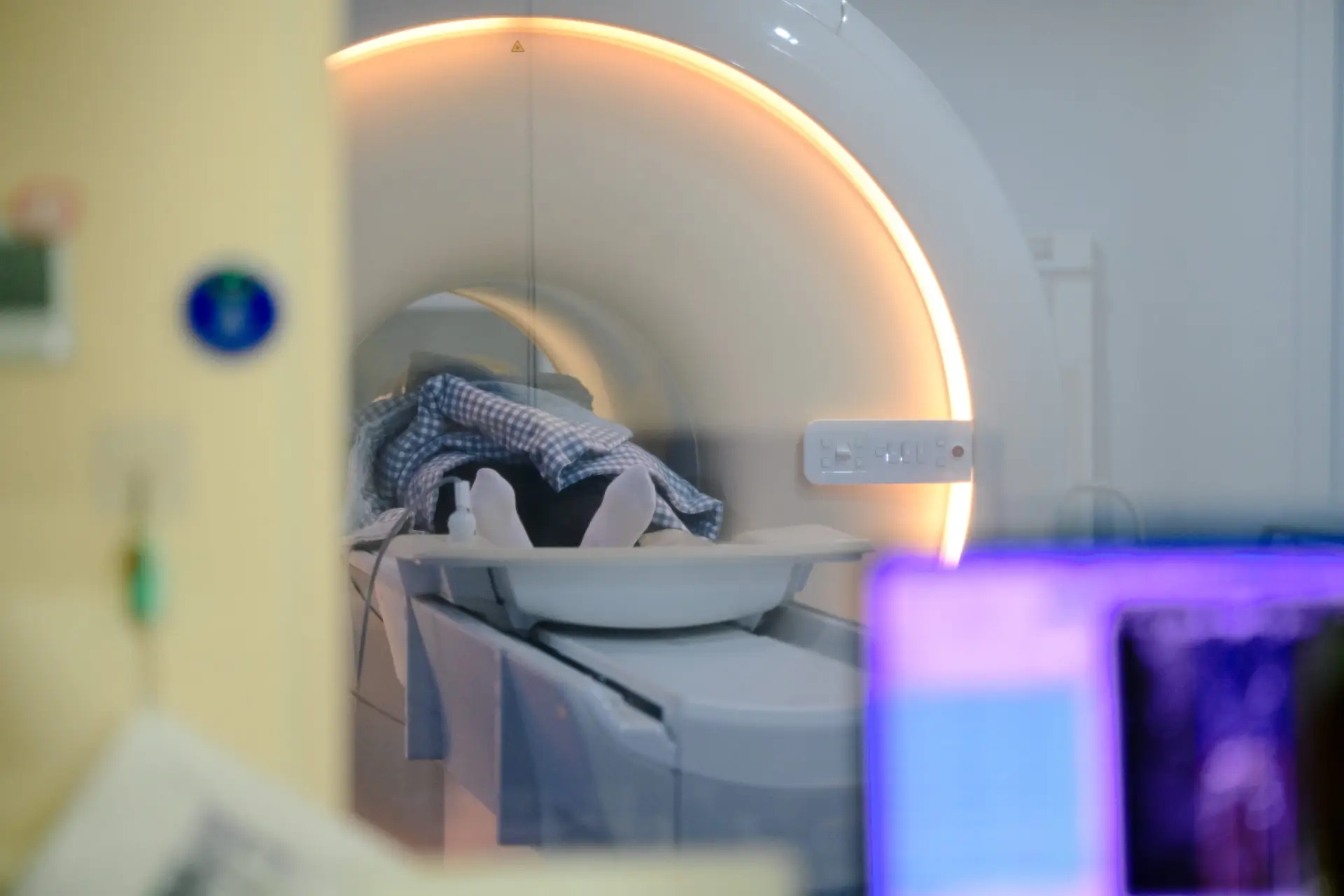
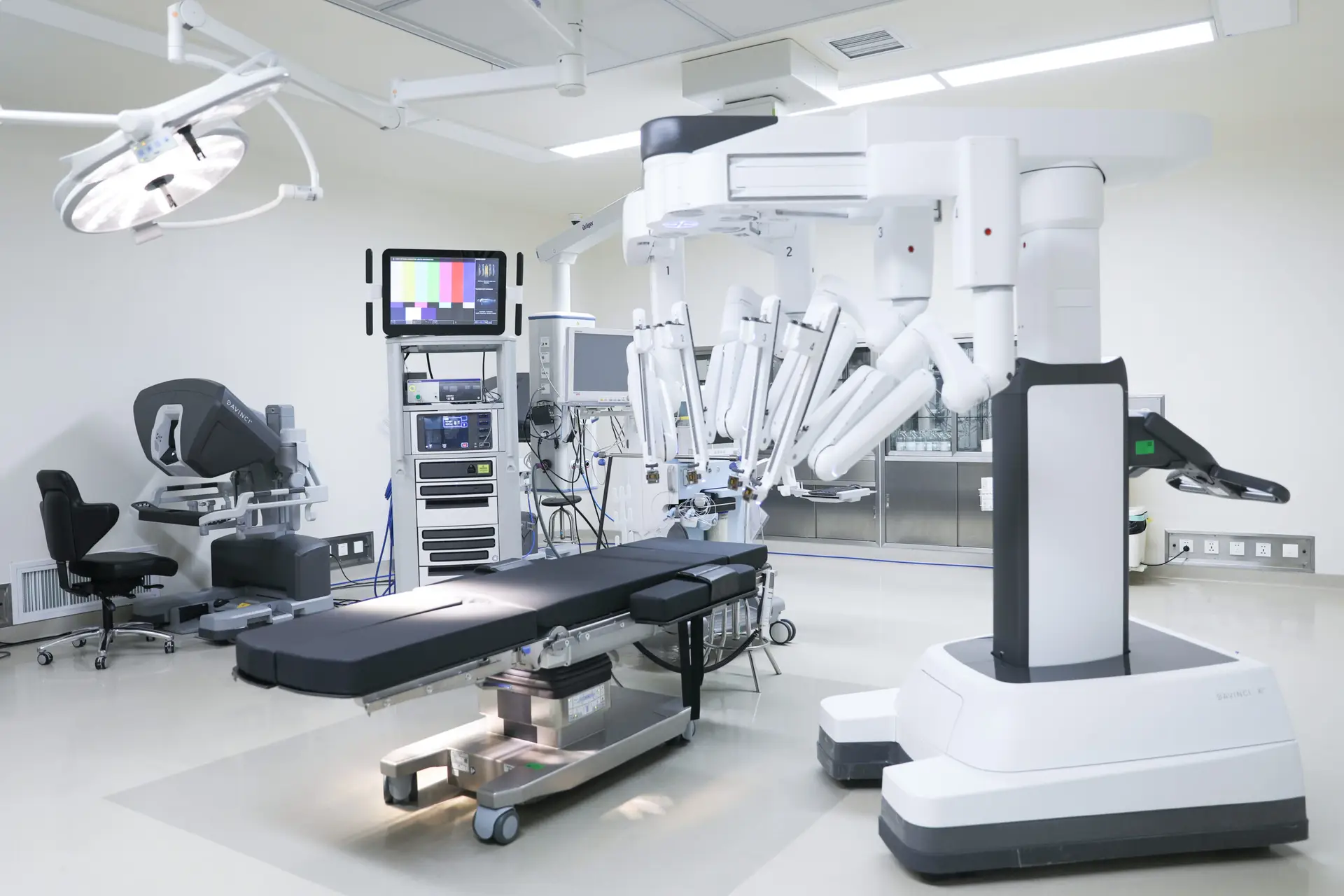
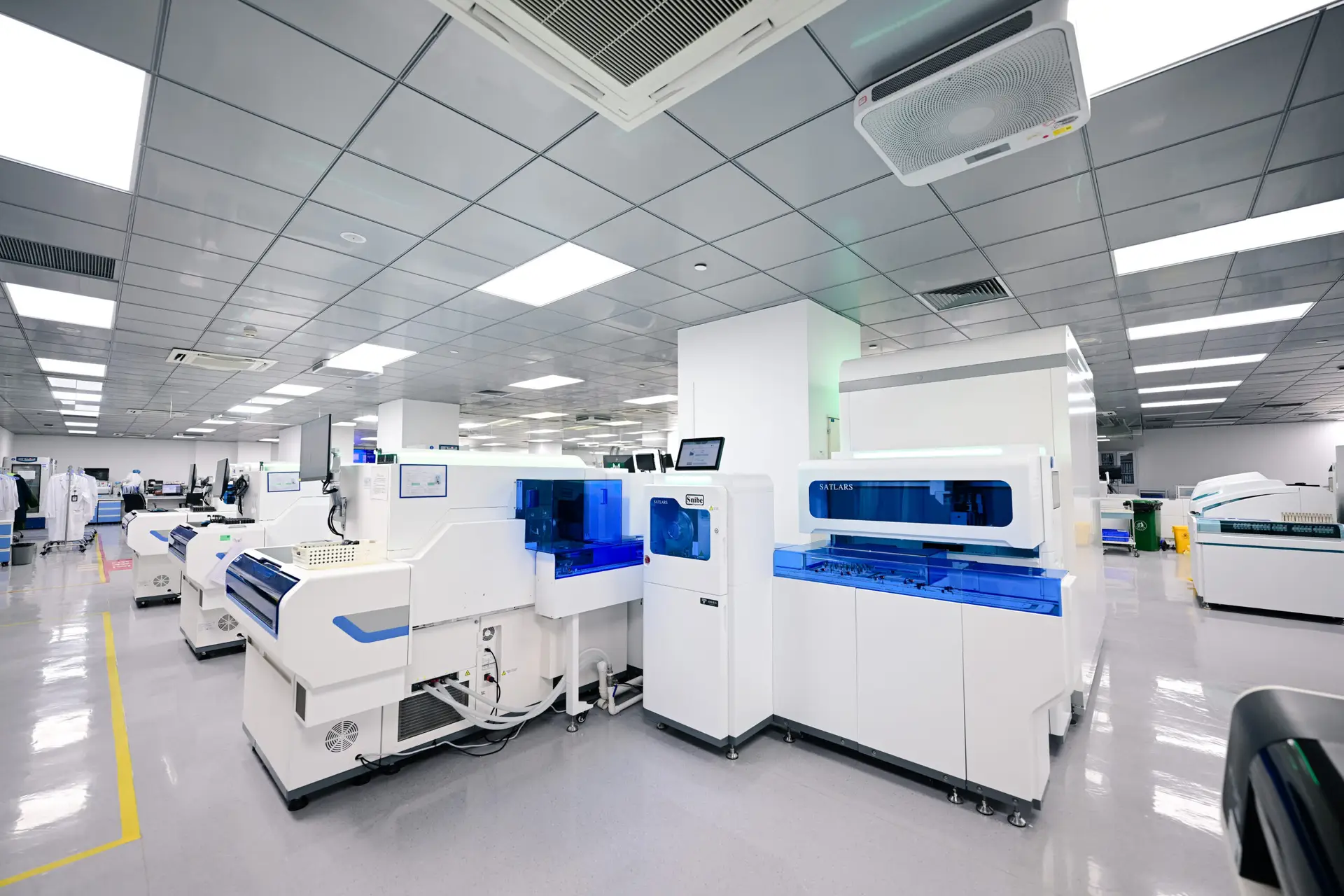
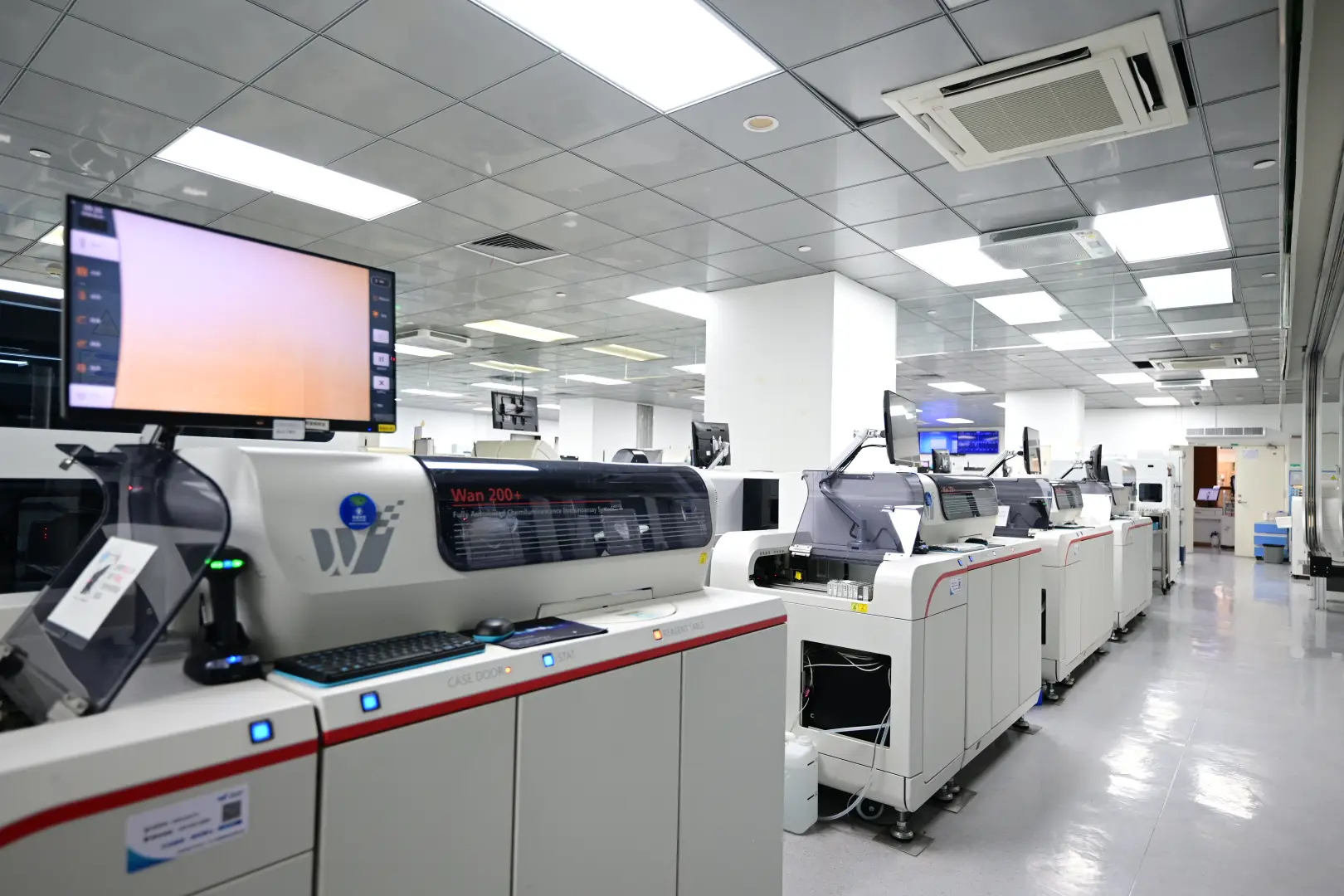
Extracorporeal Shock Wave Lithotripsy (ESWL) is a non-invasive procedure that uses focused shock waves to break urinary stones into smaller fragments that can pass naturally through urine. “Extracorporeal” means the treatment is delivered from outside the body. Imaging helps locate and monitor the stone during treatment. Xiamen Humanity Hospital lists ESWL with imaging monitoring and includes an ESWL system in its Urology Department equipment.
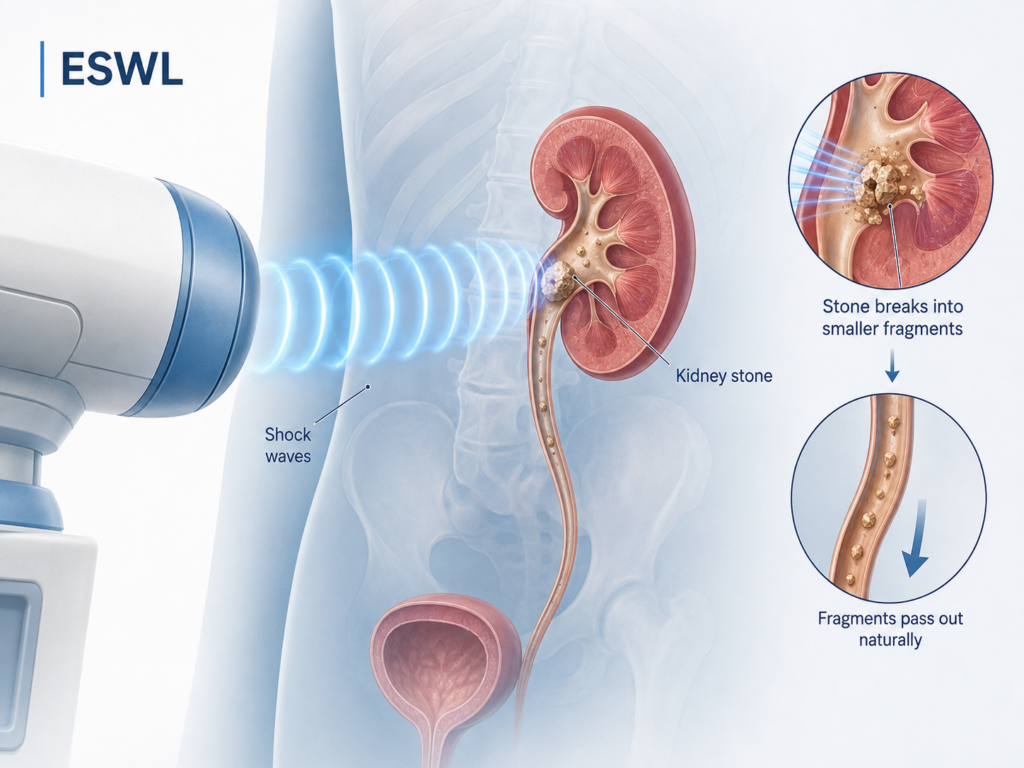
Patients may receive pain medication, sedation, or anesthesia. The shock waves are delivered in a controlled sequence to fragment the stone rather than remove it immediately.
Effectiveness depends on stone size, location, hardness, composition, body anatomy, and the distance between the skin and stone. Dense stones, including some cystine, brushite, and calcium oxalate monohydrate stones, may be more resistant.
Some patients need multiple sessions or another procedure. Follow-up imaging checks fragmentation and determines whether further treatment is needed. Overall, ESWL offers selected patients a less invasive way to treat urinary stones without an incision.
🩺 Types of Extracorporeal Shock Wave Lithotripsy
- Kidney Stone ESWL – Shock wave lithotripsy can be used for appropriately selected renal stones located within the kidney. Stone size, position within the kidney, density, anatomy, and likelihood of fragment clearance are considered before treatment is recommended.
- Ureteral Stone ESWL – Selected stones located in the ureter may also be treated with extracorporeal shock waves. Treatment suitability depends partly on the exact position of the stone, whether it can be accurately targeted, and whether urine can drain normally beyond the stone.
🩺 Who Is a Good Candidate?
Extracorporeal Shock Wave Lithotripsy may be suitable for patients with kidney or ureteral stones that require active treatment but can be safely and effectively targeted from outside the body. Careful patient selection is important because ESWL is not equally effective for every type of urinary stone.
✔️ Patients with kidney stones that are unlikely to pass naturally or continue to cause pain, urinary symptoms, or other clinical concerns.
✔️ Individuals with selected ureteral stones that can be clearly located and targeted using appropriate imaging.
✔️ Patients with stones of a size and density considered suitable for shock wave fragmentation.
✔️ Individuals seeking a non-invasive urinary stone treatment when ESWL is considered medically appropriate.
✔️ Patients whose urinary anatomy allows stone fragments to pass through the urinary tract after treatment.
📝 Consultation & Preparation
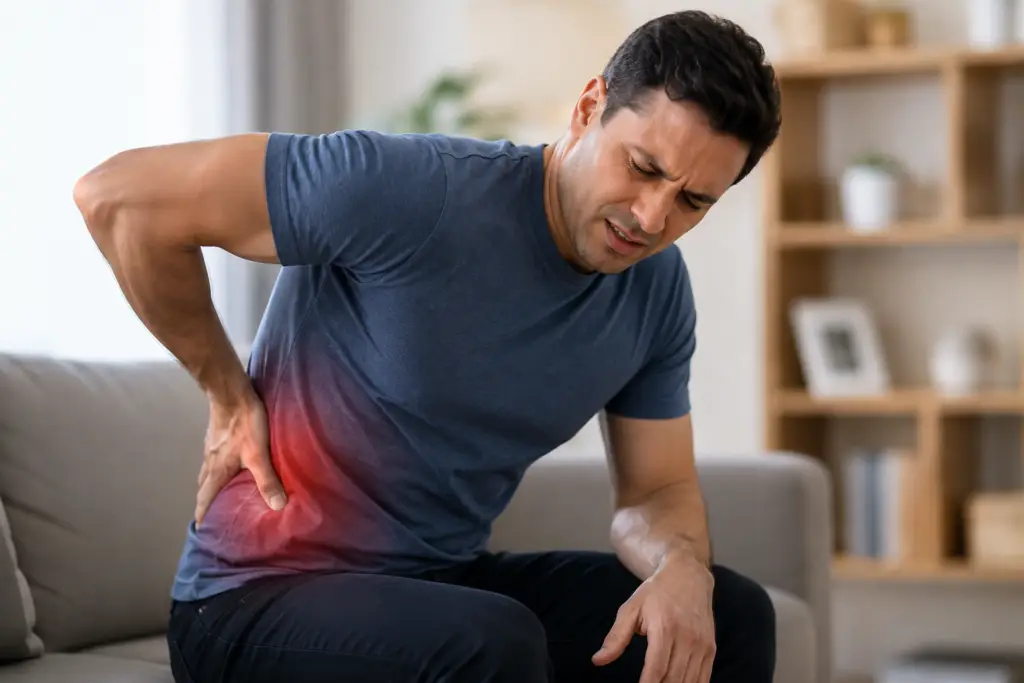
Consultation before Extracorporeal Shock Wave Lithotripsy focuses on confirming that ESWL is both safe and likely to provide an effective result. The urologist evaluates the stone itself as well as the patient’s urinary anatomy, health history, medications, and previous stone treatments.
✔️ A detailed review of kidney stone or ureteral stone symptoms, including pain, urinary changes, previous infections, nausea, or previous episodes of stone passage.
✔️ Review of diagnostic imaging to determine the number, size, exact location, and characteristics of the urinary stones.
✔️ Urine testing may be performed to check for urinary tract infection before treatment, because an uncontrolled infection should be addressed before ESWL.
✔️ Blood testing may be requested to evaluate kidney function, blood counts, clotting status, or other factors relevant to treatment safety.
🩺 Recovery & Aftercare
Recovery after Extracorporeal Shock Wave Lithotripsy is usually brief, but stone fragments may take days or weeks to pass. Mild discomfort, blood in the urine, soreness, bruising, or intermittent pain can occur as fragments move through the urinary tract.
✔️ Mild blood or a pink color in the urine can occur for a short period after ESWL and should gradually improve.
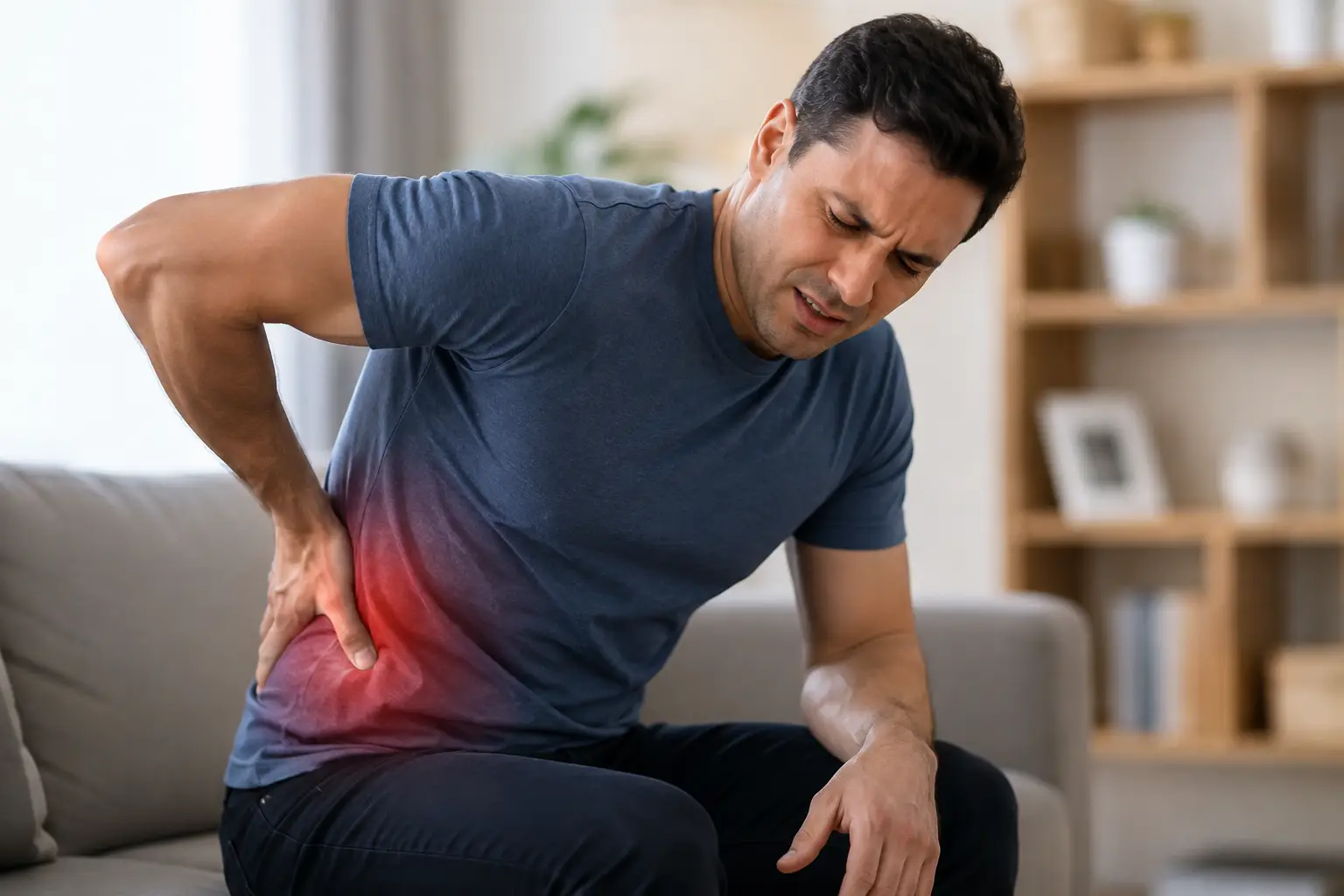
✔️ Patients may experience flank, abdominal, or urinary discomfort while stone fragments move through the urinary tract.
✔️ Adequate hydration may be recommended to support urine flow and help small stone fragments pass, unless a medical condition requires fluid restriction.
✔️ Some patients may be prescribed medication to help relax the ureter and facilitate the passage of stone fragments when clinically appropriate.

🌍 Why Choose Xiamen Humanity Hospital for Extracorporeal Shock Wave Lithotripsy?
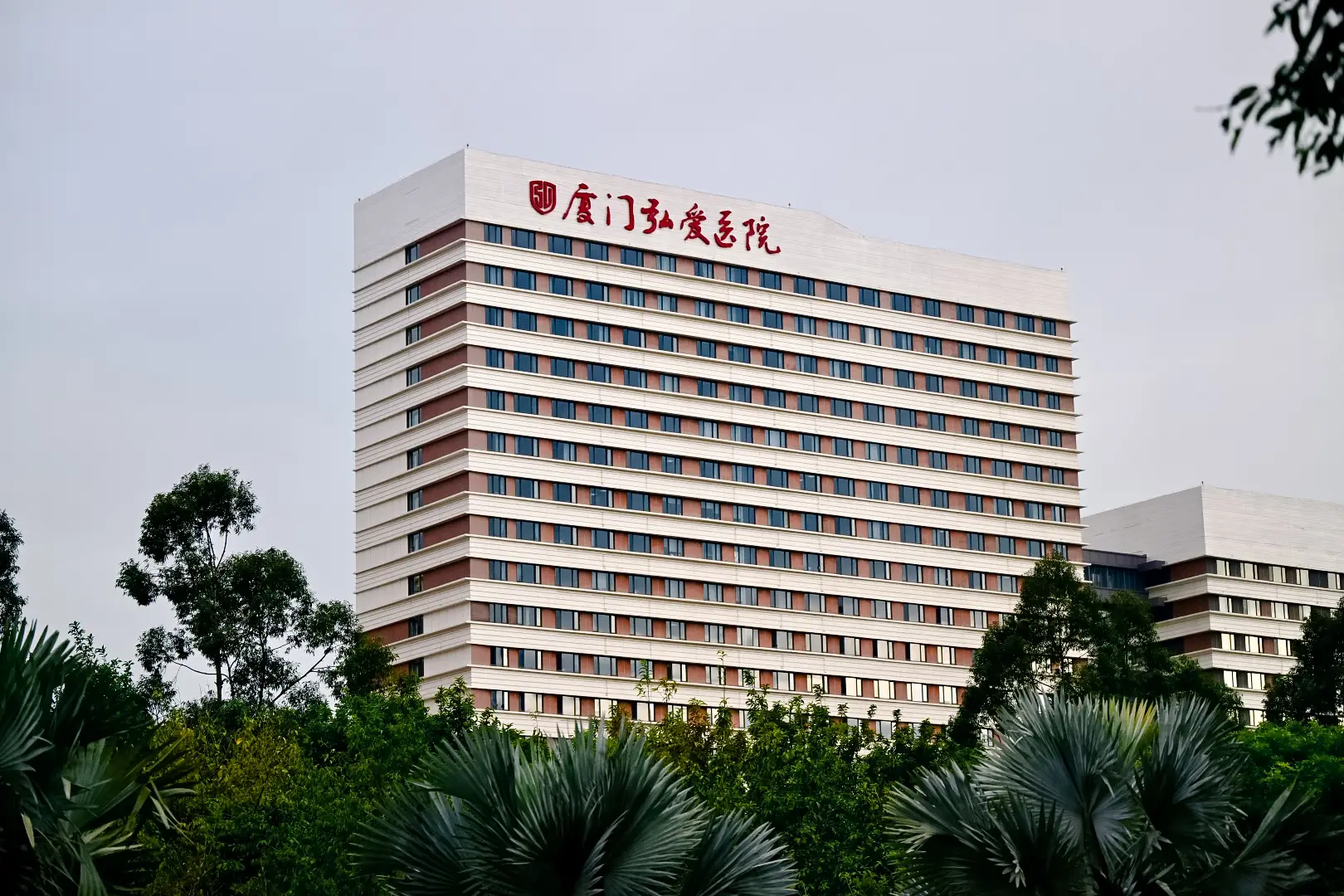
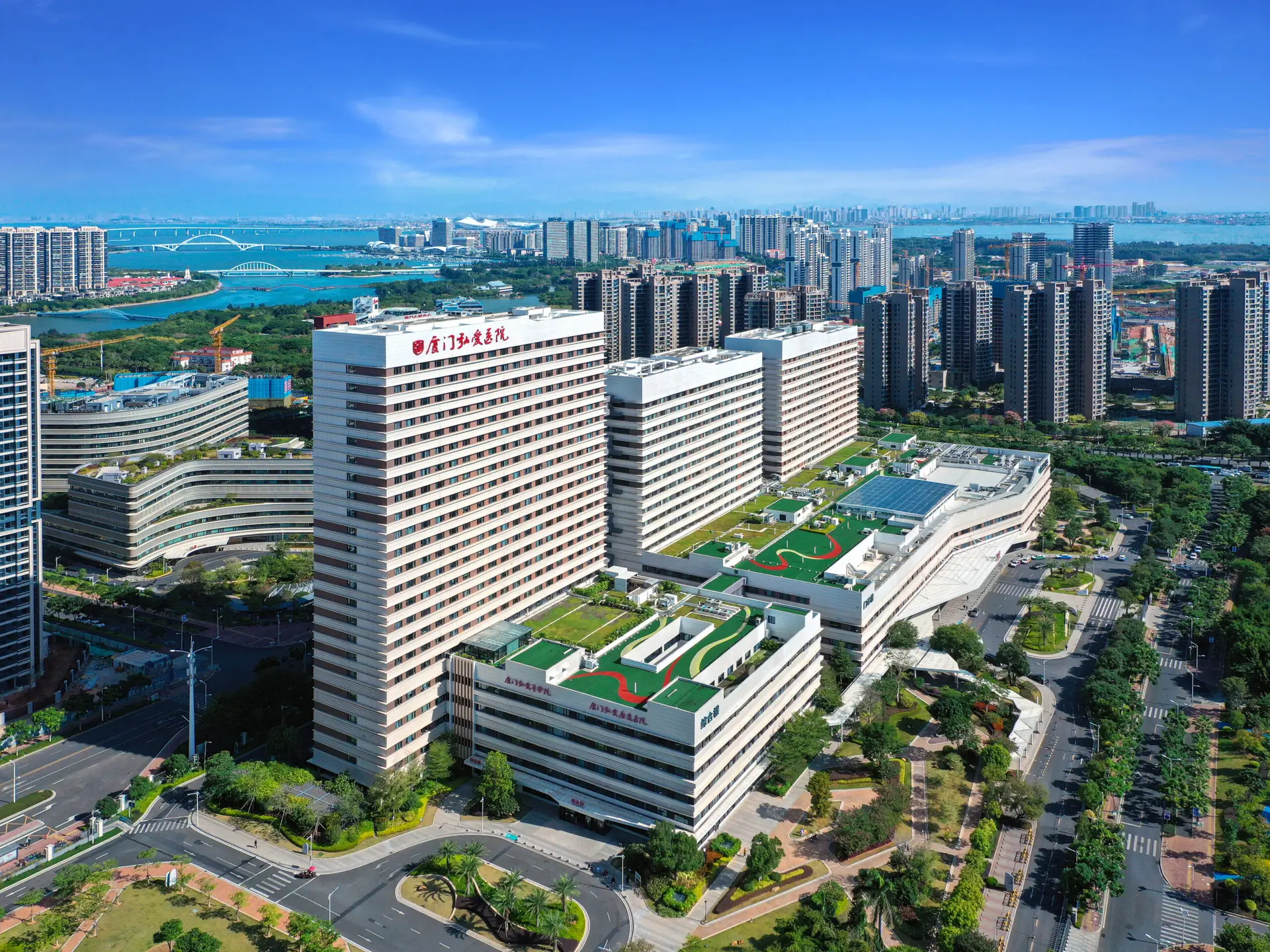
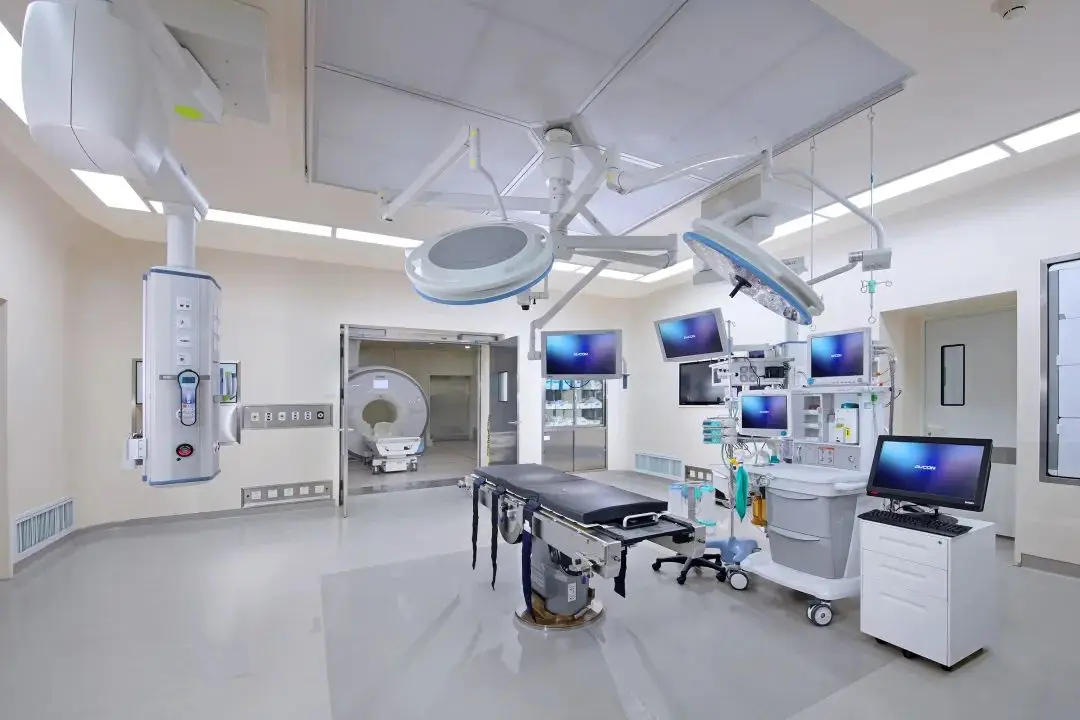
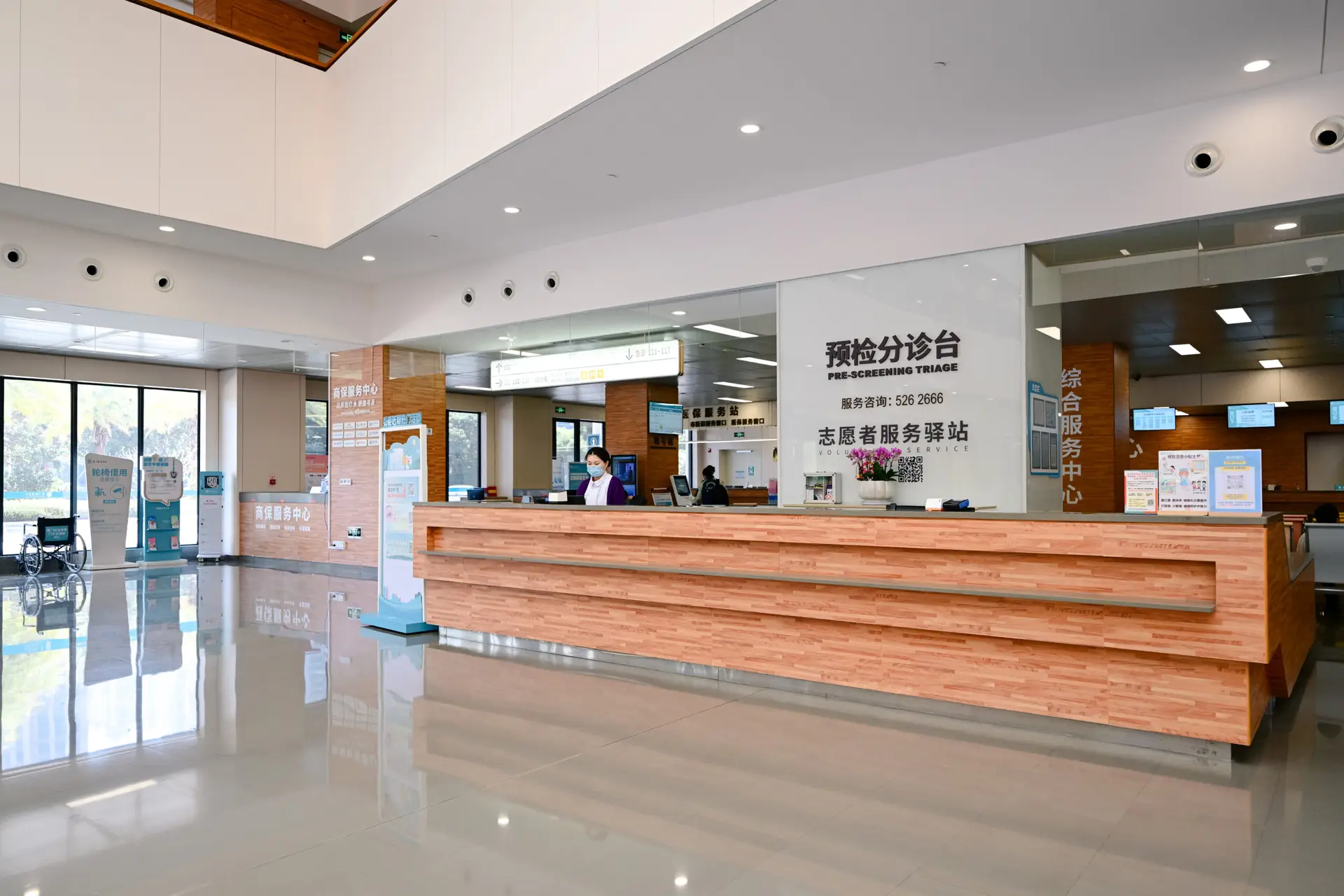
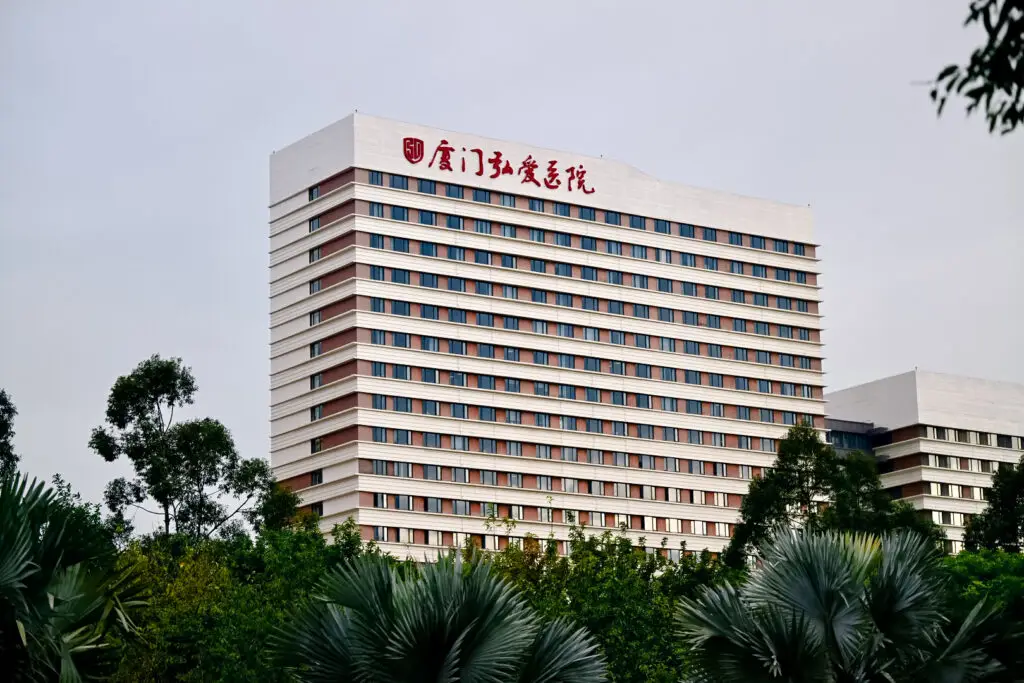
Choosing a hospital for kidney stone treatment involves more than selecting a lithotripsy machine. Diagnosis, patient selection, imaging, urological expertise, treatment options, and follow-up all matter. Xiamen Humanity Hospital is a tertiary non-profit hospital serving local and international patients. Its Urology Department offers urinary stone management and minimally invasive procedures, with extracorporeal shock wave lithotripsy and other technologies for complex cases.
✔️ Extracorporeal shock wave lithotripsy equipment available within the hospital’s urological technology platform.
✔️ ESWL is specifically listed among the hospital’s medical service items with imaging monitoring.
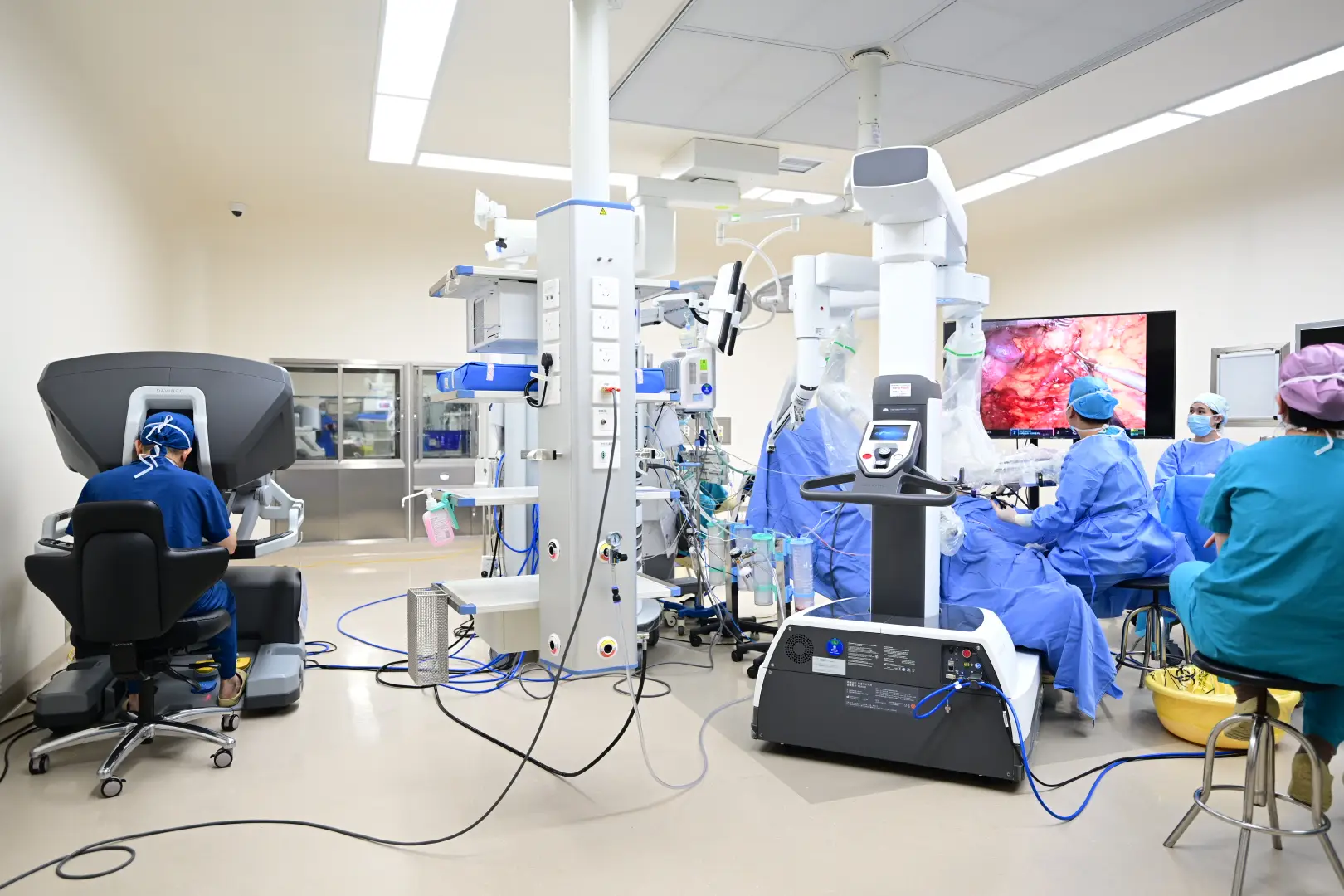
✔️ Broader stone-management capabilities include ureteroscopy, percutaneous nephrolithotomy, holmium laser treatment, and EMS stone fragmentation and removal technology.
✔️ Urology specialists with experience in comprehensive and minimally invasive treatment of urinary tract stones, including extracorporeal shock wave treatment.