
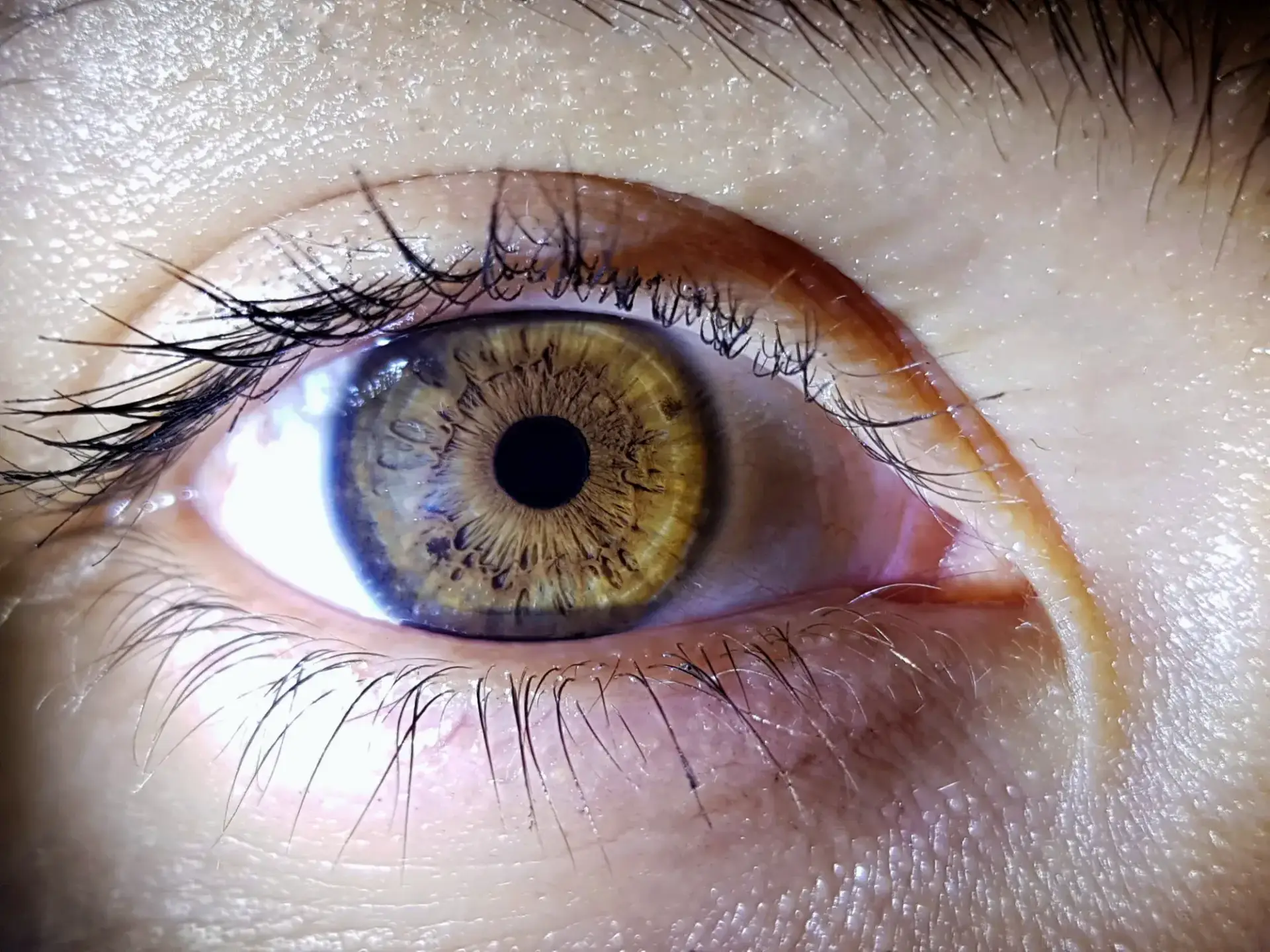


LASIK and laser eye surgery abroad is one of the most sought-after medical travel procedures — fast recovery, minimal disruption to travel plans, and savings of up to 75% versus US pricing. In the US, bilateral (both eyes) laser correction costs $4,000–$8,000. In Turkey, the same procedure using the latest Wavelight or Zeiss platforms starts at $1,000 for both eyes. If you’ve been putting off permanent vision correction because of cost, this guide breaks down exactly what you’ll pay in five top destinations — and what to verify before booking.
Price Comparison by Country
| Country | Average Cost (Both Eyes) | Savings vs. US | Why It’s Affordable |
|---|---|---|---|
| Turkey | $1,000–$2,000 | ~70–85% | Istanbul ophthalmology centers with Wavelight/Zeiss platforms, bladeless LASIK standard |
| Mexico | $1,400–$2,400 | ~65–80% | US-trained ophthalmologists, border-proximity for same-day returns |
| Colombia | $1,200–$2,000 | ~70–85% | Bogotá eye centers with SMILE and Femto-LASIK, board-certified refractive surgeons |
| Greece | $1,600–$2,800 | ~60–75% | EU-standard clinics, Z-LASIK platforms, ophthalmologist-led centers |
| Costa Rica | $1,600–$2,600 | ~60–75% | English-speaking ophthalmologists, modern equipment in San José private clinics |
Turkey — from $1,000 Both Eyes (Latest Laser Platforms, Bladeless Standard)
Istanbul’s ophthalmology centers have invested heavily in the same laser platforms used by top US and European clinics — Wavelight EX500 and Zeiss MEL 90 systems are standard, and bladeless (all-laser) LASIK is the default, not an upgrade. Quoted prices from $1,000 for both eyes include pre-op corneal topography and wavefront mapping, the procedure itself, a post-op drops kit, and a follow-up appointment. Turkey’s refractive surgery volume means these centers perform hundreds of procedures per week — the equipment gets extensive use and the teams are highly experienced.
Clinics in Turkey
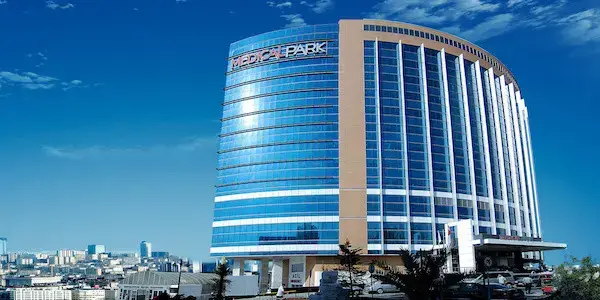
Medical Park Hospital. Turkey’s Largest Private Hospital Network for Advanced Care. Medical Park Hospital…
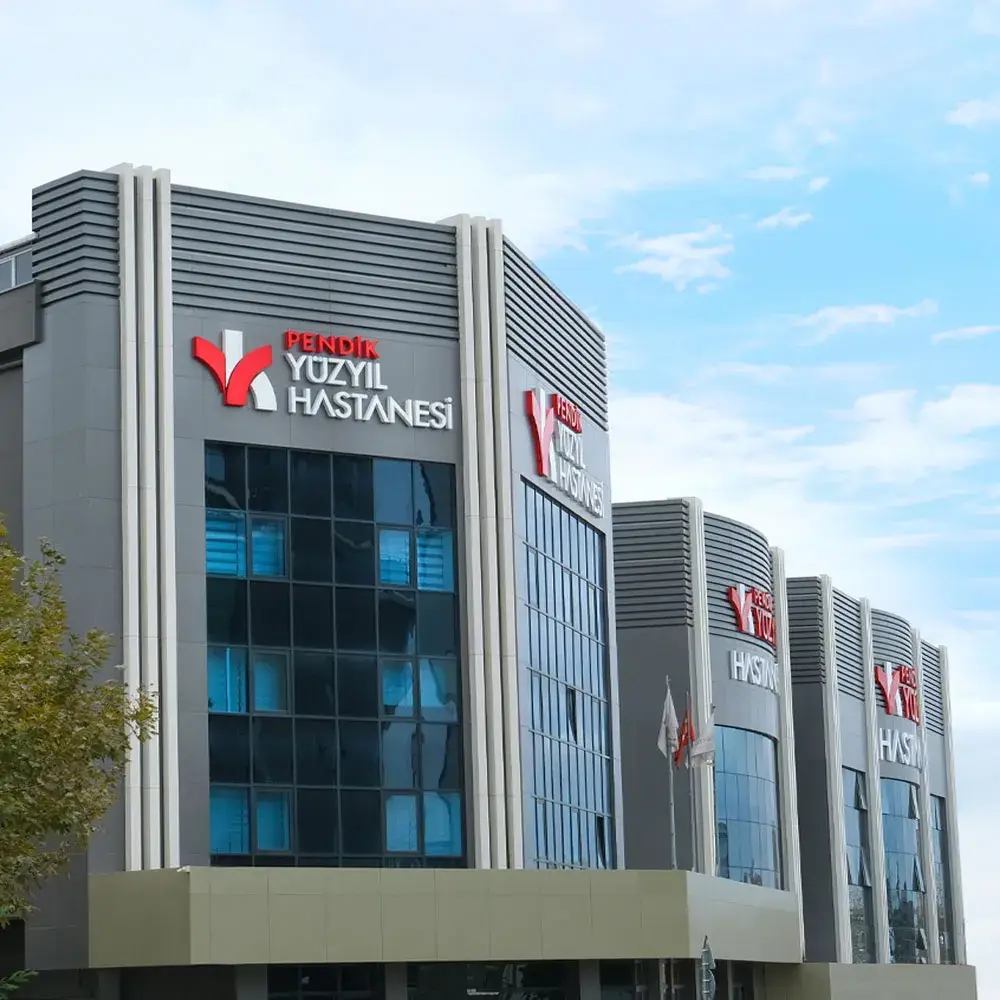
Pendik Yüzyıl Hospital. Comprehensive Healthcare in Istanbul's Asian Side. Pendik Yüzyıl Hospital is a…
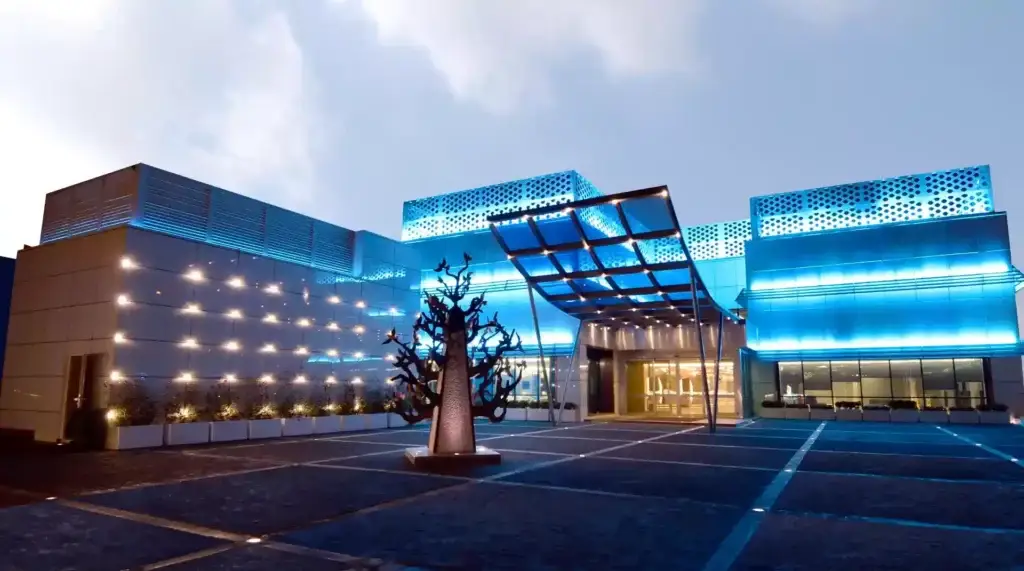
Liv Hospital. Turkey’s Premier Destination for Advanced Medicine & International Healthcare. Liv Hospital Istanbul…
Eye Refractive Surgery Procedures in Turkey
Mexico — from $1,400 Both Eyes (US-Trained Ophthalmologists, Border Proximity)
Mexico is the natural first choice for Americans and Canadians who want LASIK abroad without a long international flight. US-trained ophthalmologists in Guadalajara operate fully equipped refractive surgery centers, and border-area clinics make same-day return flights possible for patients in the American Southwest. Prices from $1,400 for bilateral correction include pre-op corneal mapping, wavefront-guided treatment, the post-op drops kit, and follow-up. Mexican clinics are particularly well-practiced at coordinating care with US-based optometrists for follow-up continuity.
Clinics in Mexico
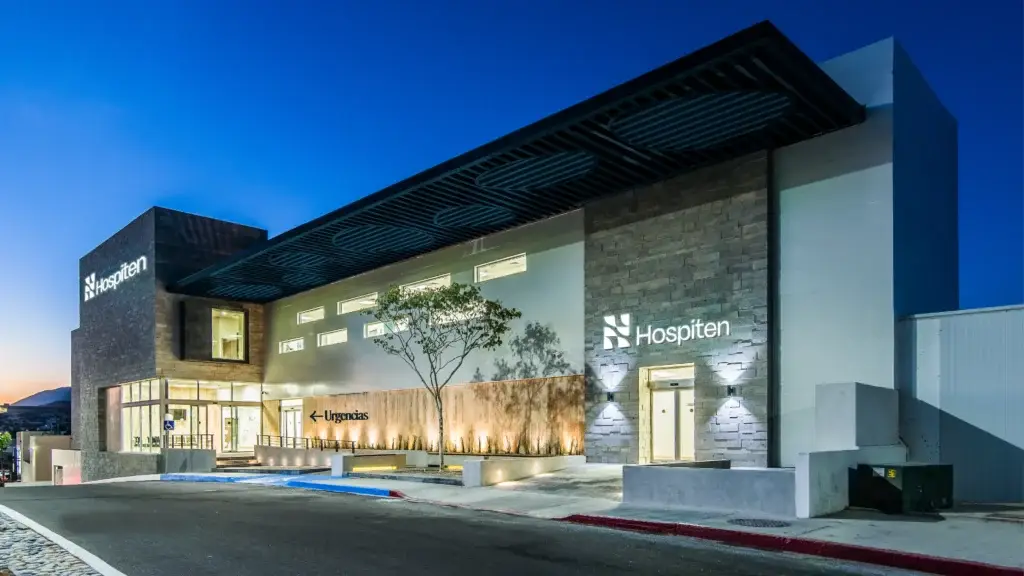
Hospiten. International Hospital Network for Advanced Healthcare & Medical Tourism. Hospiten is an international…
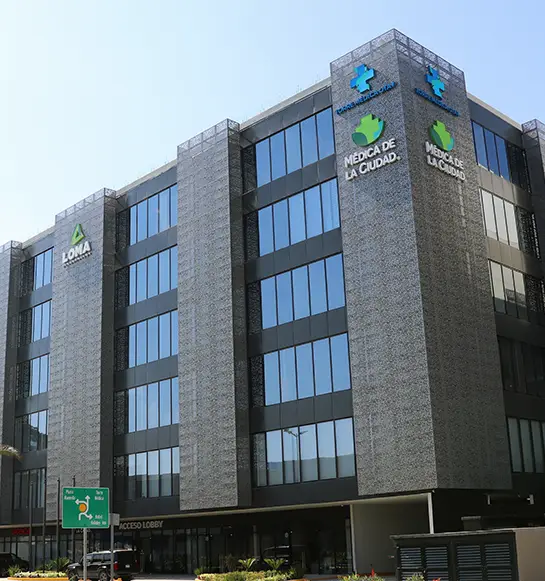
Médica de la Ciudad. Advanced Private Healthcare Network in Mexico for International Patients. Médica…
Eye Refractive Surgery Procedures in Mexico
Colombia — from $1,200 Both Eyes (SMILE and Femto-LASIK Available)
Bogotá’s ophthalmology centers offer the full menu of modern refractive procedures — LASIK, SMILE (Small Incision Lenticule Extraction), Femto-LASIK, and PRK — at $1,200–$2,000 for bilateral correction. Board-certified refractive surgeons determine candidacy individually and won’t rush a procedure if your corneal profile isn’t ideal for LASIK. Colombia is a particularly strong option for patients who’ve been told they may be SMILE candidates (thinner corneas, larger pupils) and want to access the procedure at a significant discount compared to the US price of $4,000–$6,000 for SMILE.
Clinics in Colombia
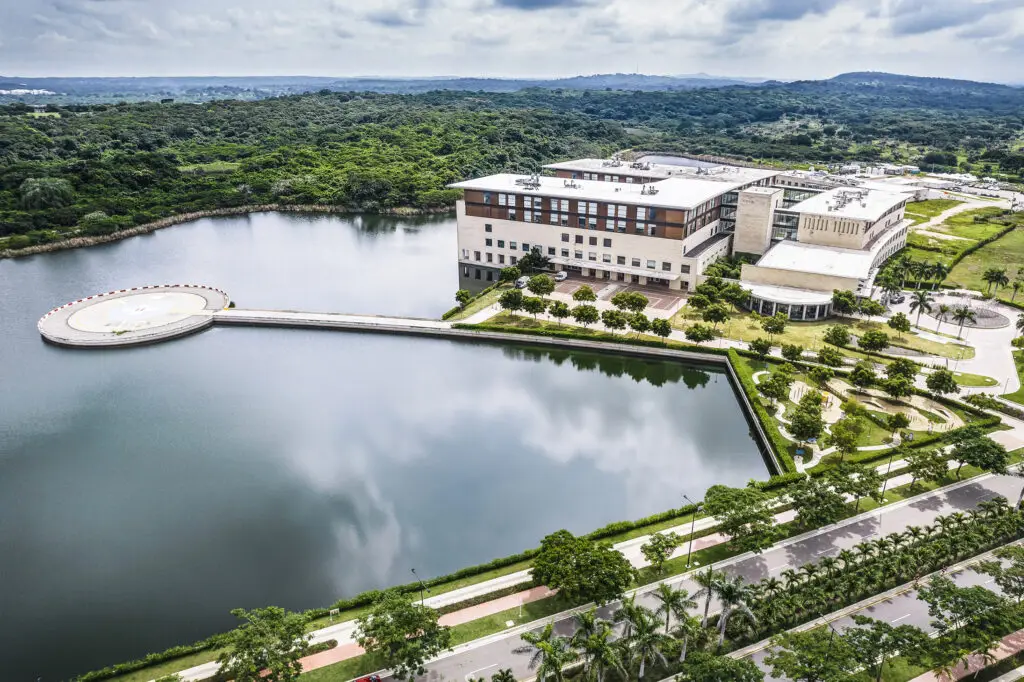
Hospital Serena del Mar – Carlos Haime – is the most modern high-complexity medical…
Eye Refractive Surgery Procedures in Colombia

Eye Refractive Surgery in Medellin, Colombia
Eye refractive surgery in Medellin, Colombia, provides cutting-edge solutions to improve vision and reduce…
Greece — from $1,600 Both Eyes (EU-Standard Clinics, Ophthalmologist-Led)
Greece’s private ophthalmology clinics in Athens operate under EU medical device and clinical standards, and notably these centers are ophthalmologist-led — the surgeon who approves your candidacy also performs your procedure. Z-LASIK and Femto-LASIK platforms are available at leading Athens centers, and the quoted $1,600–$2,800 bilateral price covers pre-op corneal topography, wavefront mapping, the bilateral procedure, drops kit, and one-week follow-up. Greece appeals strongly to European patients and to international travelers who want EU-level oversight without traveling to Germany or the UK at European pricing.
Clinics in Greece
Eye Refractive Surgery Procedures in Greece
Costa Rica — from $1,600 Both Eyes (English-Speaking, Modern Equipment)
San José’s private ophthalmology clinics have invested in modern excimer and femtosecond laser platforms and staff English-speaking ophthalmologists experienced with international patients. Costa Rica is a practical choice for North American patients who want a brief, pleasant recovery environment after their procedure — most LASIK patients are functional within 24 hours and can enjoy the country’s natural setting while their vision stabilizes. Prices from $1,600 include full pre-op mapping, bilateral treatment, a drops kit, and follow-up.
Clinics in Costa Rica
Eye Refractive Surgery Procedures in Costa Rica
Is Cheap Safe? What to Check Before Booking
- Wavefront-guided (custom LASIK), not basic broad-beam: Confirm the procedure is wavefront-guided or wavefront-optimized — this is the standard of care. Basic broad-beam LASIK (older technology) produces inferior outcomes and should not be offered at quality centers regardless of price.
- Corneal thickness minimum: Before any LASIK or SMILE procedure, your pre-op corneal mapping must confirm a minimum residual stromal bed of 250 microns post-treatment. Verify that the clinic actually performs this measurement and shares the results with you.
- Surgeon approval of candidacy — not just a technician: A qualified ophthalmologist (not a technician or optometrist) must review your corneal topography and approve your candidacy before the procedure date is set. Ask who specifically reviews your scans.
- Equipment age and service records: Ask when the laser platform was last serviced and calibrated. Reputable centers maintain service records and will share this information.
What’s Usually Included in the Quoted Price
Most laser eye surgery packages abroad include pre-operative corneal topography and wavefront mapping, the bilateral procedure itself, a post-operative drops kit (antibiotic and lubricating drops for the first week), and a one-week follow-up appointment. What is typically not included: enhancement procedures (though reputable clinics often offer a free enhancement within the first 12 months if your correction regresses), extended enhancement warranties beyond that window, long-term dry eye treatment if it develops, and accommodation or airport transfers. Ask specifically about the enhancement policy — it’s one of the most important things to have in writing before you travel.
Frequently Asked Questions
What’s the difference between LASIK, PRK, and SMILE?
LASIK creates a corneal flap, reshapes the tissue underneath, and replaces the flap — fast recovery (functional vision within 24 hours) but requires sufficient corneal thickness. PRK removes the surface epithelium, reshapes the cornea directly, and lets the surface regenerate — slower recovery (3–5 days of significant blur) but no flap, making it better for thin corneas or contact sports athletes. SMILE is a newer, flapless procedure using only a femtosecond laser — suitable for some patients who aren’t ideal LASIK candidates, with minimal dry eye side effects. Your surgeon will recommend the right procedure based on your corneal map, not just price.
What are the candidacy requirements?
You must have had a stable prescription for at least 12 months (ideally 2 years). Your corneal thickness must be sufficient (typically at least 480–500 microns pre-op, with at least 250 microns residual after treatment). Prescription range must fall within the laser’s correction range (typically up to -10 diopters for myopia, +4 for hyperopia, and 6 diopters of astigmatism). Dry eye disease, corneal irregularities (keratoconus), and autoimmune conditions may disqualify you — these will be screened during the pre-op mapping.
Is dry eye a real risk after LASIK?
Yes — dry eye is the most common side effect of LASIK, affecting 20–40% of patients in the first 3–6 months. Most cases are mild and resolve with lubricating drops. Patients with pre-existing dry eye disease are at higher risk and may be better candidates for PRK or SMILE. A thorough pre-op evaluation should include a dry eye screening — if your clinic skips this step, it’s a red flag.
Can I fly after LASIK?
Yes — most surgeons clear patients to fly 24 hours after LASIK, provided vision is stable and there are no complications. The cabin environment is dry, which can aggravate temporary dry eye, so bring lubricating drops and use them every 30–60 minutes during the flight. For PRK patients, flying is generally recommended after 5–7 days when the surface epithelium has healed. Confirm your specific surgeon’s recommendation at discharge.
Are the results permanent?
Laser vision correction permanently reshapes the cornea — the correction itself does not “wear off.” However, LASIK does not stop age-related vision changes. If you have the procedure at 30, you may develop presbyopia (reading vision changes) by your mid-40s, which is unrelated to your LASIK outcome. Myopia regression is uncommon with modern wavefront-guided LASIK but can occur, particularly in very high prescriptions — this is why the enhancement policy matters.
Ready to Get Laser Eye Surgery at a Fraction of the US Price?
MyMediTour connects you with verified clinics offering transparent pricing and no hidden fees.
Recommended Ophthalmology Clinics in Mexico
Trusted clinics specializing in Ophthalmology across Mexico.
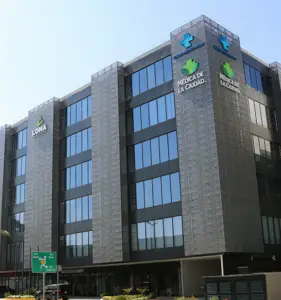
Medica De La Ciudad
Médica de la Ciudad. Advanced Private Healthcare Network in Mexico for International Patients. Médica de la Ciudad…

Hospiten
Hospiten. International Hospital Network for Advanced Healthcare & Medical Tourism. Hospiten is an…
Explore Tours in Mexico
Discover the best places to visit in Mexico and explore its rich culture, breathtaking landscapes, iconic attractions, and unforgettable travel experiences.

Mexico: Cancun: Snorkeling in Tulum’s Reef
Embark on a truly unique snorkeling adventure in Tulum, offering exclusive access to two breathtaking reef…
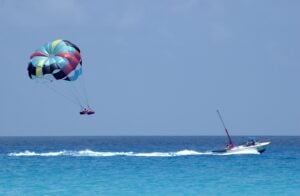
Mexico: Sky Rider Experience
Experience Cancun from a whole new perspective on the Sky Rider, a thrilling yet serene ride that lifts you high…

Mexico: Cancun: Cancun and Riviera Maya Private Tour
A private tour in Cancun and the Riviera Maya offers the ultimate way to experience the region’s unparalleled…

Mexico: Cancun: Chichen Itza, Cenote & Valladolid Tour
Uncover the history and beauty of the Yucatán Peninsula on this immersive tour. Your journey begins at Chichen…
More Ophthalmology Articles About Mexico
Keep reading about Ophthalmology care and travel in Mexico.

Best Countries for Eye Lasik Surgery in the World
LASIK surgery is one of the most researched, most performed, and most successful elective procedures in the…

Pterygium Surgery Cost Without Insurance
For uninsured patients, the cost of eye surgery can be a major concern—especially when the condition affects…
Leave a Comment
Share your thoughts on this article, or ask us a question -- we'd love to hear from you.