

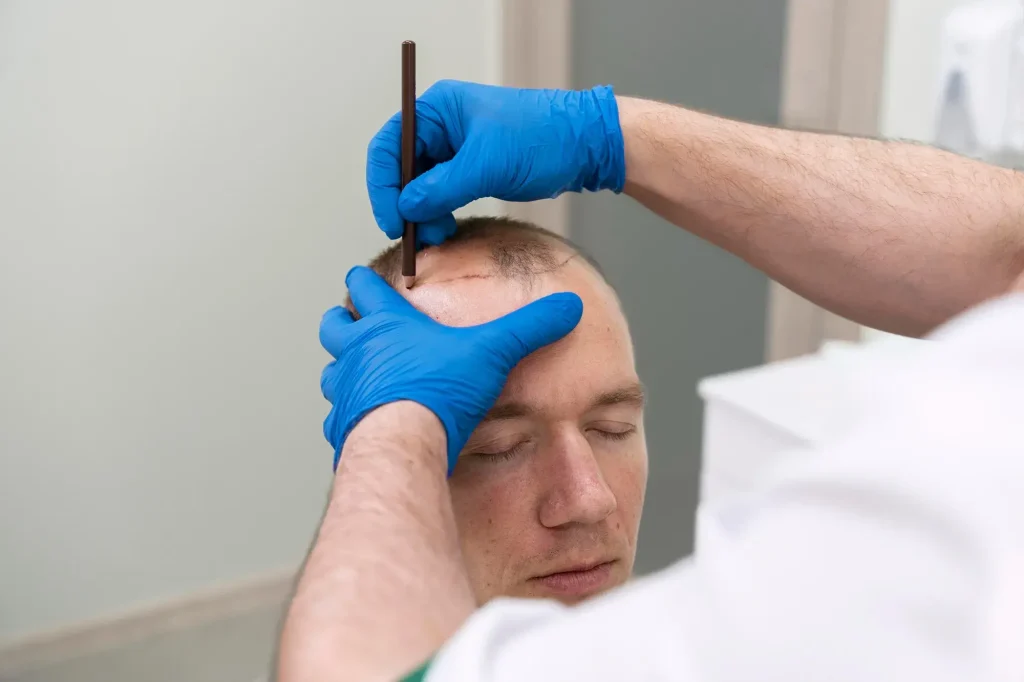
DHI Hair Transplant — Medical Tourism Blog

Expert articles, guides, and patient stories on DHI Hair Transplant.

×
×

Hair Transplants in Costa Rica Cost and Clinics

Thinking about restoring your hairline abroad? Costa Rica has become a go-to destination for men and women seeking high-quality, affordable hair restoration with a side of tropical sunshine. This guide walks you through everything—techniques, candidacy, costs, how to choose a clinic, what recovery feels like, and how to plan your trip—so you can make a confident, well-informed decision. Why Costa Rica for Hair Restoration?. International-standard care at lower prices: Modern clinics, English-speaking medical teams, and outcomes comparable to North America/Europe, often at 40–70% lower total cost. Experienced surgeons: Many physicians trained or certified with international societies and use microscopic graft preparation and strict graft-handling protocols. Ease of travel: Well-connected flights into San José (SJO) and Liberia (LIR), medical-tourism-savvy hotels, and clinic-provided transfers. Recovery-friendly setting: Warm climate, quality accommodations, and plenty of quiet spaces to rest during the first week. Good to know: Always verify a surgeon’s personal experience (years in hair surgery, cases per year, and before/after portfolio) rather than relying on clinic marketing alone. Are You a Candidate?. You’re likely a good candidate if you have:. Pattern hair loss (male/female androgenetic alopecia) with a stable medical history. Adequate donor supply at the back/sides of the scalp (or beard/chest hair for select cases). Realistic goals about hairline design and density. You may need a different plan if you have: active scalp disease, uncontrolled medical conditions, unrealistic density goals, or very limited donor hair. A reputable clinic will offer medical therapy (finasteride/minoxidil/low-level laser) or staging the transplant over time. Techniques Explained (FUE vs. FUT vs. DHI). FUE (Follicular Unit Excision). Individual grafts are punched and extracted. Pros: No linear scar, quicker gym return, flexible hairstyles. Cons: Shaving often required; overharvesting can thin the donor if poorly planned. FUT/Strip (Follicular Unit Transplantation). A narrow strip is removed; grafts are dissected under microscopes; the donor is sutured. Pros: Efficient for large sessions, preserves surrounding donor hair. Cons: Linear scar (usually hidden), slightly longer wound care. DHI (Direct Hair Implantation). A variation of FUE where grafts are placed with implanter pens. Pros: Precise angle and direction; can minimize out-of-body time. Cons: Similar fundamentals and outcomes to well-done FUE; success still depends on the team. Which is “best”?. Outcomes depend more on planning, graft handling, and team skill than on the acronym. Choose the surgeon, not just the technique. What Happens During a Hair Transplant (Step-by-Step). Design & planning: Hairline mapping, donor assessment, graft number estimate (e.g., 1,800–3,000+ for hairline/temples; crown often needs more). Preparation: Photos, trimming (FUE), local anesthesia, mild oral sedation. Harvesting: FUE punches or FUT strip; grafts kept in chilled, sterile solution. Site creation: Surgeon makes recipient sites controlling angle, direction, and density. Placement: Technicians or surgeon/tech team place grafts with forceps or implanter pens. Dressings & instructions: You’ll leave with a care kit and detailed aftercare. Time in chair: 5–9 hours for typical sessions; megasessions may span 2 days. Expected Results & Timeline. Days 1–7: Redness, tiny scabs; sleep head elevated. Weeks 2–6: Transplanted hairs shed (normal!). Months 3–4: Early regrowth; texture is thin and fuzzy. Months 6–8: Noticeable improvement; style starts to cooperate. Months 12–15: Final density and caliber; subtle refinements can continue. Risks & How Clinics Reduce Them. Common: Swelling, redness, temporary shock loss, ingrown hairs, folliculitis. Less common: Poor growth from graft trauma/overheating/drying, unnatural hairline, donor depletion. Minimization: Proper graft hydration, gentle handling, realistic density per cm², conservative donor planning, and surgeon-led site creation. Cost of Hair Transplants in Costa Rica (Typical Ranges). Hair transplants in Costa Rica typically range from USD 2,800 to USD 4,500 for an average session of around 2,000–3,000 grafts, with the total price varying based on the number of grafts required, the technique used (FUE, DHI, or FUT), the size of the treatment area, and the surgeon’s experience. Smaller procedures for mild thinning can start around USD 2,000–2,500, while more advanced restorations with a higher graft count or specialized techniques may reach USD 5,000 or more. Many clinics offer packages that include consultation, anesthesia, post-operative care, and follow-up visits, making the treatment both affordable and convenient for international patients seeking natural-looking results at a lower cost compared to the U.S. or Canada. Important: Prices vary by surgeon reputation, technique, graft count, anesthesia, add-ons (PRP, exosomes), and aftercare. Use these as orientation ranges, not quotes. ProcedureTypical Range (USD)Notes. FUE (1,500–2,500 grafts)$3,200 – $6,200Many hairline/front-third cases fall here. FUE (2,500–3,500+ grafts)$5,000 – $9,000Larger sessions and crown work cost more. FUT (strip)$3,000 – $7,000Efficient for higher graft numbers. Beard/eyebrow FUE$1,800 – $3,500Smaller, specialized work. PRP add-on (per session)$150 – $400Optional biologic support. Per-graft estimates: roughly $1.5–$3.0 per graft in Costa Rica, with premier surgeons at the higher end. A personalized plan after an online consult is the only way to get a precise quote. How Many Grafts Do I Need?. Conservative hairline & temples: 1,200–1,800 grafts. Hairline + mid-scalp: 2,000–3,000 grafts. Crown (variable): 1,500–3,500+ grafts depending on size and hair characteristics. Scar repair / touch-ups: 300–800 grafts. Thickness, curl, and contrast between hair and skin can make fewer grafts look fuller. Your surgeon will simulate density to match your goals and donor limits. Choosing a Clinic in Costa Rica: A Checklist. Surgeon credentials: Ask who designs the hairline, creates the sites, and supervises graft handling. Case volume & photos: Look for many consistent, well-lit before/after sets with angles and close-ups, not just a few “hero” cases. Graft accounting: Transparent documentation of harvested vs. placed grafts. Team stability: How long have the technicians worked together?. Anesthesia & safety: Emergency protocols, sterile processing, and peri-operative medications. Donor management policy: Conservative extraction patterns and long-term planning. Aftercare support: Clear instructions, virtual follow-ups at 1, 3, 6, and 12 months. Contracts & inclusions: Does the package cover meds, shampoo kit, PRP, hotel, and transfers?. Top Areas to Consider. San José & Escazú: Largest concentration of private surgical centers and medical-tourism hotels; easy airport transfers. Guanacaste (Liberia): Ideal if you want a resort recovery; fewer specialized clinics—many patients still fly into SJO for surgery and rest by the coast afterward. Pre-Op Preparation. 3–4 weeks out: Stabilize shedding with medical therapy if advised; stop smoking; disclose all meds. 7–10 days out: Avoid blood thinners/NSAIDs/alcohol as instructed; arrange time off work. Day before: Gentle wash, hydrate, confirm ride and payment method, pack button-down shirts. What to bring: loose hat/hoodie (not tight caps), neck pillow, saline spray, microfiber towel, phone/tablet, and entertainment for the clinic day. Aftercare: What the First Week Looks Like. Sleeping: 30–45° elevation for 3–4 nights to reduce swelling. Washing: Clinic-specific gentle soak/suds/rinse routine begins day 2–3; do not pick scabs. Activities: Light walks okay day 2; avoid gym/sauna/pools/alcohol for ~10–14 days. Sun: Strict protection; UV can darken redness and irritate grafts. Sample 7-Day Medical-Tourism Itinerary. Day 0 (Arrival): Check-in, pre-op consult, labs/photos. Day 1 (Surgery): FUE/FUT session; back to hotel with aftercare kit. Day 2: First wash at clinic, swelling control; rest/read/stream. Day 3–4: Short city walks, light meals, clinic check. Day 5–6: Redness/scabs settling; photo check-in. Day 7: Clearance to fly; continue remote follow-ups at home. Alternatives & Adjuncts. Medical therapy: Finasteride/dutasteride (men), minoxidil (topical/oral per physician), low-level laser therapy. PRP/exosomes: May support hair quality; evidence varies—best as an adjunct. SMP (Scalp Micropigmentation): Cosmetic camo for thinning or scars. Hair systems/wigs: Non-surgical option for extensive loss or limited donor. Frequently Asked Questions. How long will results last?. Transplanted hair is typically permanent (donor-dominant), but native hair can keep thinning. Most patients stay on medical therapy to preserve surrounding hair. Will it look natural?. With proper hairline design and micro-/macro-irregularities, yes. Avoid clinics that promise extreme density in one go—overpacking risks poor growth. Is FUE scarless?. No. FUE creates thousands of tiny dot scars spread out; FUT creates a single linear scar. Both are usually well-hidden with normal hair length. How painful is it?. You’ll feel numbing injections; most describe the procedure as pressure/tugging. Post-op discomfort is typically mild to moderate for 24–72 hours. When can I work out?. Light cardio at 10–14 days; heavy lifting/sauna/swimming usually after 2–3 weeks (follow your surgeon’s timeline). Can women get hair transplants?. Yes—especially for high hairlines, part-line density, or temple framing—after ruling out diffuse unpatterned hair loss or medical causes. Red Flags (Walk Away If You See…). Guaranteed graft counts without donor assessment. Minimal surgeon involvement (technician-run surgery). No sterile protocols or vague answers about complications. Pressure sales, same-day discounts, or refusal to share full-face, multi-angle photo results. Ethical & Safety Notes. Hair transplantation is surgery. Choose clinics that prioritize long-term donor preservation over “max grafts.”. Bring a full medical history and be open about medications and supplements. This guide is informational and not a substitute for medical advice. Always consult a qualified physician. Quick Summary (If You’re Skimming). Costa Rica offers high-quality, affordable hair transplants with modern FUE/FUT/DHI techniques. Expect $3k–$9k for typical sessions depending on grafts/technique/surgeon. Best results come from conservative planning, surgeon-led design, and meticulous graft handling. Plan a 7-day trip for surgery + initial recovery and follow detailed aftercare for optimal growth. Contact MyMediTour for more details.
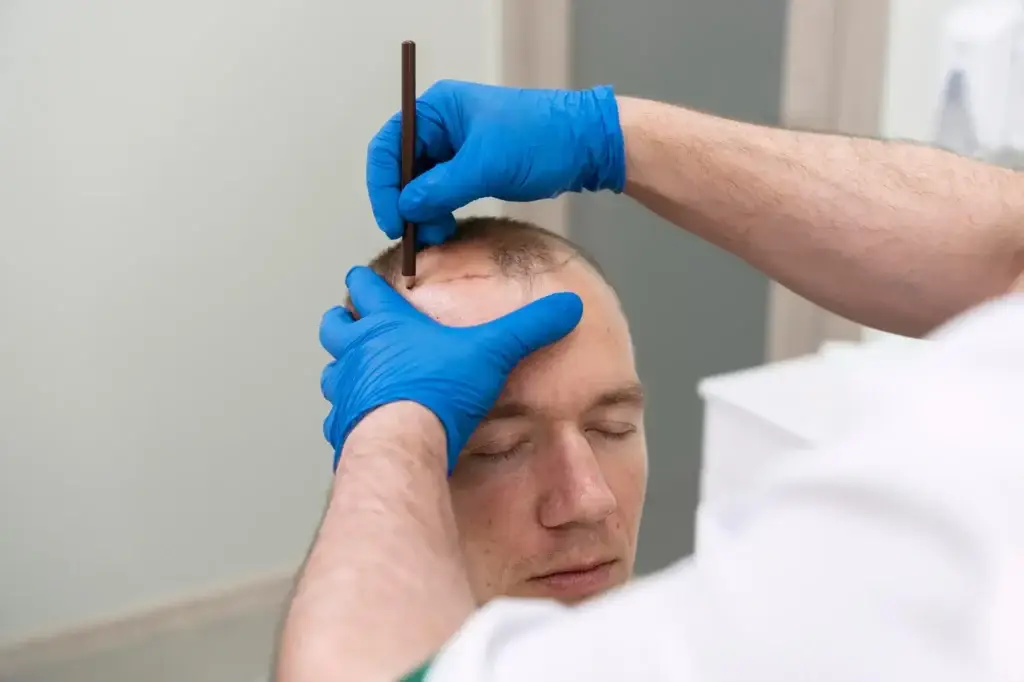
DHI Hair Transplant in Turkey Cost Cost and Clinics

Individuals experiencing hair thinning or pattern baldness are increasingly seeking advanced solutions beyond traditional methods. Among the most refined techniques available today, Direct Hair Implantation has rapidly gained global attention due to its precision and natural outcomes. Exploring DHI hair transplantation in Turkey provides access to cutting-edge medical expertise combined with affordability, making it one of the most preferred choices for international patients. Undergoing this minimally invasive procedure requires skilled surgeons and advanced tools to ensure accurate follicle placement. Clinics in Turkey operate within structured clinical environments where specialists carefully control the angle, depth, and direction of each implanted graft. Most patients experience natural-looking results with minimal downtime, making DHI a highly effective solution for long-term hair restoration. Testimonial Summary: Restoring Confidence. A young professional dealing with early-stage hair loss chose DHI in Istanbul after researching multiple options. He reported that the precise implantation technique provided a natural hairline and faster recovery compared to traditional methods. Did You Know?. The DHI technique uses a specialized Choi implanter pen, allowing hair follicles to be implanted directly without creating prior incisions. Why Turkey is the Global Hub for DHI Hair Transplants. Turkey has established itself as a leading destination for advanced hair restoration procedures. The combination of highly experienced surgeons and modern clinics has positioned the country at the forefront of DHI technology. The regulatory environment supports medical tourism, allowing international patients to access procedures at significantly lower costs compared to Western countries. This has led to the rapid development of specialized clinics dedicated exclusively to hair transplantation. Searching for reliable DHI hair transplant clinics in Turkey reveals facilities equipped with the latest medical technologies and multilingual staff. These clinics typically follow a patient-centered approach, combining surgical precision with personalized care to ensure optimal outcomes. Facts. Hair transplant procedures in Turkey have grown exponentially, with thousands of international patients visiting annually for advanced techniques like DHI. Tips. Always verify that the clinic is licensed and that the surgeon has extensive experience specifically in DHI procedures. Top Hair Transplant Procedures Available in Turkey. Understanding the Science Behind DHI Hair Transplant. The DHI method stands out due to its unique implantation process, which differs significantly from traditional FUE techniques. During DHI hair transplantation in Turkey, individual hair follicles are extracted and immediately implanted using the Choi pen. This reduces the time follicles remain outside the body, increasing survival rates. The technique allows for precise control over hair placement, ensuring natural density and alignment with existing hair. This level of accuracy is particularly important when designing hairlines and filling smaller areas. Most specialists consider DHI a refined evolution of FUE, offering improved results through advanced instrumentation and surgical expertise. Stat Highlight. Clinical observations suggest that DHI procedures can achieve graft survival rates exceeding 90% when performed by experienced surgeons. Key Advantages of DHI. Precision implantation with controlled angle and depth. Higher graft survival rate. Minimal trauma to scalp tissue. Faster recovery time. Natural-looking hair density. Cost of DHI Hair Transplant in Turkey Compared to Other Countries. Financial transparency is a critical factor for patients considering international treatment. The cost of DHI hair transplantation in Turkey is significantly lower than in the US or Europe while maintaining high medical standards. DHI hair transplant cost in Turkey typically ranges from $2,000 to $5,000, with most reputable clinics offering all-inclusive packages (including procedure, accommodation, and transfers) in this range, although some premium clinics or advanced add-ons can push the price up to around $6,000–$8,000 depending on the number of grafts, surgeon expertise, and clinic quality. Most patients find that the affordability allows them to access premium clinics and comprehensive packages without compromising quality. Procedure TypeAverage Cost in TurkeyUSA/UK Cost. 2,000 Grafts$1,800 – $2,800$6,000 – $10,000. 3,000 Grafts$2,500 – $3,500$8,000 – $12,000. 4,000+ Grafts$3,000 – $5,000$10,000 – $15,000. Alert. Prices vary depending on clinic reputation, surgeon expertise, and number of grafts required. Always request a personalized quote before booking. The Comprehensive Consultation and Screening Process. Before undergoing DHI hair transplantation in Turkey, patients must go through a detailed evaluation process. Clinics typically assess donor hair quality, scalp condition, and overall health to determine suitability. This ensures the procedure is safe and yields optimal results. In addition to physical assessments, surgeons design a customized hairline based on facial structure and patient expectations. This planning stage is essential for achieving natural-looking outcomes. Tips. Share clear photos of your scalp with the clinic before traveling to receive an accurate treatment plan. Common Pre-Procedure Evaluations. Donor area density assessment. Scalp health evaluation. Medical history review. Hairline design planning. What to Expect During the DHI Procedure. Entering a hair transplant clinic can feel overwhelming, but understanding the process helps reduce anxiety. The procedure begins with local anesthesia to ensure a painless experience. Hair follicles are then extracted individually from the donor area. Using the Choi implanter pen, the surgeon directly implants each follicle into the recipient area. This step requires exceptional precision and expertise. The entire process usually takes between 6 to 8 hours, depending on the number of grafts. Did You Know?. Unlike traditional methods, DHI does not require pre-made channels, making it less invasive. Recovery and Hair Growth Timeline. Recovery after DHI hair transplantation in Turkey is relatively smooth and manageable. Patients may experience mild redness and scabbing during the first few days. These symptoms typically resolve within a week. Within the first month, transplanted hair may shed — a normal phase known as shock loss. New hair growth begins within 3 to 4 months. Full results are usually visible within 9 to 12 months, with improved density and natural appearance. Stat Highlight. Most patients observe noticeable hair growth within 4 months after the procedure. Managing Expectations and Results. While DHI offers excellent results, patients must maintain realistic expectations. The outcome depends on factors such as donor hair quality, surgeon expertise, and post-operative care. Choosing a reputable clinic significantly increases the likelihood of achieving natural and long-lasting results. Testimonial Summary: Natural Results. A patient who underwent DHI treatment reported that his new hairline blended seamlessly with existing hair, giving him a completely natural appearance within one year. Who is an Ideal Candidate for DHI Hair Transplant?. DHI is not suitable for everyone, making proper evaluation essential. Ideal candidates are individuals with sufficient donor hair and mild to moderate hair loss. Patients seeking precise hairline restoration benefit the most from this technique. Those with severe baldness or weak donor areas may require alternative methods or combined treatments. Tips. Consult with multiple clinics to compare treatment plans and ensure the best approach for your condition. Risks and Safety Considerations. Although DHI is a safe procedure, minor risks may occur if not performed correctly. Common side effects include temporary swelling, redness, and itching. These usually resolve within a few days. Serious complications are rare when the procedure is performed by qualified professionals in accredited clinics. Facts. Choosing an experienced surgeon significantly reduces the risk of complications and improves overall results. Why International Patients Choose Turkey for DHI. The combination of affordability, expertise, and convenience makes Turkey a top destination for DHI hair transplantation. Patients benefit from all-inclusive packages that simplify the entire process, including accommodation and transportation. The country’s strong reputation in hair restoration continues to attract patients from around the world. How MyMediTour Supports Your Hair Transplant Journey. Navigating international treatment options can be challenging without proper guidance. MyMediTour connects patients with verified clinics specializing in DHI hair transplantation in Turkey. This ensures access to safe, high-quality procedures with transparent pricing. From initial consultation to post-treatment support, the platform helps streamline the entire process for international patients. Key Support. Access to vetted and experienced DHI surgeons. Transparent pricing and treatment plans. Assistance with travel and accommodation. Continuous patient support throughout the journey. Tips. Always use a trusted medical tourism platform to avoid unverified clinics and ensure a safe treatment experience. Frequently Asked Questions About DHI Hair Transplantation in Turkey. What makes DHI hair transplantation in Turkey different from traditional FUE procedures?. The primary distinction lies in the implantation technique and level of precision achieved during the procedure. In DHI hair transplantation in Turkey, surgeons use a specialized Choi implanter pen to place hair follicles directly into the scalp without creating prior incisions. This direct implantation approach generally allows for greater control over the angle, depth, and direction of each graft, resulting in a more natural hairline. Additionally, because the follicles spend less time outside the body, the survival rate is typically higher compared to traditional FUE methods. How safe is it to undergo DHI hair transplant surgery in Turkey as an international patient?. Turkey has developed a strong global reputation for hair transplantation due to its strict clinical protocols and highly experienced surgeons. Reputable clinics typically operate under regulated healthcare standards and follow internationally recognized sterilization and safety procedures. Most high-quality facilities provide continuous patient monitoring, pre-procedure assessments, and structured aftercare programs. Ensuring that the clinic is licensed and the surgeon is certified significantly minimizes risks and ensures a safe treatment experience. What is the typical success rate of DHI hair transplantation procedures?. When performed by experienced specialists, DHI hair transplantation in Turkey generally achieves a graft survival rate exceeding 90%. The success of the procedure depends on several factors, including donor hair quality, surgical precision, and adherence to post-operative care guidelines. Patients who follow aftercare instructions carefully typically experience consistent hair growth and natural density within the expected timeline. The technique’s ability to control implantation angles also contributes significantly to achieving aesthetically pleasing results. How long does it take to see full results after a DHI hair transplant?. Hair growth after DHI follows a structured biological cycle that unfolds over several months. Most patients experience an initial shedding phase within the first few weeks, which is a normal part of the process. New hair growth typically begins around the third to fourth month, with noticeable improvements in density appearing gradually. Full results, including thickness and natural blending with existing hair, are usually achieved within 9 to 12 months after the procedure. Is the DHI procedure painful, and what type of anesthesia is used?. DHI hair transplantation is generally considered a minimally invasive and painless procedure due to the use of local anesthesia. Patients remain awake throughout the process but do not feel discomfort during follicle extraction or implantation. Some mild sensitivity or soreness may occur after the procedure, but this is typically manageable with prescribed medications. Most individuals report that the overall experience is comfortable and significantly less stressful than expected. Can DHI hair transplantation be performed without shaving the head?. In certain cases, DHI can be performed using a partial or no-shave technique, particularly for patients requiring smaller graft numbers or hairline adjustments. This approach is often preferred by individuals who wish to maintain their existing hairstyle during recovery. However, for larger procedures involving a high number of grafts, shaving the donor area may still be necessary to ensure precision and efficiency. The final decision is typically based on the patient’s condition and the surgeon’s recommendation. What factors influence the cost of DHI hair transplantation in Turkey?. The overall cost of DHI hair transplantation in Turkey varies depending on several key factors. These include the number of grafts required, the experience level of the surgeon, the reputation of the clinic, and the inclusions within the treatment package. Comprehensive packages often include consultation, procedure costs, medications, accommodation, and transportation. Patients are advised to request detailed, itemized quotes to fully understand what is covered before making a decision. How long should international patients stay in Turkey for the procedure?. Most patients are advised to stay in Turkey for approximately 3 to 5 days to complete the procedure and initial recovery phase. This timeframe allows for pre-operative consultation, the surgical session, and post-operative check-ups. Clinics typically schedule a follow-up visit to ensure proper healing before the patient travels back home. Remaining in the country for this short recovery period helps minimize complications and ensures professional guidance during the critical early stage. What are the most important aftercare steps following a DHI hair transplant?. Post-operative care plays a crucial role in determining the success of the procedure. Patients are generally instructed to avoid touching or scratching the treated area during the initial healing phase. Specialized washing techniques, prescribed medications, and avoiding strenuous physical activity are essential during the first few weeks. Long-term care may also include maintaining a healthy lifestyle and avoiding factors that contribute to hair loss progression. Are the results of DHI hair transplantation permanent?. Yes, the results of DHI hair transplantation are typically permanent because the transplanted hair follicles are resistant to the hormone responsible for hair loss. These follicles continue to grow naturally over time. However, it is important to note that existing non-transplanted hair may still be subject to future thinning. Some patients may require additional treatments in the future to maintain overall density and balance. How do I choose the best clinic for DHI hair transplantation in Turkey?. Selecting the right clinic requires careful research and verification of credentials. Patients should prioritize clinics with experienced surgeons who specialize specifically in DHI techniques rather than general hair transplant procedures. Reviewing before-and-after results, patient testimonials, and clinic certifications can provide valuable insights into quality and reliability. Transparency in pricing and clear communication are also strong indicators of a reputable provider. Is DHI suitable for individuals with advanced hair loss?. DHI is generally most effective for patients with mild to moderate hair loss and a strong donor area. Individuals with advanced baldness may require a combination of techniques or alternative approaches to achieve satisfactory coverage. A professional consultation is necessary to determine whether DHI alone can deliver the desired results or if a more comprehensive treatment plan is needed. What risks or side effects should patients be aware of?. DHI hair transplantation is considered safe, but minor side effects may occur as part of the natural healing process. These can include temporary swelling, redness, itching, and mild discomfort in the treated areas. Serious complications are rare when the procedure is performed in accredited clinics with experienced medical teams. Proper adherence to aftercare instructions significantly reduces the likelihood of any adverse effects. Can women undergo DHI hair transplantation in Turkey?. Yes, DHI is an excellent option for women experiencing hair thinning or localized hair loss. The technique is particularly beneficial because it allows for precise implantation without requiring full head shaving in many cases. Female patients often achieve natural density improvements while maintaining their existing hairstyle, making DHI a preferred method for women seeking discreet treatment. Is one session enough, or will I need multiple procedures?. For many patients, a single DHI session is sufficient to achieve the desired density and coverage. However, individuals with extensive hair loss or progressive conditions may require additional sessions in the future. The need for multiple procedures depends on the initial condition, donor hair availability, and long-term hair loss progression. A personalized treatment plan is essential for setting realistic expectations. Final Thoughts. DHI hair transplantation in Turkey represents one of the most advanced solutions for hair loss today. With expert surgeons, modern clinics, and affordable pricing, it offers a reliable path to restoring both hair and confidence.

Browse our in-depth library of DHI Hair Transplant articles, patient stories, and expert guides. We cover everything from procedure overviews and cost comparisons to recovery tips and destination spotlights — helping you make confident, well-informed decisions about DHI Hair Transplant medical tourism.

Why Trust Our Medical Tourism Content?

1 In-depth DHI Hair Transplant procedure guides written by medical tourism specialists
2 Real patient stories and DHI Hair Transplant success stories from around the world
3 Cost comparisons across top medical tourism destinations
4 Expert advice on choosing a qualified clinic and surgeon
5 Recovery timelines, aftercare tips, and travel logistics

Frequently Asked Questions

Which countries are best for DHI Hair Transplant medical tourism?

Popular destinations for DHI Hair Transplant medical tourism include Turkey, Colombia, Thailand, and Mexico — each offering accredited clinics, experienced surgeons, and competitive pricing. Browse our destination guides to compare your options.

How much can I save on DHI Hair Transplant abroad?

International patients typically save 40–70% on DHI Hair Transplant procedures compared to prices in the UK, US, or Australia, even after accounting for travel and accommodation costs.

Is it safe to have medical procedures abroad?

Safety depends on the clinic and surgeon you choose. Our articles cover how to verify credentials, what questions to ask, and how to prepare for treatment abroad to ensure you get the best outcome.

Get a Free Quote