
Explore the Blogs About Treatments In Brazil

Expert articles, guides, and patient stories on medical tourism in Brazil.

×
×

Best Countries for Tummy Tuck in the World

Every year, more than 130,000 Americans undergo abdominoplasty — commonly called a tummy tuck — to address loose abdominal skin, separated abdominal muscles (diastasis recti), and stubborn fat deposits that no amount of diet or exercise can eliminate. For women who have completed their pregnancies, or anyone who has lost a significant amount of weight, a tummy tuck restores the flat, firm abdomen that months of hard work simply cannot deliver on its own. In the United States, that transformation carries a price tag of $8,000–$15,000. Abroad, the same board-certified procedure costs $2,500–$5,500 — a saving of 65–80% — at accredited hospitals with internationally trained surgeons who specialize in body contouring. Country Cost Comparison. CountryAverage CostSavings vs. USKey Advantage. Turkey$2,500–$4,000~75%JCI-accredited hospitals, high surgical volume. Colombia$2,800–$4,500~72%Latin America's plastic surgery capital, ISAPS-trained surgeons. Mexico$3,000–$5,000~67%Closest to the US, bilingual staff, all-inclusive packages. Costa Rica$3,500–$5,500~62%US-trained surgeons, luxury recovery retreats. Panama$3,800–$5,500~60%Dollarized economy, English-speaking medical corridor. Turkey — Best Overall Value for Tummy Tuck Surgery. Istanbul has quietly become one of the world's most sought-after destinations for body contouring surgery. Turkish plastic surgery centers perform thousands of abdominoplasties each year, and that volume translates into exceptional surgical precision. Many hospitals in Istanbul and Ankara hold JCI (Joint Commission International) accreditation — the gold standard applied to top US hospitals. Surgeons here routinely combine tummy tucks with liposuction and diastasis recti muscle repair in a single session, maximizing results while minimizing time away from home. Costs range from $2,500 to $4,000 for a full abdominoplasty, typically inclusive of anesthesia, hospital stay, and post-operative compression garments. Clinics in Turkey. Tummy Tuck Options in Turkey. Colombia — Latin America's Plastic Surgery Capital. Colombia — and Bogotá in particular — has earned a global reputation for world-class plastic surgery at prices that make US patients do a double-take. Colombian plastic surgeons are among the most experienced in the world for body contouring, with many completing fellowships in the United States, Brazil, or Europe. A full tummy tuck in Colombia typically costs $2,800–$4,500, including hospital fees and compression garments. The country's private healthcare sector is well-regulated, with top clinics holding ISO 9001 certification and meeting international patient safety standards. For post-pregnancy body restoration — particularly when combining a tummy tuck with a breast lift — Colombia offers a compelling all-in-one destination. Clinics in Colombia. Tummy Tuck Options in Colombia. Mexico — Closest Option for US Patients. Mexico's proximity to the United States makes it the most logistically convenient option for patients from the American Southwest, Southeast, and Midwest. Cities like Monterrey, Tijuana, Mexico City, and Guadalajara are home to internationally certified hospitals with plastic surgery departments that cater specifically to medical tourists. A tummy tuck in Mexico runs $3,000–$5,000, and many clinics offer all-inclusive packages covering surgery, hospital stay, anesthesia, post-op visits, and ground transportation. Shorter flight times — sometimes just one to three hours — make the journey home considerably more comfortable when recovering from major abdominal surgery. Clinics in Mexico. Tummy Tuck Options in Mexico. Costa Rica — Premium Care with Luxury Recovery. Costa Rica has built a medical tourism industry renowned for warm hospitality, lush recovery environments, and surgeons who trained at prestigious US and European institutions. A tummy tuck in Costa Rica costs $3,500–$5,500 — somewhat higher than Turkey or Colombia, but the difference often includes dedicated medical concierge service, private recovery villas, and surgeons with years of experience operating in North American surgical centers. San José's private hospitals serve a high proportion of North American patients, meaning English-language communication is the norm. For patients who prioritize a resort-style recovery alongside their procedure, Costa Rica is genuinely unmatched. Clinics in Costa Rica. Tummy Tuck Options in Costa Rica. Panama — The Rising Star of Central American Surgery. Panama City hosts a growing cluster of internationally accredited hospitals and plastic surgery centers that attract thousands of medical tourists each year. The country's dollarized economy means no currency conversion surprises, and English is widely spoken in its private medical facilities. A tummy tuck in Panama costs $3,800–$5,500 and typically includes a thorough pre-operative evaluation, general anesthesia administered by a certified anesthesiologist, an inpatient recovery stay, post-operative medications, and follow-up consultations before departure. Panama's geographic position makes it a convenient hub for patients flying from both North and South America. Clinics in Panama. Tummy Tuck Options in Panama. How to Choose the Right Country for Your Tummy Tuck. Verify surgeon credentials: Look for board certification equivalent to the American Board of Plastic Surgery, or fellowship with ISAPS (International Society of Aesthetic Plastic Surgery). Request before-and-after photos specific to abdominoplasty — not just general cosmetic work. Confirm hospital accreditation: JCI accreditation or a recognized national equivalent means the facility meets international standards for infection control, anesthesia safety, and surgical protocols — non-negotiable for major abdominal surgery. Plan your recovery window: A tummy tuck requires at least 10–14 days in-country before flying home. Factor extended accommodation costs into your total trip budget when comparing destinations. Get an itemized quote: Confirm whether the quoted price covers anesthesia, hospital stay, post-operative garments, follow-up visits, and medication — or whether these are billed separately. Consider combining procedures: If you are also planning liposuction, a breast lift, or augmentation, combining procedures in a single surgical session reduces total cost and eliminates multiple recovery periods. Frequently Asked Questions. How long is recovery after a tummy tuck abroad?. Most patients require 4–6 weeks for a full recovery. The first two weeks involve the most significant discomfort, restricted movement, and reliance on compression garments. Plan to stay in-country for at least 10–14 days before flying home, and arrange for help at home for two to three weeks after your return. Light walking is encouraged from day two post-surgery, but strenuous activity should be avoided for a full six weeks. Who is a good candidate for a tummy tuck?. Ideal candidates are adults who are at or near their goal weight, in good overall health, and have loose abdominal skin or separated abdominal muscles that don't respond to exercise. Women who have completed their pregnancies, as well as people who have lost significant weight through diet or bariatric surgery, are among the most common candidates. Smokers are typically advised to quit at least six weeks before surgery to reduce the risk of complications and impaired healing. Can I combine a tummy tuck with other procedures in the same trip?. Yes — and this is one of the most compelling reasons to pursue a tummy tuck abroad. Combining procedures such as breast augmentation, a breast lift, or liposuction in a single surgical session reduces total anesthesia time, overall cost, and the number of recovery periods you must endure. This combination approach — often called a Mommy Makeover — is extremely common in international plastic surgery packages. Your surgeon will assess whether combining is safe based on your health profile and estimated surgical duration. What are the risks of having a tummy tuck abroad?. The risks of abdominoplasty are largely the same whether performed in the US or abroad: infection, bleeding, poor scarring, seroma (fluid accumulation), and anesthesia complications. Key risk-mitigation strategies include choosing a JCI-accredited facility, verifying your surgeon's specific experience with abdominoplasty, and following pre- and post-operative instructions precisely. Risks specific to medical tourism — such as flying during recovery and arranging follow-up care at home — are managed by staying in-country long enough to stabilize and arranging aftercare with a local physician before you travel. What is typically included in an international tummy tuck package?. Reputable international packages typically include: pre-operative consultations and blood work, the surgery itself, general anesthesia, one to two nights in a private hospital room, surgical compression garments, post-operative medications, and one or two follow-up consultations before you fly home. Many destinations also offer optional recovery accommodation packages. Airport and hospital transfers are often included. Always request a written itemized quote so you know exactly what is and is not covered before you commit. How do I choose the right surgeon for my tummy tuck abroad?. Start by verifying the surgeon holds membership in a recognized national plastic surgery board and ideally ISAPS (International Society of Aesthetic Plastic Surgery). Review a substantial gallery of their tummy tuck results specifically — not just general cosmetic work. Ask whether they perform the procedure themselves or delegate portions to trainees. Confirm they will be available for post-operative follow-up throughout your stay. MyMediTour pre-screens all affiliated surgeons for credentials, patient outcomes, and facility safety standards, removing the guesswork from your search. Ready to Explore Tummy Tuck Surgery Abroad?. Compare verified clinics, get transparent pricing, and connect with board-certified surgeons — all through MyMediTour. Get a Free Consultation.

How Much Does a BBL Cost in Brazil?

Brazilian Butt Lift (BBL) in Brazil is performed by plastic surgeons in São Paulo, Rio de Janeiro, and Belo Horizonte who pioneered and refined the fat transfer buttock augmentation technique that bears the country's name — at 50–65% below US costs and 45–60% below UK costs — with Brazilian plastic surgeons' extraordinary volume, artistic body sculpting philosophy, and technical fat transfer expertise establishing Brazil as the global origin of the BBL procedure and a premier international destination for patients seeking the most authentic Brazilian body transformation experience. BBL uses the patient's own fat — harvested through comprehensive 360° liposuction of the waist, flanks, and back — to simultaneously sculpt the waist and augment the buttocks with natural, proportionate fat transfer. All-inclusive BBL packages in Brazil cost $5,000–$9,000, compared to an ASPS 2024 average US surgeon fee of $4,795 (total cost with facility and anesthesia $10,000–$18,000) and UK private costs of £8,000–£15,000 (per ASPS 2024 statistics). The BBL as a named procedure traces its conceptual origins to Brazilian aesthetic surgery's holistic approach to lower body sculpting — the philosophy that the buttock's beauty comes not from volume alone, but from its proportional relationship to a defined waist, sculpted hips, and toned thighs. Brazilian surgeons viewed the posterior as part of a complete silhouette system requiring comprehensive assessment: a full 360° liposuction of the waist and flanks is integral to the BBL, not an optional add-on. Brazil performs more aesthetic procedures per capita than any other country globally according to ISAPS 2023 global statistics, and BBL sits among the country's most demanded aesthetic procedures domestically and internationally. According to Bookimed's 2026 market data, Brazil attracts international patients from North America, Europe, and Latin America specifically seeking the Brazilian aesthetic sculpting philosophy applied to their BBL surgery. Safety is paramount for BBL surgery in Brazil — the same subcutaneous-only injection protocol applies as in any global BBL center. Brazilian board-certified plastic surgeons (Sociedade Brasileira de Cirurgia Plástica — SBCP certification) performing BBL use subcutaneous fat injection technique exclusively, injecting fat into the subcutaneous tissue plane of the buttock using blunt cannulas — not into the gluteal muscle where proximity to large veins creates fat embolism risk. International patients should verify that their Brazilian surgeon is SBCP-certified, confirm the subcutaneous injection protocol explicitly, and choose procedures performed at accredited private hospitals rather than office-based surgical suites. Why Choose Brazil for BBL Surgery?. 50–65% cost savings: All-inclusive BBL from $5,000–$9,000 in Brazil versus $10,000–$18,000 in the US and £8,000–£15,000 in the UK. Origin of the BBL aesthetic philosophy: Brazilian plastic surgery created the silhouette-system approach to buttock augmentation — the 360° waist sculpting combined with proportionate fat transfer that defines authentic BBL technique. World's highest aesthetic surgery volume: ISAPS 2023 confirms Brazil as the world's highest per-capita aesthetic surgery market — producing surgeons with the case volume and artistic refinement developed through thousands of lifetime procedures. Comprehensive 360° sculpting: Brazilian BBL philosophy treats the waist and buttock as an integrated system — comprehensive circumferential waist sculpting creates the visual contrast that makes the buttock augmentation transformative. VASER high-definition option: Leading Brazilian plastic surgeons with world-class VASER-HD technique can combine standard BBL with high-definition abdominal etching for maximum total body transformation. SBCP-certified surgeons: Brazil's Sociedade Brasileira de Cirurgia Plástica provides rigorous board certification — a clear credential to verify for safety assurance. BBL Cost in Brazil vs. Other Countries. CountryAverage All-Inclusive Cost (USD)Notes. Brazil$5,000 – $9,000BBL origin country; SBCP surgeons; highest global aesthetic volume. United States$10,000 – $18,000ASPS 2024: $4,795 surgeon fee + facility + anesthesia. United Kingdom (private)$10,240 – $19,200Limited high-volume BBL surgeons; growing demand. Colombia$4,000 – $8,000Latin America's highest BBL volume; world-class artistry. Dominican Republic$4,000 – $8,000Caribbean S-curve aesthetic; US East Coast proximity. BBL Procedure in Brazil: What to Expect. 360° donor liposuction: Tumescent or VASER liposuction of abdomen, flanks, lower back, and hips — comprehensive waist sculpting that harvests the fat for transfer while dramatically narrowing and defining the waist; 1,500–3,500ml typically aspirated. Fat processing: Centrifugation or decantation to separate viable fat cells from blood, fluid, and damaged cells; 60–70% of aspirated volume typically viable after processing; Brazilian surgeons apply precise processing protocols developed over decades of fat transfer experience. Subcutaneous fat injection: Blunt-cannula injection into the subcutaneous layer of upper, lateral, and lower buttock quadrants; micro-injection technique in multiple planes maximizes fat contact with vascularized tissue for highest survival; 400–1,200ml per buttock depending on donor availability. Recovery: 1–2 nights hospital; BBL foam boards; strict no-sitting-on-buttocks protocol for 2 weeks; lymphatic massage from day 4–5; compression garment 6–8 weeks; fly home day 12–16; final result at 6–12 months. Frequently Asked Questions. How long do I need to stay in Brazil for a BBL?. Plan 14–18 days in Brazil for a BBL. Day 1: pre-operative consultation and pre-op tests. Day 2: surgery. Days 3–4: hospital stay, initial recovery. Days 5–14: recovery hotel with lymphatic massage sessions every 1–2 days, surgeon check-ups at days 7 and 12–14. Travel clearance typically given at day 14–16. Brazilian plastic surgeons recommend a minimum of 12–14 days in-country before flying home — the combination of compression garments, lymphatic massage sessions, and multiple surgeon checks makes in-country recovery more productive than rushing home early. Budget 4–6 lymphatic massage sessions during the Brazilian stay, with massage recommended to continue weekly at home for 6–8 weeks post-surgery. How much does a BBL cost in Brazil?. Brazilian butt lift (BBL) costs in Brazil for international patients: At leading certified plastic surgery clinics in São Paulo and Rio de Janeiro — USD $3,500–$8,000 for a standard BBL (liposuction fat harvest from the abdomen, flanks, and/or thighs plus purification and fat injection into the buttocks). This compares to USD $8,000–$20,000 in the United States and USD $6,000–$15,000 in the United Kingdom. Cost factors in Brazil: surgeon's experience and national board certification (SBCP); city (São Paulo is Brazil's main medical tourism hub and has the highest concentration of specialist surgeons, while Rio de Janeiro, Belo Horizonte, and Curitiba are also active); facility type (accredited hospital vs. certified ambulatory surgical centre); volume of fat being harvested and transferred (larger liposuction areas = longer OR time = higher cost); post-surgical garments and lymphatic drainage massage sessions (typically 10–20 sessions recommended post-BBL, sometimes bundled). All-inclusive packages (surgery + recovery house + transfers + garments + massages): USD $5,000–$12,000 — these can represent good value but require careful vetting of what is genuinely included vs. what is an upsell. The dramatic cost savings vs. the US are one reason Brazil attracts international patients; the other is Brazil's internationally recognised plastic surgery culture and the high volume of procedures performed annually by its certified surgeons. Why do people choose Brazil for a BBL?. Brazil's position as the world's leading plastic surgery destination is built on several genuine advantages for BBL patients: Volume and specialisation: Brazil has the second-highest number of plastic surgery procedures annually in the world (after the United States) per ISAPS data. Surgeons at top São Paulo and Rio de Janeiro clinics may perform 200–400+ BBL procedures per year, giving them a depth of technical experience that few surgeons outside Brazil can match. SBCP-certified board: the Sociedade Brasileira de Cirurgia Plástica (SBCP) is one of the world's oldest and most rigorous plastic surgery professional bodies; SBCP certification requires a 3-year plastic surgery residency after medical school plus examination — look specifically for the "Especialista em Cirurgia Plástica pela SBCP" designation. Cultural expertise: Brazilian plastic surgeons developed many of the techniques used in BBL internationally — fat purification methods, injection layering, and the aesthetic proportions considered ideal for BBL results have their roots in Brazilian surgical practice. Cost: as noted above, 50–65% lower than US pricing. Aesthetic focus: Brazilian plastic surgery culture places high emphasis on natural-looking body contouring results; surgeons in Brazil typically have extensive experience with patients of diverse body types. Infrastructure: São Paulo in particular has a well-developed medical tourism ecosystem (international hospitals, recovery houses, bilingual coordinators, airport transfers) that makes the logistics manageable for non-Portuguese-speaking international patients. What are the risks of a BBL in Brazil?. BBL safety — understanding the risks and how Brazil's top surgeons mitigate them: Fat embolism: the BBL has historically had the highest mortality rate of any cosmetic surgery procedure. The main cause is intramuscular or subfascial fat injection — when fat is injected too deeply into the gluteal muscle, it can enter the gluteal venous plexus and cause a fatal pulmonary fat embolism. The SBCP and ISAPS issued updated safety guidelines (2018–2019) mandating subcutaneous-only fat injection and ultrasound guidance for high-risk cases. Choosing a surgeon who follows these safety protocols is the single most important safety decision for a BBL. How to confirm safe injection technique: ask your surgeon explicitly, "Do you inject fat only in the subcutaneous layer and not into the gluteal muscle?" A qualified surgeon following current guidelines should answer yes without hesitation. Seroma and haematoma: fluid or blood collections under the skin at liposuction sites; typically managed with drainage and compression garments. Infection: mitigated by sterile technique, antibiotic prophylaxis, and post-op wound care. Fat resorption: 20–40% of transferred fat does not survive long-term; experienced surgeons over-correct slightly to account for this; final results are not fully visible until 6–12 months post-op. DVT (deep vein thrombosis): prolonged surgery plus bed rest plus international travel all increase DVT risk; compression stockings, sequential compression devices during surgery, and early mobilisation are standard precautions. Safety record: Brazil's certified plastic surgeons operating in accredited hospitals have a safety record comparable to leading countries; the risk differential is between accredited vs. unaccredited facilities and certified vs. uncertified surgeons. How long should I stay in Brazil after a BBL?. Recommended Brazil stay duration for a BBL: Minimum recommended stay: 14 days from surgery date before flying home. Week 1 (days 1–7): surgical drains are typically removed on day 3–5; follow-up appointments every 1–2 days; rest and limited mobility; compression garment worn 24/7; lymphatic drainage massage begins day 3–5 (typically daily for the first 7–10 sessions). Week 2 (days 8–14): gradual increase in mobility (short walks); second follow-up; continued lymphatic drainage (now every other day); surgeon clearance visit before departure; flight clearance check. Sitting restriction: BBL patients are advised NOT to sit directly on the buttocks for 2–6 weeks post-surgery to avoid pressure on the newly transferred fat (which is establishing its blood supply). Use a BBL pillow (donut cushion) when sitting — you'll need this for the return flight; most Brazil plastic surgery clinics provide one or advise where to purchase. Flying home: discuss with your surgeon before booking your return flight; long-haul flights from Brazil to North America or Europe are 10–13 hours — extended sitting with a BBL cushion is possible but requires careful positioning; most surgeons advise 14 days minimum before a long-haul flight with appropriate precautions. Extended stay option: 21–28 days in Brazil is ideal for major fat transfer with optimal lymphatic drainage support and Brazilian post-surgical care (which includes specialised massage therapy not available at the same level in most other countries). Recovery houses in São Paulo near Jardins and Moema neighbourhoods offer full post-op support services. Which Brazilian cities are best for a BBL?. Top Brazilian cities for BBL and plastic surgery for international patients: São Paulo — Brazil's largest city and the primary hub for international medical tourism; highest concentration of SBCP-certified surgeons with subspecialty focus in body contouring; internationally accredited hospitals including Hospital Israelita Albert Einstein (JCI-accredited), Hospital das Clínicas, and Hospital Sírio-Libanês; well-developed recovery house infrastructure in the Jardins, Moema, and Itaim Bibi neighbourhoods; Guarulhos International Airport (GRU) has direct flights from major US and European cities. Rio de Janeiro — Brazil's second major plastic surgery destination; strong plastic surgery culture; Barra da Tijuca neighbourhood houses many of Rio's leading cosmetic surgery facilities; Galeão International Airport with international connections, though direct US connections are fewer than GRU. Curitiba — underrated destination with high-quality plastic surgeons and lower prices than São Paulo and Rio; good infrastructure and a smaller, less touristy experience; popular with Brazilian domestic medical tourists; international connections via Curitiba Afonso Pena International Airport. Belo Horizonte — capital of Minas Gerais state; significant plastic surgery volume; lower cost than São Paulo; Confins International Airport. Recife — growing destination in northeast Brazil; lower costs; quality surgeons; popular with European patients. For international patients: São Paulo is generally the recommended first choice due to the highest volume of specialist surgeons, best infrastructure, and most international flight connections. What qualifications should my Brazilian plastic surgeon have?. Verifying a Brazilian plastic surgeon's credentials — the essential checklist: SBCP board certification: the Sociedade Brasileira de Cirurgia Plástica (sbcpoficial.com.br) is the gold standard; verify that the surgeon holds the "Especialista em Cirurgia Plástica pela SBCP" designation. SBCP requires: medical degree (6 years), general surgery residency (2 years), plastic surgery residency (3 years), and passing the SBCP board examination. The SBCP member directory is searchable at the SBCP website — verify your surgeon is listed. CFM registration: the Conselho Federal de Medicina (CFM) is the Brazilian federal medical council; every practising physician must be CFM-registered; verify the CRM (Conselho Regional de Medicina) number for the state where the surgeon practices. ISAPS membership: many top Brazilian plastic surgeons are ISAPS members (isaps.org); the ISAPS member directory is publicly searchable. International training and publications: many of Brazil's leading BBL specialists have presented at ISAPS, ASPS, or ASAPS international conferences and published in peer-reviewed journals — these are credible signals of standing in the field. Volume and specialisation: ask how many BBL procedures the surgeon performs per year; for body contouring specialists in São Paulo, 100–300+ cases per year is achievable and indicates genuine sub-specialisation. Red flags: surgeons who do not hold SBCP certification; surgery performed in uncertified locations; inability to show before/after documentation for BBL cases; price quotes significantly below the São Paulo market average without explanation. What does BBL recovery look like?. BBL recovery timeline and what to expect: Days 1–3: significant swelling and bruising at liposuction sites (abdomen, flanks, thighs — wherever fat was harvested); moderate discomfort managed with prescribed pain medication; compression garment worn 24/7; bed rest with periodic short walks to prevent DVT; drain management if closed drains were placed; first lymphatic drainage massage session at day 2–3. Days 4–7: drains typically removed; swelling at its peak (the treated areas often look larger than expected at this stage — normal); lymphatic drainage sessions every 1–2 days; limited sitting on buttocks (use BBL pillow); no strenuous activity; first follow-up with surgeon. Week 2: mobilising more comfortably; continuing lymphatic drainage (10–20 sessions total is the typical Brazilian protocol — these are important for reducing fibrosis and optimising fat survival); compression garment still full-time; no gym or physical exertion. Weeks 3–6: gradual return to normal activities; compression garment worn 12+ hours daily; limited sitting gradually eased (with BBL cushion); no direct pressure on transferred fat areas. Months 3–6: final fat retention settles (20–40% of transferred fat will have been reabsorbed; this is normal and why surgeons slightly overfill during the procedure); final result is visible at 6 months post-op. 1 year: optimal result — fat that survived is now a permanent part of the body's tissue. Weight fluctuations after BBL will affect the transferred fat the same way they affect any adipose tissue — maintaining a stable weight preserves results. How do I prepare for a BBL in Brazil?. Pre-operative preparation checklist for a BBL in Brazil: Weight: the ideal candidate for a BBL has sufficient fat available for harvest (a BMI of 21–30 is generally ideal) AND maintains a stable weight; do not lose significant weight immediately before surgery (you want as much viable donor fat as possible) and plan to maintain weight after surgery. Pre-op weight range: your surgeon will advise the optimal body weight range for your procedure — being at the lower end of your healthy weight range on the day of surgery maximises the fat survival rate and final volume. Smoking: stop completely at least 4–6 weeks before and 4–6 weeks after surgery; nicotine significantly impairs wound healing and fat graft survival. Medications to stop: NSAIDs, aspirin, blood thinners, herbal supplements (fish oil, vitamin E, ginkgo) — stop 2 weeks pre-op. Hormonal contraceptives: discuss with your surgeon (some advise stopping 4–6 weeks pre-op to reduce DVT risk). Pre-op bloodwork: CBC, metabolic panel, coagulation studies, ECG — done at the Brazil clinic or provided from home. Nutrition: adequate protein intake in the weeks before surgery supports tissue repair; some surgeons recommend avoiding heavy alcohol in the 2 weeks before surgery. Logistics: arrange a companion to travel with you (especially for the first 48 hours post-op); book a recovery house near the clinic (better post-op support than a standard hotel); bring loose, button-front clothing; purchase or confirm your BBL pillow/cushion before surgery. Compression garments: the clinic will provide or advise which style to bring — confirm in advance. What results can I expect from a BBL in Brazil?. Realistic BBL results and expectation management: Volume and shape: a BBL adds volume and reshapes the buttocks using the patient's own fat; the result depends on how much donor fat is available (body weight and fat distribution), how much fat survives the transfer (typically 60–80% long-term survival from subcutaneous injection), and the surgeon's artistry in distributing the fat to create the desired shape. Average transferred fat volume: 500–1,500cc per buttock (1,000–3,000cc total); larger transfers are possible in patients with more donor fat. Liposuction contouring: a major component of the BBL result is the contouring of the donor areas (abdomen, waist, flanks, back, thighs) — the slimmer waist-to-hip ratio creates the illusion of a larger, more projected buttock even before accounting for the fat transferred. Realistic expectations: the BBL cannot change bony structure; the result is a projection and roundness improvement, not a structural transformation; the degree of improvement is limited by available donor fat. Communication with your surgeon: bring reference photos to your consultation, but discuss with your surgeon whether your anatomy allows for similar results — a reputable surgeon will give you an honest assessment rather than promising results they cannot deliver. Longevity: fat that survives the initial 6-month resorption phase is considered permanent; BBL results are long-lasting with weight stability. Photographs: review extensive before/after photos of your surgeon's actual cases, specifically patients with similar starting anatomy to your own, before making your decision. Sources. American Society of Plastic Surgeons (ASPS). Plastic Surgery Statistics Report 2024. International Society of Aesthetic Plastic Surgery (ISAPS). Global Aesthetic/Cosmetic Procedures Statistics 2023. Bookimed. BBL in Brazil: Prices and Clinics 2026.

Cheapest Countries for Breast Lift in the World

A breast lift (mastopexy) restores youthful contours and rebuilds self-confidence — and in Turkey and Colombia, it's available from $2,000, making it one of the most financially accessible cosmetic surgical procedures available abroad. In the US, the same procedure runs $6,000–$12,000. Whether you're looking for a standalone lift or want to combine it with other procedures on a single trip, this guide shows you what to expect in five leading destinations: prices, what's included, and how to choose a surgeon who will give you the result you're looking for — not just the lowest number. Price Comparison by Country. CountryAverage CostSavings vs. USWhy It's Affordable. Turkey$2,000–$4,000~65–80%Istanbul plastic surgery specialists, all-inclusive packages common. Colombia$2,200–$4,200~60–78%SCCP board-certified surgeons, Bogotá high-volume sector. Mexico$2,500–$4,500~58–75%AMCPER-certified surgeons, US proximity for follow-up. Costa Rica$2,800–$5,000~55–72%English-speaking surgeons, boutique San José surgical centers. Panama$3,000–$5,500~50–70%Panama City modern private hospitals, growing medical tourism sector. Turkey — from $2,000 (Istanbul Plastic Surgery Specialists, All-Inclusive Packages). Istanbul's plastic surgery clinics have built a mature medical tourism infrastructure around breast procedures — mastopexy is among their most requested operations from international patients. Board-certified plastic surgeons experienced in lollipop (vertical) and anchor (inverted-T) lift techniques are readily available, and all-inclusive packages covering hotel accommodation, airport transfers, surgery, anesthesia, and follow-up care are standard at established clinics. Prices from $2,000 include surgeon fee, operating room, general anesthesia, drain removal, compression bra, and one post-operative visit. Clinics in Turkey. Breast Lift Procedures in Turkey. Colombia — from $2,200 (SCCP Board-Certified Surgeons, High-Volume Bogotá Sector). Colombia's plastic surgery reputation is built on a combination of high surgical volume and genuine subspecialty expertise. SCCP (Sociedad Colombiana de Cirugía Plástica) board certification is the Colombian equivalent of US board certification, and it requires comparable training pathways. Bogotá clinics handling breast procedures as a core offering — not a peripheral service — produce consistent results at prices that are meaningfully below the US market. Prices from $2,200 include surgeon fee, OR, anesthesia, compression bra, drains if used, and follow-up care. Colombia is particularly well-regarded for natural-looking mastopexy outcomes with attention to breast shape and nipple positioning. Clinics in Colombia. Breast Lift Procedures in Colombia. Mexico — from $2,500 (AMCPER-Certified Surgeons, US-Proximity Follow-Up). Mexico's top private clinics in Guadalajara and Mexico City staff AMCPER (Asociación Mexicana de Cirugía Plástica, Estética y Reconstructiva) certified plastic surgeons — Mexico's national board certification for plastic surgery. For North American patients, the practical advantage is clear: a shorter return flight means you can be back home within days of surgery, and follow-up logistics with your local physician are simpler. Breast lift prices from $2,500 include surgeon, anesthesia, OR, compression bra, and standard follow-up. US-trained surgical teams at premium Mexican clinics add an additional layer of familiarity with North American aesthetic preferences. Clinics in Mexico. Breast Lift Procedures in Mexico. Costa Rica — from $2,800 (English-Speaking Surgeons, Boutique Surgical Centers). San José's boutique surgical centers cater to English-speaking North American patients with a high-touch experience from consultation through recovery. English-speaking board-certified plastic surgeons are the standard (not the exception) at established Costa Rican cosmetic surgery clinics, and the smaller patient volumes at boutique facilities mean more personalized post-operative attention. Breast lift prices from $2,800 include surgeon, anesthesia, OR, compression bra, and follow-up visits. Costa Rica is also a strong option for patients wanting to combine a breast lift with other body procedures during a single trip. Clinics in Costa Rica. Breast Lift Procedures in Costa Rica. Panama — from $3,000 (Modern Private Hospitals, Competitive Pricing). Panama City's private hospital sector is growing as a medical tourism destination, offering modern OR facilities, board-certified plastic surgeons, and competitive pricing at 50–70% below US rates. Panama is a convenient option for patients in the southern US and for Latin American patients who prefer an English-accessible environment — Panama City has a strong English-speaking medical community. Breast lift prices from $3,000 include surgeon fee, anesthesia, OR, compression bra, and a post-operative follow-up visit. Clinics in Panama. Breast Lift Procedures in Panama. Is Cheap Safe? What to Check Before Booking. Board certification in plastic surgery — specifically plastic surgery: A general surgeon or aesthetic medicine practitioner is not the appropriate choice for mastopexy. Confirm that your surgeon holds board certification in plastic and reconstructive surgery from their country's national plastic surgery society (SCCP, AMCPER, Turkish Plastic Surgery Society, etc.). Experience with both lifts and augmentations: A surgeon who regularly performs both standalone lifts and lift-with-augmentation combinations has a deeper understanding of breast anatomy and tissue dynamics than one who only does augmentation. Even if you want a standalone lift, this breadth of experience matters. Scar technique options offered: A qualified mastopexy surgeon will discuss all three main lift techniques — periareolar (donut), lollipop (vertical), and anchor (inverted-T) — and explain which is appropriate for your degree of ptosis. If a surgeon immediately recommends one technique without examining your anatomy and explaining the alternatives, that's a concern. Before-and-after portfolio: Ask to see a portfolio of the surgeon's actual breast lift results — ideally cases similar in starting anatomy to yours. Reputable surgeons provide this routinely during consultation. What's Usually Included in the Quoted Price. Most breast lift packages abroad include surgeon fee, operating room, general anesthesia (mastopexy is almost always performed under general anesthesia), drain removal visit if drains are used, compression bra, and one post-operative follow-up visit. What is typically not included: pre-operative laboratory tests, accommodation, airport transfers, prescription medications (antibiotics, pain relief), and additional follow-up visits beyond the first. If you're considering a breast lift with implants (augmentation mastopexy), ask explicitly for a combined quote — the implant cost and the augmentation fee should both appear itemized in the written quote. Frequently Asked Questions. Do I need a breast lift, or a breast lift with implants?. A standalone breast lift (mastopexy) addresses position and shape — it raises the breast and repositions the nipple-areola complex but does not add volume. If you're happy with your current breast size or want a natural look, a lift alone may be the right choice. If you also want added fullness — particularly in the upper pole — a lift with implants (augmentation mastopexy) adds volume alongside the lift. Your surgeon will assess your anatomy and discuss both options at consultation. Note that augmentation mastopexy is technically more complex than either procedure alone and should only be performed by surgeons experienced specifically in the combined operation. How long is recovery before I can fly home?. Most breast lift patients are cleared to fly 7–10 days after surgery, provided recovery is uncomplicated. Plan at least a full week in your destination before your return flight. The first 3–4 days involve the most discomfort and swelling; by day 7 most patients are mobile and comfortable enough for air travel. Compression bra wear continues for 4–6 weeks post-operatively regardless of when you fly home. Which lift technique leaves the least visible scarring?. The periareolar (donut) lift — which places the incision only around the areola — leaves the smallest scar, but it is appropriate only for mild ptosis (Grade 1). For moderate ptosis (Grade 2), the lollipop (vertical) lift adds a vertical incision from the areola to the breast fold and produces excellent results with manageable scarring. For significant ptosis (Grade 3), the anchor (inverted-T) lift is typically necessary — it has the most extensive scarring but also the most powerful reshaping effect. The "right" technique is determined by your anatomy, not by scar preference alone. Does a breast lift affect breastfeeding?. Mastopexy can reduce breastfeeding capacity if milk ducts are disrupted during surgery — this risk varies by technique and surgeon approach. Periareolar techniques carry a higher risk of nipple sensitivity and milk duct disruption than lollipop or anchor techniques done with care. If you plan to breastfeed in the future, discuss this explicitly with your surgeon before deciding on a lift — some surgeons modify their approach to minimize duct disruption, while others recommend waiting until after childbearing to undergo mastopexy. How long do breast lift results last?. Breast lift results are long-lasting but not permanent — gravity, aging, weight fluctuations, and pregnancy all continue to act on breast tissue after surgery. Most patients enjoy their results for 10–15 years before noticeable ptosis returns. Maintaining a stable weight, wearing supportive bras, and avoiding significant weight gain or loss after surgery all contribute to longevity of results. Some patients with naturally elastic skin and good tissue quality see results persist beyond 15 years without revision. Ready to Get a Breast Lift at a Fraction of the US Price?. MyMediTour connects you with verified clinics offering transparent pricing and no hidden fees. Get a Free Quote.

Best Countries For Heart Surgery & Cardio Vasular Care

Heart surgery is, for most Americans who need it, a financial crisis layered on top of a medical one. A coronary artery bypass graft (CABG) in the United States costs $100,000–$200,000. A valve replacement runs $80,000–$150,000. For the uninsured, underinsured, or those whose insurers have denied coverage for a procedure their cardiologist considers medically necessary, these figures are simply impossible. The same life-saving procedures — performed by cardiac surgeons with equivalent training, in JCI-accredited hospitals with modern cardiac catheterization laboratories and intensive care units — cost $10,000–$30,000 in international destinations including Turkey, Colombia, Mexico, Greece, and Costa Rica. The financial difference is not marginal. It is, for many patients, the difference between having the surgery and not. Country Cost Comparison. CountryBypass (CABG)Valve ReplacementKey Advantage. Turkey$12,000–$20,000$10,000–$18,000Multiple JCI-accredited cardiac centers, high surgical volume. Colombia$13,000–$22,000$11,000–$19,000Internationally trained cardiac surgeons, accredited cardiac centers. Mexico$15,000–$25,000$13,000–$22,000Proximity to the US, strong private cardiac hospitals. Costa Rica$18,000–$28,000$15,000–$25,000US-trained surgeons, English-speaking care. Greece$18,000–$30,000$16,000–$28,000EU-regulated standards, Athens cardiac centers. Turkey — The Heart Surgery Destination with the Strongest Track Record. Turkey is home to some of the highest-volume cardiac surgery programs outside the United States and Western Europe. Istanbul and Ankara host multiple JCI-accredited hospitals with dedicated cardiac surgery departments that perform hundreds of bypass procedures and valve replacements annually. High surgical volume in cardiac surgery is directly correlated with better outcomes — hospitals that perform more procedures develop greater team coordination, procedural familiarity, and complication management capability. Turkish cardiac surgeons undergo a rigorous training pathway that includes extended fellowships at European cardiac centers, and many publish their outcomes data in peer-reviewed journals. Bypass surgery in Turkey costs $12,000–$20,000; valve replacement runs $10,000–$18,000 — a fraction of US prices with comparable surgical standards. Clinics in Turkey. Heart Surgery Options in Turkey. Colombia — Internationally Trained Cardiac Surgeons in Accredited Centers. Colombia's private healthcare sector includes several internationally accredited cardiac centers in Bogotá and Medellín, staffed by cardiac surgeons who completed their training at US or European programs. Colombian cardiac surgery centers perform both routine procedures (single and multi-vessel bypass, aortic valve replacement) and complex cases (redo surgery, combined procedures) with outcomes data that compares favorably to international benchmarks. Bypass surgery in Colombia costs $13,000–$22,000 and valve replacement $11,000–$19,000 at accredited private hospitals. Colombia's healthcare regulatory framework is among the strongest in Latin America, and its private hospitals operate under Joint Commission International standards or equivalent national accreditation. Clinics in Colombia. Heart Surgery Options in Colombia. Mexico — Accessible Cardiac Care Within Driving Distance. Mexico's top-tier private hospitals — particularly in Monterrey and Mexico City — operate cardiac surgery programs that serve both domestic and international patients, with modern cardiac catheterization labs, hybrid operating rooms, and cardiovascular intensive care units that meet international standards. Bypass surgery in Mexico costs $15,000–$25,000 and valve replacement $13,000–$22,000. For US patients from border states, the option to arrive by car, have family present during recovery, and return home with a short drive is a meaningful advantage when recovering from cardiac surgery — a procedure that requires extended rest and careful monitoring in the weeks following discharge. Clinics in Mexico. Heart Surgery Options in Mexico. Costa Rica — US-Trained Surgeons with English-Speaking Care. Costa Rica's private cardiac surgery program operates within San José's internationally serving hospital network, where cardiac surgeons with US or European training perform bypass and valve procedures for both local and international patients. At $18,000–$28,000 for bypass and $15,000–$25,000 for valve replacement, Costa Rica sits at the higher end of the international range — but offers a fully English-speaking surgical and nursing team, which is a significant comfort factor for US patients navigating the stress of cardiac surgery abroad. The country's private hospitals also have established relationships with US cardiologists for pre-operative consultation and post-operative follow-up coordination. Clinics in Costa Rica. Heart Surgery Options in Costa Rica. Greece — EU-Regulated Cardiac Surgery with Mediterranean Convalescence. Greece's private cardiac surgery centers operate under European Union medical standards, meaning equipment, protocols, and pharmaceutical standards are governed by the same regulatory bodies that oversee cardiac care in Germany, France, or the United Kingdom. Athens hosts several private hospitals with dedicated cardiac surgery departments staffed by cardiac surgeons with Greek and European board qualifications. Bypass surgery in Greece costs $18,000–$30,000 and valve replacement $16,000–$28,000. Greece's location also provides a European cardiac standard at a cost substantially below what the same procedure would cost in Germany or the United Kingdom, making it a compelling option for patients seeking EU-regulated care without full European prices. Clinics in Greece. Heart Surgery Options in Greece. How to Choose a Hospital for Heart Surgery Abroad. JCI accreditation is the minimum bar: For cardiac surgery specifically, never consider a facility that is not JCI-accredited or equivalently certified. JCI evaluates hospitals against 1,000+ standards covering cardiac surgery protocols, infection control, anesthesia safety, and ICU capability. It is the clearest available signal of facility quality. Verify surgical volume: Ask how many bypass procedures or valve replacements the specific hospital's cardiac surgery department performs annually. The minimum benchmark for a credible cardiac program is 200+ cardiac surgery cases per year; 400+ indicates a high-volume center with correspondingly better outcomes data. Request your surgeon's personal outcomes data: Board-certified cardiac surgeons should be able to provide their personal mortality and complication rates for the specific procedure you are having. Mortality rates for elective bypass in high-volume international centers should be below 2%. Arrange a pre-operative consultation before you travel: Reputable international cardiac programs will conduct a thorough pre-operative evaluation by video or telemedicine before you book your trip, reviewing your imaging, catheterization results, and medical history to confirm you are a good candidate and plan your procedure. Plan for an extended in-country stay: Cardiac surgery recovery requires at minimum four to six weeks before long-haul flying is safe. Plan accommodation near the hospital for at least four weeks, with family support if possible. Frequently Asked Questions. What does JCI accreditation actually mean for a cardiac hospital?. Joint Commission International (JCI) accreditation means a hospital has been independently evaluated against more than 1,000 standards covering clinical quality, patient safety, infection control, surgical protocols, anesthesia management, medication safety, and nursing care. For cardiac surgery specifically, JCI evaluates cardiac catheterization lab protocols, cardiac ICU standards, blood bank management, and surgical team credentialing. Achieving JCI accreditation requires a rigorous application, site survey, and ongoing compliance — it is not a purchased certificate. A JCI-accredited cardiac hospital meets the same foundational safety standards as top US cardiac centers. What recovery logistics do I need to plan for cardiac surgery abroad?. Cardiac surgery recovery is more demanding than cosmetic procedures in logistical terms. Hospital stay is typically five to seven days in a cardiac ICU and step-down unit. After discharge, you will need at least three to four weeks of monitored recovery near the hospital before flying home is medically safe. You will need a companion or family member present throughout your stay. You will require transportation to follow-up appointments at one and two weeks post-discharge. Your international care team should coordinate with your cardiologist at home to transfer complete medical records, operative notes, and a post-discharge care plan before your departure. When is it safe to fly home after heart surgery?. The general guideline is four to six weeks after open-heart surgery before long-haul commercial flying is considered safe. This timeline reflects the time needed for sternal healing (the breastbone is divided and wired during most cardiac procedures), blood clot risk reduction, and cardiac stabilization. Flying too soon raises the risk of deep vein thrombosis and pulmonary embolism due to prolonged immobility, and may complicate sternal wound healing. Some patients with uncomplicated recoveries and short flights (under four hours) may be cleared to fly at three weeks by their surgeon — this is an individual clinical judgment. Should I get a second opinion before having heart surgery abroad?. Absolutely — and this applies to heart surgery anywhere, not only abroad. Before committing to cardiac surgery internationally, ensure you have received a recommendation for the procedure from your own cardiologist in the United States. Share your catheterization results, echocardiogram, and imaging with the international surgical team. Many top international cardiac programs will conduct a telemedicine pre-operative consultation to review your case and confirm surgical recommendations align before you travel. The combination of a US cardiologist recommendation and independent confirmation from an experienced international cardiac team is the appropriate standard for a decision of this magnitude. What medical records should I bring for heart surgery abroad?. Bring the complete set: coronary angiogram / cardiac catheterization report and images (on disc or digital transfer), echocardiogram report, most recent ECG, full blood panel results, chest X-ray, a complete medication list, your cardiologist's written recommendation for surgery, any prior cardiac surgery records if applicable, and your primary care physician's medical summary. Most reputable international cardiac programs will request these in advance for pre-operative telemedicine review. Arriving without complete records may delay or modify your surgical plan. How do I arrange follow-up cardiac care after returning home?. Before your surgery, contact your cardiologist at home and inform them of your plans. Most US cardiologists are willing to provide post-operative follow-up care for patients who have had cardiac surgery abroad, provided they receive complete operative notes, discharge summaries, and a post-operative care protocol from the international surgical team. Request these documents in both English and as complete a format as possible before you leave the international hospital. Schedule a follow-up cardiology appointment in the United States for approximately two to three weeks after you return home. Ready to Explore Heart Surgery Abroad?. Compare verified cardiac centers, get transparent pricing, and connect with JCI-accredited surgical teams — all through MyMediTour. Get a Free Consultation.

Best Countries for Breast Implants in the World

Breast augmentation is the most performed cosmetic procedure in the world — yet in the United States, it carries a price tag of $7,000–$12,000, a figure that excludes the cost of anesthesia or facility fees for many providers. For patients who want natural-looking, long-lasting results without the financial strain, international destinations offer board-certified plastic surgeons, FDA-equivalent implant brands, and all-inclusive surgical packages starting at $2,500. The savings are substantial, the outcomes are comparable, and the destinations — Turkey, Colombia, Mexico, Costa Rica, and Greece — are each home to plastic surgery centers with rigorous safety standards and internationally trained specialists. Country Cost Comparison. CountryAverage CostSavings vs. USKey Advantage. Colombia$2,500–$4,000~70%Highest surgical volume for augmentation in Latin America. Turkey$2,800–$4,500~68%European implant brands, JCI-accredited hospitals. Greece$3,200–$5,000~60%EU medical standards, Mediterranean recovery setting. Mexico$3,000–$5,000~62%Proximity to the US, all-inclusive packages. Costa Rica$3,500–$5,500~57%US-trained surgeons, luxury recovery options. Turkey — European Implant Standards at a Fraction of the Cost. Turkey's medical tourism infrastructure is among the most developed in the world, and breast augmentation is one of its signature procedures. Istanbul's private hospitals hold JCI accreditation and routinely use European CE-marked implants from leading brands — the same brands trusted in the UK, Germany, and across the EU. Turkish plastic surgeons have extensive experience with both silicone gel and cohesive gel (gummy bear) implants, and many have completed advanced training in France, Germany, or the United States. A breast augmentation in Turkey costs $2,800–$4,500, typically including the implants themselves, anesthesia, a hospital stay, and post-operative follow-up. Many clinics also offer VIP transfer and accommodation packages. Clinics in Turkey. Breast Augmentation Options in Turkey. Colombia — Latin America's Leader in Breast Surgery. Colombia has the highest volume of breast augmentation procedures in Latin America, and Bogotá and Medellín have cultivated an extraordinary depth of surgical expertise as a result. Colombian plastic surgeons are known internationally for their artistry in creating natural-looking proportions — a skill honed over decades of high-volume practice. Most leading Bogotá clinics are accredited by the Colombian Ministry of Health and operate under safety protocols equivalent to international standards. A breast augmentation in Colombia costs $2,500–$4,000, making it one of the most affordable quality options in the world. Both silicone and saline implants are available, along with smooth, textured, round, and anatomical (teardrop) profiles. Clinics in Colombia. Breast Augmentation Options in Colombia. Mexico — Convenient Care Just Across the Border. For US patients, Mexico represents an ideal balance of cost savings and logistical convenience. Surgical centers in Monterrey, Guadalajara, Mexico City, and Tijuana cater extensively to North American medical tourists, with bilingual staff, familiar implant brands, and flight times that rarely exceed three hours. A breast augmentation in Mexico costs $3,000–$5,000, with many clinics offering fully bundled packages that include pre-operative labs, anesthesia, implants, hospital stay, and follow-up appointments. The shorter travel distance is a genuine practical advantage for recovery: flying home to the American Southwest or Southeast a week after surgery is far less taxing than a transatlantic flight. Clinics in Mexico. Breast Augmentation Options in Mexico. Costa Rica — US-Trained Surgeons, Tropical Recovery. Costa Rica occupies a premium tier in the medical tourism market, and its breast augmentation outcomes reflect that positioning. Many of the country's leading plastic surgeons completed residencies or fellowships at US institutions and maintain active memberships in the American Society of Plastic Surgeons or its international equivalents. A breast augmentation in Costa Rica costs $3,500–$5,500 and frequently includes access to recovery villas, medical concierge coordination, and the kind of personalized attention that is difficult to find in high-volume US surgical centers. San José's private hospitals serve predominantly North American patients, and the English-speaking environment eliminates communication barriers at every stage of care. Clinics in Costa Rica. Breast Augmentation Options in Costa Rica. Greece — EU Standards with a Mediterranean Backdrop. Greece operates under European Union medical standards, meaning implants used in Greek surgical centers are CE-marked and subject to the same regulatory scrutiny as those used in the UK, France, or Germany. Greek plastic surgeons — particularly those practicing in Athens — are highly trained, with many holding dual certification in both Greek and European medical boards. A breast augmentation in Greece costs $3,200–$5,000, a significant saving over US prices while offering the reassurance of EU-regulated care. For patients who want to combine their procedure with an extended Mediterranean recovery, Greece provides an exceptional setting that few other medical tourism destinations can rival. Clinics in Greece. Breast Augmentation Options in Greece. How to Choose the Right Country for Breast Augmentation. Research implant brands available: Ask which implant manufacturers the clinic works with. Leading European brands such as Motiva, Mentor, and Sientra are widely available internationally and are considered equivalent to FDA-approved US options. Discuss your aesthetic goals in detail: The right implant profile — round vs. anatomical, smooth vs. textured, and the ideal volume in cc — is a highly individualized decision. Choose a surgeon who spends real time on this consultation rather than offering a single "standard" package. Verify the surgical setting: Breast augmentation should be performed in a fully equipped surgical theater with a board-certified anesthesiologist, not in an office procedure room. Confirm the facility's accreditation status before booking. Understand revision policies: Ask upfront what the clinic's policy is if you need a revision — either aesthetically or for a medical complication. Reputable international providers have clear, written policies on this. Plan a realistic recovery stay: Most patients can fly home 5–7 days after surgery, but plan for at least a week in-country to attend your first post-operative follow-up and ensure there are no early complications. Frequently Asked Questions. What is the difference between silicone and saline implants?. Silicone implants are filled with a cohesive silicone gel that closely mimics the feel of natural breast tissue. They are the most popular choice globally and come in a range of profiles and textures. Saline implants are filled with sterile salt water and tend to feel firmer; however, they have one practical advantage — if they rupture, the saline is safely absorbed by the body and the deflation is immediately visible. Cohesive gel ("gummy bear") implants are a subset of silicone implants that maintain their shape even if the shell is cut, reducing the risk of silicone migration. Your surgeon will help determine which type best fits your anatomy and aesthetic goals. How long is recovery after breast augmentation abroad?. Most patients experience the most significant discomfort in the first 48–72 hours, when the chest muscles are adjusting to the implants. By day five to seven, most women are mobile, comfortable, and able to manage a long-haul flight home. You should avoid lifting anything heavier than 10 lbs for three to four weeks and avoid vigorous upper-body exercise for six weeks. Sleeping on your back for the first few weeks is important for implant positioning. Are safety standards for breast augmentation abroad comparable to the US?. At accredited international facilities, yes. JCI-accredited hospitals in Turkey, and EU-regulated clinics in Greece, operate under protocols that match or exceed US standards for sterile field maintenance, anesthesia monitoring, and post-operative care. The critical factor is facility selection: a JCI-accredited hospital in Istanbul is safer than an unaccredited clinic anywhere in the world, including the United States. MyMediTour works exclusively with verified, credentialed facilities to ensure patients are never placed at unnecessary risk. How do I choose the right implant size?. Implant size is measured in cubic centimeters (cc) rather than bra cup size, because cup sizes vary significantly by brand and body frame. The best approach is a combination of your body measurements (chest width, existing breast tissue, skin elasticity) and your aesthetic goals. Many surgeons use a sizer system — placing sample implants in a surgical bra before the procedure — to help patients visualize the result. A general guideline: 150–200cc equals roughly one cup size increase, though this varies with body frame. Going too large relative to your frame increases the risk of tissue thinning and longer-term complications. How long do breast implants last?. Modern silicone breast implants are not considered lifetime devices, but they are durable. Most high-quality implants are expected to last 10–20 years, and many patients go considerably longer without needing replacement. Implants do not have a fixed "expiration date" — replacement is needed only if a complication occurs (such as capsular contracture, rupture, or significant shifting) or if you want a size or profile change. Routine MRI screening every few years is recommended for silicone implants to detect silent ruptures. Can I combine breast augmentation with a breast lift in the same trip?. Yes, and this combination — known as an augmentation mastopexy — is extremely common, particularly among patients who have experienced pregnancy or significant weight loss. Combining the procedures in a single surgical session saves time and reduces total cost compared to two separate operations. However, the combined procedure is technically more demanding than augmentation alone, and recovery takes slightly longer (typically 2–3 weeks before flying). Choosing a surgeon with specific experience in combined augmentation mastopexy is important for achieving optimal results. Ready to Explore Breast Augmentation Abroad?. Compare verified clinics, get transparent pricing, and connect with board-certified surgeons — all through MyMediTour. Get a Free Consultation.

Medical Tourism: A Look Inside the Global Healthcare Journey

Exploring the Benefits, Challenges, and Real-Life Stories of Traveling for Medical Care. Medical tourism, the practice of traveling abroad for healthcare services, has grown into a global phenomenon that offers patients a lifeline to affordable, high-quality care. Featured in Morgan Spurlock’s Inside Man, this industry is portrayed as a dynamic, evolving sector that allows millions of people to bypass barriers such as high costs, long wait times, and limited access to advanced treatments in their home countries. From elective surgeries to life-saving procedures, medical tourism highlights the intersection of healthcare, economics, and human stories. Affordability and Accessibility. For many, cost savings are the most compelling reason to pursue medical care abroad. Countries like Mexico, Thailand, and India offer procedures such as knee replacements, dental surgeries, and cosmetic enhancements at a fraction of the cost compared to the United States. A heart bypass surgery that may cost over $100,000 in the U.S. can be performed for as little as $10,000 in India, including travel and accommodations. Beyond affordability, medical tourism opens doors to healthcare for those facing long wait times at home. Elective procedures, which can take months or even years in countries with overburdened systems, are often available immediately in medical tourism hubs. This speed and convenience make traveling for healthcare an attractive alternative for many patients. Advanced Medical Services and Destinations. Sao Paulo City, Brazil Leading medical tourism destinations offer more than just affordable care—they also provide access to advanced medical technology and skilled professionals. Singapore and South Korea are globally recognized for their cancer treatments, while Turkey is renowned for its expertise in hair restoration and cosmetic surgeries. In addition, Thailand has become a hub for wellness-focused care, combining traditional therapies with modern medicine. These destinations invest heavily in their healthcare infrastructure, often earning international accreditations to ensure patients receive the highest standards of care. Many hospitals cater specifically to international clients, offering multilingual staff, concierge services, and tailored treatment packages. Blending Healthcare with Travel. Christ Redeemer overlooking Rio de Janeiro Medical tourism frequently combines healthcare with leisure, offering patients a chance to recuperate in serene and culturally rich environments. Thailand’s pristine beaches, Mexico’s vibrant culture, and Costa Rica’s lush landscapes attract patients seeking holistic recovery experiences. This fusion of healthcare and tourism enhances the appeal of medical travel, transforming it into a comprehensive journey of healing and exploration. Personal Stories and Human Impact. One of the most striking aspects of medical tourism is its human dimension. Spurlock’s Inside Man brings these stories to light, showcasing patients who have transformed their lives through treatments received abroad. For many, medical tourism offers a second chance, whether it’s a life-saving operation or a procedure that restores confidence and quality of life. These stories illustrate the profound impact of accessible and affordable healthcare. The Future of Medical Tourism. As medical tourism continues to grow, advancements in technology are expected to play a pivotal role in shaping the industry. Digital health tools, including telemedicine and AI-driven diagnostics, will likely streamline patient experiences, from pre-travel consultations to post-treatment follow-ups. Emerging destinations may also challenge established players, offering new opportunities for patients seeking affordable, high-quality care. The industry’s sustainability will depend on addressing its challenges, from ensuring quality standards to promoting equitable resource distribution. With proper regulation and innovation, medical tourism can continue to bridge healthcare gaps while maintaining its positive economic and social contributions. Source:. CNN. (2023). Medical Tourism: Morgan Spurlock’s Inside Man. 4o.

Cheapest Countries for Plastic Surgery in the World

Plastic surgery in the United States costs two to three times what identical procedures cost at JCI-accredited private hospitals in Turkey, Colombia, and Mexico. A rhinoplasty that runs $8,000–$15,000 in the US costs $2,500–$5,000 in Istanbul. A tummy tuck priced at $8,000–$12,000 in the US costs $3,000–$6,000 in Bogota. For patients combining multiple procedures — a mommy makeover covering breast augmentation, tummy tuck, and liposuction, for example — the savings on a single international trip frequently exceed $10,000 even after accounting for flights and accommodation. Turkey, Colombia, Mexico, Costa Rica, and Panama have each built internationally recognized plastic surgery sectors where board-certified surgeons perform high volumes of cosmetic procedures at genuinely competitive prices. Price Comparison by Country. CountrySavings vs. USTop ProceduresKey Credential to Verify. Turkey60–80%Rhinoplasty, BBL, tummy tuck, breast proceduresTurkish Plastic Surgery Society (TPCD) certification. Colombia55–75%BBL, liposuction, breast augmentation, rhinoplastySCCP (Colombian Society of Plastic Surgery) certification. Mexico50–70%Rhinoplasty, tummy tuck, breast procedures, liposuctionAMCPER board certification. Costa Rica45–65%Breast procedures, tummy tuck, facelifts, liposuctionBoard certification + English-speaking team. Panama50–70%Body contouring, breast procedures, rhinoplastyBoard certification + JCI-accredited hospital. Turkey — 60–80% Below US Prices (Global Plastic Surgery Tourism Leader). Turkey handles the highest volume of plastic surgery tourism globally, with Istanbul home to entire clinic districts dedicated to cosmetic procedures. All-inclusive packages — surgeon, anesthesia, operating room, hospital stay, accommodation, and transfers — are standard rather than the exception. This pricing transparency makes cost comparison easy and eliminates the surprise add-ons common in US plastic surgery billing. Turkey's plastic surgeons are TPCD (Turkish Plastic Surgery Society) board-certified, and the country's private hospitals hold international accreditation. Rhinoplasty, breast augmentation, tummy tuck, BBL, and combined mommy makeover packages are all widely available. Clinics in Turkey. Plastic Surgery Procedures in Turkey. Colombia — 55–75% Below US Prices (Latin America's Plastic Surgery Capital). Bogota has earned the nickname "the plastic surgery capital of Latin America" — a title backed by the country's high per-capita rate of cosmetic procedures and the concentration of SCCP (Colombian Society of Plastic Surgery) board-certified surgeons in the city. Colombian plastic surgeons are particularly known for body contouring — BBL, liposuction, and combined procedures — with volumes and expertise that rival the best centers in the world. Prices 55–75% below US costs cover procedures from rhinoplasty and breast augmentation to full mommy makeovers and post-bariatric body contouring. Clinics in Colombia. Plastic Surgery Procedures in Colombia. Mexico — 50–70% Below US Prices (US-Adjacent Expertise). Mexico's plastic surgery centers in Guadalajara and Mexico City combine competitive pricing with the practical advantage of proximity to the United States. AMCPER (Mexican Association of Plastic, Aesthetic, and Reconstructive Surgery) board certification is the credential that distinguishes surgeons trained and examined to the highest national standard. Procedures including rhinoplasty, breast augmentation, breast reduction, tummy tuck, liposuction, and facelifts are all available at 50–70% below US pricing. Telemedicine follow-up after return home is standard at international patient-focused centers. Clinics in Mexico. Plastic Surgery Procedures in Mexico. Costa Rica — 45–65% Below US Prices (Boutique Surgical Centers). Costa Rica's plastic surgery practices near San Jose emphasize a personalized, boutique experience — smaller surgical centers with direct surgeon access throughout the consultation, procedure, and recovery period. English-speaking board-certified plastic surgeons are the norm, and the smaller caseloads mean patients have more direct interaction with the operating surgeon rather than a coordination team. Procedures including breast augmentation, breast reduction, combined lift and augmentation, tummy tucks, and facelifts are available at 45–65% below US pricing. Clinics in Costa Rica. Plastic Surgery Procedures in Costa Rica. Panama — 50–70% Below US Prices (Modern Hospital Infrastructure). Panama City's plastic surgery sector is built around its modern private hospitals, which combine JCI-level infrastructure with a growing aesthetic surgery specialization. Prices 50–70% below US costs cover body contouring, breast procedures, rhinoplasty, and combination procedures. Panama's geographic position makes it highly accessible for patients from South Florida, the Gulf Coast, and South America, with direct flights from most major regional airports. Combination procedures — multiple surgeries in a single session — are particularly cost-efficient here, as the OR and anesthesia costs are shared across procedures. Clinics in Panama. Plastic Surgery Procedures in Panama. Is Cheap Safe? What to Check Before Booking. Verify board certification specifically in plastic surgery — not general surgery, dermatology, or gynecology. Look for TPCD (Turkey), SCCP (Colombia), or AMCPER (Mexico) on the surgeon's listed credentials. Confirm an anesthesiologist (not a nurse anesthetist) will manage your anesthesia for any general anesthesia procedure — this is standard in quality plastic surgery environments but worth verifying explicitly. Review the surgeon's before-and-after portfolio specifically for your procedure and body type — ask to see at least 10–20 cases, not just the best results. Ask for the surgeon's annual volume for your specific procedure — a surgeon doing 200 rhinoplasties per year will have outcomes different from one doing 20. Understand the recovery stay required before you can safely fly home — most major procedures require 7–10 days post-operative recovery before a long-haul flight. What's Usually Included in the Quoted Price. Plastic surgery packages abroad typically include the surgeon's fee, anesthesia (general or IV sedation depending on procedure), operating room and facility fees, any compression garments required post-operatively, drain management and removal if applicable, and at minimum one post-operative follow-up visit before the patient flies home. All-inclusive packages at Turkish and Colombian clinics commonly also include hotel accommodation near the clinic and airport transfers. What is frequently excluded: pre-operative laboratory tests and EKG (usually $100–$300), any implant devices (breast implants are almost always quoted as a separate line item), and complications that arise after the patient returns home. Always request a complete itemized quote before booking travel. Frequently Asked Questions. Can I combine multiple procedures in one trip?. Yes — combining procedures is one of the primary financial advantages of plastic surgery abroad. A mommy makeover covering breast augmentation, tummy tuck, and liposuction can be performed in a single operating session, sharing the anesthesia and OR time costs rather than paying separately for each. The surgeon will assess whether combining procedures is safe for your specific health profile and the total planned operative time — most surgeons limit combined procedures to 4–6 hours of total operating time as a safety guideline. Recovery for combined procedures is longer than for a single procedure. How long do I need to stay after surgery?. The minimum recovery stay before flying home depends on the procedure. For smaller procedures (rhinoplasty, breast augmentation without muscle manipulation), 5–7 days is generally sufficient. For more extensive procedures (tummy tuck, body lift, combined mommy makeover), 7–10 days is more appropriate to allow initial healing, drain removal, and surgical team clearance before a long flight. Planning a buffer of 2–3 extra days beyond the minimum gives flexibility if recovery is slower than anticipated. What happens if I have a complication after returning home?. Minor complications — suture issues, mild swelling, wound edge separation — are typically managed by a local physician or urgent care clinic. Your overseas surgeon will provide complete operative notes, implant records (if applicable), and post-operative instructions in English for your local care team. Serious complications (infection, hematoma, implant concerns) should be evaluated by a plastic surgeon near your home. Most reputable overseas clinics offer telemedicine follow-up and will coordinate with a local surgeon if needed. Comprehensive travel insurance that covers medical evacuation and post-trip surgical complications is strongly recommended. Are the anesthesia standards the same as in the US?. At quality private plastic surgery clinics and hospitals abroad, anesthesia is administered by a board-certified anesthesiologist — not a nurse anesthetist — using the same monitoring equipment (pulse oximetry, capnography, ECG, blood pressure) required in US operating rooms. The anesthetic agents used (propofol, sevoflurane, fentanyl) are identical internationally. The key question to ask is specifically: "Is a physician anesthesiologist present throughout my procedure?" rather than assuming the role of the anesthesia provider. What breast implants are used abroad — are they the same brands?. Leading plastic surgery clinics in Turkey, Colombia, Mexico, and Costa Rica offer the same major implant brands available in the US — Allergan (now AbbVie), Mentor, Sientra, and Motiva are all available at quality international centers. Implants are quoted separately from the surgical fee and typically run $800–$1,800 for the implants themselves regardless of destination, as they are the same internationally sourced products. Always ask for the specific implant brand and model to be documented in your pre-operative agreement. Ready to Get Plastic Surgery at a Fraction of the US Price?. MyMediTour connects you with verified clinics offering transparent pricing and no hidden fees. Get a Free Quote.

Best Countries for Plastic Surgery in the World

Plastic surgery in the United States carries some of the highest procedure costs in the world — rhinoplasty averages $7,000–$15,000, breast augmentation $8,000–$15,000, and tummy tuck $9,000–$18,000, not counting anesthesia and facility fees that often add $3,000–$6,000. Internationally accredited hospitals and plastic surgery clinics in Turkey, South Korea, and Costa Rica offer the same surgical techniques, comparable implant systems, and international-standard safety protocols at 50–80% of those costs — with aesthetic outcomes that have driven consistent growth in medical tourism to all three destinations. Cost Comparison: Plastic Surgery Procedures by Country. ProcedureUnited StatesTurkey (Istanbul). Rhinoplasty (Nose Job)$7,000–$15,000$2,000–$5,000. Breast Augmentation$8,000–$15,000$2,800–$5,000. Tummy Tuck (Abdominoplasty)$9,000–$18,000$3,500–$6,000. Liposuction (per area)$3,000–$8,000$1,500–$4,000. Facelift (Rhytidectomy)$12,000–$25,000$3,500–$7,000. South Korea (all procedures)—Pricing via MyMediTour. Costa Rica (all procedures)—Pricing via MyMediTour. Turkey pricing from published 2026 clinic packages. US pricing represents combined surgeon + facility + anesthesia average. All prices USD. 🇹🇷 Turkey — Europe's Largest Plastic Surgery Hub. Turkey has emerged as the world's most popular destination for cosmetic and plastic surgery tourism, driven by a mature ecosystem of licensed clinics, experienced surgeons, established aftercare infrastructure, and pricing that routinely undercuts Western European and North American rates by 60–80%. Istanbul is the center of this ecosystem, with clinics that range from boutique medical tourism platforms to full multi-specialty hospital settings. MyMediTour works with Esvita Clinic and Avicenna Hospital in Istanbul, as well as Medical Park Hospitals Group, which operates a dedicated plastic and reconstructive surgery department across its 25+ hospital network. Esvita Clinic specializes in international patient coordination for aesthetic procedures: rhinoplasty, blepharoplasty (eyelid surgery), tummy tuck, liposuction, gynecomastia surgery, facelift, eyebrow lift, breast lift, breast augmentation, and Brazilian Butt Lift. With 12 years of experience, 8-language support, and a 95% patient satisfaction rate, Esvita's model is built around end-to-end logistics — hotel coordination, clinic transfers, pre-operative review, and post-procedure follow-up — making it practical for patients who need a managed experience rather than navigating Istanbul's medical landscape independently. Avicenna Hospital brings hospital-grade infrastructure to plastic surgery: on-site ICU, anesthesiology, and internal medicine create a safety net that stand-alone clinics cannot offer, particularly relevant for body procedures performed under general anesthesia. Turkey's strength in rhinoplasty deserves specific mention: Istanbul has become one of the world's leading centers for open rhinoplasty, with a concentration of surgeons who perform hundreds of nose reshaping procedures annually. The combination of surgical volume, competitive pricing ($2,000–$5,000 all-inclusive), and experience with diverse ethnic nasal anatomy has made Turkey a primary destination for rhinoplasty tourism from the UK, Europe, the Middle East, and increasingly North America. Clinics in Turkey. Procedures Available in Turkey. 🇰🇷 South Korea — Global Leader in Facial Aesthetics and Reconstructive Precision. South Korea has earned its reputation as the world's most aesthetically sophisticated plastic surgery destination, with a domestic market for cosmetic procedures that is among the highest per-capita globally and a medical education system that produces surgeons who specialize in the surgical subtleties that differentiate good outcomes from outstanding ones. Asan Medical Center — the largest hospital in South Korea, ranked the country's number one hospital by Newsweek for seven consecutive years (2019–2025) — offers plastic and reconstructive surgery as part of a comprehensive multi-specialty environment that few other institutions worldwide can match. Asan Medical Center's plastic surgery department covers both cosmetic and reconstructive procedures, and the institution's strengths in microsurgery and supermicrosurgery translate directly into outcomes quality for complex reconstructive cases, breast reconstruction after cancer surgery, and procedures that require vascular precision. For patients seeking facial plastic surgery — rhinoplasty, blepharoplasty, facial contouring — South Korea's surgeons are internationally recognized for their attention to proportional harmony and their experience across Asian, Western, and mixed facial anatomies. Pricing at Asan Medical Center is not standardized and is quoted individually through MyMediTour's consultation process. South Korea's additional appeal for plastic surgery tourism lies in its recovery environment: Seoul's hospitality infrastructure, proximity to medical facilities, and culture of aesthetic medicine (where post-procedure recovery clinics and skincare support are standard) create a complete ecosystem for cosmetic recovery. For patients who want both cosmetic surgery and access to hospital-level reconstructive capability, Asan Medical Center represents one of the strongest options globally. Clinics in South Korea. Procedures Available in South Korea. 🇨🇷 Costa Rica — JCI-Accredited Plastic Surgery Close to Home. For North American patients, Costa Rica offers the most logistically convenient combination of quality and cost savings in plastic surgery. Clínica Bíblica Hospital — founded in 1929 and accredited by JCI, Accreditation Canada International, and ISO 9001 — provides plastic and reconstructive surgery within a full hospital environment that includes on-site cardiology, internal medicine, and intensive care. For body procedures performed under general anesthesia (tummy tuck, breast augmentation, liposuction, combined procedures), having that clinical infrastructure available is a meaningful safety differentiator compared to stand-alone cosmetic clinics. Costa Rica's plastic surgery appeal for Americans extends beyond price: flights from the US eastern seaboard are 3–5 hours, no significant jet lag is involved, and English-speaking surgical teams reduce the communication friction that sometimes accompanies surgery abroad. The country's stable healthcare reputation and established medical tourism infrastructure mean patients can plan recovery stays with confidence. Plastic surgery pricing at Clínica Bíblica is available on request via MyMediTour's consultation process. Clinics in Costa Rica. Procedures Available in Costa Rica. How to Choose the Right Country for Plastic Surgery. Procedure type matters for destination choice: For rhinoplasty and facial aesthetics, Turkey and South Korea have the deepest surgeon expertise pools. For body procedures (tummy tuck, breast augmentation, liposuction), Turkey offers the best price-to-volume ratio; Costa Rica offers proximity with hospital-grade safety. For complex reconstructive work, South Korea's Asan Medical Center and Costa Rica's Clínica Bíblica both have multi-specialty hospital environments. Review portfolios specific to your anatomy: Plastic surgery outcomes are aesthetic — before-and-after results on similar body types and facial structures to yours are more informative than general reviews. Ask clinics for portfolios of patients with similar starting points. Accreditation for body procedures under general anesthesia: Rhinoplasty can be performed under IV sedation in outpatient settings. Tummy tuck, full breast augmentation, and liposuction require general anesthesia and carry higher anesthetic risk. Choose a hospital-affiliated or JCI-accredited facility for any procedure requiring general anesthesia. Recovery time before flying: Body procedures typically require 7–14 days before long-haul flying (swelling, drainage, blood clot risk under general anesthesia). Facial procedures vary: rhinoplasty patients often wait 10–14 days before flying. Plan in-country recovery time conservatively. Combined procedures and the total cost equation: If combining multiple procedures (breast augmentation + liposuction, rhinoplasty + blepharoplasty), Turkey's combination packages often represent better value than booking procedures separately in the US or performing them in two trips. Confirm whether combination surgery is appropriate and safe given the total anesthesia time. Communication and follow-up: Plastic surgery outcomes are assessed weeks to months post-procedure. Ensure the clinic provides photo-based remote follow-up and has a clear protocol if you develop concerns after returning home. MyMediTour maintains coordinator contact throughout the post-procedure period. Frequently Asked Questions. Is plastic surgery abroad as safe as in the United States?. Safety in plastic surgery abroad depends primarily on the accreditation status of the facility, the qualifications of the surgeon, and the anesthetic protocols used — not the country itself. JCI-accredited facilities like Clínica Bíblica in Costa Rica and hospital settings like Avicenna Hospital and Asan Medical Center operate under quality standards that match or closely parallel US accreditation. The risk in unaccredited clinics anywhere — including in the US — is much higher. The research done before choosing a provider matters far more than the country chosen. How do I verify a plastic surgeon's qualifications abroad?. Ask for the surgeon's board certification from the relevant national or regional board (Turkish Plastic, Reconstructive and Aesthetic Surgery Society; Korean Society of Plastic and Reconstructive Surgeons), their fellowship training history, and their annual procedure volume for the specific operation you're considering. Ask to see a portfolio of before-and-after results from patients with similar goals. MyMediTour coordinators assist with gathering this information during the consultation process. What is the minimum age for plastic surgery abroad?. Most responsible plastic surgeons require patients to be 18 years old for elective cosmetic procedures, with some making exceptions for rhinoplasty and otoplasty at 16–17 with parental consent if facial development is complete. Breast augmentation with implants is generally restricted to 18+ in most countries. Age requirements and parental consent protocols vary by procedure and destination — confirm directly during the consultation process. Can I combine multiple plastic surgery procedures in one trip?. Combining procedures is common in medical tourism and can be cost-effective and time-efficient — but combining them in a single anesthetic session requires careful evaluation of total anesthesia time, blood loss risk, and recovery complexity. Most surgeons set a safe upper limit around 6 hours of total operative time for combined procedures. Combinations like breast augmentation and liposuction, or rhinoplasty and blepharoplasty, are frequently performed together. A mommy makeover (breast lift + tummy tuck + liposuction) is the most common multi-procedure combination offered at Turkey clinics. How do I handle complications if they develop after I return home?. Before traveling, identify a local plastic surgeon at home who can manage post-operative concerns if needed — some are willing to do this for a fee. Ensure your overseas clinic provides complete operative notes, photos, and implant details (brand, size, catalog number for breast augmentation). MyMediTour coordinates documentation and maintains follow-up contact through the recovery period. If complications develop, your overseas surgical team should be reachable for guidance and records transfer. Ready to Explore Plastic Surgery Abroad?. MyMediTour coordinates plastic surgery consultations with all listed clinics — at no upfront cost. Our patient coordinators compare options across destinations, review your case, and manage every step from first enquiry to post-surgery follow-up. Get a Free Consultation.

Best Places to Get a BBL in the World

Choosing the right surgical team for a Brazilian Butt Lift is as much about artistry as it is about medical skill. Yet in the United States, a single BBL can cost well over US $10,000—often out of reach for many patients. By traveling to carefully vetted international hubs, you can access board-certified plastic surgeons who perform hundreds of BBLs each year, state-of-the-art liposuction equipment, and recovery suites that feel more like boutique resorts than hospitals—all while saving thousands. From the high-definition lipo theaters of Turkey to the curvy-aesthetic specialists of Colombia, medical tourism destinations now cater to every body type and budget. Each country profiled below offers certified surgeons, internationally accredited facilities, and English-speaking care teams that shepherd you from virtual consultation to safe flight home. Most importantly, leading clinics in these regions have aligned their safety protocols—including JCI, ISO 9001, and local ministry accreditations—with U.S. and European surgery standards. That means you enjoy comparable infection control, anesthesia oversight, and post-operative monitoring—minus the sticker shock. Treatment Highlights. What the BBL is: Fat harvested from areas like the abdomen and flanks via liposuction, purified, and strategically grafted to enhance buttock projection and hip contour. Key benefits: Uses your own fat (no implants), sculpts waist and thighs simultaneously, long-lasting natural feel and appearance. Ideal candidates: Healthy adults with adequate donor-fat stores, stable weight, and realistic expectations. Destination edge: Packages bundle airport pick-up, private-room hospital stays, hotel recovery, and 24/7 nursing for a fraction of U.S. prices. Typical stay: 10–14 days; stitches removed and first lymphatic-drainage massage completed before you fly home. Cost positioning: Budget-friendly to mid-premium—US $2,500–8,000 depending on country, versus US $8,000–14,000 domestically. Recovery snapshot: Back to remote work in 7–10 days, light exercise at 4 weeks, final shape visible around 3–6 months. Best Places to Get a BBL in the World. Turkey, Mexico, Colombia, Brazil, Thailand, India, South Korea, Costa Rica, and the United Arab Emirates are the best places to get a BBL, delivering JCI-accredited BBL packages from just US $2.5K, saving up to 70 % on U.S. prices. Resort-style recovery suites, bilingual care teams, and high-definition liposuction make these nine destinations the world’s top spots for natural, curvy. 1. Turkey. Turkey has transformed itself into a global BBL powerhouse by pairing European-grade medical standards with prices that remain accessible to middle-income travelers. Most BBL surgeries take place in private hospitals around Istanbul, Antalya, and Izmir, all boasting ISO 9001 and Joint Commission International (JCI) accreditation. Operating rooms are equipped with VASER or high-definition liposuction consoles, allowing surgeons to harvest fat more gently and sculpt the waist in the same session. Surgeon pedigree is a primary draw: many Turkish plastic surgeons completed residencies or fellowships in Germany, the U.K., or the U.S., and now perform 20–30 BBLs each month—volume that fine-tunes their aesthetic eye. Clinics typically bundle round-trip airport transfers, a five-night hotel stay, translator services, compression garments, and the first lymphatic-drainage massage into fixed packages that run US $2,800–5,000. Recovery is made easier by short-haul flights from Europe and simplified e-visa entry for 90+ nationalities. After the mandatory “no-sitting” phase, many patients explore the Grand Bazaar or Bosporus cruises before returning home. 2. Mexico. For North Americans, Mexico offers the shortest hop to affordable, high-quality BBL care. Border hubs such as Tijuana and Mexicali let U.S. patients drive across for pre-op labs or follow-up visits, while Cancún and Playa del Carmen provide Caribbean-style resort recovery. Clinics are regulated by COFEPRIS—the Mexican equivalent of the FDA—and many hold JCI status as well. Packages (US $3,000–5,500) often combine 360-liposuction with fat grafting, bilingual nursing, and a beachside “recovery house” staffed 24/7. Surgeons—many of whom trained in Texas or California—specialize in smooth transitions from waist to hip, avoiding the over-inflated look. Flight times under three hours from most U.S. cities mean you can be back home—and back to remote work—within two weeks. 3. Colombia. Colombia’s reputation for feminine, hourglass silhouettes didn’t happen by accident; local culture prizes proportionate curves, and surgeons have refined fat-grafting artistry to match. Centers in Bogotá, Medellín, and Cali deploy power-assisted lipo and closed-system centrifuges to keep transferred fat viable, achieving retention rates of 70 % or higher. Expect US $3,000–5,000 for a fully inclusive package that covers hospital fees, anesthesia, two sets of custom fajas, daily hotel nurse checks, and ultrasound-based after-care. Most clinics limit OR schedules to two BBLs per day to maintain exacting safety standards, and international patients receive dedicated English-speaking coordinators who arrange city tours once drains are removed. With visa-free entry for many Western passports and direct flights from Miami, Madrid, and Mexico City, Colombia blends Latin flair with logistical ease. 4. Brazil. As the birthplace of the Brazilian Butt Lift, Brazil offers a level of surgical artistry that continues to set the global benchmark. Plastic-surgery training here lasts six years—longer than in most countries—and graduates often pursue fellowships in body contouring before joining elite clinics in Rio de Janeiro or São Paulo. ISO- and JCI-certified hospitals employ ultrasound-guided injection techniques that keep fat strictly in the sub-cutaneous plane, minimizing embolism risk. Although costs are slightly higher (US $3,500–6,000), patients gain access to surgeons who sculpt the entire silhouette—waist, hips, thighs, and buttocks—for a naturally balanced result. After discharge, patients recuperate in beachfront apartments where physiotherapists make house calls for lymphatic massage, and nutritionists craft anti-inflammatory menus featuring acai, fresh fish, and tropical fruit. 5. Thailand. Thailand merges five-star hospitality with strict hospital accreditation to create a “medical-spa” BBL experience. Bangkok’s and Phuket’s JCI-accredited hospitals resemble luxury hotels—private rooms, room-service Thai cuisine, and panoramic city or ocean views included. Surgeons are adept at customizing projection and hip volume for both Asian and Western body types, ensuring culturally sensitive results. Complete packages (US $3,500–6,500) fold in two nights of in-patient monitoring, airport limo, a week in a serviced apartment, daily nurse visits, and optional hydrotherapy once you are cleared for gentle movement. Visa-on-arrival for 60+ nationalities and abundant direct flights from Europe, Australia, and the Gulf streamline travel logistics. 6. India. Rapidly rising on the cosmetic-surgery map, India combines English-speaking surgeons, NABH-accredited hospitals, and some of the world’s most competitive price points (US $2,500–4,500). Major metros—Delhi, Mumbai, Bangalore—feature centers equipped with VASER and Micro-Aire lipo systems, while after-care teams provide daily telemedicine follow-ups once you fly home. International desks handle e-visa paperwork, coordinate airport pick-ups, and pre-book recovery hotels near leafy parks ideal for gentle walks. Because many surgeons have U.K. or U.S. board exposure, they’re comfortable tailoring results to Western preferences while respecting local safety protocols. 7. South Korea. South Korea’s aesthetic culture revolves around precision and subtlety, and that ethos extends to BBL surgery. Clinics in Seoul employ 3-D body scanners and bio-impedance analysis to map fat distribution, then use micro-cannulas and ultrasound guidance for meticulous graft placement. Safety is paramount: anesthesia is administered by board-certified anesthesiologists, and real-time ultrasound ensures fat stays above the gluteal fascia. Packages (US $4,500–7,000) cover two nights in ultra-modern recovery suites, on-site hyperbaric-oxygen therapy, LED-light treatments to reduce bruising, and chauffeur service to and from Incheon Airport. Patient coordinators fluent in English, Mandarin, and Arabic manage everything from SIM cards to post-op grocery delivery. 8. Costa Rica. Costa Rica melds U.S.-trained surgeons with a tranquil, eco-friendly setting that speeds recovery. JCI-accredited facilities cluster around San José and nearby Escazú, a suburb known for upscale hotels and wellness retreats. Procedures include multi-zone liposuction with closed-system fat purification, followed by one night in a hospital suite equipped with nurse call and bilingual staff. For US $3,000–5,000, packages add airport transfers, hotel in a leafy neighborhood, daily check-ins, and guided nature excursions once you pass the initial healing milestone. Direct flights from Houston, Miami, and New York keep total travel time manageable, and the country’s reputation for safety and sustainability adds peace of mind. 9. United Arab Emirates. If privacy and concierge-level pampering top your list, the UAE—particularly Dubai and Abu Dhabi—delivers. Ultra-modern hospitals adhere to Dubai Health Authority (DHA) and JCI standards, outfitted with in-suite monitoring technology and negative-pressure air systems that exceed many Western ORs. International surgeons (often U.K. or U.S. board-certified) work with anesthesiology teams that use advanced depth-of-sedation monitoring. Packages (US $5,500–8,000) feature VIP airport clearance, private nurses in hotel penthouses, and 24-hour chauffeured SUVs. Because clinics schedule only one or two surgeries per day, you enjoy unhurried care and near-immediate scheduling—ideal for executives or public figures seeking discretion. How a Brazilian Butt Lift Works. 1. Consultation & planning – 3-D body imaging defines desired waist-to-hip ratio and fat-harvest zones. 2. Liposuction harvest – Power-assisted or VASER lipo removes fat while contouring torso lines. 3. Fat purification – Closed-system centrifuge isolates healthy adipocytes. 4. Layered fat grafting – Surgeon injects micro-boluses at multiple depths to maximize blood-supply uptake (60–80 % long-term retention). 5. Compression & aftercare – Custom fajas, lymphatic massages, and no-sitting protocols guard graft integrity. Patients head abroad chiefly for three reasons:. Cost relief: Up to 70 % savings on surgeon fees and facility charges. Volume expertise: High-volume BBL centers refine technique and achieve smoother take-rates. Recovery experience: Resorts in Costa Rica or beach hotels in Mexico turn downtime into mini-vacation. Realistically, swelling recedes over six months; final shape can last a decade or more if weight remains stable. How Much Does a BBL Cost Abroad?. DestinationAvg. BBL Price (USD)% Savings vs. USAAccreditation Snapshot. India$2,500 – 4,500~70 %ISO, NABH. Turkey$2,800 – 5,000~65 %JCI, ISO. Colombia$3,000 – 5,000~60 %ISO, INVIMA. Mexico$3,000 – 5,500~60 %COFEPRIS, JCI. Costa Rica$3,000 – 5,000~60 %JCI. Brazil$3,500 – 6,000~55 %SBCP, ISO. Thailand$3,500 – 6,500~50 %JCI. South Korea$4,500 – 7,000~40 %KAHF, JCI. United Arab Emirates$5,500 – 8,000~30 %DHA, JCI. United States$8,000 – 14,000—ABPS. Prices reflect surgeon fee, anesthesia, facility, and standard post-op garments; medications, extra nights, or companion lodging add modestly to totals. Who Is a Good Candidate for a BBL?. Adults 18–55 with BMI 22–32 and adequate pinch-fat for harvest. Non-smokers (or able to quit six weeks pre-/post-op). No uncontrolled diabetes, clotting disorders, or severe anemia. Willing to follow off-the-butt sitting restrictions for at least two weeks. Realistic about incremental improvements rather than “celebrity copy-paste” curves. Possibly not suitable: Patients with minimal body fat, severe skin laxity needing a lift, or unrealistic expectation of drastic weight-loss results solely from liposuction. Your BBL Journey—Step by Step. Virtual inquiry → share photos & goals; receive provisional quote. Pre-op labs locally; clear cardiology/hematology if needed. Travel & in-person exam (Day 0) – surgeon confirms plan, marks harvest sites. Surgery day (Day 1) – 2–4 hours under general/IV sedation. Hospital stay – 1 night in most destinations; UAE and South Korea may keep you 2 nights for deluxe monitoring. Early recovery (Days 2–7) – daily nurse checks, first lymphatic massage, garment fitting. Mobile sightseeing (Days 8–12) – light walks, guided tours; no pools/hot tubs. Final clearance & flight home (Day 10–14) – surgeon issues fit-to-fly letter. Remote follow-up – weekly photo reviews; stitches dissolve or are removed by a local clinic. Long-term care – resume gym at Week 6, final shape at Month 6. Why These Destinations Shine. Turkey pairs advanced VASER systems with bargain package deals in Istanbul’s private hospitals. Mexico offers border-hopping ease for U.S. patients and beachfront recovery suites in Cancun. Colombia is revered for the Latin hourglass look and surgeons who sculpt 360-degree torsos. Brazil delivers authentic “invented-here” artistry and steep surgical experience curves. Thailand merges five-star hospitality with rigorous JCI oversight. India provides globally trained surgeons and English-language care at economy-breaking prices. South Korea leads in high-tech body analysis and micro-cannula fat grafting for subtle, precise curves. Costa Rica layers eco-retreat tranquility on top of U.S.-standard safety. UAE supplies ultra-private VIP suites and minimal waitlists for discrete clientele. Each country brings its own flavor—whether that’s Istanbul shopping therapy or Phuket sunsets—yet all maintain strict OR sterility, emergency readiness, and surgeon board certification. What’s Included in a Typical Package?. Virtual consultation & 3-D body scan review. Pre-operative labs on arrival. Surgeon, anesthesiologist, and facility fees. Up to 4 liposuction zones + fat grafting. One night hospital with private room. Compression garment & BBL pillow. Daily nurse or tele-nurse check-ins. Airport-hotel-hospital ground transfers. First postoperative lymphatic massage. What’s Usually Excluded?. International flights & travel insurance. Additional garments after size change. Extra nights in hotel or hospital beyond package. Companion lodging & meals. Lab tests for unexpected medical findings. Medications to take home (varies by clinic). Recovery & Aftercare. Expect significant swelling and bruising days 1–10. Sleep on your stomach or sides, and use a BBL pillow to protect fat grafts when seated. Wear compression 23 hours/day for 6 weeks; lymphatic massages 2-3 times weekly speed drainage and skin retraction. Light office duties resume after 7–10 days; low-impact cardio at Week 4; resistance training at Week 8. Grafted fat cells mature by Month 3, stabilizing your silhouette for years—provided your weight stays within 10 % of surgery day. Risks & Considerations. Fat embolism: minimized when surgeons inject above the gluteal muscle using ultrasound guidance. Contour irregularities: addressed by experienced lipo techniques and staged touch-ups. Infection/seroma: rare with prophylactic antibiotics and closed-drain systems. Weight fluctuation: significant gain or loss can enlarge or shrink the augmented buttocks. Cost vs. safety: ultra-cheap deals below US $2,000 often cut corners—verify accreditation before booking. Choose board-certified surgeons, insist on accredited facilities, and obey post-op instructions to mitigate these risks. FAQs. What is the cost range of a BBL in top medical-tourism countries?. Packages span roughly US $2,500–8,000, depending on destination and surgeon reputation. How long must I stay abroad after surgery?. Plan 10–14 days, allowing time for drains removal, first massage, and flight clearance. Is a BBL abroad as safe as in the U.S.?. Yes—when performed in JCI/ISO-accredited hospitals by board-certified surgeons using updated fat-injection protocols. When can I sit normally after a BBL?. Most surgeons allow sitting on a BBL pillow at Week 2 and unrestricted sitting at Week 6. Will my results look natural?. Skilled surgeons place small fat parcels in multiple layers, creating smooth, realistic curves tailored to your frame. Can I combine BBL with tummy tuck or breast lift?. Combination surgeries are common but extend OR time; candidacy depends on health and surgeon assessment. How long do results last?. Fat cells that survive the first three months are permanent; maintain weight stability to keep proportions. Does the procedure hurt?. Soreness peaks Days 2–3 and is well managed with prescribed pain relievers and compression garments. What if I don’t have enough fat?. You may need to gain modest weight pre-op or consider alternative buttock-augmentation methods (e.g., implants). How many follow-up visits are needed after returning home?. Virtual check-ins weekly for the first month, then monthly until Month 6; your local GP can remove stitches if still present. Ready to Transform Your Silhouette?. Your perfect curves shouldn’t be held hostage by sky-high domestic fees. Our concierge team partners exclusively with accredited surgeons in the nine destinations above, coordinating every detail—from preliminary labs to compression-garment sizing—so you can focus on recovery, relaxation, and results. Schedule your complimentary consultation today through MyMediTour to unlock personalized treatment quotes, flight-friendly timelines, and VIP care that accompanies you all the way from first click to final reveal. Your hourglass journey starts now.

Breast Implants in Brazil Prices and Clinics

Breast implants in Brazil are among the most sought-after cosmetic procedures in the world, attracting thousands of patients every year who desire enhanced body confidence and beautifully balanced proportions. Known for its exceptional aesthetic standards, skilled plastic surgeons, and innovative techniques, Brazil has established itself as a global hub for cosmetic surgery. The country’s surgeons are internationally recognized for achieving natural, artistic results while maintaining strict safety protocols. MyMediTour helps international patients plan their treatment journey, offering access to trusted surgeons, personalized care, and transparent medical tourism arrangements. Breast Implants in Brazil Cost. The average cost of breast implants in Brazil ranges from $3,500 to $6,000, depending on the implant type, surgical approach, and clinic facilities. In comparison, similar procedures can cost between $8,000 and $12,000 in the United States. Type of ProcedureAverage Cost (USD). Silicone Implants$3,800 – $5,500. Saline Implants$3,500 – $5,000. Breast Lift with Implants$4,800 – $6,000. Brazil offers some of the best value worldwide when combining affordability, high-quality results, and comprehensive care. The pricing often includes pre-surgery consultation, anesthesia, surgery, recovery garments, and follow-up appointments. What Are Breast Implants?. Breast implants are medical devices placed under the breast tissue or chest muscles to enhance breast size, restore lost volume, and improve overall symmetry. They are made from silicone gel or saline solution and designed to look and feel natural. The procedure is ideal for women seeking to boost self-confidence, correct asymmetry, or regain breast shape after pregnancy or weight loss. Brazilian surgeons are globally recognized for their ability to create harmonious, natural-looking outcomes that complement body proportions rather than exaggerate them. Why Choose Brazil for Breast Implant Surgery. Brazil consistently ranks among the top destinations for plastic surgery, not only because of its expertise but also because of its cultural emphasis on beauty and body aesthetics. Patients from the United States, Europe, and the Middle East travel to Brazil for procedures that combine artistry, medical excellence, and safety. Reasons to choose Brazil include:. Surgeons with international certifications and artistic precision. Advanced hospitals equipped with modern technology. Affordable costs compared to Western countries. Supportive recovery environments with post-operative care. Strong global reputation in cosmetic surgery innovation. Brazilian surgeons are known for blending medical science with aesthetic artistry, resulting in refined and natural enhancements tailored to each patient’s anatomy. Types of Breast Implants Available in Brazil. Brazil offers a variety of implant options to suit individual preferences and body types. Silicone Implants – Preferred for their soft, natural feel and realistic texture. Saline Implants – Filled with sterile saltwater; slightly firmer but adjustable in size. Round Implants – Create fuller upper breasts and a more lifted appearance. Teardrop (Anatomical) Implants – Mimic the natural slope of the breast for subtle results. Surgeons carefully guide patients through the selection process, considering factors such as skin elasticity, chest structure, and desired results. The Breast Implant Procedure. The procedure typically lasts between one and two hours and is performed under general anesthesia. Small incisions are made around the areola, beneath the breast fold, or in the armpit, depending on the surgical plan. The implant is then inserted either beneath the breast tissue (subglandular) or under the chest muscle (submuscular). After placement, the surgeon closes the incisions with fine sutures to minimize scarring. Patients are fitted with a supportive garment to assist healing and maintain breast position. Most return to light activities within a week and resume full routines in four to six weeks. Recovery and Aftercare. Recovery after breast implant surgery in Brazil is carefully monitored to ensure patient comfort and safety. Most patients stay in the country for 7 to 10 days for recovery and post-surgery check-ups. Common recovery recommendations include:. Wearing a compression bra for several weeks. Sleeping on the back to avoid pressure on the breasts. Avoiding heavy lifting or exercise for four to six weeks. Keeping incisions clean and following the surgeon’s care instructions. Swelling, mild soreness, and tightness are common during the initial healing phase and gradually subside as the body adjusts. Safety and Regulations. Brazil upholds strict medical standards governed by national health authorities. Plastic surgeons undergo extensive training and often participate in international associations such as ISAPS (International Society of Aesthetic Plastic Surgery). The country’s healthcare facilities are equipped with modern surgical tools, advanced anesthesia systems, and infection control measures. By choosing accredited hospitals and certified surgeons, patients can expect world-class safety and outcomes. Benefits of Breast Implants in Brazil. Getting breast implants in Brazil provides numerous benefits beyond aesthetic enhancement. Natural, proportionate results that suit each body shape. Affordable prices without sacrificing quality. Access to leading global experts in cosmetic surgery. Enhanced self-esteem and body confidence. Opportunity to recover in a peaceful, beautiful setting. Brazil’s blend of medical innovation and artistry makes it one of the most desirable places for those seeking refined, elegant transformations. Medical Tourism Experience in Brazil. Brazil has become a cornerstone of global medical tourism, combining high medical standards with luxurious recovery options. The country’s strong focus on beauty and self-care aligns perfectly with the goals of patients seeking cosmetic improvement. English-speaking medical teams, international airport access, and a well-developed hospitality sector make treatment travel seamless. Patients often choose to extend their stay for relaxation or sightseeing after recovery, turning their procedure into a rejuvenating experience. MyMediTour provides guidance throughout the journey — from choosing the right surgeon and scheduling the procedure to ensuring post-operative comfort and care. FAQs. How much do breast implants cost in Brazil?. Breast augmentation in Brazil typically costs between $3,500 and $7,500 USD, depending on implant type, surgeon experience, city, and whether the package includes anaesthesia, hospital fees, and aftercare. This is 40–70% less than comparable procedures in the US, UK, or Australia, with no compromise to clinical standards. Are Brazilian plastic surgeons certified for breast augmentation?. Yes. Brazil has one of the world's highest concentrations of board-certified plastic surgeons. Verify that your surgeon holds full membership of the Sociedade Brasileira de Cirurgia Plástica (SBCP) — the national board requiring rigorous training and ethics standards — and ideally an ISAPS listing. Many Brazilian surgeons also hold international fellowships. What types of breast implants are available in Brazil?. Brazilian clinics offer silicone gel, high-cohesive ("gummy bear") silicone, and saline implants in round and anatomical (teardrop) shapes. Brands such as Mentor, Allergan Natrelle, Silimed, and Polytech are widely available through ANVISA-approved suppliers. What is the difference between silicone and saline breast implants?. Silicone implants contain a cohesive gel that mimics natural breast tissue — softer and with less visible rippling. Saline implants are filled with sterile salt water after placement, offering adjustable volume and straightforward rupture detection (visible deflation). Your surgeon will recommend the best choice based on your anatomy, skin thickness, and goals. How long does recovery take after breast augmentation in Brazil?. Most patients are comfortable flying home after 7–10 days of in-country rest. A return to light activities typically takes 2–3 weeks, while strenuous exercise is restricted for 4–6 weeks. Final implant position and softness settles over 3–6 months. Your surgeon will provide a detailed aftercare plan and emergency contact details before you depart. Is it safe to travel to Brazil for breast augmentation?. Yes, when you choose an SBCP-certified surgeon operating in an ANVISA-registered facility. Brazil's regulatory body ANVISA enforces implant safety standards comparable to the FDA. Medical tourism facilitators like MyMediTour vet every clinic, verify surgeon credentials, and provide coordination support throughout your travel and recovery. How long do breast implants last?. Modern implants are designed to function for 10–20 years or longer, but they are not considered permanent devices. Rupture rates are low — approximately 1% per year — and periodic monitoring (ultrasound or MRI every 5–10 years) is recommended. Many patients opt for planned replacement after 15–20 years as a precautionary measure, not because of failure. What credentials should I verify before choosing a surgeon in Brazil?. Confirm full SBCP membership (not just affiliated status), review a before-and-after portfolio of at least 20–30 breast augmentation cases, verify that surgery will occur in a licensed ANVISA-compliant surgical centre, confirm a board-certified anaesthesiologist will be present, and request a pre-travel video consultation. Ask for written answers to key questions before booking. Can I combine breast augmentation with other procedures in Brazil?. Yes — combining breast augmentation with a breast lift (mastopexy), tummy tuck (abdominoplasty), or liposuction in a single session is common in Brazil. Combined procedures reduce total costs and recovery time. However, your surgeon must assess your fitness for longer operating time and ensure total anaesthesia exposure stays within safe limits. What questions should I ask during my breast augmentation consultation?. Key areas to cover: Which implant profile and size best suits my frame? What surgical approach will be used (inframammary, periareolar, or transaxillary)? What does the full package include — anaesthesia, hospital stay, compression garment, post-op visits? What is the revision policy if I am dissatisfied? How do I reach you if complications arise after I return home? Request written answers before booking. Conclusion. Breast implants in Brazil represent the perfect blend of artistry, expertise, and affordability. The country’s world-renowned plastic surgeons, modern facilities, and commitment to patient satisfaction make it one of the top global destinations for breast enhancement procedures. Whether you want subtle volume enhancement or a more noticeable change, Brazil delivers exceptional results in a supportive and professional environment. For personalized medical tourism assistance, connect with MyMediTour.com – MediTour Facilitators, your trusted partner for safe, affordable, and expertly managed treatment abroad.

Are Brazilian Dentists Good? – Quality, Training & Global Standards

Yes, Brazilian dentists are widely considered very good, especially in cosmetic and restorative dentistry. Brazil is known for its high dental education standards, advanced aesthetics techniques, and large number of specialists trained in both Brazil and abroad, which is why many international patients travel there for smile makeovers and implant treatments at more affordable prices. When it comes to dental care abroad, one of the most common questions from international patients is: Are Brazilian dentists good? The answer is a confident yes. Brazil is home to some of the most skilled and well-trained dental professionals in the world. Known for their artistic precision, advanced techniques, and patient-focused approach, Brazilian dentists are internationally respected for both aesthetic and restorative dentistry. Supported by modern facilities and global accreditation standards, the country has become a leading dental tourism destination for patients seeking quality and affordability through MyMediTour. Why Brazilian Dentists Are Considered Among the Best. “Brazilian dentists are globally recognized for technical expertise, precision, and artistic smile design.”. Brazil has one of the highest numbers of licensed dentists per capita in the world. Dental education in Brazil is intensive, emphasizing hands-on training, anatomy, and cosmetic restoration. Many practitioners hold international certifications and attend global dental conferences to stay updated on the latest technologies. Key strengths include:. In-depth practical training during education. Use of modern digital and CAD/CAM technologies. Strong focus on cosmetic and aesthetic dentistry. Experience with international patients and standards. Education & Training of Brazilian Dentists. “Brazilian dentists undergo rigorous 5-year university programs and international specialization.”. Dentists in Brazil are required to complete:. Five years of undergraduate dental education at recognized universities. Postgraduate specialization in fields like implantology, prosthodontics, or orthodontics. Professional registration with the Brazilian Federal Council of Dentistry (CFO). Many pursue international fellowships in the U.S., Europe, or South Korea. This academic rigor ensures that Brazilian dentists deliver consistent, evidence-based, and patient-centered care. Quality of Dental Clinics in Brazil. “Brazilian dental clinics meet ISO and JCI standards, offering modern equipment and sterilization protocols.”. Brazil’s leading dental clinics feature:. 3D imaging and digital smile design systems. CAD/CAM milling for same-day crowns and veneers. Strict hygiene and sterilization procedures. ISO 9001-certified facilities. JCI-accredited hospitals and clinics. These standards place Brazil’s dental infrastructure on par with the most advanced countries in the world. Global Reputation and Recognition. “Brazil is known worldwide for aesthetic dentistry excellence and innovation.”. Brazilian cosmetic dentistry is world-famous for natural, artistic smile makeovers. The term “Brazilian Smile Design” is now associated with personalized, lifelike results. Many foreign patients — especially from the U.S., Canada, and Europe — travel to Brazil for its expertise in:. Veneers and dental implants. Smile makeovers. Full-mouth restoration. Teeth whitening and bonding. Cost Advantage with Premium Quality. “Brazil offers world-class dental care at 50–70% lower cost than Western countries.”. ProcedureAverage Cost in Brazil (USD)Average Cost in U.S. (USD). Dental Implant$800 – $1,800$3,000 – $5,000. Porcelain Veneer$450 – $800$1,200 – $2,500. Dental Crown$350 – $700$1,200 – $2,000. Teeth Whitening$200 – $400$800 – $1,000. This cost advantage makes Brazil a preferred destination for high-quality, affordable dental tourism. Brazilian Dental Technology & Innovation. “Dentists in Brazil use cutting-edge digital tools for precision and comfort.”. Modern Brazilian dental clinics employ:. 3D cone beam CT scans for implant planning. Digital smile design (DSD) software. Laser-assisted surgeries and gum treatments. 3D-printed crowns and prosthetics. These innovations ensure painless, accurate, and long-lasting results. Patient Experience & International Care. “Brazilian dentists are known for personalized care, comfort, and hospitality.”. Brazilian dental clinics go beyond clinical excellence — they emphasize patient comfort and satisfaction. Many offer:. English-speaking staff. Personalized consultation and treatment plans. Airport pick-up and recovery packages for dental tourists. Transparent cost estimates before arrival. Comparison: Brazilian vs. Other International Dentists. CountryQuality of CareTechnology LevelAverage Cost per Implant (USD). BrazilExcellentAdvanced$800 – $1,800. MexicoVery GoodHigh$900 – $2,000. TurkeyVery GoodHigh$900 – $1,900. Costa RicaGoodModerate$1,000 – $2,500. USA / CanadaExcellentAdvanced$3,000 – $5,000. Brazil balances Western-level quality with Latin American affordability, offering a unique value proposition for global dental patients. Safety and Regulation. “All dentists in Brazil are regulated by the Federal Council of Dentistry (CFO).”. This body ensures professional standards, continuous education, and ethical practices across the industry. International patients can verify a dentist’s registration through official online portals, adding transparency and trust. FAQs. 1. Are Brazilian dentists well-trained?. Yes, Brazilian dentists undergo rigorous university education and advanced training, making them some of the most skilled in Latin America. 2. Is dental care in Brazil safe?. Absolutely. Clinics follow ISO and JCI standards for hygiene, sterilization, and patient safety. 3. Why do so many people go to Brazil for cosmetic dentistry?. Brazil is famous for aesthetic precision and natural-looking smile makeovers at affordable prices. 4. Do Brazilian dentists speak English?. Yes, most dental tourism clinics have English-speaking staff and translators for international patients. 5. How do I find a trusted clinic?. You can connect with verified, accredited clinics through MyMediTour, the leading medical and dental tourism platform. Conclusion. So, are Brazilian dentists good? The answer is a definite yes — they combine artistry, science, and compassion to deliver outstanding dental results. With world-class education, modern facilities, and affordable treatment costs, Brazil stands as a global leader in dental care. For verified clinics, cost estimates, and all-inclusive travel support, contact MyMediTour — your trusted partner in safe and high-quality dental tourism worldwide.

Hair Transplant in Brazil Cost and Clinics

Hair transplant in Brazil is performed at specialist hair restoration clinics, dermatology hospitals, and cosmetic surgery centers in São Paulo, Rio de Janeiro, and Curitiba by board-certified plastic surgeons, dermatologists, and hair restoration specialists trained at Brazilian and international programs — with Brazil's world-leading position in aesthetic medicine, its exceptional expertise in surgical hair restoration, and São Paulo's status as Latin America's most advanced medical center making it a premier regional destination for FUE and DHI hair transplant surgery. Hair transplant in Brazil costs $2,500–$6,000 for a standard FUE session, compared to $8,000–$15,000 in the US and $5,000–$12,000 in the UK, according to the ISHRS 2023 Practice Census and Bookimed's 2026 market data. Brazil's hair transplant sector benefits from the country's extraordinary plastic surgery and aesthetic medicine tradition — the same culture of surgical excellence and aesthetic artistry that has made Brazilian cosmetic surgery world-renowned extends to hair restoration, with leading São Paulo hair transplant clinics using state-of-the-art FUE motorized extraction systems, DHI Choi implanter pen technology, and advanced hairline design protocols that deliver natural, undetectable results. The ISHRS 2023 Practice Census identifies Latin America as one of the fastest-growing global regions for hair transplantation, with Brazil and Mexico contributing the largest volumes. Brazil's patient population — with its wide diversity of hair textures (straight, wavy, and curly hair from European, African, Indigenous, and Asian ancestries) — has given Brazilian hair transplant surgeons exceptional experience managing the technical challenges of hair transplantation across different hair types, curl radii, follicular unit sizes, and scalp skin characteristics that surgeons in less diverse countries encounter rarely. For patients of Latin American, African, or mixed heritage, this expertise in their specific hair type is a meaningful clinical advantage when selecting a transplant destination. Hair transplant patients traveling to Brazil from the US, Europe, or elsewhere in Latin America typically plan a 5–7 day São Paulo or Rio de Janeiro stay: the transplant procedure itself is a single long day (6–10 hours for a session of 2,000–4,000 grafts), with 2–3 days of immediate post-procedure follow-up and care before flying home. FUE extraction leaves no linear scar, with only small punch marks in the donor zone that are barely visible even with a very short haircut within 1–2 weeks. The transplanted grafts shed at 2–4 weeks (a normal process called shock loss), with new hair growth beginning at 3–4 months and significant density visible at 6–9 months. Final results are assessed at 12–18 months post-procedure. Why Choose Brazil for a Hair Transplant?. Diverse hair texture expertise: Brazil's diverse population gives hair transplant surgeons extensive experience with straight, wavy, curly, and afro-textured hair — technically more challenging to transplant but consistently managed by experienced Brazilian practitioners. Aesthetic surgery tradition: Brazil's world-leading aesthetic medicine and plastic surgery culture extends to hair restoration — surgical artistry in hairline design and density distribution at par with leading global centers. Cost advantage over US and UK: Hair transplant in Brazil at $2,500–$6,000 vs. $8,000–$15,000 in the US — substantial savings for a procedure that is rarely covered by health insurance in any country. Latin America's leading medical infrastructure: São Paulo hospitals (Sírio-Libanês, Albert Einstein) among Latin America's best — modern surgical environments with the equipment and hygiene standards of US/European facilities. FUE and DHI available: State-of-the-art FUE motorized extraction and DHI Choi implanter pen technique at leading Brazilian hair clinics — same technologies used at top Turkish and US hair transplant centers. Regional Latin American hub: Most accessible advanced hair transplant center for patients from Argentina, Colombia, Chile, Peru, and other Latin American countries. Hair Transplant Cost in Brazil vs. Other Countries. CountryAverage Cost (USD)Notes. Brazil$2,500 – $6,000Diverse hair texture expertise; São Paulo leading clinics. United States$8,000 – $15,000ISHRS 2023; premium pricing across all major cities. United Kingdom$5,000 – $12,000London Harley Street and other major city clinics. Turkey$1,500 – $4,000World's highest volume; lowest cost; Istanbul dominates. Colombia$2,000 – $5,000Latin America's growing hair restoration sector. Hair Transplant Techniques Available in Brazil. FUE (Follicular Unit Extraction): Individual follicular units extracted from the donor zone (typically the occipital and temporal scalp) using a micro-punch tool (0.7–0.9mm); no linear scar — only tiny round punch marks; extracted grafts kept in preservation solution then implanted into recipient channels; most common technique at Brazilian hair clinics; suitable for all hair loss patterns and hair types; typical session 1,500–4,000 grafts in 6–10 hours. DHI (Direct Hair Implantation): FUE extraction combined with Choi implanter pen implantation — grafts loaded directly into the pen and implanted without pre-made channels; higher density potential with precise depth and angle control; preferred for frontal hairline reconstruction and crown density work; particularly suited to curly/wavy hair types where channel pre-slitting can risk graft damage; available at specialist Brazilian DHI centers. Afro/curly hair FUE: Specialized FUE technique for afro-textured and very curly hair — curved punch extraction tools to follow the curled sub-dermal follicle trajectory; higher technical difficulty requiring surgeons specifically experienced with this hair type; Brazilian hair transplant surgeons among the world's most experienced for this challenging technique. Beard and eyebrow transplant: FUE or DHI grafts transplanted from the scalp donor zone to beard or eyebrow areas — growing demand in Brazil's male aesthetic market; beard transplant for sparse beard coverage; eyebrow reconstruction for thinning, trauma, or alopecia-related eyebrow loss. Frequently Asked Questions. How many grafts do I need for a hair transplant in Brazil?. The number of grafts needed depends on the extent of hair loss, your hair loss pattern (Norwood scale classification for men, Ludwig scale for women), your density goals, and your available donor supply. Early-stage hair loss (Norwood 2–3) may require 1,500–2,500 grafts for hairline restoration. Moderate loss (Norwood 4–5) typically needs 3,000–4,500 grafts. Advanced hair loss (Norwood 6–7) may require 5,000+ grafts, potentially split across two sessions depending on donor density. A detailed pre-procedure assessment with high-resolution scalp photos (top, front, sides, and donor zone) is the only reliable way to estimate your specific graft requirement. Leading Brazilian hair transplant clinics offer remote pre-assessment via photo review before you commit to travel — ask for a specific graft count estimate and honest assessment of what your donor supply can achieve. Clinics that promise dramatic results without reviewing your donor zone photos should be approached with caution. What hair transplant techniques are available in Brazil?. Brazilian hair transplant clinics offer both primary techniques: FUE (Follicular Unit Extraction) — individual follicular units extracted one by one from the donor area using a 0.8–1.2mm punch; no linear scar; preferred by patients who wear their hair short; longer procedure time for large sessions. FUT (Follicular Unit Transplantation / strip method) — a strip of scalp skin is removed from the donor area under local anaesthesia; follicular units are dissected from the strip and transplanted; leaves a linear scar hidden by surrounding hair; higher graft yield per session than FUE for very large hair loss patterns. Advanced FUE variants available at specialist Brazilian clinics: Robotic FUE (ARTAS system — available at select major centers in São Paulo); DHI (Direct Hair Implantation using Choi implanter pens) — places grafts without pre-made recipient sites; Sapphire FUE — uses sapphire-tip blades for recipient site creation. Brazilian dermatologists and hair transplant surgeons are active in Latin American hair restoration research and technique development. What qualifications should a hair transplant surgeon in Brazil hold?. Hair transplant surgeons in Brazil should hold: CFM (Conselho Federal de Medicina) registration — mandatory for all practicing physicians in Brazil. Specialty recognition in dermatology (recognized by the Sociedade Brasileira de Dermatologia — SBD) or plastic surgery (SBCP) — hair transplantation is performed by both specialties. Membership in the ISHRS (International Society of Hair Restoration Surgery) — the global standard-setting body for hair transplant technique and ethics, with Brazilian member surgeons. Brazilian hair transplant surgeons may also hold CRM state registration and be listed in the Registro Brasileiro de Transplante Capilar (the Brazilian hair transplant registry). For all hair transplant consultations in Brazil, verify CFM registration, ask about annual hair transplant case volume specifically (300+ grafts procedures per year indicates active specialization), and request before-and-after photos of patients with similar hair loss patterns and hair characteristics to your own. How many grafts are typically needed for different degrees of hair loss?. Graft requirements for hair restoration in Brazil vary by hair loss pattern: Norwood Scale II–III (hairline recession) — 800–1,800 grafts; single session typically sufficient. Norwood III–IV (established hair loss with vertex thinning beginning) — 1,500–2,500 grafts. Norwood IV–V (significant crown and midscalp thinning) — 2,000–3,500 grafts. Norwood VI–VII (extensive hair loss across scalp) — 3,000–5,000+ grafts; may require two sessions. For women with diffuse hair thinning (Ludwig scale): recipient area density restoration requires 1,000–2,500 grafts in most cases. Brazilian hair transplant surgeons assess donor area density, individual graft quality, recipient area size, and desired final density to provide a specific graft count estimate at the consultation. The density achievable per square centimeter is limited by donor availability — transplanting 40–60 FU/cm² in the recipient zone with native hair still present is typical; areas with no native hair may require multiple sessions to achieve natural-appearing density. What is the recovery timeline after hair transplant in Brazil?. Hair transplant recovery in Brazil: Days 1–3: bandage on donor area; grafts are fragile; strict care to avoid touching, rubbing, or wetting transplanted area per surgeon protocol. Days 3–10: first wash of the transplanted area per clinic protocol (often using saline spray then gentle shampooing). Day 10–14: scabs from graft insertion sites have shed; donor area fully healed. Weeks 2–4: travel clearance and fly home typically at days 10–14. Weeks 3–6: shock loss — the transplanted hairs shed (normal and expected — the follicle is intact and resting before new growth begins). Months 3–4: new hair begins growing from transplanted follicles. Months 6–9: significant visible growth; density improving. Month 12–18: final result visible; full graft maturation. Plan minimum 7–10 days in Brazil for hair transplant; most Brazilian hair transplant clinics have well-established international patient protocols for this timeline. Does hair transplant in Brazil work for Afro-textured hair?. Hair transplant for Afro-textured (curly, coiled) hair is performed at specialist Brazilian clinics and requires surgeons with specific expertise. The curly follicular unit structure in Afro-textured hair presents technical challenges: follicles curve within the scalp, making FUE extraction more technically demanding (higher transection rates if the surgeon lacks experience with curved follicle geometry); donor scarring can be more visible against darker skin tones if extraction pattern is not managed carefully. DHI and modified FUE techniques with specific punch angles have been refined for Afro-textured hair by experienced surgeons. Brazil's diverse population — with significant Afro-Brazilian representation — means there are Brazilian hair transplant surgeons with genuine high-volume experience in Afro-textured hair specifically. When seeking hair transplant for Afro-textured hair in Brazil, specifically ask for the surgeon's case volume and before-and-after photographs of Afro-textured hair patients. How does hair transplant cost in Brazil compare to other destinations?. Hair transplant in Brazil costs approximately $2,500–$6,000 USD equivalent all-inclusive (at current exchange rates) for a 2,000–3,000 graft FUE procedure — compared to US costs of $8,000–$18,000 for equivalent sessions (US pricing is typically $4–$8 per graft). Turkey is the lowest-cost major hair transplant destination globally at $1,500–$3,000 for large FUE sessions (with corresponding variation in quality and oversight). Brazil falls between Turkey and Western markets in both cost and the available standard of accredited surgical center quality. For patients in Latin America or those specifically seeking Brazilian surgeon expertise, Brazil offers a compelling combination of cost savings, SBCP/ISHRS-trained surgeons, and proximity. Exchange rate dynamics matter — as pricing is in Brazilian reais, a strong USD extends the cost advantage for US patients; verify current rates when planning. What is PRP therapy and is it offered alongside hair transplant in Brazil?. Platelet-Rich Plasma (PRP) therapy is an adjunct treatment frequently offered alongside hair transplant in Brazil. PRP is prepared by drawing the patient's own blood, centrifuging it to concentrate the platelet-rich fraction, and injecting the concentrated platelets into the scalp. The concentrated growth factors in platelets (PDGF, EGF, VEGF, TGF-β) are theorized to improve graft survival, stimulate dormant follicles, and potentially improve the density of existing thinning hair around the transplant zone. PRP evidence quality varies — the strongest data is from systematic reviews showing modest improvement in graft survival rates when applied intraoperatively versus no effect on existing native hair thinning in isolation. Brazilian plastic surgery and dermatology clinics commonly offer PRP as an add-on to the hair transplant session (intraoperative scalp injection before/after graft placement) and as a separate maintenance treatment at 3–6 month intervals. Ask specifically about the platelet concentration protocol and centrifugation system used — quality varies significantly between providers. What medical conditions may affect hair transplant eligibility in Brazil?. Hair transplant contraindications assessed at Brazilian clinics: Active alopecia areata — an autoimmune condition causing patchy non-scarring hair loss; transplanted hairs can be attacked by the same autoimmune process; transplantation is deferred until the condition is in remission. Diffuse unpatterned alopecia — hair loss across the entire scalp including the typical donor areas (back and sides of scalp); inadequate stable donor supply makes transplantation unpredictable. Active scalp infection or inflammatory skin condition. Patients taking anticoagulants (warfarin, NOAC) — blood thinning increases intraoperative bleeding; managed with medication adjustment in coordination with the prescribing physician. Patients who are active smokers — nicotine impairs graft vascularization and survival; smoking cessation is strongly recommended before and after surgery. Age — patients under 25 with progressive hair loss may have inadequate donor supply planning; Brazilian surgeons are conservative about operating on very young patients with early-stage androgenetic alopecia before the full hair loss pattern is established. How long should I plan to stay in Brazil after hair transplant surgery?. Plan 7–10 days in Brazil for hair transplant. Day 1: consultation and pre-operative assessment. Day 2 (or same day as consultation at some clinics): surgery — FUE procedures take 6–12 hours depending on graft count; you return to hotel same day. Days 3–10: hotel recovery; first wash day 3–5 per surgeon protocol; donor area healing rapidly. Day 7–10: post-operative check at clinic; surgeon confirms graft take and scalp healing; travel clearance given. Flying home: confirmed at the day 7–10 check; flying is generally safe after hair transplant once the initial fragile graft period (first 10 days) has passed. Most hair transplant patients can return to desk work within 7–10 days — making the Brazil trip achievable within annual leave for most patients. No compression garment or drain management is required — hair transplant recovery is significantly simpler than body contouring procedures in terms of in-country logistics. Sources. International Society of Hair Restoration Surgery (ISHRS). Practice Census Statistics 2023. Bookimed. Hair Transplant in Brazil: Prices and Clinics 2026.

Cheapest Countries for Knee Surgery in the world

Total knee replacement in the US costs more than most people earn in a full year — $45,000–$65,000 before deductibles and facility add-ons. In Turkey, the same procedure with the same Stryker or Zimmer implant brands starts at $8,000, with in-hospital physiotherapy included. That's a saving of up to $55,000 on a single surgery. If knee pain is limiting your daily life and US costs or wait times are standing between you and surgery, this guide shows you exactly what to expect abroad — what you'll pay, what's included, and what to verify before you travel. Price Comparison by Country. CountryAverage CostSavings vs. USWhy It's Affordable. Turkey$8,000–$15,000~65–85%Highest orthopedic volume in the region, computer-assisted surgery available. Colombia$8,000–$16,000~65–80%Subspecialty-trained orthopedic surgeons, competitive pricing in Bogotá. Mexico$9,000–$18,000~60–80%US-adjacent advantage, international patient coordinators at major hospitals. Costa Rica$10,000–$20,000~55–75%JCI-accredited hospitals, structured post-op care for international patients. Greece$10,000–$22,000~55–75%EU-compliant implants, computer-navigated systems at top Athens private hospitals. Turkey — from $8,000 (Highest Orthopedic Volume, Computer-Assisted Surgery). Turkey's major orthopedic hospitals perform over 200 knee replacement procedures per month at leading centers — a volume that generates surgical expertise and negotiating power on implants that translates directly to lower prices. Computer-assisted surgery (navigation) is available at top Istanbul centers, improving implant alignment accuracy beyond what traditional technique alone achieves. Quoted prices from $8,000 include the named implant (Stryker, Zimmer, or DePuy), surgery, anesthesia, 3–5 night hospital stay, daily physiotherapy sessions during the hospital stay, and a discharge follow-up. Blood clot prevention protocols (anticoagulation) are standard. Clinics in Turkey. Knee Surgery Procedures in Turkey. Colombia — from $8,000 (Subspecialty-Trained Surgeons, Competitive Bogotá Pricing). Colombian orthopedic programs produce internationally competitive surgical talent, and Bogotá's major hospitals employ knee surgeons who completed subspecialty fellowship training specifically in knee arthroplasty. The result is a surgeon pool with genuine depth in complex cases — bilateral replacement, post-fracture replacement, revision arthroplasty — rather than just the straightforward primary replacement cases. Colombia also excels in rehabilitation infrastructure: post-operative physiotherapy facilities are modern, often included in the surgical package, and staffed by orthopedic physiotherapy specialists. Prices from $8,000 include surgery, named implant, anesthesia, hospital stay, and in-hospital physiotherapy. Clinics in Colombia. Knee Surgery Procedures in Colombia. Mexico — from $9,000 (US-Proximity Advantage, Dedicated International Coordinators). Mexico is the most logistically practical medical tourism destination for North Americans undergoing major joint surgery. Guadalajara hospitals with dedicated international patient coordinators manage the full experience — pre-operative consultations by video, hospital admission scheduling, hotel convalescence arrangements, and US insurance documentation. The 10–14 day in-country recovery period before flying home is more manageable when the return flight is 3–4 hours rather than a transatlantic crossing. Prices from $9,000 include named implant, surgery, anesthesia, hospital stay, and physiotherapy during the hospital stay. Clinics in Mexico. Knee Surgery Procedures in Mexico. Costa Rica — from $10,000 (JCI Accreditation, Structured International Patient Care). Costa Rica's top private hospitals — CIMA Hospital and Clínica Bíblica — hold JCI accreditation and run structured international patient programs specifically designed for the recovery period that major orthopedic surgery requires. English-speaking orthopedic teams, organized physiotherapy scheduling, and hotel partnerships for the post-discharge convalescence period are standard. For knee replacement specifically, Costa Rica's 10–14 day in-country recovery program is well-documented and has been used by hundreds of North American patients. Prices from $10,000 include named implant, surgery, anesthesia, hospital stay, physiotherapy, and discharge follow-up. Clinics in Costa Rica. Knee Surgery Procedures in Costa Rica. Greece — from $10,000 (EU-Compliant Implants, Computer-Navigated Systems). Top private hospitals in Athens offer computer-navigated knee replacement as standard practice — the same technology used at leading US academic medical centers, at a fraction of the price. EU-compliant implants (CE-marked versions of Stryker, Zimmer, and Smith+Nephew systems) are used exclusively at premium Athens facilities, and EU regulatory standards govern clinical protocols throughout the surgical episode. Prices from $10,000 reflect comprehensive private hospital packages including implant, surgery, anesthesia, hospital stay, and in-hospital physiotherapy. Clinics in Greece. Knee Surgery Procedures in Greece. Is Cheap Safe? What to Check Before Booking. Named implant brand in writing: Stryker, Zimmer Biomet, DePuy Synthes, and Smith+Nephew are the gold-standard knee replacement systems. Ask for the specific brand and implant system name in your written quote before committing — a clinic unwilling to specify the implant brand is a significant concern. Computer-navigation availability: Computer-assisted navigation improves implant alignment accuracy and is associated with better long-term outcomes. If you want navigated surgery, confirm availability and that it is included in your quoted price, not a separate upgrade charge. Annual knee replacement volume: Ask specifically how many total knee replacements your surgical team performs per year. High-volume surgeons (100+ per year) consistently demonstrate better outcomes than low-volume operators in published registry data. DVT prevention protocol for the return flight: Long-haul travel after knee replacement carries meaningful DVT risk. Verify that your surgeon provides a specific anticoagulation and compression protocol for the travel home, and that anticoagulant medication is included in your discharge prescription. What's Usually Included in the Quoted Price. A comprehensive knee replacement package abroad typically includes the named implant (confirm brand and system), surgeon fee, anesthesiologist fee, hospital stay (3–5 nights), daily in-hospital physiotherapy, and a discharge follow-up appointment. What is typically not included: pre-operative laboratory tests, pre-op imaging (X-ray, MRI), accommodation outside the hospital, airport transfers, post-discharge outpatient physiotherapy, and anticoagulant medications (sometimes billed separately). Request an itemized written quote specifying implant brand and model, and confirm what is covered if you require an extended hospital stay due to a complication. Frequently Asked Questions. What's the difference between partial and total knee replacement?. Total knee replacement (TKR) resurfaces all three compartments of the knee joint — medial, lateral, and patellofemoral — with prosthetic components. Partial knee replacement (unicompartmental or UKA) resurfaces only the damaged compartment, typically the medial (inner) knee. UKA preserves more bone and ligament, results in a more natural-feeling knee, and has a faster recovery — but is appropriate only for patients with isolated single-compartment arthritis. Your pre-op imaging and consultation will determine which procedure suits your anatomy. How long before I can fly home after knee replacement?. Most orthopedic surgeons recommend 10–14 days in-country after total knee replacement before a long-haul flight. DVT risk is elevated post-operatively and is compounded by prolonged sitting. Plan your trip with at minimum a 10-day in-country recovery window. During the flight home, wear compression stockings, take anticoagulant medication as prescribed, and move your legs frequently — every 30–45 minutes. Your surgeon will provide a fitness-to-fly letter at discharge. What is unicompartmental vs. tricompartmental replacement?. Unicompartmental knee replacement (UKA) addresses one of the three knee compartments — most commonly the medial compartment where arthritis begins. Tricompartmental (total) knee replacement addresses all three compartments simultaneously. UKA is less invasive, faster to recover from, and more bone-conserving, but is appropriate for only about 20–25% of knee replacement candidates whose arthritis is genuinely isolated. Most patients presenting for knee replacement have multi-compartment disease and are best served by total replacement. What is the failure rate for knee replacement abroad?. Published registry data from high-volume JCI-accredited international centers shows revision rates (implant failure requiring re-surgery) of 1–3% at 10 years — comparable to US and UK national registry benchmarks. The strongest predictors of revision are implant brand quality, surgical technique (alignment), patient BMI, and patient age at time of surgery — not the country where surgery is performed. This is why verifying implant brand and surgeon volume matters more than simply choosing the cheapest destination. What does exercise and weight management after surgery look like?. Post-operative physiotherapy begins in hospital (day 1) and continues for 6–12 weeks after discharge. The goals are restoring range of motion, rebuilding quadriceps and hamstring strength, and returning to normal walking mechanics. Swimming and cycling are the preferred long-term exercise modalities after knee replacement — they are low-impact and well-tolerated. High-impact activities (running, jumping sports) are generally discouraged as they accelerate implant wear. Weight management is important post-operatively — every pound of body weight applies approximately 4 pounds of force across the knee joint during walking. Ready to Get Knee Surgery at a Fraction of the US Price?. MyMediTour connects you with verified clinics offering transparent pricing and no hidden fees. Get a Free Quote.

Cheapest Countries for Orthopedic Surgery in the World

Orthopedic procedures account for some of the largest surgical bills in the US healthcare system — a single surgery can run $30,000–$100,000 or more when facility fees, surgeon fees, implants, and anesthesia are combined. Abroad, the same JCI-accredited hospitals charge 60–80% less, and the implant brands are identical: Stryker, Zimmer, DePuy, and Smith+Nephew are standard at top international orthopedic centers. If your insurer has denied coverage, your deductible is prohibitive, or you simply cannot wait years on a surgical waitlist, this guide shows you what orthopedic surgery actually costs abroad and what to verify before traveling. Price Comparison by Country. CountryAverage Cost RangeSavings vs. USWhy It's Affordable. Turkey$5,000–$20,000~60–85%JCI-accredited orthopedic hospitals, high surgical volume, named implant brands. Colombia$6,000–$18,000~60–80%Internationally trained orthopedic surgeons, strong rehabilitation facilities. Mexico$7,000–$22,000~55–80%Top private hospitals in Guadalajara and Mexico City, US-proximity for follow-up. Costa Rica$8,000–$25,000~50–75%JCI-accredited private facilities, English-speaking orthopedic teams. Greece$8,000–$25,000~50–75%Athens private hospitals with EU medical standards, comprehensive programs. Turkey — from $5,000 (JCI-Accredited Hospitals, Named Implant Brands). Turkey's JCI-accredited orthopedic hospitals operate high-volume surgical departments that handle hundreds of joint replacement and sports medicine procedures per month. Stryker, Zimmer, and DePuy implants are standard at leading centers — not generic alternatives. Quoted prices from $5,000 typically include the implant, surgery, anesthesia, a 2–5 night hospital stay, in-hospital physiotherapy sessions, and a discharge follow-up. Turkey is a particularly strong value destination for patients needing total knee or total hip replacement, where the savings versus the US can reach $40,000–$60,000 on a single procedure. Clinics in Turkey. Orthopedic Procedures in Turkey. Colombia — from $6,000 (Internationally Trained Surgeons, Strong Rehabilitation). Colombia's major hospitals in Medellín and Bogotá employ orthopedic surgeons trained in the US, Europe, and Brazil who bring international technique standards to procedures priced 60–80% below US rates. Colombia stands out for its rehabilitation infrastructure — physical therapy facilities are modern, staffed by specialists, and often included as part of the surgical package rather than billed separately. For patients needing post-surgical rehabilitation alongside their procedure, Colombia offers one of the most comprehensive value propositions in medical tourism. Prices from $6,000 include surgery, implant, hospital stay, anesthesia, and in-hospital physiotherapy. Clinics in Colombia. Orthopedic Procedures in Colombia. Mexico — from $7,000 (US Proximity, Top Private Hospital Infrastructure). Mexico's top private hospitals in Guadalajara and Mexico City offer orthopedic departments equipped and staffed comparably to major US teaching hospitals — at 55–80% lower cost. The proximity advantage is real: follow-up care after returning home is logistically simpler, and getting back for a complication or post-op review doesn't require a long international flight. International patient coordinators at leading Mexican hospitals are experienced with US insurance documentation and can help you navigate any reimbursement processes. Prices from $7,000 include the named implant, surgery, anesthesia, hospital stay, and in-hospital physiotherapy. Clinics in Mexico. Orthopedic Procedures in Mexico. Costa Rica — from $8,000 (JCI-Accredited Private Facilities, English-Speaking Teams). CIMA Hospital and Clínica Bíblica in San José hold JCI accreditation and operate comprehensive orthopedic departments with English-speaking surgeons and international patient programs. Costa Rica is a particularly comfortable orthopedic destination for North Americans: the shared language eliminates communication barriers during post-op recovery, and the country's stable private healthcare infrastructure supports a smooth in-country recovery before the return flight. Prices from $8,000 include surgery, named implant, anesthesia, 2–5 night hospital stay, and in-hospital physiotherapy. Clinics in Costa Rica. Orthopedic Procedures in Costa Rica. Greece — from $8,000 (EU Medical Standards, Comprehensive Programs). Athens-area private hospitals operate under EU medical device and clinical standards, making Greece one of the highest-regulation medical tourism destinations available. Orthopedic departments at private Athens hospitals offer comprehensive programs covering joint replacement, sports medicine, spinal surgery, and trauma reconstruction. Prices from $8,000 reflect EU-sourced implants, full surgical teams, anesthesia, and hospital stay. Greece is a strong option for patients who prioritize regulatory oversight alongside cost savings, particularly those from European countries seeking treatment outside their home system's waiting lists. Clinics in Greece. Orthopedic Procedures in Greece. Is Cheap Safe? What to Check Before Booking. Insist on a named implant brand: Stryker, Zimmer Biomet, DePuy Synthes, and Smith+Nephew are the gold-standard brands with decades of clinical outcome data. Generic or unbranded implants are a significant red flag in orthopedic surgery — the cost savings on the implant itself are trivial compared to the revision risk. Surgeon's subspecialty training: Orthopedics is a broad field. A surgeon who primarily does hand surgery is not the right choice for a total knee replacement. Ask specifically about your surgeon's subspecialty and annual case volume for your specific procedure. Hospital accreditation (JCI preferred): JCI accreditation requires hospitals to meet rigorous international safety and quality standards. It's the strongest independent signal of quality available in medical tourism — prioritize JCI-accredited facilities for major orthopedic surgery. Physiotherapy inclusion: Post-surgical rehabilitation is not optional for joint replacement — it directly affects your outcome. Confirm whether in-hospital physiotherapy is included in your quoted price and what post-discharge rehabilitation options exist in the destination. What's Usually Included in the Quoted Price. A comprehensive orthopedic surgery package abroad typically includes the named implant (confirm the brand), surgeon fee, anesthesiologist fee, hospital stay (2–5 nights depending on the procedure), in-hospital physiotherapy sessions, and a discharge follow-up appointment. What is typically not included: pre-operative laboratory tests and imaging (MRI, CT), post-discharge outpatient physiotherapy sessions, accommodation outside the hospital, airport transfers, and return flights. For complex cases requiring pre-op specialist consultation, that consultation fee may also be billed separately. Always request a written, itemized quote that specifies the implant brand and model before committing to travel. Frequently Asked Questions. How soon after orthopedic surgery can I travel home?. Recovery time before flying varies significantly by procedure. For arthroscopic procedures (knee scope, shoulder scope), most patients can fly 3–5 days post-op. For major joint replacements (total knee or hip replacement), surgeons typically recommend 10–14 days in-country before a long-haul flight due to blood clot risk. Plan your trip accordingly — don't book a return flight for 5 days after a knee replacement. Your surgeon will clear you for travel at your discharge appointment based on your actual recovery progress. Which implant brands are standard in each country?. Stryker, Zimmer Biomet, DePuy Synthes, and Smith+Nephew implants are available at leading medical tourism hospitals in Turkey, Colombia, Mexico, Costa Rica, and Greece. These are the same brands used in top US hospitals. When you request a quote, ask explicitly for the implant brand and model to be specified — if a clinic is vague about this, it's a meaningful concern worth pressing on before committing. Will my new hardware set off airport security?. Modern metal joint implants will reliably trigger walk-through metal detectors but are generally not a problem with millimeter-wave scanners. You'll be flagged for a pat-down or handheld wand screening. Your discharge hospital will provide a medical device card or letter — carry it with your travel documents on every flight after surgery. TSA and most international security staff are familiar with this scenario and handle it efficiently. Do I need a medical letter for my flight?. For the first flight home after surgery, yes — request a fitness-to-fly letter from your surgeon at discharge. This letter confirms the procedure performed, the date, your current recovery status, and that you are cleared for air travel. Airlines may request this for passengers returning from surgery, and travel insurers often require it if a claim is later made for a medical event during the flight. Keep a copy in both your carry-on and checked luggage. What is the complication rate for orthopedic surgery abroad?. Published outcome data from JCI-accredited international hospitals shows complication rates comparable to US and European benchmarks for standard joint replacement procedures. The risk differential lies not in the country but in the facility — a JCI-accredited hospital in Turkey or Colombia with an experienced, high-volume surgical team carries meaningfully lower risk than a non-accredited facility with a low-volume surgeon, regardless of geography. Accreditation status and surgeon volume are more predictive of outcomes than the country alone. Ready to Get Orthopedic Surgery at a Fraction of the US Price?. MyMediTour connects you with verified clinics offering transparent pricing and no hidden fees. Get a Free Quote.

Best Countries for Breast Reduction Surgery in the World

Chronic neck pain. Shoulder grooves from bra straps digging in for years. The inability to run, exercise, or sleep comfortably. For millions of women, overly large breasts are not a cosmetic inconvenience — they are a daily physical burden with measurable health consequences. Breast reduction surgery (reduction mammaplasty) is one of the highest patient-satisfaction procedures in all of plastic surgery, with studies consistently showing dramatic improvements in quality of life, posture, and psychological well-being. In the United States, the procedure costs $8,000–$15,000. Abroad, the same relief costs $2,500–$5,500 — at internationally accredited hospitals staffed by board-certified surgeons who perform this procedure routinely. Country Cost Comparison. CountryAverage CostSavings vs. USKey Advantage. Turkey$2,500–$4,500~75%JCI-accredited hospitals, experienced reconstructive surgeons. Colombia$2,800–$4,500~72%High-volume breast surgery centers in Bogotá and Medellín. Greece$3,000–$4,800~68%EU-regulated standards, Athens surgical centers. Mexico$3,200–$5,000~65%All-inclusive packages, short travel from US. Costa Rica$3,500–$5,500~62%US-trained surgeons, serene recovery environment. Turkey — World-Class Reconstructive Surgery at Accessible Prices. Turkey has invested heavily in its medical tourism infrastructure, and breast reduction is among the most requested procedures at Istanbul's leading private hospitals. Turkish plastic surgeons are well-versed in multiple reduction techniques — including the vertical (lollipop) scar technique and the Wise pattern (anchor scar) — and select the appropriate approach based on individual anatomy and the degree of reduction needed. JCI-accredited Turkish hospitals maintain rigorous sterility protocols, modern anesthesia monitoring, and dedicated post-operative recovery suites. A breast reduction in Turkey costs $2,500–$4,500 and typically includes the procedure, anesthesia, inpatient stay, and follow-up consultations before departure. Clinics in Turkey. Breast Reduction Options in Turkey. Colombia — Deep Surgical Expertise in Breast Procedures. Colombia's standing as the plastic surgery capital of Latin America is built on surgical excellence across the full spectrum of breast procedures — augmentation, lift, and reduction. Bogotá and Medellín host some of the continent's most experienced breast surgeons, many of whom have trained at leading European or US institutions. A breast reduction in Colombia costs $2,800–$4,500. Colombian surgeons pay particular attention to nipple-areola complex positioning during reduction — a detail that significantly affects the aesthetic outcome — and have extensive experience managing the psychological component of this procedure, which is often as important to patients as the physical relief. Clinics in Colombia. Breast Reduction Options in Colombia. Mexico — Accessible, Affordable, and Close to Home. Mexico's medical tourism sector has matured significantly over the past decade, and breast reduction is a standard offering at top-tier private hospitals in Monterrey, Guadalajara, and Mexico City. A breast reduction in Mexico costs $3,200–$5,000, with many clinics packaging the procedure with pre-operative lab work, anesthesia, a private hospital room, a surgical bra, and follow-up care in a single all-inclusive price. For US patients from border states or the American South, driving or taking a short flight to Mexico reduces the logistical complexity of medical travel considerably, which is a meaningful practical advantage when planning recovery from major surgery. Clinics in Mexico. Breast Reduction Options in Mexico. Costa Rica — Personalized Care in a Healing Environment. Costa Rica's medical tourism ecosystem is built around personalized, relationship-driven care — a model that suits breast reduction patients particularly well, given the emotional dimension of this procedure for many women. Surgeons in San José frequently trained in the United States and maintain small, boutique-style practices where patients receive direct surgeon access at every stage. A breast reduction in Costa Rica costs $3,500–$5,500. The country's network of private recovery villas, staffed by medical professionals who coordinate directly with your surgical team, offers a level of post-operative support that is genuinely rare elsewhere in medical tourism. Clinics in Costa Rica. Breast Reduction Options in Costa Rica. Greece — EU Standards with a Mediterranean Recovery. Greece's healthcare system operates under European Union medical regulations, giving patients the confidence of EU-standard surgical facilities and accreditation frameworks. Athens hosts several private surgical centers whose breast surgery departments are staffed by plastic surgeons with dual Greek and European board qualifications. A breast reduction in Greece costs $3,000–$4,800. Beyond the procedure itself, Greece offers a distinctive recovery setting: the calm of the Aegean, a mild climate, and the cultural richness of Athens provide a restorative backdrop that many patients find genuinely beneficial during their healing period. Clinics in Greece. Breast Reduction Options in Greece. How to Choose the Right Country for Breast Reduction. Prioritize surgeon-specific experience: Breast reduction requires more technical judgment than augmentation — the degree of tissue removal, scar pattern selection, and nipple repositioning all depend on your unique anatomy. Ask specifically how many reductions the surgeon performs annually. Understand the scar trade-off: All breast reduction techniques leave scars. The vertical (lollipop) technique leaves a scar around the areola and vertically downward; the anchor technique adds a horizontal scar along the inframammary fold. Discuss scar location and management with your surgeon before committing. Confirm the degree of reduction you need: Surgeons measure reduction in grams of tissue removed per side, not in cup sizes. Be specific about your target size and ensure your surgeon documents this in writing before surgery. Plan a longer in-country stay than for augmentation: Breast reduction is a more complex procedure and drains may be placed. Allow 10–14 days before flying home to attend follow-up appointments and ensure drains (if used) have been removed. Arrange garment support before travel: Your surgeon will fit you with a surgical bra post-operatively. Bring comfortable, front-closing bras in a range of sizes for the journey home and the first weeks of recovery. Frequently Asked Questions. Will insurance cover breast reduction surgery abroad?. In the United States, some insurance plans cover breast reduction when it is deemed medically necessary — typically requiring documented proof of back pain, skin rashes, nerve damage, or inability to perform daily activities due to breast size. However, US insurance plans do not cover procedures performed abroad. International surgical packages must be paid out-of-pocket. The irony is that the out-of-pocket cost abroad — $2,500–$5,500 all-inclusive — is often less than the US co-pay and deductible combined for a covered procedure at a US hospital. How long is recovery after breast reduction?. Most patients feel well enough to move around comfortably by day three to five. Drains, if placed, are typically removed within five to seven days. You should plan to stay in-country for 10–14 days before flying. Upper body activity restrictions — no lifting, no reaching overhead — apply for four to six weeks. Most patients return to desk work within two to three weeks and full physical activity within six weeks. Scars continue to mature and fade over 12–18 months. Will there be significant scarring after breast reduction?. All breast reduction techniques leave permanent scars, but in the hands of an experienced surgeon, these scars are positioned to be hidden under bra and swimwear. They typically fade from red or pink to a silver-white color over 12–18 months. Scar management with silicone sheets or gels, starting around six weeks post-surgery, significantly improves the final appearance. Most patients consider the trade-off completely worthwhile given the physical and psychological relief the procedure provides. Can I breastfeed after breast reduction?. Breastfeeding after breast reduction depends on how much glandular tissue is removed and which technique is used. Techniques that preserve the nipple-areola pedicle connection to the remaining breast tissue have a higher rate of preserved breastfeeding function. However, any degree of reduction carries some risk of reducing milk production. If you plan to have children in the future, discuss this explicitly with your surgeon, as it may influence the technique chosen and how aggressively tissue is removed. Who qualifies for breast reduction surgery?. Good candidates are adult women whose breast size causes chronic physical symptoms — back, neck, or shoulder pain; skin irritation under the breast fold; difficulty exercising; or significant postural problems. Breast development should be stable (typically meaning at least two years since last notable size change). Body weight should be relatively stable, as significant weight gain or loss after surgery can affect results. Candidates with certain health conditions (uncontrolled diabetes, clotting disorders, or active smoking) may need additional pre-surgical clearance. Will I lose nipple sensation after breast reduction?. Temporary changes in nipple sensation — including numbness, hypersensitivity, or altered feeling — are common in the weeks after surgery and are caused by surgical disruption of local nerve pathways. In the vast majority of cases, normal sensation returns within three to six months as nerves regenerate. Permanent nipple numbness is a recognized risk, particularly with very large reductions, but is uncommon when pedicle techniques (which preserve nerve-supply connections) are used. This is an important topic to raise in your pre-operative consultation so you have realistic expectations. Ready to Explore Breast Reduction Surgery Abroad?. Compare verified clinics, get transparent pricing, and connect with board-certified surgeons — all through MyMediTour. Get a Free Consultation.

Best Countries for Liposuction in the World

Liposuction is the most performed cosmetic surgery procedure in the world — not because it is a shortcut to weight loss, but because stubborn pockets of fat in the abdomen, flanks, thighs, arms, chin, and back genuinely do not respond to diet and exercise in the way that generalized body fat does. These deposits are determined largely by genetics. Liposuction removes them precisely and permanently. In the United States, a single area costs $4,000–$6,000, and patients targeting multiple areas routinely pay $10,000 or more. Abroad, the same procedure — at accredited hospitals with board-certified plastic surgeons — starts at $1,500 per area, with multi-area packages available for $4,000–$7,000. The savings over a multi-area US procedure can exceed $8,000. Country Cost Comparison. CountryCost per AreaSavings vs. USKey Advantage. Turkey$1,500–$3,500~65%High volume, VASER and laser lipo available, JCI hospitals. Colombia$1,800–$3,500~60%360° liposuction specialists, body sculpting expertise. Mexico$2,000–$4,000~55%All-inclusive multi-area packages, short US travel. Panama$2,500–$4,000~50%Dollarized pricing, English-speaking care. Costa Rica$2,500–$4,500~47%US-trained surgeons, luxury recovery options. Turkey — Advanced Lipo Technology at the Lowest Price. Turkey's plastic surgery centers are well-equipped with advanced liposuction modalities — including VASER (ultrasound-assisted), laser-assisted, and power-assisted liposuction — that were once exclusive to premium US practices. Istanbul clinics routinely perform both conventional tumescent liposuction and high-definition body sculpting, which uses VASER technology to accentuate the underlying muscle definition beneath the skin's surface. For men seeking abdominal etching or women targeting saddle bags, inner thighs, and flanks simultaneously, Turkish surgical packages offer excellent value: $1,500–$3,500 per area, with multi-area discounts commonly available. JCI-accredited hospitals in Istanbul and Ankara provide the facility-level safety infrastructure that complex multi-area liposuction sessions require. Clinics in Turkey. Liposuction Options in Turkey. Colombia — The Body Sculpting Capital of the Americas. Colombian plastic surgeons have developed a global reputation specifically for body contouring and sculpting — a specialization driven by decades of high patient demand and a cultural emphasis on defined, contoured physiques. The technique of 360° liposuction — treating the abdomen, flanks, and back in a single session to create a fully circumferential contoured result — was popularized in Colombia and remains a signature offering at leading Bogotá and Medellín clinics. Liposuction in Colombia costs $1,800–$3,500 per area, with comprehensive multi-area sculpting packages typically ranging from $4,500–$7,000 depending on the number of areas treated. The combination of surgical artistry, competitive pricing, and experienced teams makes Colombia a premier destination for body contouring. Clinics in Colombia. Liposuction Options in Colombia. Mexico — Multi-Area Packages for US Patients. Mexico's medical tourism centers in Monterrey, Guadalajara, and Mexico City have refined the all-inclusive liposuction package specifically for the US patient market. Pricing of $2,000–$4,000 per area includes tumescent anesthesia (local or general, depending on the area count), a sterile surgical theater, post-operative compression garments, and follow-up care. Clinics regularly offer multi-area bundle pricing — treating three or four areas for a flat package rate rather than per-area billing — which significantly reduces per-area cost for patients targeting multiple body zones. The short flight time from the US makes Mexico a particularly practical choice for patients targeting relatively limited areas (one to two) who prefer a shorter overall trip duration. Clinics in Mexico. Liposuction Options in Mexico. Panama — Straightforward Pricing, English-Speaking Care. Panama City's private surgical centers offer liposuction at $2,500–$4,000 per area in a dollarized, English-speaking medical environment. The practical advantages for US patients are notable: no currency conversion, no language barrier, and direct flights from most major US hubs. Panama's plastic surgery sector has grown significantly over the past decade and attracts internationally trained surgeons who have returned from US or European training programs to establish practices in Panama City's modern private hospitals. For patients looking at a single treatment area or two, Panama offers a clean, efficient medical travel experience with predictable costs. Clinics in Panama. Liposuction Options in Panama. Costa Rica — Precision Sculpting with Luxury Recovery. Costa Rica's liposuction specialists — many trained in the United States or Europe — offer a boutique surgical experience where patients are not processed through high-volume factory-style operations. At $2,500–$4,500 per area, Costa Rica sits at the higher end of the international range, but that premium buys access to surgeons who take a precision-oriented approach to contouring rather than a volume-maximizing one. For patients targeting delicate areas such as the chin, neck, or inner arms — where precision matters more than anywhere else in liposuction — Costa Rica's depth of surgical skill justifies the additional cost. Clinics in Costa Rica. Liposuction Options in Costa Rica. How to Choose the Right Country for Liposuction. Define your target areas clearly: The number and location of treatment areas is the biggest driver of cost and complexity. Treating multiple adjacent areas in one session is generally more efficient than separate sessions — confirm your surgeon is comfortable with multi-area procedures if that is your goal. Ask about the liposuction technology available: Standard tumescent liposuction, VASER ultrasound-assisted, and laser-assisted lipo all have different applications. VASER is preferable for high-definition sculpting; standard tumescent is excellent for larger volume removal. Choose a surgeon who selects the technique based on your anatomy, not their equipment inventory. Confirm compression garment protocols: Consistent compression garment wear for 4–8 weeks post-surgery is critical to the final result. Confirm the clinic provides appropriate garments and instructions before discharge. Plan for swelling timelines: Final results from liposuction are not visible for 3–6 months as swelling resolves. Do not judge results at six weeks and expect the full picture only after six months. Verify the anesthesia approach: Small single-area liposuction may be performed under local tumescent anesthesia; multi-area or large-volume procedures typically require general anesthesia and a fully equipped surgical facility. Confirm the anesthesia approach and the anesthesiologist's credentials before proceeding. Frequently Asked Questions. What is the difference between liposuction and a tummy tuck?. Liposuction removes subcutaneous fat (the layer under the skin) but does not address loose or excess skin, nor does it repair separated abdominal muscles. A tummy tuck (abdominoplasty) removes excess skin, tightens the abdominal wall muscles, and often includes some liposuction as part of the procedure. If your primary concern is stubborn fat with good skin elasticity, liposuction alone may be sufficient. If you have loose, overhanging skin — particularly after pregnancy or significant weight loss — a tummy tuck, or a combination of both procedures, is generally the appropriate solution. How many areas can be treated in a single liposuction session?. Most surgeons recommend limiting total fat removal to 5 liters (approximately 11 lbs) in a single session to minimize the risk of fluid imbalance and post-operative complications. In practice, this typically allows four to six areas (such as abdomen, flanks, inner thighs, and outer thighs) to be treated simultaneously. Larger volume or more extensive sculpting may be staged across two sessions. Your surgeon will assess the total anticipated volume during your pre-operative consultation and plan accordingly. What is the recovery timeline after liposuction?. Most patients return to desk work within one week and moderate activity within two to three weeks. Compression garments must be worn consistently for four to eight weeks. Swelling peaks around three to five days post-surgery and then gradually subsides, though the treated areas will continue to look swollen for several weeks. The majority of swelling is gone by three months, but the final, settled result is typically visible at six months. Flying home is generally safe after five to seven days for single-area procedures, and after seven to ten days for multi-area sessions. Will the fat come back after liposuction?. Liposuction permanently removes fat cells from treated areas — those cells cannot regenerate. However, if you gain weight after the procedure, the remaining fat cells in treated and untreated areas will expand. The body may also preferentially deposit new fat in untreated areas. To maintain results, a stable weight is important. Most patients who maintain their pre-surgery weight see long-term, permanent improvement in the treated areas. What compression garments do I need after liposuction?. Compression garments are essential post-liposuction — they reduce swelling, support skin retraction, and help the tissues conform to the new contour. Most surgeons recommend a Stage 1 garment (firmer, worn 24/7) for the first three to four weeks, followed by a Stage 2 garment (lighter compression) for an additional four weeks. Your clinic will provide the Stage 1 garment; bring a Stage 2 garment from home for the weeks after your return. Garments should be seamless, cover all treated areas, and apply consistent (not tourniquet-level) pressure. What is 360° liposuction and who is it for?. 360° liposuction (also called circumferential liposuction or lipo 360) treats the entire mid-section — abdomen, flanks, and back — in a single session to create a fully contoured, hourglass-shaped result rather than addressing only the front of the body. It is particularly effective for patients whose excess fat is distributed around the entire trunk rather than concentrated in one area. Colombia is particularly known for this technique. It requires general anesthesia and repositioning during surgery, so it demands an experienced surgical team and a fully equipped operating theater. Ready to Explore Liposuction Abroad?. Compare verified clinics, get transparent pricing, and connect with board-certified surgeons — all through MyMediTour. Get a Free Consultation.

Cheapest Countries for Breast Implants in the World

Breast augmentation is the most performed cosmetic surgical procedure globally — and abroad, the same FDA-equivalent silicone implants from Mentor or Motiva cost $2,500–$4,500 all-in, versus $7,000–$12,000 in the US. The implants are the same. The surgical technique is the same. The difference is that you're not paying for US hospital overhead, insurance billing departments, and facility markups. This guide breaks down what breast augmentation actually costs in five leading destinations, what's included in the quoted price, and what you need to verify before trusting a low quote. Price Comparison by Country. CountryAverage CostSavings vs. USWhy It's Affordable. Turkey$2,800–$4,500~60–75%Most-performed cosmetic procedure in Turkey, Motiva/Mentor/Sientra implants available. Colombia$2,500–$4,000~65–80%Over 100,000 breast procedures annually, most competitive all-inclusive pricing globally. Mexico$3,000–$5,000~55–72%AMCPER-certified surgeons, FDA-equivalent implant brands, US-trained teams. Costa Rica$3,500–$5,500~50–68%English-speaking board-certified surgeons, Motiva implants available. Greece$3,200–$5,000~55–72%CE-marked EU-standard implants, Athens board-certified plastic surgeons. Turkey — from $2,800 (Most-Performed Procedure, Multiple Implant Brands). Breast augmentation is Turkey's single most-performed cosmetic surgical procedure among international patients, which means Istanbul clinics have the surgical volume and team experience to deliver consistent outcomes at highly competitive prices. Motiva, Mentor, and Sientra implants are all available — round and anatomical (teardrop) options in both silicone gel and high-cohesive gel formulations. Prices from $2,800 include surgeon fee, the named implants (brand specified in your quote), OR, general anesthesia, compression bra, and one post-operative follow-up. All-inclusive packages adding hotel and airport transfers are common at established clinics. Clinics in Turkey. Breast Augmentation Procedures in Turkey. Colombia — from $2,500 (Highest Volume in Latin America, Most Competitive All-Inclusive Pricing). Colombia's plastic surgery sector handles well over 100,000 breast augmentation procedures annually — making Bogotá one of the highest-volume breast surgery cities in the world. That volume, combined with Colombia's competitive operating costs, produces some of the most aggressive all-inclusive pricing available globally: $2,500–$4,000 all-in for a complete breast augmentation with named implants, surgeon, anesthesia, OR, compression bra, and follow-up. SCCP board-certified surgeons are experienced with a wide range of aesthetic goals and patient anatomies. Colombia is consistently the value leader among Latin American cosmetic surgery destinations. Clinics in Colombia. Breast Augmentation Procedures in Colombia. Mexico — from $3,000 (AMCPER-Certified Surgeons, FDA-Equivalent Implant Brands). Mexico's top plastic surgery clinics in Guadalajara and Mexico City staff AMCPER board-certified surgeons with US training credentials and access to the same implant brands available at US surgical centers. The proximity advantage for North American patients is significant — shorter flights, easier follow-up communication with US physicians, and the option to return for additional post-op visits without a major international trip. Prices from $3,000 include surgeon, named implants, anesthesia, OR, and compression bra. Mexico's major private clinics have long-established international patient programs and strong English-language patient services. Clinics in Mexico. Breast Augmentation Procedures in Mexico. Costa Rica — from $3,500 (English-Speaking Board-Certified Surgeons, Motiva Implants). Costa Rica's boutique surgical centers offer a distinctly North American patient experience — English-speaking board-certified plastic surgeons, clear pricing, and a personalized level of care that larger-volume centers in Turkey or Colombia don't always replicate. Motiva implants (one of the most respected premium implant brands globally) are available at leading Costa Rican clinics, alongside Mentor and other established brands. Prices from $3,500 include surgeon, named implants, anesthesia, OR, compression bra, and standard follow-up. Costa Rica is a particularly good fit for patients who want an intimate, high-touch experience alongside competitive pricing. Clinics in Costa Rica. Breast Augmentation Procedures in Costa Rica. Greece — from $3,200 (CE-Marked EU-Standard Implants, Athens Board-Certified Surgeons). Greece's private plastic surgery clinics in Athens use CE-marked implants regulated under the EU Medical Device Regulation — the European equivalent of FDA approval — from manufacturers including Allergan, Motiva, and Mentor's European lines. Board-certified plastic surgeons at Athens clinics operate under EU clinical standards, and the regulatory framework governing implant traceability and patient documentation is among the strongest in the world. Prices from $3,200 include CE-marked implants, surgeon, anesthesia, OR, compression bra, and follow-up. Greece is a strong option for patients who prioritize regulatory accountability alongside savings. Clinics in Greece. Breast Augmentation Procedures in Greece. Is Cheap Safe? What to Check Before Booking. Implant brand and model in writing: Always verify the specific implant brand and model name in your written quote — not just "silicone implants." Motiva, Mentor, Sientra, and Allergan Natrelle are established brands with published safety data. Generic or unbranded implants with no clinical history are a significant risk. If a clinic is vague about implant brand, press for specifics before committing. Board certification in plastic surgery: Your surgeon should hold the national plastic surgery board certification for their country (SCCP, AMCPER, Turkish Plastic Surgery Association, etc.) — not just a general surgery license or an aesthetic medicine certificate. Facility accreditation: Ask whether the surgical facility is accredited by JCI or a national hospital accreditation body. Office-based surgery under sedation is riskier than hospital-based surgery under general anesthesia for breast augmentation — know which environment you're having surgery in. Anesthesiologist vs. nurse anesthetist: General anesthesia for breast augmentation should be managed by a qualified anesthesiologist — not a nurse or surgical tech administering sedation. Confirm this before your surgery date. What's Usually Included in the Quoted Price. Most breast augmentation packages abroad include the named implants (brand and model specified), surgeon fee, general anesthesia, operating room, a compression bra or surgical bra, and one post-operative follow-up visit. What is typically not included: pre-operative laboratory tests, accommodation, airport transfers, post-operative prescription medications (antibiotics, pain relief), and additional follow-up visits. Some clinics charge separately for pre-op medical consultation, 3D imaging or sizing consultations, and drain removal if drains are used. Ask for the complete itemized quote before booking travel — not a headline price. Frequently Asked Questions. Silicone vs. saline implants — which is better?. Silicone gel implants are the dominant choice globally for a reason: they feel more natural (closer to breast tissue in consistency), look more natural with less visible rippling, and hold their shape better long-term. Saline implants are filled after insertion (adjustable volume) and carry a safety advantage in that a rupture is immediately visible as the implant deflates — but the tradeoff is a less natural feel, particularly in patients with less natural breast tissue. At international clinics with access to Motiva, Mentor, or Allergan, silicone gel (and specifically high-cohesive gel) implants are standard. Round vs. anatomical (teardrop) implants — how do I choose?. Round implants provide fullness across the entire breast — upper pole fullness is the key characteristic. They are the most forgiving if they rotate slightly, and they are slightly less expensive. Anatomical (teardrop) implants mimic the natural breast shape with more fullness at the bottom and less at the top — they produce a more natural appearance in patients with minimal existing breast tissue. If an anatomical implant rotates, however, it creates an obvious shape distortion. Your surgeon will recommend the appropriate shape based on your existing anatomy, your aesthetic goals, and your chest wall dimensions. Above vs. under the muscle — which placement is right?. Subglandular (above the muscle) placement is faster to recover from and avoids animation deformity (the implant moving visibly with chest muscle contraction). Submuscular (under the muscle) placement provides better implant coverage in thin patients, reduces mammography interference, and is associated with lower capsular contracture rates in some studies. Dual-plane placement (partially under the muscle) is a hybrid that many surgeons prefer for its combination of coverage and aesthetic result. Your surgeon will recommend based on your tissue thickness, desired size, and lifestyle factors. How long before I can fly home after breast augmentation?. Most patients are cleared for air travel 5–7 days after uncomplicated breast augmentation. Plan a minimum of one full week in your destination. The flight itself is generally well-tolerated at this stage — cabin pressure changes do not affect silicone gel implants. Compression bra wear continues during and after the flight. If you're combining augmentation with a lift (augmentation mastopexy), the more conservative 7–10 day timeline applies due to the more extensive surgery. How long do breast implants last?. Modern silicone gel implants from established brands do not have a mandatory replacement timeline — the old "replace every 10 years" guideline is no longer considered necessary in the absence of complications. Current published data shows implants from major manufacturers functioning without issue at 15–20 years in the majority of patients. The two reasons implants are typically replaced are capsular contracture (scar tissue hardening) and implant rupture — both are verifiable with MRI imaging. Most surgeons recommend an MRI every 5–6 years after the first 10 years to monitor for silent rupture. Ready to Get Breast Augmentation at a Fraction of the US Price?. MyMediTour connects you with verified clinics offering transparent pricing and no hidden fees. Get a Free Quote.

Best Countries for Breast Augmentation in the World

Breast augmentation is one of the most popular cosmetic surgeries worldwide, with millions of women choosing implants every year to enhance their appearance and confidence. While the U.S. and Western Europe charge some of the highest prices, medical tourism makes it possible for patients to undergo safe and affordable breast augmentation abroad. The best country for breast augmentation depends on factors such as cost, surgeon expertise, hospital accreditation, and recovery options. Best places to get breast implants include Turkey, Mexico, Thailand, Colombia, South Korea, Costa Rica, Brazil, India, UAE, and Croatia. With guidance from trusted platforms like MyMediTour, patients can access world-class clinics that meet international standards while saving significantly on costs. Why Do Patients Choose Breast Augmentation Abroad?. "Patients travel abroad for breast augmentation to access affordable prices, skilled surgeons, and accredited hospitals.". Cost savings of up to 70% compared to the U.S. or Western Europe. High quality care in hospitals with international accreditations like JCI and ISO. Board-certified surgeons with global training and multilingual staff. Comprehensive packages that include surgery, transfers, and aftercare. Factors to Consider When Choosing a Country. "The best country for breast augmentation depends on cost, safety, surgeon qualifications, and recovery support.". When comparing destinations, patients should consider:. Accreditation: Always check if the clinic is ISO-certified or JCI-accredited. Surgeon’s background: Board certification and international experience are essential. Transparent costs: Ensure fees include implants, anesthesia, hospital stay, and follow-ups. Language and comfort: English-speaking staff makes communication easier. Recovery support: Many clinics offer hotel stays and wellness facilities to aid recovery. Best Countries for Breast Augmentation. 1. Turkey. "Turkey is one of the best countries for breast augmentation, offering affordable costs and advanced facilities.". Top Available Breast Augmentation Procedures Available in Turkey. The average cost of breast augmentation in Turkey ranges between $3,000 and $5,500. Prices vary depending on the clinic, type of implants used, and whether you choose an all-inclusive package. Many packages cover not only the surgery but also airport transfers, and aftercare services, making it a complete and stress-free experience. 2. Mexico. "Mexico is among the top destinations for breast implants due to affordability and proximity to the U.S.". Top Available Breast Augmentation Procedures Available in Mexico. In Mexico, breast augmentation costs typically range from $3,200 to $6,000. The price depends on the surgeon’s reputation, city, and type of implants. Border cities like Tijuana offer lower prices, while tourist-friendly cities like Cancun may charge slightly more but include luxury recovery facilities. 3. Thailand. "Thailand combines affordability with luxury hospital experiences, making it a leading country for breast augmentation.". Top Available Breast Augmentation Procedures Available in Thailand. The cost of breast implants in Thailand usually falls between $3,500 and $6,500. This range reflects the variety of hospitals available—from budget-friendly clinics to luxury, spa-like medical clinics in Bangkok and Phuket. Many patients choose Thailand for the blend of affordable surgery and five-star recovery experiences. 4. Colombia. "Colombia is a growing destination for breast augmentation with skilled surgeons and competitive prices.". Top Available Breast Augmentation Procedures Available in Colombia. Breast augmentation in Colombia generally costs between $3,000 and $5,500. Prices vary based on the clinic’s location, with Medellín often offering more affordable rates than Bogotá. Colombian surgeons are known for producing natural results, and many patients find that the quality of care far exceeds expectations given the relatively modest cost. 5. South Korea. "South Korea is the best country for advanced cosmetic surgery, including breast implants.". Top Available Breast Augmentation Procedures Available in South Korea. South Korea is on the higher end of the cost spectrum, with breast augmentation prices ranging from $5,500 to $9,000. The country’s higher costs reflect its reputation for cutting-edge techniques, innovative implants, and highly precise surgical outcomes. Seoul, in particular, is home to globally recognized cosmetic surgery clinics. 6. Costa Rica. "Costa Rica is a cost-effective option for patients seeking breast augmentation close to the U.S.". Top Available Breast Augmentation Procedures Available in Costa Rica. The cost of breast augmentation in Costa Rica ranges between $3,000 and $5,000. Many clinics in San José provide competitive packages that include surgery, anesthesia, hospital fees, and post-operative care. Being geographically close to the U.S. makes Costa Rica a convenient and affordable option for North American patients. 7. Brazil. "Brazil is globally recognized for cosmetic surgery, making it one of the best countries for breast augmentation.". In Brazil, breast augmentation typically costs $4,000 to $7,000. Prices depend on the surgeon’s reputation and the clinic’s location, with Rio de Janeiro and São Paulo being the top destinations. The country is known for its world-class plastic surgeons and has a long-standing reputation as a global leader in aesthetic surgery. 8. India. "India offers affordable breast augmentation with internationally trained surgeons.". Breast augmentation in India is among the most affordable worldwide, ranging from $2,800 to $4,800. Costs are lower due to reduced operating expenses while maintaining high-quality standards. Major cities like Delhi, Mumbai, and Bangalore house internationally trained surgeons and modern hospitals, ensuring excellent results at a fraction of Western prices. 9. UAE. "The UAE is a top Middle East destination for affordable breast implants.". The average cost of breast augmentation in the UAE is between $3,200 and $5,500. Clinics in Dubai attract many European patients because they offer EU-level standards at much lower prices compared to Western Countries. This makes the UAE a popular choice for cost-conscious medical tourists. 10. Croatia. "Croatia is an emerging destination for breast augmentation, offering EU-standard care at affordable prices.". In Croatia, breast augmentation costs range from $3,000 to $5,000. Prices vary depending on the clinic and implant type, but overall, Croatia offers high-quality European medical standards at competitive rates. Many patients also enjoy combining surgery with a recovery period along the beautiful Adriatic coast. Cost Comparison Table. CountryAverage Cost Range (USD). Turkey$3,000 – $5,500. Mexico$3,200 – $6,000. Thailand$3,500 – $6,500. Colombia$3,000 – $5,500. South Korea$5,500 – $9,000. Costa Rica$3,000 – $5,000. Brazil$4,000 – $7,000. India$2,800 – $4,800. Czech Republic$3,200 – $5,500. Croatia$3,000 – $5,000. Risks and Safety Considerations. "Breast augmentation abroad is safe if patients choose accredited hospitals and qualified surgeons.". Possible risks: infection, capsular contracture, implant rupture. How to reduce risks: Select JCI-accredited hospitals. Ensure the surgeon uses FDA or CE-approved implants. Arrange for follow-up care after returning home. Benefits of Breast Augmentation Abroad. "The benefits of breast augmentation abroad include lower cost, high quality, and personalized care.". Significant savings compared to the U.S. and Europe. Surgeons with international training and experience. Access to luxury recovery packages in countries like Thailand. Shorter waiting times and easier booking. FAQs. 1. What is the cheapest country for breast augmentation?. India and Turkey are often the cheapest, with prices starting around $2,800. 2. Which country offers the most advanced techniques?. South Korea leads in advanced implant technology and surgical precision. 3. Is breast augmentation abroad safe?. Yes, provided you choose ISO or JCI-accredited clinics and board-certified surgeons. 4. How long does recovery take?. Most patients resume light activities within 2 weeks and fully recover in 4–6 weeks. 5. Do medical tourism packages cover accommodation?. Yes, especially in Turkey and Thailand, packages often include hospital, hotel, transfers, and aftercare. Conclusion. Choosing the best country for breast augmentation depends on whether you prioritize affordability, technology, or luxury recovery. From India’s low-cost packages to South Korea’s advanced techniques and Brazil’s global reputation, there are excellent choices worldwide. With mymeditour, patients can access safe, accredited hospitals and experienced surgeons, ensuring peace of mind while undergoing breast augmentation abroad.
Best Countries for Hip Replacement Surgery in the World

Americans pay between $40,000 and $60,000 for total hip replacement — often more with implant fees and rehabilitation added separately. Patients traveling abroad through MyMediTour access the same JCI-accredited standard of care for $8,000 to $17,500, with orthopedic teams who perform hundreds of joint replacements every year. Cost Comparison: Hip Replacement by Country. CountryTotal Hip ReplacementSavings vs. US. United States$40,000–$60,000—. Turkey$8,000–$15,000Up to 80%. Costa Rica (Clínica Bíblica)$17,500Up to 56%. Costa Rica (Dr. Aria Ravery)Pricing via MyMediTourSignificant. PanamaPricing via MyMediTourSignificant. Pricing verified August 2026. All prices USD. US range represents average hospital and surgeon fees before insurance. 🇹🇷 Turkey — High-Volume Orthopedic Excellence at the Lowest Cost. Turkey has built a formidable reputation in joint replacement surgery, driven by high surgical volumes, internationally trained orthopedic surgeons, and hospital infrastructure that rivals Western European standards. Medical Park Hospitals Group — Turkey's largest private hospital network with over 25 hospitals, 5,200 beds, and 200 operating theaters — is one of the country's premier destinations for hip arthroplasty. Multiple Medical Park campuses carry JCI accreditation, and the orthopedics and traumatology department is staffed by board-certified surgeons with academic titles and international fellowships. The group operates its own International Patient Services Center with support in over 20 languages. For hip replacement specifically, Medical Park offers total, partial, and minimally invasive hip surgery with implants from globally recognized manufacturers. Robotic-assisted surgical capability is available across the network, allowing more precise implant alignment — a significant factor in long-term implant survivorship and in reducing dislocation risk. Hospital stays average 3–5 days, with physiotherapy beginning within 24 hours of surgery. Airport transfers, accommodation coordination, and follow-up scheduling are handled by the international patient team. Total hip replacement at Medical Park Turkey ranges from $8,000 to $15,000 depending on implant choice, room category, and the specific campus — a saving of up to 80% compared to US hospital costs for the same procedure. Clinics in Turkey. Procedures Available in Turkey. 🇨🇷 Costa Rica — JCI-Accredited Care with Transparent Package Pricing. Costa Rica has long attracted American orthopedic patients for one straightforward reason: proximity. A short direct flight from most US cities delivers patients to a healthcare system where JCI-accredited hospitals operate to the same quality and safety standards as top US facilities — at roughly half the price. Two distinct orthopedic pathways are available through MyMediTour in Costa Rica: Clínica Bíblica Hospital for all-inclusive package pricing, and Dr. Aria Ravery at Hospital Internacional La Católica for specialist joint reconstruction. Clínica Bíblica Hospital — founded in 1929 and accredited by JCI, Accreditation Canada International, and ISO 9001 — publishes its total hip replacement package at $17,500. The package covers hospital fees, surgery room, implants, anesthesiologist, preoperative testing, internal medicine evaluation, physical therapy sessions, post-operative consultation, and four round-trip airport-hotel-hospital transfers. This all-in pricing model eliminates the billing surprises common in the US, where implant fees, anesthesiologist bills, and facility charges typically arrive as separate invoices. Physical therapy begins within 24 hours and the expected hospital stay is 3–5 days. Dr. Aria Ravery, an orthopedic surgeon and traumatologist at Hospital Internacional La Católica, completed fellowship training in Hip and Knee Replacement Surgery at Toronto Western Hospital and the University of Toronto. His practice specifically offers the direct anterior approach for total hip replacement — a muscle-sparing technique associated with earlier functional recovery in appropriately selected patients. For complex or failed previous replacements, Dr. Ravery also provides revision hip replacement, making Costa Rica a strong option for patients needing secondary surgery after implant failure or loosening. Clinics in Costa Rica. Procedures Available in Costa Rica. 🇵🇦 Panama — Johns Hopkins Affiliate with Full Multi-Specialty Support. Panama's appeal for hip replacement surgery lies in its hospital infrastructure rather than price alone. Pacifica Salud — the only Johns Hopkins Medicine International affiliate in Central America — operates two modern campuses in Panama City (Hospital Punta Pacífica and Hospital Costa del Este), both holding JCI accreditation along with ISO certification and Planetree person-centered care recognition. The Johns Hopkins affiliation covers ongoing consulting in clinical program development, quality management, and patient safety protocols. For hip replacement patients, this translates to access to advanced operating theaters, multidisciplinary perioperative care, on-site intensive care support if needed, and a bilingual Spanish/English team experienced in managing international patients from first inquiry through discharge and post-operative follow-up coordination. Tocumen International Airport offers direct flights from major US cities, and Panama City's modern hotel infrastructure provides a comfortable post-surgical recovery environment. Hip replacement pricing at Pacifica Salud is available on request via MyMediTour. Clinics in Panama. Procedures Available in Panama. How to Choose the Right Country for Hip Replacement. Implant quality and manufacturer: Confirm which implant brands are stocked (ceramic, titanium, polyethylene bearing surfaces) and whether the hospital carries revision-grade components. This matters most for younger, active patients who need 20+ year longevity from a primary replacement. Surgeon's specific hip replacement volume: Annual case count and revision rate are the strongest proxies for outcome. Ask directly during consultation — high-volume centers like Medical Park perform hundreds of joint replacements per year. Surgical approach: The direct anterior approach (available with Dr. Ravery in Costa Rica) uses a muscle-sparing interval between natural tissue planes. Posterior and lateral approaches remain the global standard and are equally effective for the right anatomy. Discuss which suits your specific hip morphology. All-inclusive vs. itemized pricing: Clínica Bíblica's package is fully itemized and covers implants, physiotherapy, and transfers. Other hospitals quote on request. Always confirm what is included — particularly implant costs, anesthesia, and post-discharge physiotherapy. Revision hip capability: If you have had a previous hip replacement that has failed, loosened, or become infected, ensure the surgeon has specific revision experience. Dr. Ravery in Costa Rica explicitly offers revision total hip replacement for these complex cases. Recovery logistics: Hip replacement typically requires 4–6 weeks before long-haul flying is safe due to DVT risk. Choose a destination where extended hotel recovery, outpatient physiotherapy access, and local follow-up visits are logistically feasible. Frequently Asked Questions. How soon can I fly home after hip replacement surgery?. Most surgeons recommend waiting at least 4–6 weeks before long-haul flights due to the elevated deep vein thrombosis (DVT) risk after hip surgery. For shorter flights under 4 hours, clearance may come earlier depending on your recovery progress. Discuss the fly-home plan with your surgeon before booking return travel, and ensure blood clot prevention protocols are in place for the journey. Are implants used abroad the same quality as in the US?. Leading international hospitals — particularly JCI-accredited facilities like Medical Park, Clínica Bíblica, and Pacifica Salud — use implants from globally recognized manufacturers. The specific brand and model should be confirmed with your surgeon during consultation. Higher-grade ceramic and titanium implants are available at all three destinations featured here. Ask your surgeon for the implant reference number before surgery so your home-country physician has it on record. What is the difference between total and partial hip replacement?. Total hip replacement (total hip arthroplasty) replaces both the femoral head (ball) and the acetabulum (socket). Partial hip replacement (hemiarthroplasty) replaces only the femoral head and is typically reserved for specific fracture cases in older patients. The vast majority of patients with osteoarthritis or degenerative joint disease are candidates for total replacement, which offers more durable long-term results. What happens if I develop complications after returning home?. MyMediTour patient coordinators maintain follow-up communication after your return and help coordinate medical records transfer to your local physician. All featured hospitals provide post-discharge documentation including operative reports, implant details, and discharge summaries — critical for any future revision care or emergency treatment in your home country. If complications arise, your local hospital's orthopedic team can access that information to manage care appropriately. Is hip replacement abroad suitable for patients with other health conditions?. All three destinations featured here offer multi-specialty hospitals with cardiology, internal medicine, and intensive care support on site. Medical Park, Clínica Bíblica, and Pacifica Salud all perform comprehensive preoperative workups including cardiac evaluation, blood testing, and imaging. Patients with controlled diabetes, hypertension, or other managed conditions regularly undergo hip replacement at these facilities — your case will be individually assessed during the consultation and pre-operative planning process. How long does recovery from hip replacement take?. Most patients walk with assistance within 24 hours of surgery. Walking aids (walker or crutches) are typically used for 2–6 weeks. Return to light daily activities occurs within 6–12 weeks for most patients. Full recovery — including return to sport or demanding physical activity — can take 6–12 months. Physical therapy, both in-hospital and after discharge, plays a critical role in determining both the timeline and the quality of the final outcome. Ready to Explore Hip Replacement Abroad?. MyMediTour coordinates hip replacement consultations with all listed clinics — at no upfront cost. Our patient coordinators compare options across destinations, review your case, and manage every step from first enquiry to post-surgery follow-up. Get a Free Consultation.

Cheapest Countries for Rhinoplasty in the World

Turkey is globally recognized as the rhinoplasty capital of the world — performing more nose jobs annually than almost any other country, with prices starting from $2,000 for a procedure that costs $8,000–$15,000 in the US. But affordability in rhinoplasty isn't Turkey's exclusive territory. Colombia, Mexico, Greece, and Costa Rica all offer internationally trained rhinoplasty specialists at 55–80% below US pricing. Whether you want a subtle refinement or a structural reconstruction, this guide shows you what nose surgery actually costs abroad, what techniques are available, and what separates a rhinoplasty specialist from a general plastic surgeon. Price Comparison by Country. CountryAverage CostSavings vs. USWhy It's Affordable. Turkey$2,000–$4,000~70–85%300,000+ rhinoplasties per year, ultrasonic (piezo) technique widely available. Colombia$2,500–$4,500~65–80%3D imaging consultation, facial harmony expertise, all-inclusive packages. Mexico$3,000–$5,000~60–78%US-trained AMCPER surgeons, open and closed technique available. Greece$3,500–$5,500~55–72%European training, Mediterranean aesthetic sensibility, revision expertise. Costa Rica$3,200–$5,000~60–78%English-speaking surgeons, boutique surgical centers, recovery tourism. Turkey — from $2,000 (Rhinoplasty Capital, Ultrasonic Technique, Dedicated Specialists). Turkey performs an estimated 300,000+ rhinoplasties annually, producing a depth of rhinoplasty subspecialization that is unmatched globally. Istanbul clinic districts house surgeons who perform only nose surgery — this is not a sideline to their general plastic surgery practice, it is their entire surgical career. Ultrasonic rhinoplasty (piezo surgery, using ultrasonic vibration to sculpt bone rather than chisels and rasps) is widely available and considered the gold standard for precision bone work — at Turkish clinics, it is often included in the standard price rather than offered as an expensive upgrade. Prices from $2,000 include surgeon fee, general anesthesia, OR, nasal splint, post-op medication, and a one-week follow-up. Clinics in Turkey. Rhinoplasty Procedures in Turkey. Colombia — from $2,500 (3D Imaging Consultation, Facial Harmony Expertise). Bogotá's rhinoplasty surgeons have invested in 3D facial imaging technology that allows patients to visualize proposed results before surgery — a significant advantage for communicating aesthetic goals precisely and avoiding mismatched expectations. Colombian rhinoplasty specialists are known for their attention to facial harmony: the relationship between nose size, nasal bridge profile, tip projection, and overall facial balance. Ethnic rhinoplasty — procedures that refine specific features while preserving ethnic identity — is a subspecialty at leading Bogotá clinics. All-inclusive packages are standard, and prices from $2,500 bundle surgeon, anesthesia, OR, splint, medication, and follow-up care. Clinics in Colombia. Rhinoplasty Procedures in Colombia. Mexico — from $3,000 (US-Trained AMCPER Surgeons, Open and Closed Technique). Mexico City and Guadalajara's top facial plastic surgery clinics staff AMCPER-certified rhinoplasty surgeons, many of whom completed fellowship training in the US or under internationally recognized rhinoplasty mentors. Both open rhinoplasty (external approach with a columellar incision for maximum visibility and control) and closed rhinoplasty (all incisions inside the nostrils) are offered, with technique selection based on the complexity of your case and your surgeon's assessment — not just patient preference. Prices from $3,000 include surgeon, anesthesia, OR, splint, and a standard follow-up. Mexico's proximity makes return visits for late post-op review straightforward. Clinics in Mexico. Rhinoplasty Procedures in Mexico. Greece — from $3,500 (European Training, Mediterranean Aesthetic Sensibility, Revision Expertise). Athens rhinoplasty surgeons bring European facial plastic surgery training to a cultural aesthetic tradition shaped by Greek artistic ideals of facial proportion — a particularly relevant combination for patients seeking a refined, natural European profile. Greek surgeons also develop notable revision rhinoplasty expertise: the complexity of correcting prior rhinoplasties attracts patients from across Europe to Athens specialists who have built reputations in this technically demanding field. Prices from $3,500 include surgeon, general anesthesia, OR, splint, post-op medication, and follow-up. EU regulatory standards govern surgical facility oversight. Clinics in Greece. Rhinoplasty Procedures in Greece. Costa Rica — from $3,200 (English-Speaking Surgeons, Boutique Centers, Recovery Tourism). Costa Rica's boutique surgical centers offer rhinoplasty in an environment specifically designed for North American patients — English-speaking facial plastic surgeons, personalized care, and the option to spend the post-operative week in a recovery-friendly setting rather than a hotel room alone. The two-week recovery window rhinoplasty requires (splint removal at 7–10 days, bruising manageable at 2 weeks) pairs naturally with Costa Rica's short travel time from North American departure cities. Prices from $3,200 include surgeon, anesthesia, OR, splint, medication, and follow-up care. Clinics in Costa Rica. Rhinoplasty Procedures in Costa Rica. Is Cheap Safe? What to Check Before Booking. Rhinoplasty subspecialization, not just general plastic surgery: Rhinoplasty is consistently cited as the most technically demanding cosmetic procedure. A surgeon who performs rhinoplasty as 10% of a general plastic surgery practice is fundamentally different from one who performs it as 80–100% of their operative work. Ask specifically what percentage of your surgeon's cases are rhinoplasties. 3D imaging consultation offered: Surgeons who use 3D facial imaging or morphing technology for consultation are demonstrating both the tools and the communication approach needed to align patient expectations with surgical outcomes. This significantly reduces the chance of postoperative dissatisfaction. Revision rhinoplasty experience: Even if you're seeking a primary rhinoplasty, a surgeon with meaningful revision experience is more equipped for primary cases — they understand the consequences of over-resection and over-augmentation because they've had to correct them. Ultrasonic technique availability: If your surgery involves bone work (reducing a dorsal hump, narrowing the nasal bones), ask whether piezo (ultrasonic) rhinoplasty is available and included in the price. Ultrasonic bone work is more precise than manual rasping and associated with less bruising and swelling. What's Usually Included in the Quoted Price. Most rhinoplasty packages abroad include surgeon fee, general anesthesia (rhinoplasty is almost always performed under general, not local, anesthesia), operating room time, the nasal splint worn for 7–10 days post-operatively, post-operative medication (decongestants, antibiotics, pain relief), and a follow-up visit for splint removal. What is typically not included: pre-operative laboratory tests, accommodation, airport transfers, additional post-op visits beyond the first, and septoplasty if nasal breathing correction is also required (this may be quoted separately or bundled depending on the clinic). If you want septoplasty combined with rhinoplasty for both functional and cosmetic correction, ask for a combined quote explicitly. Frequently Asked Questions. Open vs. closed rhinoplasty — which is better?. Open rhinoplasty adds a small incision across the columella (the strip of tissue between the nostrils), allowing the surgeon to lift the skin and work with direct visualization of all nasal structures. This is more versatile and is preferred for complex cases — significant tip work, structural grafting, revision cases. Closed rhinoplasty uses only incisions inside the nostrils — less visible scarring, faster recovery, and no external scar, but limited visualization. For straightforward cases (minor tip refinement, modest dorsal reduction), experienced surgeons can achieve excellent results with the closed approach. Your surgeon will recommend the technique that matches the complexity of your case, not simply your scar preference. What is the recovery timeline?. The nasal splint is worn for 7–10 days. Bruising around the eyes (raccoon eyes) typically resolves by 10–14 days — most patients look presentable for work or social settings by the two-week mark. Swelling, however, takes much longer to fully resolve. The nose looks 70–80% of the final result at 3 months, 90% at 6 months, and the final result is not fully visible until 12 months post-operatively. Tip refinement takes the longest to mature — be patient with tip swelling, especially if significant tip work was done. When is the final result visible?. The complete final result of rhinoplasty takes 12 full months to appear — sometimes longer for patients with thicker nasal skin, where swelling dissipates more slowly. This is not a complication; it is the normal healing process for nasal tissue. Photos at 3 months will look different from photos at 6 months, which will look different from photos at 12 months. This timeline is important to understand before surgery, particularly for patients with social media presence or upcoming major life events — plan accordingly. What about ethnic rhinoplasty — will my features be preserved?. Ethnic rhinoplasty is the subspecialty of performing rhinoplasty in a way that improves specific aesthetic concerns while preserving — rather than erasing — the patient's ethnic facial characteristics. The goal is not to create a Eurocentric nose on every face; it is to refine the specific features the patient wants addressed while maintaining harmony with their overall facial identity. Surgeons in Colombia and Turkey are particularly experienced with ethnic rhinoplasty for patients of Latin American, Middle Eastern, and Asian backgrounds. Make your goals explicit during consultation — a good rhinoplasty surgeon will honor your aesthetic identity in their surgical planning. Can I fix breathing problems and cosmetic concerns at the same time?. Yes — septoplasty (straightening a deviated septum to improve airflow) is frequently combined with rhinoplasty in a single surgical session. This combination is sometimes called a "septorhinoplasty." It is efficient: one recovery period, one anesthesia event, and the structural work done by the septoplasty often provides cartilage graft material used in the rhinoplasty. If you have both functional (breathing) and cosmetic concerns, ask your surgeon explicitly about a combined approach and whether this changes the pricing or technique. Ready to Get Rhinoplasty at a Fraction of the US Price?. MyMediTour connects you with verified clinics offering transparent pricing and no hidden fees. Get a Free Quote.

Best Countries for Knee Replacement Surgery

Knee replacement in the United States costs $45,000–$65,000. The same surgery — same implant brands, fellowship-trained surgeons, internationally accredited hospitals — starts at $7,500 abroad. This guide covers the four countries in MyMediTour's verified clinic network where patients can actually book, with pricing verified from each clinic's own published rate sheets. Cost Comparison: Knee Replacement by Country. CountryTotal Knee ReplacementPartial Knee ReplacementSavings vs. US. 🇹🇷 Turkey$7,500 – $8,000Quote via MyMediTour~78% less. 🇵🇦 Panama$10,000 – $15,000Quote via MyMediTour50–75% less. 🇨🇷 Costa Rica$15,900$13,40065–75% less. 🇬🇷 GreeceQuote via MyMediTourQuote via MyMediTour~50–65% less. 🇺🇸 United States$45,000 – $65,000$35,000 – $50,000Baseline. Costa Rica pricing verified from Clínica Bíblica's published package rates. Turkey from Medical Park Group published listings. Panama from Pacifica Salud's international patient programme. Greece on request. All prices USD, verified August 2026. Turkey — Best for Price (~78% Less Than the US). Medical Park Hospitals Group — Turkey's largest private hospital network — publishes all-inclusive knee replacement packages starting at $7,500–$8,000. Each package includes a Zimmer Biomet implant (the same brand used in top US hospitals), surgeon, anesthesiologist, OR and supplies, 3–5 days hospital stay with a free companion room, full board, and airport transfers. Recommended total stay in Turkey: 12–14 days. What's Included at Medical Park Hospitals. Zimmer Biomet implant (same manufacturer as leading US hospitals). Surgeon, anesthesiologist, and surgical assistant. 3–5 days hospital stay with free companion room and full board. Airport and hotel transfers. Multilingual international patient coordinator. Robotic-assisted surgery available on request. Verified pricing: Medical Park Antalya all-inclusive: $8,000 · VM Medical Park Florya (Istanbul): $7,500 · Source: clinic listings, August 2026. Clinics in Turkey. Procedures Available in Turkey. Panama — Best for North American Patients (50–75% Less). Pacifica Salud (Hospital Punta Pacifica) in Panama City is the only hospital in Central America affiliated with Johns Hopkins Medicine International, and holds JCI accreditation since 2011. Approximately 90% of its specialists trained in the United States. Total knee replacement runs $10,000–$15,000 as a complete programme — compared to $35,000–$60,000 in the US. Panama City is a 2.5-hour direct flight from Miami with no meaningful time-zone change, making it one of the most practical destinations for North American patients managing post-surgical recovery logistics. The international patient portal lets you upload MRI and X-rays in advance for a video consultation with the surgeon before you travel. Accreditations: JCI-accredited since 2011 · Johns Hopkins Medicine International affiliate · ~90% of specialists US-trained. Clinics in Panama. Procedures Available in Panama. Costa Rica — Best for Transparent All-Inclusive Pricing (65–75% Less). Costa Rica is the only destination in this guide with publicly verified, all-inclusive package pricing. Clínica Bíblica Hospital (founded 1929, dual JCI and Accreditation Canada International accreditation) publishes its rates directly: $15,900 for total knee replacement, $13,400 for partial — versus $45,000–$65,000 in the US. Every item listed below is bundled into that quoted price — no line-item surprises. What's Included at Clínica Bíblica (All-Inclusive Package). Hospital fees, operating room, and implants. Surgeon, anesthesiologist, and surgical assistant. Pre-operative labs, X-rays, and EKG. Internal medicine evaluation. Physical therapy sessions. Post-operative surgeon consultation. 4 round-trip airport/hotel transfers. Personal concierge services throughout your stay. For patients requiring robotic-assisted knee replacement, Dr. Aria Ravery at Hospital Internacional La Católica holds a Fellowship in Hip and Knee Arthroplasty from Toronto Western Hospital (University of Toronto) and coordinates the Costa Rica Chapter of Hip and Knee Arthroplasty. His robotic-assisted technique uses 3D joint mapping for personalised implant positioning — the surgeon remains in full control; the robotic system assists with precision planning and bone preparation. Clinics in Costa Rica. Procedures Available in Costa Rica. Greece — Best for Surgeon Credentials (~50–65% Less). For patients who prioritise individual surgeon expertise above all else, Dr. Anastasios Lilikakis at Athens Euroclinic holds one of the strongest credentials profiles in the MyMediTour network: Fellowship at Cambridge University (UK), MSc in Orthopaedic Engineering from Cardiff University, training at Hospital for Special Surgery in New York (HSS), and fellowship in Munich. He chairs the Department of Reconstructive Hip and Knee Surgery at the Hellenic Society of Orthopaedic Surgery and Traumatology (2025–2026) and has authored 10+ peer-reviewed papers in JBJS and Bone and Joint Journal. He speaks English, French, and Spanish. Pricing is available on request through MyMediTour — estimated savings are 50–65% below equivalent US surgical fees. Procedures Dr. Lilikakis Performs. Total knee arthroplasty — full resurfacing of the knee joint with a cemented or cementless implant. Robotic-assisted knee replacement — 3D joint mapping and robotic guidance for personalised implant positioning; surgeon remains in full control. Minimally invasive knee replacement — 8–12 cm incision for selected patients, reduced soft-tissue disruption. Partial (unicompartmental) knee replacement — for patients with single-compartment disease, preserving healthy bone and ligaments. Revision knee replacement — correction or replacement of a failed prior implant, including complex cases. Recovery at Athens Euroclinic. Dr. Lilikakis uses fast-track recovery protocols: most patients are mobilised within 24–36 hours of surgery. Hospital stay for total knee replacement is typically 3–5 days. Physiotherapy begins the day after surgery. Stitches are usually removed at 2–3 weeks post-operatively. Athens Euroclinic's international patient team assists with accommodation, local transfers, and pre-operative imaging review for patients travelling from abroad. Clinics in Greece. Procedures Available in Greece. How to Choose the Right Country. Price is the priority: Turkey ($7,500–$8,000) — deepest savings, established hospital infrastructure, international-brand implants included. Proximity matters most: Panama — 2.5-hour flight from Miami, no time-zone change, Johns Hopkins affiliate. You want published pricing upfront: Costa Rica (Clínica Bíblica) — the only all-inclusive published price sheet in this network. No surprises. Surgeon credentials are paramount: Greece — Dr. Lilikakis's fellowship portfolio (Cambridge, HSS New York, Cardiff MSc) is the strongest individual surgeon profile in this network. Robotic-assisted surgery required: Available in Turkey (Medical Park), Costa Rica (Dr. Ravery), and Greece (Dr. Lilikakis). Confirm at booking. DVT and long-haul flight risk: Allow 7–14 days before flying after total knee replacement. For Turkey and Greece (10+ hour flights), discuss DVT prevention with your surgeon before booking your return journey. Frequently Asked Questions. Is knee replacement surgery abroad as safe as in the US?. At internationally accredited facilities with fellowship-trained surgeons, clinical outcomes for straightforward knee replacement are comparable to equivalent-tier US hospitals. The same implant manufacturers — Zimmer Biomet, Stryker, DePuy — supply hospitals globally. JCI accreditation (held by Clínica Bíblica and Pacifica Salud) requires hospitals to meet defined patient safety and quality standards, audited by an independent international body. Every clinic in this guide has been reviewed by MyMediTour's medical advisory team before listing. What's typically not included in the quoted price?. Packages typically exclude: international flights, local accommodation beyond what's specified, complications requiring extended hospital stay, blood transfusions, anticoagulant medications post-discharge, and follow-up imaging in your home country. Ask your MyMediTour coordinator for the full exclusion list before booking — Clínica Bíblica publishes theirs explicitly. Can I send my MRI and X-rays before travelling?. Yes — and you should. Sharing existing imaging during the pre-consultation phase lets surgeons evaluate your candidacy and plan the procedure before you book flights. Pacifica Salud operates a secure international patient portal specifically for this. All other clinics in this guide accept digital imaging files sent in advance. What implant brand will be used?. Medical Park (Turkey) and Clínica Bíblica (Costa Rica) use Zimmer Biomet and equivalent international-brand implants — the same manufacturers used in leading US hospitals. Always confirm the implant brand and model number during your pre-surgery consultation and request written documentation. This matters for future revision surgery, wherever it is performed. How long do I need to stay after surgery?. A minimum of 7–10 days after total knee replacement before flying is typical. Medical Park recommends 12–14 days total stay in Turkey. Partial knee replacement patients may be cleared slightly earlier. Your surgeon confirms based on your individual recovery — do not book a fixed-date return flight before your surgical team clears you for travel. What type of anaesthesia is used?. Knee replacement is typically performed under spinal or general anaesthesia — the choice depends on the patient's health profile and the surgeon's preference. Discuss this during your pre-operative consultation. All clinics in this guide have board-certified anaesthesiologists on team. Ready to Explore Knee Replacement Abroad?. MyMediTour coordinates knee replacement consultations with all listed clinics — at no upfront cost. Our patient coordinators compare options across destinations, review your imaging, and manage every step from first enquiry to post-surgery follow-up. Get a Free Consultation.

Best Countries for Orthopedic Surgery in the World

Orthopedic surgery in the United States is among the most expensive in the world — a total knee replacement averages $45,000 to $65,000, spine fusion can exceed $100,000, and even shoulder arthroscopy rarely costs less than $18,000. For the millions of Americans facing long insurance queues, high deductibles, or simply no coverage for elective joint care, internationally accredited hospitals in Turkey, Costa Rica, and Panama offer the same implant systems, the same JCI-level safety standards, and orthopedic surgeons trained at institutions in North America and Europe — at 50–80% lower cost. Cost Comparison: Orthopedic Procedures by Country. ProcedureUnited StatesCosta Rica (Clínica Bíblica). Total Knee Replacement$45,000–$65,000$15,900. Total Hip Replacement$40,000–$60,000$17,500. Partial Knee Replacement$35,000–$50,000$13,400. Shoulder Joint Replacement$35,000–$55,000$14,300. Lumbar Discectomy + Fusion (1 level)$55,000–$85,000$26,350. Cervical Discectomy + Fusion (1 level)$45,000–$70,000$23,450. Knee Arthroscopy$15,000–$22,000$7,000. Shoulder Arthroscopy$18,000–$25,000$8,000. Turkey (all orthopedic procedures)—Pricing via MyMediTour. Panama (all orthopedic procedures)—Pricing via MyMediTour. Costa Rica pricing from Clínica Bíblica Hospital published packages, verified August 2026. All prices USD. Packages at Clínica Bíblica include surgeon, anesthesiologist, implants, physical therapy, and transfers. 🇹🇷 Turkey — The Highest-Volume Orthopedic Destination in Medical Tourism. Turkey's dominance in orthopedic medical tourism is built on sheer clinical scale. Medical Park Hospitals Group — Turkey's largest private hospital network, with over 25 hospitals across 17 cities, 5,200 beds, and 200 operating theaters — treats more international orthopedic patients than any other provider in the country. The Orthopedics and Traumatology department at Medical Park is staffed by board-certified surgeons with academic titles, many holding fellowships from European and North American institutions. Multiple campuses carry JCI accreditation, and the group runs an International Patient Services Center with 20-language support, dedicated coordinator teams, and full logistics handling. The breadth of orthopedic care at Medical Park is a core differentiator. Beyond hip and knee replacement, the network covers robotic-assisted joint surgery (which improves implant alignment accuracy and can reduce revision risk), spine surgery, shoulder replacement, arthroscopic procedures for sports injuries, and orthopedic trauma management. Robotic systems are available across the network for knee arthroplasty — an advantage for patients who want precision alignment without the cost that robotic surgery adds in the US. Hospital stays average 3–5 days for joint replacement; arthroscopic procedures are often same-day or overnight. Physiotherapy is integrated within the hospital and begins within 24 hours of major joint surgery. Turkey's geographic position also makes it accessible from Europe, the Middle East, and — via Istanbul's major international hub — North America and Asia. For patients who need both a complex procedure and a reliable post-operative environment, Istanbul's hospitality infrastructure (hotels at every budget, hospital-adjacent serviced apartments) provides options that few other medical tourism destinations match. Clinics in Turkey. Procedures Available in Turkey. 🇨🇷 Costa Rica — Transparent Package Pricing and Specialist Surgeon Access. Costa Rica offers two complementary orthopedic pathways through MyMediTour, each suited to different patient needs. Clínica Bíblica Hospital — founded in 1929, accredited by JCI, Accreditation Canada International, and ISO 9001 — publishes all-inclusive package pricing across its full orthopedic menu: from knee arthroscopy at $7,000 to lumbar spine fusion at $26,350. Every package covers hospital fees, surgical team (surgeon, assistant, anesthesiologist), implants or instrumentation, preoperative testing, physical therapy sessions, post-operative consultation, and four round-trip airport-hotel-hospital transfers. This level of pricing transparency is rare in international orthopedic care and eliminates the billing fragmentation that American patients typically experience. The second pathway is Dr. Aria Ravery at Hospital Internacional La Católica, a specialist orthopedic surgeon and traumatologist with fellowship training in Hip and Knee Replacement Surgery from Toronto Western Hospital and the University of Toronto. Dr. Ravery covers the full spectrum of joint reconstruction: primary total knee and hip replacement, partial joint replacement, revision surgery for failed implants (including infection, loosening, and component failure), and conservative non-surgical management for patients who are not yet candidates for surgery. His training includes the direct anterior approach for hip replacement — a technique not universally offered but relevant for patients who want to discuss muscle-sparing options with their surgeon. For spine patients, Clínica Bíblica's published pricing for cervical and lumbar discectomy with fusion (single level) — at $23,450 and $26,350 respectively — represents roughly 40–50% of US costs for the same procedures. Costa Rica's proximity to the US (typically a 3–5 hour direct flight from the eastern seaboard and 5–6 hours from the west coast) makes extended post-operative recovery logistically manageable, with patients able to remain in country for physiotherapy follow-up without the multi-week isolation that longer-haul destinations require. Clinics in Costa Rica. Procedures Available in Costa Rica. 🇵🇦 Panama — Johns Hopkins Standards for Complex Orthopedic Cases. Panama's orthopedic offering is anchored by Pacifica Salud, the only Johns Hopkins Medicine International affiliate in Central America. The hospital operates two modern campuses — Hospital Punta Pacífica and Hospital Costa del Este — both JCI-accredited and additionally certified under ISO, Stroke Program, and Planetree person-centered care standards. The Johns Hopkins affiliation shapes Pacifica Salud's clinical protocols in orthopedics: the relationship includes consulting on surgical program development, quality management, and patient safety — not simply a branding arrangement. For orthopedic patients with complex medical backgrounds — cardiac comorbidities, diabetes, prior surgical complications — Panama's multi-specialty hospital environment provides a meaningful safety net. Pacifica Salud has on-site cardiology, internal medicine, intensive care, and anesthesiology departments that work in coordination with orthopedic teams on high-risk cases. This integrated infrastructure is particularly relevant for older patients and those with systemic health conditions who need medical clearance and perioperative management beyond what a stand-alone orthopedic clinic can provide. Orthopedic pricing at Pacifica Salud is available on request via MyMediTour. Clinics in Panama. Procedures Available in Panama. How to Choose the Right Country for Orthopedic Surgery. Match the destination to your procedure type: High-volume joint replacement (knee, hip) suits any of the three destinations. Complex spine surgery or revision cases benefit from multi-specialty hospitals with intensive care and cardiology on site — Clínica Bíblica, Pacifica Salud, and Medical Park all qualify. Simple arthroscopic procedures (knee, shoulder) can be safely performed at smaller certified facilities. Pricing transparency vs. custom quoting: Clínica Bíblica publishes fixed all-inclusive packages — ideal if you want certainty before travel. Turkey and Panama provide quotes through MyMediTour; the quote process takes 48–72 hours and covers the same scope of information. Surgeon's subspecialty training: Orthopedics covers dozens of subspecialties. Ask specifically whether the surgeon's fellowship or advanced training matches your procedure — joint arthroplasty, spine, sports medicine, or trauma. Dr. Ravery in Costa Rica, for example, has formal fellowship training in hip and knee arthroplasty specifically. Robotic surgery availability: Robotic-assisted knee replacement is available at Medical Park Turkey and improves implant positioning accuracy. If this technology is a priority, confirm availability and the surgeon's case volume with robotic systems before committing. Recovery time and logistics: Knee and hip replacement require 4–6 weeks before long-haul flying. Spine fusion recovery varies by levels fused but typically requires 2–4 weeks minimum before travel. Arthroscopic procedures allow much earlier departure. Plan your in-country stay accordingly before booking flights. Post-return care coordination: Ensure your orthopedic provider issues complete discharge documentation — operative notes, implant data, imaging, and discharge instructions. Your home-country orthopedic surgeon will need this for any future follow-up or complication management. Frequently Asked Questions. Which orthopedic procedures are most commonly done abroad?. Total knee replacement and total hip replacement are by far the most common orthopedic procedures sought by international patients, driven by the large US price gap and the fact that outcomes data from abroad is well-documented. Spine surgery (lumbar and cervical fusion, discectomy) is the second largest category. Arthroscopic procedures for sports injuries are also commonly performed abroad, particularly at Costa Rican and Turkish hospitals where the cost savings are significant even for shorter hospital stays. Are international orthopedic surgeons as qualified as US surgeons?. Many internationally trained orthopedic surgeons completed fellowship training in North America or Europe. Dr. Aria Ravery in Costa Rica, for example, completed a fellowship at Toronto Western Hospital. Medical Park surgeons hold academic titles and work within a JCI-accredited academic hospital framework. Credentials should be verified during consultation — the key questions are: what specialty fellowship did you complete, where, and how many of this specific procedure do you perform annually?. Can I have my post-operative physiotherapy back home?. Yes, and most patients do. In-hospital physiotherapy begins immediately after surgery and continues during the in-country recovery period. After returning home, you continue with a local physiotherapist using the rehabilitation protocol provided by your surgical team. MyMediTour coordinators ensure you receive a complete rehabilitation plan before departure so your home therapist can seamlessly continue your recovery program. What is included in orthopedic surgery package pricing at Clínica Bíblica?. Clínica Bíblica's orthopedic packages cover: hospital fees (surgery room, equipment, supplies, implants, medications), medical team fees (surgeon, surgical assistant, anesthesiologist), preoperative testing (lab work, X-rays, EKG, internal medicine evaluation), pre-operative consultation, basic post-operative medication (antibiotics and pain management), physical therapy sessions, post-operative surgeon consultation, personal concierge services during the stay, and four round-trip transfers between airport, hotel, and hospital. Complications, extended hospital stays, blood transfusions, and anticoagulant medications are excluded. Does insurance cover orthopedic surgery abroad?. Most US health insurance plans do not cover elective surgery abroad. However, some travel insurance and medical tourism insurance policies do cover international procedures — and a growing number of self-insured employers are exploring medical tourism arrangements for high-cost orthopedic procedures as a cost-management strategy. MyMediTour can provide the detailed cost estimates and clinical documentation that insurance and employer programs typically require for pre-authorization. Ready to Explore Orthopedic Surgery Abroad?. MyMediTour coordinates orthopedic surgery consultations with all listed clinics — at no upfront cost. Our patient coordinators compare options across destinations, review your case, and manage every step from first enquiry to post-surgery follow-up. Get a Free Consultation.

What is Medical Tourism? Traveling for Healthcare Explained

Understanding the Growth, Benefits, and Challenges of Seeking Medical Care Abroad. Medical tourism, the practice of traveling internationally for healthcare, has become a vital part of the global healthcare landscape. As millions of patients annually seek cost-effective and high-quality medical treatments abroad, this industry is reshaping access to care while generating significant economic and social impacts. Defined by affordability, accessibility, and innovation, medical tourism appeals to individuals from countries where healthcare is either prohibitively expensive or inefficient. What Drives Medical Tourism?. The soaring costs of healthcare in countries like the United States are one of the primary drivers of medical tourism. Procedures such as dental work, cosmetic surgeries, and major operations often come at a fraction of the cost in countries like Mexico, India, and Turkey. For instance, a dental implant costing $5,000 in the U.S. might be available for $1,000 in Mexico, making travel for healthcare an attractive financial decision. In addition to cost savings, long wait times for elective procedures in developed nations push patients toward quicker solutions abroad. Medical tourism also appeals to individuals seeking treatments not readily available in their home countries, such as alternative therapies or experimental procedures. Popular Destinations. Marina Bay area of the city of Singapore Countries in Asia, Latin America, and Eastern Europe dominate the medical tourism market. India, Thailand, and Singapore are renowned for their advanced medical technologies and accredited hospitals. Mexico and Costa Rica have become go-to destinations for North American patients seeking affordable dental and cosmetic treatments. Turkey has emerged as a leader in hair transplants and reconstructive surgeries, while South Korea specializes in cosmetic procedures and advanced cancer treatments. These destinations offer not only affordability but also top-tier medical facilities with internationally trained healthcare professionals, providing assurance to medical tourists about the quality of care they receive. The Role of Technology. Advancements in technology, particularly telemedicine, have further fueled the growth of medical tourism. Patients can now consult with doctors abroad before traveling, enabling them to make informed decisions. Digital platforms also facilitate seamless booking, communication, and follow-up care, enhancing the overall experience of medical tourists. Combining Healthcare and Leisure. Port Of Chickens In Pernambuco Brazil. Medical tourism often blends healthcare with travel experiences, creating a unique appeal for patients. Many destinations offer all-inclusive packages that combine medical treatments with spa therapies, wellness programs, and sightseeing opportunities. For instance, patients undergoing treatments in Thailand or Bali can enjoy tranquil beaches and cultural tours as part of their recovery process. Future Trends in Medical Tourism. The future of medical tourism looks promising, with continued growth fueled by globalization and innovations in healthcare. Digital health tools, including AI-driven diagnostics and wearable devices, are expected to further enhance patient care. Emerging markets are likely to challenge traditional leaders, offering affordable and high-quality options to meet growing global demand. Efforts to address regulatory gaps, improve quality standards, and ensure sustainability will be critical to the long-term success of medical tourism. As this industry evolves, it will remain a bridge connecting patients with the care they need while reshaping the global healthcare landscape. Source:. Forbes. (2023). What Is Medical Tourism? Traveling for Healthcare Explained.

Mommy Makeover in Brazil Cost and Clinics

Mommy makeover surgery in Brazil combines the world's most celebrated plastic surgery culture with competitive pricing that is 50–65% below US costs—delivered by SBCP (Sociedade Brasileira de Cirurgia Plástica) board-certified surgeons in São Paulo and Rio de Janeiro who handle among the highest per-capita volumes of aesthetic procedures in the world. A mommy makeover typically includes breast augmentation or lift, tummy tuck, and liposuction performed in a single surgical session, restoring a pre-pregnancy body contour through comprehensive, coordinated intervention. All-inclusive mommy makeover packages in Brazil range from $7,000–$14,000, compared to US costs of $18,000–$35,000 for the same combination of procedures (individual ASPS 2024 surgeon fees: breast augmentation $4,516, breast lift $5,012, tummy tuck $6,154, liposuction $4,040, per ASPS 2024 data, plus facility and anesthesia). The ISAPS 2023 Global Survey ranks Brazil as the second-highest country in the world by total aesthetic procedure volume—a standing driven by both domestic demand and the country's deeply ingrained surgical aesthetics culture that has produced plastic surgeons with extraordinary technical depth and case experience. São Paulo and Rio de Janeiro's international plastic surgery centers combine this expertise with English-language patient coordination, pre-operative virtual consultations, and recovery accommodation partnerships. According to Bookimed's 2026 market data, mommy makeover is among the most requested combination procedures by international patients visiting Brazil for plastic surgery. Mommy Makeover Cost in Brazil vs. Other Countries. CountryAverage Cost (USD)Typical Combination. Brazil$7,000 – $14,000Breast aug/lift + tummy tuck + lipo; surgery, hospital, coordinator. United States$18,000 – $35,000Individual surgeon fees per ASPS 2024 + facility + anesthesia. Colombia$6,000 – $12,000Same combination; hotel extra at most clinics. Mexico$7,000 – $14,000Full package including hotel and transfers at most centers. Turkey$5,000 – $12,000Full package including hotel and transfers. The Brazil range reflects Bookimed's 2026 market data. Final cost depends on combination of procedures, implant selection, and extent of liposuction. Common Mommy Makeover Combinations in Brazil. Breast augmentation + tummy tuck: The most common two-procedure mommy makeover combination; restores breast volume lost post-pregnancy while correcting abdominal skin laxity and muscle separation (diastasis recti); performed in a single surgical session under general anesthesia. Breast lift + tummy tuck: For patients with ptotic (drooping) breasts who have lost volume post-pregnancy; mastopexy repositions the nipple and reshapes the breast while abdominoplasty addresses the abdomen; the most frequently performed combination at Brazilian plastic surgery centers for post-pregnancy patients. Full mommy makeover (breast + tummy + lipo): Breast procedure combined with full abdominoplasty and circumferential liposuction of abdomen, flanks, waist, and thighs; comprehensive single-session body contouring; Brazil's high-volume surgeons are particularly experienced with this complex combination. Post-bariatric body contouring package: Extended abdominoplasty, fleur-de-lis tummy tuck, thigh lift, and arm lift combined with breast reshaping for massive weight loss patients; Brazil's SBCP-certified surgeons are among the world's most experienced in post-bariatric reconstruction. Frequently Asked Questions. How much does a mommy makeover cost in Brazil in 2026?. Based on Bookimed's 2026 market data, mommy makeover packages in Brazil cost $7,000–$14,000 depending on the combination of procedures—compared to $18,000–$35,000 for equivalent procedures in the United States. How much does a mommy makeover cost in Brazil?. Mommy makeover costs in Brazil for international patients: A standard mommy makeover in Brazil (tummy tuck + breast augmentation + liposuction) at a leading São Paulo or Rio de Janeiro SBCP-certified plastic surgeon: USD $7,000–$15,000 all-in. Individual component costs at leading Brazil clinics: Abdominoplasty (tummy tuck with diastasis recti repair) — USD $3,500–$6,500. Breast augmentation (silicone implants) — USD $2,500–$5,000. Breast lift (mastopexy) — USD $3,000–$6,000. Breast augmentation + lift combined — USD $4,000–$8,000. Liposuction (flanks, abdomen, thighs) — USD $1,500–$4,000 per area. For comparison: a mommy makeover in the United States averages USD $20,000–$40,000 for the same combination of procedures. In the UK: GBP £15,000–£25,000. Post-surgical recovery costs: lymphatic drainage massages (10–20 sessions at USD $40–$80 each in São Paulo — significantly less than comparable services in the US); compression garments; recovery house stay (USD $80–$200/night for a medical recovery house with nursing support). All-inclusive mommy makeover packages in Brazil (surgery + recovery house 10–14 nights + garments + massages + airport transfers): USD $12,000–$22,000 — these packages offer significant convenience and can represent good value, but require careful review of what each package actually includes versus what is an add-on. What procedures are included in a mommy makeover in Brazil?. A mommy makeover is a customised combination of procedures addressing the physical changes that occur after pregnancy, childbirth, and breastfeeding. Common mommy makeover combinations at Brazil plastic surgery clinics: Core procedures: full abdominoplasty (tummy tuck) — removes excess skin and fat from the lower abdomen and repairs diastasis recti (abdominal muscle separation); this is the most common mommy makeover anchor procedure. Breast component: breast augmentation (implants), breast lift (mastopexy to correct ptosis/sagging from pregnancy and breastfeeding), or both combined; the appropriate procedure depends on breast volume loss vs. sagging pattern. Liposuction: often added to the flanks, waist, and hip areas to improve overall body contour in areas not addressed by the abdominoplasty. Optional additions: mini abdominoplasty (for patients with less skin excess, below the navel only); Brazilian butt lift (BBL) — adding fat transfer to the buttocks from the liposuction harvest; arm lift (brachioplasty) — for women with significant arm skin laxity post-weight-loss; thigh lift or inner thigh liposuction; labiaplasty — increasingly included in comprehensive mommy makeover packages at Brazilian clinics. Your surgeon will assess your individual anatomy and discuss which specific procedures are most appropriate for your goals and starting point. Not all components need to be done simultaneously — a skilled Brazilian plastic surgeon may recommend staging some procedures for safety reasons (total operating time limits). Why is Brazil popular for mommy makeovers?. Brazil's advantages as a mommy makeover destination for international patients: Plastic surgery volume and expertise: Brazil performs the second-highest number of plastic surgery procedures globally (ISAPS data); São Paulo-based plastic surgeons at the leading clinics perform high volumes of tummy tucks, breast procedures, and body contouring that translates to technical refinement. SBCP board standards: the Sociedade Brasileira de Cirurgia Plástica requires a rigorous 3-year plastic surgery residency plus board examinations; SBCP-certified surgeons have formal training in the full range of mommy makeover component procedures. Cost differential: 50–70% savings vs. US and UK prices, making the procedure accessible to patients who cannot afford it at home. Combination procedure experience: Brazilian plastic surgeons have decades of experience combining abdominal, breast, and liposuction procedures in a single anaesthetic session, with established protocols for managing the complexity and recovery. Medical tourism infrastructure: São Paulo has a mature ecosystem for international plastic surgery patients — internationally accredited hospitals, English-speaking coordinators, dedicated recovery houses near surgical facilities, professional post-op lymphatic drainage services, and airport-to-clinic transfers. Cultural aesthetic tradition: Brazilian plastic surgery culture emphasises natural-looking body contouring with preservation of feminine curves — an aesthetic many international patients actively seek out. Breast implant options: all major international implant brands (Allergan/Natrelle, Mentor, Sientra, Eurosilicone) are available in Brazil; no restriction to domestic-only brands. How long should I stay in Brazil for a mommy makeover?. Mommy makeover trip planning for international patients in Brazil: Minimum recommended stay: 21 days from surgery date — this is a major multi-procedure surgery with a meaningful recovery. The 21-day minimum allows for: drain removal at days 7–14 (tummy tuck drains typically stay in 7–14 days; breast procedure drains 3–7 days); essential lymphatic drainage massage series (10–15 sessions during the Brazil stay are highly recommended to reduce swelling and fibrosis); post-op follow-up appointments; surgeon clearance before flying. Recommended stay: 3–4 weeks (21–28 days) for a full recovery base before long-haul travel. Week 1: hospital stay of 1 night (for major combined surgery); bed rest, pain management, drain management, limited mobility. Week 2: gradual increase in mobility; daily lymphatic drainage massages; continued compression garment wear; drains out. Week 3: more comfortable; short walks; reduced drain care; surgeon clearance visit for travel. Lymphatic drainage: Brazilian post-op massage therapy (Drenagem Linfática Manual) is a significant post-mommy-makeover standard of care in Brazil — 20 sessions over 4–6 weeks is commonly prescribed. The São Paulo recovery house ecosystem includes this as a standard service; schedule it in advance. Flying home: long-haul flights to North America (10–12 hours) should be delayed until at least 21 days post-op; discuss specifically with your surgeon; compression stockings are mandatory for the flight. What are the risks of a mommy makeover in Brazil?. Mommy makeover safety — risks specific to combined multi-procedure surgery in Brazil: Increased operative complexity: combining a tummy tuck, breast procedure, and liposuction in a single session means 4–8 hours of operating time; longer surgeries carry higher anaesthetic risk and greater physiological stress. Standard safety guidelines recommend limiting combined procedures to 6 hours of operating time; ask your surgeon explicitly what the planned duration is. DVT and pulmonary embolism: multi-hour surgery, post-operative immobility, and long-haul international flights all compound DVT risk; standard prevention includes compression stockings, sequential compression devices during surgery, prophylactic low-molecular-weight heparin (discuss with surgeon), and early ambulation. Confirm these are part of the surgical protocol. Seroma: the most common complication after abdominoplasty; a collection of fluid under the skin that may require aspiration (drainage) in the weeks after surgery — your Brazil surgeon will manage this; residual seromas may need treatment after you return home. Wound dehiscence: tummy tuck incisions under tension can partially open; proper wound care and activity restriction minimise this. Breast implant complications: capsular contracture, implant malposition, or asymmetry; reputable surgeons use validated implant brands and proper pocket dissection technique to minimise these. Anaesthesiology: confirm a board-certified anaesthesiologist (Médico Anestesiologista with AMB/CBA specialist title) — not a nurse anaesthetist — will manage your anaesthetic care. These risks are manageable with a qualified surgical team in an accredited facility; the risks increase significantly in uncertified settings. When is the best time to have a mommy makeover?. Timing considerations for a mommy makeover — when you are medically and logistically ready: Family planning: a mommy makeover should be planned after completing your family — future pregnancies will stretch the abdominal skin and muscles repaired during the tummy tuck and may change breast shape after augmentation or lift. Most plastic surgeons recommend waiting until you are certain you have had your last pregnancy. Post-breastfeeding: wait at least 3–6 months after completing breastfeeding before breast surgery; this allows breast tissue to stabilise and ensures the surgeon is assessing your final breast shape. Weight stability: achieve and maintain your goal weight (or close to it) for at least 6 months before surgery; tummy tuck and body contouring results are best when weight is stable. Significant weight loss after surgery will change results (possibly positively, but planned surgical contours may shift); weight gain can stretch the repaired areas. Physical recovery readiness: a mommy makeover requires 4–6 weeks of limited lifting and activity; you need childcare arrangements in place for this period — you cannot lift children or perform strenuous household activity immediately post-op. Psychological readiness: ensure your motivation is realistic (improving your own body confidence, not performing for a partner or other external pressure); a good Brazilian plastic surgeon will assess this in the consultation. Seasonal timing for Brazil travel: São Paulo is comfortable year-round for medical visits; Rio de Janeiro's summer (December–February) is very hot and humid, which can be uncomfortable during recovery — the cooler months (June–August) may be preferable for surgery. How do I choose a plastic surgeon in Brazil for a mommy makeover?. Selecting the right Brazilian plastic surgeon for a mommy makeover — a practical guide: SBCP certification check: verify the surgeon's SBCP membership at sbcpoficial.com.br; this is non-negotiable for any elective plastic surgery in Brazil. Also verify CFM/CRM medical registration (federal and state medical council). Sub-specialisation in body contouring and breast surgery: a mommy makeover combines abdominal and breast procedures — look for a surgeon with documented high volume and specific expertise in both; some surgeons sub-specialise in one area, so combined procedures are done with co-surgeons at leading Brazil clinics. Before/after portfolio: request extensive before/after photos specifically for: full abdominoplasty, breast augmentation with lift, and combined mommy makeover cases — with patients of similar body type and starting anatomy to your own. Virtual consultation quality: a reputable Brazil plastic surgeon offering international patient services will conduct a thorough virtual consultation reviewing your photos, discussing your goals, recommending the specific procedure combination appropriate for your anatomy, and providing a detailed itemised cost estimate. Facility accreditation: confirm surgery will be performed in a JCI-accredited hospital or a CEMASP-certified ambulatory surgical facility. International patient support: English-speaking coordinator who handles scheduling, logistics, translation, and post-op communication is essential; test responsiveness during the initial inquiry. Patient testimonials: seek reviews from international patients (not just Brazilian domestic patients) on Google, Facebook medical tourism groups, and RealSelf — look for English-language reviews from patients who had the same procedure with the same surgeon. What does mommy makeover recovery look like in Brazil?. Mommy makeover recovery timeline and what to expect in Brazil: Day of surgery: general anaesthesia; 4–8 hours in the operating room; typically 1 night hospital stay post-op for a full mommy makeover combination. Days 1–3: pain managed with IV and oral medications; abdominal binder and/or breast dressings; drain care education; no showering until permitted (usually day 2–3); limited mobility — short walks to reduce DVT risk; family companion essential for these initial days. Days 4–7: drains from breast procedure removed (usually day 3–5); gradually increasing mobility; compression garment transition; first lymphatic drainage session (typically starts day 3–5). Weeks 1–2: increasing comfort; daily lymphatic drainage massages (the full 10-session initial series recommended within the first 2 weeks); tummy tuck drains removed (day 7–14); sitting upright still limited (must not stand fully upright for 7–14 days to avoid tension on the abdominal closure — the characteristic "flexed" posture gradually reduces as swelling resolves and skin relaxes). Weeks 3–4: most patients can walk normally (though not exercise); continued lymphatic drainage (every 2–3 days); surgeon clearance visit for travel planned before week 3. Months 1–3: progressive return to normal activities; return to light exercise at 4–6 weeks (light walking); full exercise including core work at 3 months after surgeon clearance. Month 6: abdominal swelling fully resolved; final scar maturation underway; final breast shape stabilised. One year: optimal result — scars significantly faded (Brazilian surgeons typically use low, bikini-line incision placement). What are realistic results from a mommy makeover in Brazil?. Realistic outcome expectations for a mommy makeover in Brazil: Abdominoplasty results: removal of excess skin and fat in the lower abdomen; significant improvement in the "mummy tummy" appearance; repair of diastasis recti (abdominal muscle separation) improves core strength and waist definition; a permanent horizontal scar positioned low (at or below the bikini line) is the trade-off — scar maturation takes 12–18 months; final scar ranges from barely visible to a thin white line in most patients. Breast results: implants restore volume lost after breastfeeding; lift corrects ptosis/sagging and repositions the nipple-areola complex; combination procedures address both volume and position simultaneously; final breast shape settles at 3–6 months post-op. Liposuction results: permanent reduction in fat cell number in treated areas; improved waist definition and contour; results depend on maintaining stable weight post-operatively (remaining fat cells can still enlarge with weight gain). Body confidence: the most consistently reported outcome in patient satisfaction surveys for mommy makeovers is significantly improved body confidence and self-image; this is a powerful and real benefit for patients who have struggled to recover their pre-pregnancy body through diet and exercise alone. Honest expectations: a mommy makeover is not a weight loss procedure; it reshapes and tightens but cannot compensate for ongoing weight fluctuations; patients within 5–10 kg of their goal weight achieve the best aesthetic outcomes. Future pregnancies: any future pregnancy after a mommy makeover will reverse the abdominal component of the results — confirm family planning before committing to surgery. Sources. American Society of Plastic Surgeons (ASPS). 2024 Plastic Surgery Statistics Report. International Society of Aesthetic Plastic Surgery (ISAPS). ISAPS Global Survey 2023. Bookimed. Mommy Makeover in Brazil: Prices and Clinics 2026.

Cheapest Countries for Dermal Fillers in the World

Dermal fillers — Juvederm, Restylane, Radiesse — are among the most aggressively priced cosmetic services in the United States. A syringe of hyaluronic acid filler that costs $15–$25 at wholesale is routinely billed at $600–$1,500 in US aesthetic clinics. Abroad, the same Juvederm or Restylane product from the same manufacturer, administered by a board-certified physician-injector, costs $150–$500 per syringe. For patients pursuing multiple syringes or combining fillers with Botox, the difference per visit easily exceeds $2,000 — making a treatment trip abroad genuinely worthwhile, particularly for patients who need regular maintenance every 6–12 months. Price Comparison by Country. CountryPrice Per SyringeSavings vs. USWhy It's Affordable. Turkey$150–$350~70–85%Plastic surgeon and dermatologist-led med spas, branded products standard. Colombia$150–$350~70–85%Physician-injectors, Juvederm and Restylane available, biostimulator fillers. Mexico$200–$500~60–78%COFEPRIS-registered products, CDMX and Guadalajara aesthetic centers. Costa Rica$250–$550~55–72%English-speaking physician-injectors, boutique clinics. Panama$250–$500~55–70%Physician-injectors, EU and US products available. Turkey — from $150 Per Syringe (Physician-Led Aesthetic Clinics). Istanbul's aesthetic medicine sector is staffed by plastic surgeons and dermatologists who run dedicated med spa and aesthetic clinic operations alongside their surgical practices. Juvederm and Restylane branded products are used as standard — not generic hyaluronic acid alternatives. At $150–$350 per syringe, patients can address multiple areas (lips, nasolabial folds, cheeks, under-eyes) at a total cost that still comes in well below the price of a single syringe in a US clinic. Biostimulator fillers (Sculptra, Radiesse) are also widely available from the same physician-injectors. Clinics in Turkey. Colombia — from $150 Per Syringe (Board-Certified Physician-Injectors). Bogota's aesthetic medicine clinics operate with board-certified physicians as the injectors — not aestheticians or nurses performing physician-supervised treatments. At $150–$350 per syringe, Juvederm and Restylane are available alongside biostimulator options like Sculptra for patients seeking longer-lasting volume restoration. The Colombian aesthetic medicine market has grown significantly in recent years, with physicians pursuing advanced injection training from European and US institutions. English-speaking coordinators at international patient-facing clinics make pre-trip consultation easy. Clinics in Colombia. Mexico — from $200 Per Syringe (COFEPRIS-Registered Products). Mexico's aesthetic medicine centers in Mexico City and Guadalajara use COFEPRIS-registered filler products — the same Juvederm and Restylane brands distributed by AbbVie and Galderma internationally. At $200–$500 per syringe, the savings versus US pricing are substantial even for patients who only need 1–2 syringes. Physicians specializing in aesthetic medicine (medicina estetica) perform injections; the standard of care at established clinics matches what patients would expect in a US dermatology or plastic surgery office. Combination treatment sessions — fillers plus Botox plus skin treatments — in a single appointment are common and efficiently priced. Clinics in Mexico. Costa Rica — from $250 Per Syringe (English-First Aesthetic Clinics). Costa Rica's aesthetic medicine clinics near San Jose are built around English-speaking North American patients, with physician-injectors who communicate naturally about treatment goals, product selection, and aftercare expectations. At $250–$550 per syringe, Juvederm and Restylane products are available, and injectors typically hold formal aesthetic medicine training from US or European institutions. The combination of English-language care, proximity to North America, and genuine price savings makes Costa Rica a practical choice for patients who want to combine filler treatment with a short international trip. Clinics in Costa Rica. Panama — from $250 Per Syringe (Certified Physician-Injectors). Panama City's aesthetic medicine clinics serve an international patient population from across Latin America and North America, with physician-injectors using EU and US-registered filler products. At $250–$500 per syringe, pricing is competitive while maintaining physician-only injector standards. Combination aesthetic appointments — fillers plus Botox plus skin boosters (Profhilo, Rejuran) — can be completed in a single session and are efficiently priced as bundled treatments. Panama's direct flight connections from Miami, Houston, and other major US hubs make it a practical destination for filler treatment combined with a short trip. Clinics in Panama. Is Cheap Safe? What to Check Before Booking. Always insist that the filler product is opened in front of you — in its original sealed box with the manufacturer's labeling. Never accept pre-drawn syringes, as counterfeit filler products are a real risk at low-end clinics globally. Your injector must be a licensed physician (MD) or at minimum a trained medical practitioner — not a beauty therapist or aesthetician, regardless of any certifications they claim. Ask specifically: "Are you a medical doctor?". Confirm that hyaluronidase (the enzyme that dissolves hyaluronic acid fillers) is available in the clinic for emergency use — a serious complication such as vascular occlusion requires immediate dissolution. Avoid clinics offering filler prices dramatically below the country's average — at a certain price point, the product is likely not an authentic branded filler from the original manufacturer. Plan your treatment at least 2 weeks before any important events — swelling and bruising can take 7–14 days to fully resolve, and the product needs time to settle into its final position. What's Usually Included in the Quoted Price. Dermal filler treatment pricing abroad typically includes the injector consultation (assessment of treatment goals, anatomy, and product selection), the filler product itself (price quoted per syringe), the injection session under topical numbing cream or lidocaine block, and a 2-week follow-up review appointment. What is not included: additional syringes beyond the initial quote if more product is needed to achieve the desired result, Botox or other treatments if added during the session, and any emergency dissolution treatment (hyaluronidase) if a vascular complication requires intervention — though reputable clinics absorb this cost as part of their duty of care. Always confirm the exact number of syringes in the quote before the session begins. Frequently Asked Questions. How long do dermal fillers last?. Longevity depends on the product type and the treatment area. Hyaluronic acid fillers (Juvederm, Restylane) last 6–18 months, with thinner products in higher-movement areas (lips) lasting closer to 6 months, and denser products in static areas (cheeks, jawline) lasting 12–18 months. Biostimulator fillers (Sculptra, Radiesse) stimulate collagen production and can produce results lasting 18–24 months, though they require more gradual volume correction over multiple sessions. Can fillers be combined with Botox in the same session?. Yes — combining fillers and Botox in the same session is very common and often recommended. Botox relaxes dynamic muscles (forehead, crow's feet, frown lines), while fillers restore volume and smooth static lines. The combination addresses two different aging mechanisms in one appointment. Abroad, combination sessions are straightforward to arrange and are typically priced as separate line items for each product used. Are hyaluronic acid fillers reversible?. Yes — hyaluronic acid fillers (Juvederm, Restylane, Belotero) can be dissolved using hyaluronidase, an enzyme injected at the treatment site. Dissolution is fast — results are visible within 24–48 hours — and is used both for correction of unsatisfactory results and for emergency treatment of vascular complications. Other filler types (Radiesse, Sculptra, PMMA) are not reversible and rely on gradual natural metabolism or, in rare cases, surgical removal. How much swelling and bruising should I expect?. Mild to moderate swelling is normal immediately after filler injections and typically peaks at 24–48 hours before gradually resolving over 1–2 weeks. Bruising depends on individual vessel anatomy, the injection technique, and the treatment area — lips and under-eyes bruise more readily than cheeks or jawline. To minimize bruising, avoid blood thinners (aspirin, ibuprofen, fish oil, vitamin E) for 5–7 days before treatment if possible. Cold compresses in the first 24 hours reduce swelling; arnica gel or oral arnica can help with bruising. Is it safe to fly after filler treatment?. Flying is generally safe after filler injections. The main precautions are practical: avoid extreme heat (sauna, steam room, direct sun) for 48 hours after treatment, as heat accelerates swelling and increases bruising risk. Cabin pressure changes during flight do not affect filler placement or longevity. Most physicians recommend waiting 24–48 hours after treatment before flying, primarily to allow the initial swelling to subside and to ensure no unexpected reactions occur while you are still near the treating clinic. Plan your treatment at least 2 days before your return flight. Ready to Get Dermal Fillers at a Fraction of the US Price?. MyMediTour connects you with verified clinics offering transparent pricing and no hidden fees. Get a Free Quote.

Cheapest Countries for Tummy Tuck in the world

A tummy tuck (abdominoplasty) in the US costs $8,000–$15,000 even without complications — and that's before anesthesia fees, facility charges, and post-operative care are fully accounted for. Abroad, all-inclusive packages start from $2,500 with surgeon, anesthesia, a 1–2 night hospital stay, compression garment, and aftercare bundled into one transparent price. If you've achieved your goal weight or completed your family but loose skin and separated abdominal muscles are preventing you from feeling the benefit, this guide shows you exactly what abdominoplasty costs abroad and how to evaluate what's included. Price Comparison by Country. CountryAverage CostSavings vs. USWhy It's Affordable. Turkey$2,500–$4,500~65–80%All-inclusive packages standard, post-bariatric body contouring specialty. Colombia$2,800–$4,800~60–78%High-volume surgeons, tummy tuck with lipo bundling common. Mexico$3,200–$5,500~55–75%US-trained board-certified surgeons, AMCPER certified. Costa Rica$3,500–$6,000~50–70%English-speaking teams, extended aftercare packages, JCI-accredited options. Panama$4,000–$6,500~50–68%Panama City modern OR facilities, growing medical tourism sector. Turkey — from $2,500 All-Inclusive (Post-Bariatric Specialty, Packages from Hotel to Surgery). Turkish plastic surgery clinics have developed the all-inclusive abdominoplasty package into an efficient, well-organized patient experience: hotel accommodation, airport transfers, pre-op consultation, surgery, overnight hospital stay, compression garment, and follow-up visits are all coordinated and priced as a single package from $2,500. Leading Istanbul clinics also specialize in post-bariatric body contouring — extended tummy tucks, fleur-de-lis abdominoplasty, and 360-degree body lift procedures for patients who have lost significant weight. The surgical teams at top-tier clinics perform 300+ abdominoplasties per year, producing consistent results and highly competitive pricing. Clinics in Turkey. Tummy Tuck Procedures in Turkey. Colombia — from $2,800 (High-Volume Surgeons, Lipo Bundling, 300+ Cases Per Year). Bogotá's leading plastic surgery clinics offer tummy tuck with liposuction as a bundled package price — meaning 360-degree liposuction of the flanks and back combined with full abdominoplasty is quoted as a single all-in number rather than itemized separately as in US billing. High-volume surgeons in Bogotá performing 300+ cases annually have the procedure dialed in: efficient OR time, predictable outcomes, and streamlined international patient logistics. SCCP board-certified surgeons are standard, and compression garment kits — multiple garments for the stages of recovery — are typically included. Prices from $2,800 cover surgery, anesthesia, hospital stay, and standard aftercare. Clinics in Colombia. Tummy Tuck Procedures in Colombia. Mexico — from $3,200 (US-Trained Board-Certified Surgeons, AMCPER Certified). Tijuana and Guadalajara host AMCPER board-certified plastic surgeons — many of whom trained in the US — who perform tummy tuck procedures in accredited private surgical centers at 55–75% below US pricing. Mexico's geographic advantage means that the 2–3 week recovery period before returning to normal activity can be spent close to home. International patient coordinators at leading Mexican clinics manage the end-to-end experience: pre-op video consultation, surgical scheduling, hotel coordination, and discharge paperwork. Prices from $3,200 include surgeon, anesthesia, OR, hospital stay, compression garment, and a post-operative follow-up visit. Clinics in Mexico. Tummy Tuck Procedures in Mexico. Costa Rica — from $3,500 (English-Speaking Teams, Extended Aftercare Packages). CIMA Hospital and private surgical centers in San José offer tummy tuck procedures with a particularly strong emphasis on aftercare — nurse home visits, lymphatic massage coordination, and extended follow-up packages are available specifically for international patients who plan a longer in-country recovery. English-speaking plastic surgeons and surgical teams are the norm at established Costa Rican clinics, and the smaller patient volume relative to Turkey or Colombia means more personalized attention during the recovery period. Prices from $3,500 include surgeon, anesthesia, hospital stay (1–2 nights), compression garment, and standard follow-up. Clinics in Costa Rica. Tummy Tuck Procedures in Costa Rica. Panama — from $4,000 (Modern OR Facilities, Competitive All-Inclusive Pricing). Panama City's private hospital sector offers modern OR facilities, board-certified plastic surgeons, and competitive pricing that positions it as an emerging medical tourism destination in Central America. Panama's English-speaking medical community (it was a US territory until 1999 and maintains deep US cultural ties) makes it accessible and familiar for North American patients. Tummy tuck prices from $4,000 include surgeon, anesthesia, surgical center fees, compression garment, and follow-up care. All-inclusive package coordination is available through established medical tourism facilitators in Panama City. Clinics in Panama. Tummy Tuck Procedures in Panama. Is Cheap Safe? What to Check Before Booking. Board certification in plastic surgery: Abdominoplasty involves abdominal wall repair (diastasis recti correction) in addition to skin and fat removal. This is a significant procedure that requires a board-certified plastic or reconstructive surgeon — not an aesthetic medicine physician, general surgeon, or OB-GYN offering cosmetic procedures on the side. Hospital-based vs. office-based surgery: Full abdominoplasty should be performed in a hospital or accredited surgical center with overnight stay capability — not in a standalone medical office. The procedure involves general anesthesia, risk of fluid shifts, and post-operative monitoring requirements that office-based settings cannot adequately handle. Verify the surgical venue before committing. Post-bariatric experience if applicable: If you've had bariatric surgery and lost significant weight, your case involves more complex tissue excess and potentially a panniculectomy component. Ask specifically whether your surgeon has experience with post-bariatric body contouring — it's a distinct subspecialty within plastic surgery. Drain management protocol: Most abdominoplasties require surgical drains for 5–10 days post-operatively. Ask how drains are managed — whether drain removal is included in your package and what the protocol is for monitoring output and removing them before you fly home. What's Usually Included in the Quoted Price. All-inclusive tummy tuck packages abroad typically cover surgery, hospital stay (1–2 nights), anesthesia, compression garment, airport transfers, hotel coordination (at clinics offering full packages), and a follow-up visit. What varies significantly between providers: whether liposuction of the flanks is included or priced separately, whether lymphatic massage sessions are included, whether drain removal visits are covered, and whether post-discharge nursing visits are available. The headline price difference between clinics often reflects what is and isn't bundled — a $2,500 package that includes liposuction, hotel, and transfers may be better value than a $3,500 package that excludes all of these. Always compare itemized quotes, not headline numbers. Frequently Asked Questions. Do I need a mini or full tummy tuck?. A mini tummy tuck addresses loose skin and minor laxity below the navel only — it does not repair diastasis recti above the navel and is appropriate for a relatively narrow group of patients. A full abdominoplasty addresses the entire abdominal area from hip to hip, repairs the abdominal muscles (diastasis recti correction), and repositions the navel — it is the appropriate choice for most patients presenting after pregnancy or significant weight loss. If your loose skin or muscle separation extends above the navel, a full tummy tuck is almost certainly the procedure you need. What is the recovery timeline?. Total recovery from a full abdominoplasty is 4–6 weeks. The first week involves the most discomfort — you'll be walking bent forward slightly to avoid tension on the incision line. Light activity (short walks) begins in week 2. Most patients return to desk work at 2–3 weeks. Strenuous exercise and heavy lifting are restricted for 6 full weeks. For international patients, plan a minimum of 10–14 days in-country before flying home to allow drains to be removed and the incision to be cleared by your surgeon. Where is the scar placed, and how visible is it?. The main tummy tuck incision runs hip-to-hip, low on the abdomen — it is designed to fall below the bikini or underwear line and be covered by swimwear. The scar is long (typically 30–45 cm) but placed strategically for concealment. Scar maturation takes 12–18 months; most patients report the scar fades significantly and becomes pale and flat over time. A secondary scar circles the navel where it is repositioned. Scar management products (silicone strips, SPF protection) accelerate fading. Can I combine a tummy tuck with liposuction?. Yes — 360-degree liposuction of the flanks, back, and hips combined with tummy tuck (often called "lipo 360 + tummy tuck") is one of the most commonly requested combination procedures at medical tourism clinics. Colombia and Turkey are particularly well-configured for this combination, with many clinics quoting the combined procedure as a single package price. Combining procedures reduces total anesthesia time compared to two separate surgeries, which is both safer and more economical. Confirm that your combined anesthesia time stays under 6 hours — extended general anesthesia is associated with increased risk. Should I wait until I'm done having children?. Yes — strongly. Pregnancy after abdominoplasty will stretch and re-separate the abdominal muscles that were surgically repaired, stretch the skin that was tightened, and potentially compromise the cosmetic result significantly. Most plastic surgeons will perform the procedure for patients who are not planning future pregnancies, but will counsel waiting if you're uncertain. The ideal timing is when your family is complete, your weight has been stable for at least 6 months, and you are within 10–15 pounds of your goal weight. Ready to Get a Tummy Tuck at a Fraction of the US Price?. MyMediTour connects you with verified clinics offering transparent pricing and no hidden fees. Get a Free Quote.

Cost of Dental Implants in Brazil

Dental implants in Brazil have become a preferred solution for international patients looking for reliable, affordable, and long-lasting tooth replacements. Brazilian dental clinics are known for combining modern implantology techniques, advanced digital imaging, and biocompatible materials with affordable pricing. With treatments often 50–70% cheaper than in the U.S. or Europe, patients enjoy exceptional dental care in a scenic and welcoming country. Supported by global facilitators like MyMediTour, medical travelers can easily plan their implant treatment and recovery with confidence. Cost of Dental Implants in Brazil. “The average cost of dental implants in Brazil ranges from $800 to $1,800 per tooth.”. Prices vary depending on implant type, brand, number of teeth replaced, and whether bone grafting or sinus lifting is required. Full-mouth restoration or All-on-4 procedures can cost from $5,000 to $10,000, still far below prices in the U.S., which can exceed $25,000 for similar treatments. Implant TypeAverage Cost (USD)Details. Single Dental Implant$800 – $1,800Includes implant, abutment, crown. All-on-4 Dental Implants$5,000 – $10,000Full arch restoration using 4 implants. All-on-6 Dental Implants$6,500 – $12,000Stronger support for full arch. Immediate Load Implants$1,000 – $2,200Teeth placed same day. Bone Grafting (if needed)$400 – $800Supports implant placement. Why Choose Brazil for Dental Implants?. “Brazil offers world-class dental implant care at half the cost of the U.S. or Europe.”. Brazil’s dental industry is highly advanced, with internationally accredited clinics and English-speaking implant specialists. The country combines modern facilities, strict sterilization protocols, and friendly patient care. For medical tourists, Brazil provides:. Affordable prices with premium materials (Titanium, Zirconia). JCI-accredited clinics and ISO-standard procedures. Convenient flight access from the Americas and Europe. Cultural tourism and comfortable recovery options. Types of Dental Implants Available in Brazil. “Brazilian clinics offer titanium, zirconia, All-on-4, and full-mouth dental implants.”. Brazilian implantology covers every modern technique:. Single or multiple implants – For individual missing teeth. All-on-4 / All-on-6 – For full-arch restorations using minimal implants. Zirconia implants – Metal-free and aesthetic alternative. Mini implants – Ideal for dentures and narrow jawbones. Clinics often use premium global implant brands such as Straumann, Nobel Biocare, or Neodent (a Brazilian leader in dental implant technology). All-on-4 and Full-Mouth Restoration Costs in Brazil. “All-on-4 dental implants in Brazil cost between $5,000 and $10,000 per arch.”. The All-on-4 procedure is one of the most sought-after treatments by international patients. It restores a full set of teeth using four strategically placed implants and a permanent fixed bridge. Lower jaw (mandibular): $5,000 – $8,000. Upper jaw (maxillary): $6,000 – $10,000. Compared to the $20,000–$25,000 average in the U.S., Brazil offers remarkable savings with identical global implant materials. Factors Affecting the Cost of Dental Implants in Brazil. “Total implant cost in Brazil depends on material, number of implants, and additional procedures.”. Implant Material: Titanium is most common; zirconia costs slightly more. Number of Teeth: Full-arch procedures cost more than single implants. Additional Treatments: Bone grafting, sinus lifting, or extractions may raise cost. Clinic Location: São Paulo and Rio de Janeiro are slightly pricier than regional cities. Surgeon Expertise: Internationally trained implantologists may charge higher professional fees. Popular Cities for Dental Implants in Brazil. “São Paulo, Rio de Janeiro, and Brasília are top destinations for dental implant tourism in Brazil.”. São Paulo: Known for advanced implantology centers and digital scanning technology. Rio de Janeiro: Combines luxury recovery with expert dental clinics near major hotels. Brasília: Offers excellent value and modern dental hospitals with ISO certification. Treatment Process and Timeline. “Dental implant treatment in Brazil takes 3–6 months including healing and restoration.”. Consultation & Imaging: Digital X-rays and 3D scans to plan implant placement. Implant Surgery: Titanium or zirconia post placed into jawbone. Healing (Osseointegration): 3–4 months for bone fusion. Abutment & Crown: Final crown fixed for a natural appearance. Some clinics also offer same-day or immediate load implants, completing the process within days. Success Rate & Quality of Implants. “Dental implants in Brazil have success rates above 95%, lasting 15–25 years or more.”. With cutting-edge technology and strict hygiene protocols, Brazilian implantologists maintain global success rates. The use of digital navigation systems and 3D printing ensures precise implant positioning for durable, aesthetic results. Comparing Dental Implant Costs: Brazil vs. Other Countries. CountryAverage Cost per Implant (USD)Full-Mouth Restoration. Brazil$800 – $1,800$5,000 – $10,000. Turkey$900 – $1,900$6,000 – $11,000. Mexico$1,000 – $2,500$7,000 – $12,000. South Korea$1,200 – $2,800$9,000 – $14,000. USA / Canada$3,000 – $5,000$20,000 – $30,000. Brazil consistently ranks among the most affordable and trustworthy options for global dental tourists. Recovery and Aftercare. “Recovery from dental implant surgery in Brazil takes 7–10 days, with full healing in 3–6 months.”. After surgery, mild swelling and discomfort are common for a few days. Patients receive antibiotics and are advised to maintain good oral hygiene. Regular follow-ups ensure successful osseointegration and long-term stability. FAQs. How much do dental implants cost in Brazil compared to other countries?. A single dental implant in Brazil costs $800–$1,800 USD (including implant, abutment, and crown), compared to $3,000–$5,000 in the US, UK, or Australia for equivalent quality. All-on-4 full-arch restoration starts at $5,000–$10,000 per arch — versus $20,000–$30,000 in many Western markets. The cost difference typically more than covers flights and accommodation. Are dental implants placed in Brazil the same quality as in Europe or the US?. Yes, when placed by a CFO-registered implantologist at an accredited facility. Top Brazilian clinics use the same internationally certified implant systems as European and US clinics, follow the same surgical protocols, and work with trained dental laboratory technicians. The lower cost reflects Brazil's operating costs and currency differential, not a difference in clinical standards. What implant brands are used by top clinics in Brazil?. Leading Brazilian implant clinics use internationally certified systems including Straumann (Switzerland), Nobel Biocare (Sweden), Osstem (Korea), Neodent (Brazil/Straumann Group), and Dentsply Sirona. Neodent is particularly prominent — it is a Straumann Group brand with clinical studies supporting long-term success rates comparable to leading European systems. How long does the complete dental implant process take in Brazil?. For a standard single implant, the process spans 3–6 months: implant placement (Day 1), osseointegration at home (3–4 months), then final crown placement on a second visit. For All-on-4, many clinics use immediate loading — provisional teeth placed the same day — with final prostheses fitted 3–6 months later. Your timeline depends on bone density, healing speed, and any need for bone grafting. Is it safe to get dental implants in Brazil as an international patient?. Yes, when you choose a CFO-registered implantologist and a clinic using ANVISA-approved implant systems. Brazil's national dental regulatory body (CFO) enforces licensing standards, and ANVISA regulates implant device safety. Medical tourism facilitators like MyMediTour match patients with pre-vetted clinics and provide support throughout the process. What is the success rate of dental implants in Brazil?. Dental implant success rates at accredited Brazilian clinics are consistent with the international standard — approximately 95–98% over 10 years, per clinical literature from ISOI and Straumann Group. Success depends on bone volume, patient health, implant brand, surgeon experience, and post-operative care. Smokers and patients with uncontrolled diabetes face higher risk and require careful pre-operative assessment. What is All-on-4 and how much does it cost in Brazil?. All-on-4 is a full-arch restoration technique where a complete set of teeth is supported by just four strategically placed implants, often allowing immediate loading (provisional teeth placed the same day as surgery). In Brazil, All-on-4 per arch costs approximately $5,000–$10,000 — compared to $20,000–$30,000 in the US, UK, or Australia. How long do I need to stay in Brazil for dental implant surgery?. For a single implant placement, most patients need 3–5 days in Brazil for the surgical visit, with osseointegration managed at home over 3–4 months before a brief return for the crown. For All-on-4 with immediate loading, most patients stay 5–7 days for the procedure, provisional fitting, and initial follow-up before flying home. What credentials should I look for in a Brazilian implant dentist?. Confirm the dentist is registered with the Conselho Federal de Odontologia (CFO) and holds a CFO-recognised postgraduate specialisation in implantology. Ask to review a documented case portfolio of at least 30–50 implant placements, verify the clinic uses an ANVISA-approved implant system, and confirm treatment will take place in a properly equipped surgical facility with documented sterilisation protocols. What should I do if I have a problem with my implant after returning home?. Contact your Brazilian clinic immediately — most reputable clinics provide a direct post-operative support line and retain complete case records. For urgent care, see a local dentist and provide your implant brand, size, and placement records (request these in writing before departing Brazil). Complications such as infection or early implant failure are rare but must be addressed promptly to protect osseointegration and long-term success. Conclusion. The cost of dental implants in Brazil makes it one of the most attractive destinations for restoring your smile without compromising quality. With experienced dentists, state-of-the-art clinics, and world-class materials, Brazil delivers results that rival the best in the world at a fraction of the cost. International patients can easily plan their dental journey with MyMediTour — the trusted leader in global medical and dental tourism.

Hair Transplant Cost By Country

Choosing Hair transplant cost by country requires evaluating surgical expertise, graft survival rates, clinic accreditation, technology (FUE, DHI, Sapphire FUE, robotic systems), and overall affordability. A successful hair transplant depends on precise graft extraction, natural hairline design, density planning, and careful implantation to ensure long-term growth and natural aesthetics. In the United States, hair transplant procedures typically cost between $8,000 and $20,000, depending on the number of grafts and technique used. Because cosmetic procedures are not covered by insurance, patients paying the cost without insurance often explore medical tourism for more affordable yet high-quality options. Many countries now offer advanced hair restoration procedures at 50% to 80% lower prices than the U.S., while maintaining modern surgical standards. Hair Transplant Cost by Country (USD). Country2,000–3,000 Grafts (FUE)3,000–4,000 Grafts (FUE)DHI / Sapphire FUECost Per Graft (Approx.)Estimated Savings vs USA. USA$8,000 – $15,000$12,000 – $20,000$15,000 – $25,000$4 – $8—. Turkey$1,800 – $3,500$2,500 – $4,500$3,000 – $5,000$0.80 – $1.5060% – 80%. India$1,500 – $3,000$2,500 – $4,000$2,500 – $4,500$0.70 – $1.20Up to 70%. Thailand$3,000 – $5,500$4,500 – $7,000$4,000 – $7,000$1.50 – $2.5040% – 60%. Mexico$3,000 – $6,000$5,000 – $8,000$5,000 – $9,000$1.50 – $3.0040% – 60%. Brazil$3,000 – $6,000$5,000 – $9,000$6,000 – $10,000$1.50 – $3.0040% – 60%. South Korea$4,000 – $8,000$6,000 – $10,000$6,000 – $12,000$2.50 – $4.0030% – 50%. Hungary$2,500 – $5,000$4,000 – $7,000$4,500 – $8,000$1.20 – $2.5040% – 60%. Colombia$2,000 – $4,000$3,500 – $6,000$4,000 – $7,000$1.00 – $2.0050% – 60%. What’s Usually Included in International Pricing. Most international hair transplant packages (especially in Turkey and India) often include:. Consultation and hairline design. Graft extraction and implantation. Local anesthesia. PRP therapy (in some cases). Medications and post-op kit. Airport transfers (in some countries). Key Notes for Patients. Total cost depends on number of grafts required, technique (FUE vs DHI), and surgeon expertise. U.S. pricing is usually calculated per graft, while many international clinics offer package pricing. Travel and accommodation may add $500–$2,000 depending on destination. Hair transplant success rates globally average 90%–95% graft survival when performed by experienced surgeons. Best Countries for Hair Transplant in the World. Best Countries for Hair Transplant in the World include Turkey, India, Thailand, Mexico, Brazil, South Korea, Hungary, and Colombia, known for advanced FUE and DHI techniques, experienced surgeons, and high graft success rates. These countries offer affordable hair transplant procedures at 40%–80% lower costs than the United States while maintaining modern clinics and strong medical tourism infrastructure. Turkey. Turkey is widely considered the global leader in hair transplantation. Over the past decade, it has built a highly specialized industry focused almost exclusively on FUE and DHI techniques. Major cities have clinics performing thousands of procedures annually, allowing surgeons and medical teams to gain exceptional experience in handling high graft volumes and complex cases. Average Cost in Turkey. 2,000–3,000 grafts: $1,800 – $3,500. 3,000–4,000 grafts: $2,500 – $4,500. DHI or Sapphire FUE: $3,000 – $5,000. Patients often save 60%–80% compared to U.S. pricing. Why Turkey Dominates. High procedural volume. Advanced techniques such as Sapphire FUE and DHI. Comprehensive packages including hotel and transfers. Strong expertise in mega sessions (4,000+ grafts). Turkey is especially ideal for patients requiring large graft sessions at highly competitive prices. India. India offers some of the most affordable hair transplant procedures worldwide while maintaining modern surgical infrastructure in major metropolitan areas. Lower operational costs allow clinics to provide advanced FUE and DHI treatments at reduced pricing. Average Cost in India. 2,000–3,000 grafts: $1,500 – $3,000. 3,000–4,000 grafts: $2,500 – $4,000. DHI: $2,500 – $4,500. Savings may reach up to 70%. Clinical Strengths. Skilled cosmetic surgeons. Modern extraction and implantation tools. PRP therapy integration. High-volume experience. India is particularly attractive for patients prioritizing maximum affordability. Thailand. Thailand combines advanced cosmetic surgery standards with structured medical tourism support. Hair transplant clinics are modern, well-equipped, and emphasize patient safety and aesthetics. Average Cost in Thailand. 2,000–3,000 grafts: $3,000 – $5,500. Premium DHI: $4,000 – $7,000. Savings typically range from 40%–60%. Key Advantages. Internationally trained surgeons. Strict sterilization protocols. Advanced microsurgical techniques. Well-organized patient coordination. Thailand is ideal for patients who want a premium medical environment at a lower cost than Western countries. Mexico. Mexico is a highly practical option for North American patients due to its geographic proximity and shorter travel times. Hair transplant clinics in major cities offer FUE and DHI procedures at significantly reduced prices compared to the U.S. Average Cost in Mexico. 2,000–3,000 grafts: $3,000 – $6,000. 4,000 grafts: $5,000 – $8,000. Savings range from 40%–60%. Why Mexico Is Popular. Short travel distance for U.S. and Canadian patients. Board-certified cosmetic surgeons. Modern private clinics. Easier follow-up access. Mexico is ideal for patients seeking convenience and moderate cost savings. Brazil. Brazil is globally recognized for excellence in cosmetic and aesthetic surgery. With a long history in plastic surgery innovation, Brazilian surgeons bring strong aesthetic understanding to hairline design and density planning. Average Cost in Brazil. 2,000–3,000 grafts: $3,000 – $6,000. 4,000 graft sessions: $5,000 – $9,000. Savings compared to U.S. costs can range from 40%–60%. Clinical Strengths. Strong cosmetic surgery tradition. Skilled aesthetic-focused surgeons. Advanced FUE techniques. Emphasis on natural hairline artistry. Brazil is particularly appealing for patients prioritizing aesthetic refinement and artistic hairline restoration. South Korea. South Korea is known worldwide for advanced cosmetic surgery techniques and precision in aesthetic procedures. Hair transplantation here emphasizes natural-looking density and minimal scarring. Average Cost in South Korea. 2,000–3,000 grafts: $4,000 – $8,000. Premium DHI: $6,000 – $10,000. Savings typically range from 30%–50%. Clinical Advantages. Advanced microsurgical tools. Precision implantation techniques. High regulatory standards. Strong aesthetic focus. South Korea is ideal for patients prioritizing technological innovation and detailed artistry. Hungary. Hungary has developed a growing cosmetic surgery sector within Europe, offering competitive hair transplant pricing compared to Western European countries. Average Cost in Hungary. 2,000–3,000 grafts: $2,500 – $5,000. Larger sessions: $4,000 – $7,000. Savings range from 40%–60%. Why Hungary Is Trusted. EU healthcare regulation. Experienced cosmetic surgeons. Modern clinics. High safety standards. Hungary is especially attractive for European patients seeking affordable options within the EU. Colombia. Colombia is emerging as a strong Latin American destination for cosmetic procedures, including hair transplantation. Clinics in major cities offer advanced FUE and DHI techniques at competitive prices. Average Cost in Colombia. 2,000–3,000 grafts: $2,000 – $4,000. Larger sessions: $3,500 – $6,000. Savings can reach 50%–60%. Clinical Strengths. Competitive pricing. Skilled cosmetic surgeons. Personalized patient care. Growing medical tourism infrastructure. Colombia is ideal for patients seeking affordability combined with personalized attention. Final Considerations. When selecting among the best countries for hair transplant in the world, patients should assess:. Surgeon’s experience and specialization. Number of grafts required. Technique used (FUE, DHI, Sapphire). Graft survival rate. Post-operative care protocol. Total travel and accommodation costs. Hair transplant surgery offers permanent hair restoration when performed correctly. By choosing an experienced surgeon and reputable clinic abroad, patients can achieve natural, long-lasting results at significantly reduced costs compared to high-income countries. For those concerned about high domestic pricing and paying the full cost without insurance, medical tourism provides access to skilled specialists and advanced techniques while maintaining substantial financial savings.

All-inclusive Plastic Surgery Packages in Brazil

Thinking about traveling abroad for cosmetic surgery? All-inclusive plastic surgery packages in Brazil make the process simple and stress-free. These packages usually include the surgery, hospital stay, accommodation, airport transfers, and even post-op care. With Brazil’s global reputation for skilled surgeons and beautiful recovery destinations, many patients from the US and Europe choose it as their preferred medical tourism spot. In this guide, we’ll cover what’s inside these packages, typical costs, safety standards, and why Brazil stands out. What Is an All-Inclusive Plastic Surgery Package in Brazil?. "An all-inclusive plastic surgery package in Brazil covers surgery, hospital fees, accommodation, transfers, and recovery support.". All-inclusive Plastic Surgery Packages in Brazil. ProcedureWhat the Package Typically IncludesHospital NightsHotel NightsLocal TransfersStarting Price (USD)Est. Price (BRL)Notes / Add-ons. Breast Augmentation (Implants)Pre-op labs, surgeon + anesthesia + OR fees, round/teardrop implants, 1 post-op garment, meds starter kit, bilingual coordinator0–15–7Airport↔Hotel↔Clinic$3,000–$5,500R$16,500–R$30,250Add: gummy bear implants, PRP. Breast Lift (Mastopexy)As above; internal bra technique if indicated0–15–7Included$3,200–$5,800R$17,600–R$31,900Add: implants (augmentation-mastopexy). Breast ReductionAs above; pathology of tissue if requested16–8Included$3,500–$6,000R$19,250–R$33,000Add: lipo of axillary roll. Mommy Makeover (TT + BA/Lipo variants)Combined OR, 2 garments, drains care kit, extended nurse check1–27–10Included$6,900–$12,500R$37,950–R$68,750Scope varies; customize procedures. Tummy Tuck (Full)Rectus plication, lipo of flanks (if indicated), garment, drains care kit16–8Included$3,500–$6,500R$19,250–R$35,750Add: lipo 360, mons lift. Mini Tummy TuckAs above (limited dissection), garment0–15–7Included$2,800–$4,200R$15,400–R$23,100Faster recovery. Liposuction 360High-def optional, 2 garments, foam/boards set05–7Included$2,800–$5,500R$15,400–R$30,250Add: Renuvion/laser tightening. Brazilian Butt Lift (BBL – Fat Transfer)Lipo harvest, fat processing, transfer, 2 BBL pillows/garments06–8Included$3,300–$6,000R$18,150–R$33,000Strict post-op sitting rules. Rhinoplasty (Primary)Open/closed approach, splints, 1 follow-up imaging05–7Included$3,000–$6,000R$16,500–R$33,000Revision: $4,500–$8,000. Facelift (SMAS)SMAS plication, neck contouring, chin strap, cold therapy kit0–17–9Included$4,500–$9,000R$24,750–R$49,500Deep-plane: $6,500–$11,000. Mini FaceliftLimited dissection, chin strap05–7Included$3,500–$5,500R$19,250–R$30,250Often paired with eyelids. Neck LiftPlatysmaplasty, drains, chin strap05–7Included$3,000–$5,000R$16,500–R$27,500Add: submental lipo. Eyelid Surgery (Upper/Lower)Blepharoplasty (upper or lower), cold therapy kit04–5Included$1,800–$3,500R$9,900–R$19,250Quad bleph: $3,500–$5,500. Brow LiftEndoscopic/coronal approach, staples removal visit04–5Included$2,500–$4,500R$13,750–R$24,750Combine with eyelids. OtoplastyBilateral ear pinning, headband04–5Included$1,800–$3,000R$9,900–R$16,500Teens/adults. Gynecomastia SurgeryLipo + gland excision, vest, drains care kit05–6Included$2,200–$4,000R$12,100–R$22,000Add: NAC reduction. Arm Lift (Brachioplasty)Excision, lipo refinement, compression sleeves0–16–7Included$3,000–$5,000R$16,500–R$27,500Add: extended to axilla. Thigh LiftMedial/lateral lift, compression shorts17–9Included$3,200–$5,500R$17,600–R$30,250Combine with lipo. Body Lift (Belt Lipectomy)Circumferential lift, 2–3 garments, extended nursing29–12Included$6,500–$12,000R$35,750–R$66,000Massive weight-loss cases. Chin/Neck LipoMicrocannula lipo, chin strap03–4Included$1,500–$2,500R$8,250–R$13,750Add: RF skin tightening. Buccal Fat RemovalBilateral buccal pads, antiseptic rinses03–4Included$1,500–$2,200R$8,250–R$12,100Often with jawline lipo. Lip LiftSubnasal lift, sutures removal visit03–4Included$1,700–$2,800R$9,350–R$15,400Pairs with facelift. LabiaplastyTrim/wedge technique, hygiene kit04–5Included$1,80. Instead of paying separately for each service, patients choose a bundled package. These often include:. Surgeon’s fee and hospital costs. Anesthesia and operating room charges. Medications during stay. Airport pickup and private transfers. Hotel or recovery house accommodation. Post-operative nursing care or follow-up visits. This way, you know the total cost upfront, making your journey smoother and less stressful. How Much Do Plastic Surgery Packages Cost in Brazil?. "Plastic surgery packages in Brazil typically cost 40–70% less than in the US or Europe, with all-inclusive deals starting from $4,000.". Plastic surgery in Brazil typically ranges from $4,000 to $10,000 USD, depending on the type of procedure, the surgeon’s expertise, and the clinic’s location. On average, patients can expect to pay 30–60% less than in the United States or Europe, making Brazil one of the most affordable yet high-quality destinations for cosmetic and reconstructive surgeries. Brazil is famous for affordable yet high-quality cosmetic surgery. Here’s an approximate range:. ProcedureCost in Brazil (All-Inclusive)Cost in US/Europe. Breast Augmentation$4,000 – $6,000$8,000 – $12,000. Liposuction$3,800 – $6,500$7,000 – $10,000. Tummy Tuck$4,500 – $6,000$9,000 – $14,000. Rhinoplasty$3,500 – $6,500$8,000 – $12,000. Facelift$5,000 – $7,500$10,000 – $18,000. 💡 Example: A tummy tuck in São Paulo can cost around $4,500 – $6,000 all-inclusive, compared to $10,000+ in New York. Why Choose Brazil for All-Inclusive Plastic Surgery Packages?. "Brazil is a top choice for plastic surgery packages thanks to world-renowned surgeons, affordable costs, and beautiful recovery settings.". Here’s why patients travel to Brazil:. Expertise: Brazilian surgeons are among the most highly trained globally. Affordability: Costs are far lower than in North America and Europe. Tourism: Recover in vibrant cities like Rio or tranquil beach resorts. Support: Packages simplify logistics, from surgery to recovery housing. What’s Included in Recovery Support?. "Recovery support in Brazil includes private nurses, follow-up visits, and comfortable recovery houses.". All-inclusive packages often provide:. Recovery house stays with meals and 24/7 assistance. Private nurse visits for dressing changes and medication. Follow-up appointments with the surgeon. Lymphatic drainage massages to aid healing. Airport transfers at departure for a smooth return. This level of support ensures patients feel cared for even after leaving the hospital. Are All-Inclusive Packages in Brazil Safe?. "Yes, all-inclusive plastic surgery packages in Brazil are safe when performed at accredited clinics with certified surgeons.". Safety is a top priority. To ensure the best experience:. Choose board-certified surgeons with international recognition. Look for clinics accredited by the Brazilian Society of Plastic Surgery. Check reviews and before-and-after photos. Confirm that the package covers emergency support if needed. How to Book an All-Inclusive Plastic Surgery Package in Brazil?. "Booking is simple through trusted platforms like mymeditour, which connects patients to certified clinics in Brazil.". Here’s the step-by-step:. Submit a request on mymeditour. Share your desired procedure and medical history. Receive personalized quotes with package details. Confirm dates, sign forms, and prepare for travel. Arrive in Brazil stress-free with everything arranged. FAQs. Q1: What procedures are most popular in Brazil?. A1: Breast augmentation, liposuction, tummy tuck, rhinoplasty, and Brazilian butt lift are among the top choices. Q2: How long should I plan to stay in Brazil after surgery?. A2: Most patients stay 10–14 days to allow for safe recovery before flying home. Q3: Do packages include flights?. A3: Usually not. Packages cover surgery, transfers, and accommodation, but international flights are booked separately. Q4: Can I combine multiple surgeries in one trip?. A4: Yes, many patients combine liposuction with tummy tuck or breast surgery, depending on the surgeon’s recommendation. Q5: Is there language support for international patients?. A5: Yes, many clinics include English-speaking coordinators to assist patients during their stay. Conclusion. Brazil continues to attract patients worldwide with its all-inclusive plastic surgery packages that combine quality, affordability, and comfort. From skilled surgeons to comprehensive recovery care, everything is designed to make your journey smooth. For patients looking for a reliable way to explore treatment options, mymeditour is the industry leader in medical tourism. They connect patients with trusted surgeons and clinics across Brazil and beyond.

Cheapest Countries for Breast Reduction Surgery in the World

Breast reduction surgery in the United States costs $8,000–$15,000 on average — and that figure often doesn't include anesthesia, facility fees, or post-operative garments. For a procedure that delivers genuine medical relief (documented improvements in back pain, posture, and quality of life), the US price is a significant barrier. The good news: with careful planning, you can have the same board-certified, safety-compliant surgery abroad for under $4,000 — and in some cases, closer to $2,500. This guide covers the five cheapest countries for breast reduction, what that price actually includes, and the corners you absolutely should not cut in the name of savings. Cheapest Countries: Cost at a Glance. CountryStarting PriceFull RangeSavings vs. US. TurkeyFrom $2,500$2,500–$4,500Up to 80%. ColombiaFrom $2,800$2,800–$4,500Up to 75%. PanamaFrom $3,000$3,000–$5,000Up to 70%. MexicoFrom $3,200$3,200–$5,000Up to 68%. Costa RicaFrom $3,500$3,500–$5,500Up to 65%. Turkey — Lowest Prices with Hospital-Grade Infrastructure. Turkey offers the lowest starting price for breast reduction among reputable medical tourism destinations — from $2,500 at established plastic surgery clinics in Istanbul. That price point is achievable because Turkish hospitals operate at extremely high volume, spreading fixed costs across a large patient base, while maintaining the accreditation and infrastructure of major medical centers. Several Istanbul hospitals hold JCI (Joint Commission International) accreditation — the gold standard in global healthcare quality. For patients whose primary driver is maximizing savings without compromising on facility standards, Turkey is the strongest case. To reach the $2,500 floor, you will typically be working with a slightly less senior surgeon or a boutique clinic rather than one of Istanbul's flagship hospitals; prices at the top-tier JCI-accredited facilities run $3,000–$4,500. Clinics in Turkey. Breast Reduction Options in Turkey. Colombia — Best Budget Option in Latin America. Colombia's plastic surgery industry is built on genuine surgical excellence, and its competitive pricing makes it the most affordable high-quality option in the Western Hemisphere. Breast reduction in Colombia starts from $2,800 — a figure that reflects the country's lower cost of living rather than any compromise on quality. Bogotá and Medellín are home to experienced plastic surgeons, many internationally trained, who perform breast reductions routinely. Colombia is particularly well-suited for budget-conscious patients who also want a relatively short flight from the US East Coast (approximately 4–5 hours from Miami or New York), making recovery logistics manageable without the cost of intercontinental travel. Clinics in Colombia. Breast Reduction Options in Colombia. Panama — Affordable with a Dollarized Economy. Panama's use of the US dollar as its official currency is a practical advantage for budget planning: there is no exchange rate risk, no currency conversion fees, and quoted prices are exactly what you pay. Breast reduction in Panama starts from $3,000 at accredited private hospitals in Panama City. Panama's growing medical tourism sector has attracted a cadre of internationally trained surgeons, and the country's healthcare regulations align closely with US and EU standards. For patients who want to minimize total out-of-pocket cost including travel, Panama's hub status at Tocumen International Airport — with direct routes from dozens of US cities — keeps airfare competitive. Clinics in Panama. Breast Reduction Options in Panama. Mexico — Lowest Total Trip Cost for US Patients. Even though Mexico's surgical prices start slightly higher than Turkey or Colombia (from $3,200), its proximity to the United States can make it the cheapest option on a total-trip-cost basis. Patients from Texas, California, Arizona, or Florida can drive to border cities or take sub-$200 flights, eliminating the largest variable in international medical travel. All-inclusive surgical packages in Monterrey, Guadalajara, and Tijuana cover surgery, anesthesia, hospital stay, and follow-up care in a single quoted price, making budget planning straightforward. This is the option to model first if you are within driving distance of the US-Mexico border. Clinics in Mexico. Breast Reduction Options in Mexico. Costa Rica — Premium Budget Option with Superior Aftercare. At $3,500 on the lower end, Costa Rica is the priciest entry on this list, but it earns its place because budget-minded patients are rarely choosing on surgical price alone. Costa Rica's private medical facilities offer a level of post-operative care — nursing staff ratios, recovery accommodation options, surgeon accessibility — that is difficult to match at the price points available in Turkey or Colombia. For a first-time medical tourist who wants the maximum safety margin alongside genuine savings over the US, Costa Rica's slightly higher floor buys meaningfully better peace of mind. Many patients find the all-in cost, including a week's recovery accommodation, lands around $5,000–$6,500 — still 50–60% below what the same procedure would cost in the United States. Clinics in Costa Rica. Breast Reduction Options in Costa Rica. How to Get the Best Price Without Compromising Safety. Compare total trip cost, not just surgical price: Add flights, accommodation (minimum 10 nights), meals, local transport, and post-operative garments to the surgical quote before declaring a destination "cheapest.". Never book based on the lowest quote alone: If one clinic quotes $1,800 while every other reputable clinic in that country quotes $2,800+, the $1,800 clinic is cutting something — usually the quality of anesthesia, implant brands, or post-operative monitoring. Require an itemized quote in writing: Know exactly what is included. Anesthesia, hospital stay, surgical bra, follow-up visits, and medications should all be listed. Hidden extras added on-site are a red flag. Do not skip accreditation verification: JCI accreditation, national ministry-of-health certification, or documented ISO standards are non-negotiable for major surgery — regardless of how low the price is. Budget for contingencies: Keep $1,000–$2,000 in reserve for extended stays if recovery takes longer than expected, or for any unexpected post-operative needs. Frequently Asked Questions. What does a "cheap" breast reduction package actually include?. At reputable international clinics, a competitively priced package typically covers: pre-operative consultations and blood work, the surgical procedure itself, general anesthesia administered by a certified anesthesiologist, one to two nights in a private hospital room, surgical compression bra, post-operative medications, and one or two follow-up visits before departure. Packages that exclude anesthesia or post-operative follow-up — or that advertise unusually low prices with vague inclusions — warrant very careful scrutiny before you commit. What hidden costs should I watch for when traveling for breast reduction?. The most common unexpected costs are: extended accommodation if recovery takes longer than planned; additional medications or dressings not included in the package; a second-night hospital stay if drains are not ready for removal; airport transfers; and travel insurance premiums (which you should always purchase). Some clinics also charge separately for the surgical bra, post-operative lab work, or follow-up ultrasound. Always request a complete itemized quote in writing before booking, and ask specifically: "What would I be charged extra for?". Is cheap breast reduction surgery safe?. Price alone does not determine safety — accreditation and surgeon credentials do. A $2,500 breast reduction at a JCI-accredited Istanbul hospital with a board-certified plastic surgeon is demonstrably safe. A $1,800 procedure at an unaccredited facility with unclear surgeon qualifications is not — regardless of where in the world it is located. The safety checklist is non-negotiable: verified surgeon credentials, documented facility accreditation, a written informed consent process, a board-certified anesthesiologist, and a clear post-operative care plan. Is there a best time of year to get cheaper prices?. Some clinics offer promotional pricing during their lower-demand months — typically January through March (after the holiday period) and September through October. Avoiding peak summer travel months can also reduce accommodation costs significantly. However, do not choose a surgeon based on a seasonal discount — choose based on credentials and outcomes, then ask whether any pricing flexibility exists for your preferred timing. Many clinics will match or improve quoted prices for patients who have done their homework. How do I avoid getting a quote that balloons at the hospital?. The most effective protection is a written, signed contract before you travel that specifies exactly what is included in the price and under what circumstances additional charges may apply. Reputable international clinics provide this as standard. If a clinic only quotes verbally or provides vague written estimates, treat that as a warning sign. MyMediTour facilitates transparent, itemized quotes from pre-screened clinics so patients know their total cost before booking flights. Can I finance a breast reduction abroad?. Some international clinics offer in-house payment plans, though this is less common than in the US. More commonly, patients use US-based medical financing options (such as CareCredit or personal loans) to fund travel and surgery abroad. Because the total out-of-pocket cost for an international breast reduction — including travel — is $4,000–$7,000 rather than $8,000–$15,000 at home, the financing amount required is considerably smaller, making repayment more manageable. Ready to Find the Right Price for Breast Reduction?. Compare verified clinics, get transparent pricing, and connect with board-certified surgeons — all through MyMediTour. Get a Free Consultation.

Brazil is a Leading Destination for Medical Tourism: Unmatched Quality, Affordability, and Experience

Discover why patients worldwide are choosing Brazil for transformative medical treatments. Medical tourism is booming globally, and Brazil has positioned itself as one of the top destinations for international patients seeking high-quality healthcare. Renowned for its exceptional expertise in cosmetic surgery, competitive pricing, and state-of-the-art facilities, Brazil offers a unique blend of world-class medical services and vibrant cultural experiences. The Numbers Behind Brazil’s Medical Tourism Boom. Brazil’s medical tourism market has seen consistent growth, attracting patients from the United States, Europe, and neighboring Latin American countries. Over 6.5 million medical procedures are performed annually in Brazil, with more than 1.5 million dedicated to plastic surgeries. This makes Brazil the world’s second-largest market for aesthetic procedures, trailing only the United States. The country also hosts one of the highest concentrations of Joint Commission International (JCI) accredited hospitals in Latin America. Institutions like São Paulo’s Albert Einstein Hospital and Hospital das Clínicas uphold rigorous international standards, ensuring that patients receive safe and effective care. Brazil’s healthcare infrastructure is globally recognized, with facilities offering a wide range of treatments at highly competitive prices. Cost Savings Without Compromising Quality. For international patients, the cost of medical treatments in Brazil is one of its biggest draws. Procedures in Brazil can cost 30–80% less than in the United States or Europe. For example:. Facelifts: $6,000–$8,000 in Brazil compared to $12,000+ in the United States. Breast Augmentation: $5,000 in Brazil versus $10,000 in Western nations. Liposuction: $3,500 in Brazil versus $6,000–$8,000 in the United States. Dental care and orthopedic surgeries also see significant cost advantages. A dental implant costing $3,000 in the U.S. can be performed for under $1,000 in Brazil. Orthopedic surgeries like knee replacements or spine surgeries cost up to 50% less than in developed nations. This affordability is complemented by Brazil’s emphasis on quality care. The country’s private healthcare facilities are equipped with modern technologies, and its surgeons often receive training in top medical schools worldwide, ensuring they are up-to-date with the latest techniques. Unparalleled Expertise in Cosmetic and Plastic Surgery. Brazil’s reputation as the “World Capital of Cosmetic Surgery” is well-earned. The country performs over 13% of all cosmetic procedures globally, making it a leader in aesthetic medicine. Brazilian surgeons are renowned for their skill, innovation, and artistry, with many gaining international acclaim. Some of the most sought-after procedures include:. Liposuction and Body Contouring: Brazil is a pioneer in advanced techniques like high-definition liposuction. Breast Augmentation and Reconstruction: Known for natural-looking results, these surgeries are highly popular. Facelifts and Rhinoplasty: Brazilian surgeons are celebrated for their expertise in facial aesthetics. The Brazilian Society of Plastic Surgery ensures that surgeons adhere to stringent standards, providing patients with confidence in the quality and safety of their treatments. Paulista Avenue at dusk in São Paulo, São Paulo, Brazil A Diverse Range of Medical Treatments. While Brazil is celebrated for its cosmetic surgery expertise, it also offers a wide variety of other medical treatments:. Dental Procedures: From routine check-ups to complex implants, Brazilian dental care is affordable and high-quality. Orthopedic Surgeries: Cutting-edge techniques in joint replacements and spine surgeries are widely available. Fertility Treatments: Brazil’s fertility clinics are gaining international recognition for their success rates and affordability. General Surgeries: Procedures such as bariatric surgery, cardiac surgery, and cancer treatments are provided at globally competitive rates. These services are delivered in modern facilities equipped with advanced diagnostic and treatment technologies. Combining Healthcare with Tourism. Nature Pools At Port Of Chickens In Pernambuco Brazil. Brazil offers a unique advantage for medical tourists by combining treatment with an opportunity to explore one of the most culturally rich and naturally stunning countries in the world. Cities like Rio de Janeiro and São Paulo provide a mix of vibrant urban life and world-class healthcare facilities. Patients can recover while enjoying the serene beaches of Copacabana or the lush landscapes of the Amazon. Tourists at Iguazu Falls, one of the world's great natural wonders, on the border of Brazil and Argentina. Many hospitals and clinics in Brazil cater specifically to medical tourists, offering concierge services that include airport transfers, multilingual staff, and personalized care packages. Balneario Camboriu, Santa Cataria, Brazil This seamless integration of healthcare and leisure ensures a stress-free experience for international patients. Botany Garden At Curitiba In Parana Brazil. Why Choose Brazil for Medical Tourism?. Brazil offers an unmatched combination of affordability, expertise, and world-class facilities, making it a top destination for medical tourism. Whether you’re seeking transformative cosmetic surgery, life-saving treatments, or holistic recovery experiences, Brazil provides exceptional care tailored to your needs. With its rich culture and natural beauty, Brazil not only offers medical solutions but also an opportunity to rejuvenate and explore. For patients looking to combine healthcare with an unforgettable experience, Brazil stands out as a premier choice in the global medical tourism landscape.

Cheapest Countries for Mommy Makeover Surgery in the World

A mommy makeover — typically a combination of tummy tuck, breast lift or augmentation, and liposuction — costs $15,000–$30,000 in the US. Abroad, the same combination often arrives as an all-inclusive package for $5,000–$10,000. The economics multiply in your favor when combining procedures: one anesthesia event, one hospital stay, one recovery period, and one trip instead of three separate surgeries and three separate recovery windows. For patients who are done having children and ready to reclaim their pre-pregnancy body, international combination surgery is one of the most financially compelling medical travel decisions available. Price Comparison by Country. CountryAverage Package CostSavings vs. USWhy It's Affordable. Turkey$5,000–$9,000~65–80%All-inclusive packages standard, multi-procedure teams experienced in 3+ procedure combinations. Colombia$5,500–$9,500~60–78%Highest Latin America volume, full compression garment kits included. Mexico$6,000–$10,000~60–75%AMCPER surgeons, telemedicine follow-up after return. Costa Rica$6,500–$11,000~55–72%English-speaking anesthesiologists and surgeons, recovery-friendly environment. Panama$6,500–$11,500~55–70%Modern hospitals, growing aesthetic surgery sector, competitive combo pricing. Turkey — from $5,000 (All-Inclusive Packages, Multi-Procedure Specialist Teams). Istanbul's leading plastic surgery clinics market mommy makeover packages explicitly to international patients — and have refined the logistics to a genuinely smooth experience. All-inclusive packages from $5,000 cover hotel accommodation, airport transfers, surgery (typically tummy tuck + breast procedure + liposuction), anesthesia, 2–3 night hospital stay, all compression garments, nurse aftercare, and follow-up visits. The surgical teams at top-tier clinics are experienced specifically in multi-procedure combinations, managing 3–4 procedure sessions safely within appropriate anesthesia time limits. Pre-operative cardiac clearance is standard for combined procedures at reputable facilities. Clinics in Turkey. Mommy Makeover Procedures in Turkey. Colombia — from $5,500 (Highest Latin American Volume, Compression Garment Kits Included). Colombia's plastic surgery sector handles the highest volume of combination cosmetic procedures in Latin America, and mommy makeover is among the most requested packages at Bogotá's major clinics. SCCP board-certified surgeons experienced in 3–4 procedure combinations are the standard at leading facilities, and full compression garment kits — including multiple garments for the different stages of recovery — are typically included in the package price. The combination of surgical expertise, efficient team coordination, and competitive pricing makes Colombia one of the strongest value destinations for complex multi-procedure cases. Prices from $5,500 include all major procedures, anesthesia, hospital stay, garments, and follow-up. Clinics in Colombia. Mommy Makeover Procedures in Colombia. Mexico — from $6,000 (AMCPER Surgeons, Telemedicine Follow-Up After Return). Mexico's top Guadalajara and Mexico City clinics offer mommy makeover packages with an important post-operative advantage: telemedicine follow-up after return home. Given that the full recovery from a mommy makeover extends 4–6 weeks, and most of that recovery happens back in your home country, having a clinic that actively monitors your recovery via scheduled video consultations makes a meaningful difference in safety and peace of mind. AMCPER-certified surgeons, modern surgical facilities, and the proximity advantage for North American patients make Mexico a strong combination surgery destination. Prices from $6,000 include the combination procedure, anesthesia, hospital stay, compression garments, and follow-up care. Clinics in Mexico. Mommy Makeover Procedures in Mexico. Costa Rica — from $6,500 (English-Speaking Teams, Recovery-Friendly Environment). Costa Rica's private surgical centers offer mommy makeover in an English-language care environment that is uniquely well-configured for patients navigating a complex multi-procedure recovery. English-speaking anesthesiologists, surgeons, and recovery nurses make communication during the critical post-operative days seamless. The country's stable private hospital infrastructure, structured aftercare programs, and peaceful recovery environment attract North American patients who want the entire experience — not just the surgical component — to feel supportive and organized. Prices from $6,500 include the combination procedure, anesthesia, hospital stay (2–3 nights), compression garments, and follow-up care. Clinics in Costa Rica. Mommy Makeover Procedures in Costa Rica. Panama — from $6,500 (Modern Hospitals, Competitive Combo-Procedure Pricing). Panama City's modern private hospitals offer plastic surgery combination packages at competitive prices with a strong English-speaking medical community. Panama's growing aesthetic surgery sector includes board-certified plastic surgeons experienced in multi-procedure cases, and the country's Central American location makes it accessible from both North and South America. Prices from $6,500 include the combination mommy makeover procedures, anesthesia, hospital stay, compression garments, and standard follow-up. Panama is a particularly practical option for patients based in Florida, Texas, or other southern US states where flight times to Panama City are under 3 hours. Clinics in Panama. Mommy Makeover Procedures in Panama. Is Cheap Safe? What to Check Before Booking. Board certification in plastic surgery specifically: A mommy makeover combines major body procedures under extended general anesthesia — this requires a board-certified plastic surgeon, not a cosmetic or aesthetic medicine physician with a shorter training pathway. Verify the specific board certification (SCCP, AMCPER, Turkish Plastic Surgery Association, etc.) before committing. Multi-procedure case experience: Ask specifically how many mommy makeover (combination) cases your surgeon performs per year. Managing 3–4 procedures in a single surgical session requires case management experience beyond individual procedures. A surgeon doing 50+ combination cases per year has far more relevant experience than one who occasionally combines procedures. Cardiac clearance for extended anesthesia: Extended general anesthesia (over 4–6 hours) requires pre-operative cardiac evaluation. This is non-negotiable for multi-procedure cases. Any clinic that does not require pre-operative medical clearance for a mommy makeover is cutting an important safety step. Total anesthesia time limit: Reputable plastic surgeons limit combination procedures to under 6 hours of general anesthesia. Ask your surgeon how long they anticipate the combined case will take, and what happens if it's approaching 6 hours — do they stage the remaining procedures to a second session?. What's Usually Included in the Quoted Price. Comprehensive mommy makeover packages abroad typically include the combination surgical procedures (surgeon will customize based on your anatomy and goals), 2–3 night hospital stay, anesthesia (general), all compression garments for the recovery period, hotel coordination, airport transfers (at all-inclusive clinics), nurse aftercare during the hospital stay, and follow-up visits during your in-country stay. What varies: whether post-discharge nurse home visits are included, whether lymphatic massage sessions are covered, whether telemedicine follow-up after returning home is provided, and whether pre-operative laboratory tests and imaging are bundled. Request an itemized comparison of packages rather than comparing headline numbers — the inclusions vary more than the prices suggest. Frequently Asked Questions. Which procedures are included in a mommy makeover?. A mommy makeover is not a fixed set of procedures — it is a customized combination based on your anatomy and goals, typically recommended by the surgeon after consultation. The most common combination is tummy tuck + breast lift or augmentation + liposuction of the flanks and back. Some patients include arm lift (brachioplasty), thigh lift, or labiaplasty in the combination. The surgical recommendation is individualized — a surgeon who offers the same mommy makeover package to every patient without a consultation is not providing appropriate care. How long is the recovery, and when can I fly home?. The mommy makeover involves the longest recovery of any combination cosmetic procedure. The tummy tuck component drives the timeline: most patients need 2 full weeks before they are comfortable for air travel, and total recovery (return to light activity) takes 4–6 weeks. Plan a minimum of 14 days in-country — 2 weeks is more realistic and safer than a 10-day plan. Full physical activity clearance typically comes at 6 weeks post-operatively. Most patients are back to desk work within 3 weeks. Should I wait until I'm done having children?. Absolutely — this is the most important precondition for a mommy makeover. Pregnancy after tummy tuck will re-separate the abdominal muscles that were surgically repaired, stretch the tightened skin, and potentially require a full revision of the abdominal component. Breast procedures are similarly affected by subsequent pregnancy and breastfeeding. The ideal timing is after your family is complete, your weight has been stable for 6–12 months, and you are within 10–15 pounds of your goal weight. Rushing the timing to save money now risks spending far more on revision surgery later. Are the savings really real when combining procedures?. Yes — and they compound in two ways. First, the absolute price of each procedure abroad is 60–80% below the US equivalent. Second, combining procedures abroad saves additional money by sharing anesthesia time, OR setup, and hospital stay across multiple procedures — costs that would each be separate if the surgeries were staged. A patient who would pay $25,000 for tummy tuck + breast lift in the US (separate surgeries) can receive both procedures in one session abroad for $6,000–$8,000 all-inclusive. The effective savings rate on combination surgery often exceeds 75%. How do I maintain results after a mommy makeover?. Maintaining a stable body weight is the single most important factor in result longevity. Significant weight gain after a tummy tuck will stretch the repaired abdominal skin again. Significant weight loss after breast augmentation may cause visible rippling or implant displacement. The surgical results are durable when your weight is stable — this is why surgeons recommend being at or near your goal weight before surgery, not planning to lose more weight afterward. Breast results may also change with subsequent hormonal shifts (menopause, hormonal medications), and lymphatic massage in the weeks after surgery is well-supported for reducing swelling and supporting tissue healing. Ready to Get a Mommy Makeover at a Fraction of the US Price?. MyMediTour connects you with verified clinics offering transparent pricing and no hidden fees. Get a Free Quote.

Cheapest Countries for Liposuction in the World

Liposuction in the US is priced per treatment area — at $4,000–$10,000 per zone, a combined abdomen, flanks, and thighs procedure can easily exceed $20,000 before anesthesia and facility fees are added. Abroad, full-body liposuction packages covering multiple areas start from $2,500 all-in, and 360° lipo — circumferential treatment of the entire midsection — is routinely offered as a single packaged price. Turkey, Colombia, Mexico, Costa Rica, and Panama have all developed internationally recognized body contouring sectors where board-certified plastic surgeons perform high volumes of liposuction at a fraction of US costs. Price Comparison by Country. CountryAverage CostSavings vs. USWhy It's Affordable. Turkey$1,500–$3,500 per area~65–80%High volume of body contouring procedures, all-inclusive packages common. Colombia$1,800–$3,500~60–78%Bogotá body contouring specialists, combination packages widely available. Mexico$2,000–$4,000~55–75%US-trained AMCPER-certified surgeons, advanced techniques available. Costa Rica$2,500–$4,500~50–70%Boutique surgical centers, English-speaking plastic surgeons. Panama$2,500–$4,000~50–70%Modern private hospitals, competitive package pricing. Turkey — from $1,500 (360° Lipo Packages). Turkey has become a major destination for body contouring tourism, with Istanbul clinics specializing in 360° liposuction — circumferential treatment of the abdomen, flanks, and lower back in a single session. Packages from $1,500 to $3,500 per area typically include surgeon fee, general or tumescent anesthesia administered by an anesthesiologist, operating room, compression garment, drain follow-up, and at least one post-operative visit. VASER ultrasound-assisted liposuction and laser-assisted lipo are widely available at comparable prices. All-in pricing — surgery plus accommodation and transfers — is the norm rather than the exception. Clinics in Turkey. Liposuction Procedures in Turkey. Colombia — from $1,800 (Body Contouring Capital). Bogotá is widely recognized as one of Latin America's leading centers for body contouring, with a high concentration of plastic surgeons experienced specifically in liposuction and fat transfer procedures. Packages at $1,800–$3,500 cover surgeon fee, anesthesia, operating room, compression garment kit, and post-operative care. Combination procedures — lipo with Brazilian Butt Lift (BBL) using transferred fat — are particularly common in Colombia, and surgeons here handle the combined procedure with high volume and experience. SCCP (Colombian Society of Plastic Surgery) board certification is the credential to verify. Clinics in Colombia. Liposuction Procedures in Colombia. Mexico — from $2,000 (US-Trained Surgeons). Mexico's top plastic surgery centers in Guadalajara and Monterrey attract a high proportion of US patients for liposuction, both for the competitive pricing and the short return journey for follow-up appointments. Packages at $2,000–$4,000 include surgeon, anesthesiologist, operating room, compression garment, and post-op visits. AMCPER (Mexican Association of Plastic, Aesthetic, and Reconstructive Surgery) board certification is the gold standard credential for Mexican plastic surgeons. Ultrasound-assisted VASER lipo and laser-assisted SmartLipo are available at leading centers. Clinics in Mexico. Liposuction Procedures in Mexico. Costa Rica — from $2,500 (Boutique Surgical Centers). Costa Rica's plastic surgery centers near San José offer a more intimate experience than the high-volume Turkish or Colombian clinics, with smaller teams and direct surgeon access throughout recovery. Packages at $2,500–$4,500 include surgeon fee, general anesthesia, operating room, a compression garment kit, and follow-up visits. English-speaking board-certified plastic surgeons are standard at established centers, and most clinics coordinate accommodation close to the facility for the standard 5–7 day recovery stay before the flight home. Clinics in Costa Rica. Liposuction Procedures in Costa Rica. Panama — from $2,500 (Modern Private Hospitals). Panama City's medical tourism sector is centered around its modern JCI-accredited private hospitals, which offer liposuction packages at $2,500–$4,000 that include surgeon, anesthesiologist, operating room, and post-operative care. Panama is particularly convenient for patients from South Florida and the southeastern United States, with short direct flights. Combination body contouring procedures — lipo plus a concurrent tummy tuck or arm lift — are available at competitive total pricing. Clinics in Panama. Liposuction Procedures in Panama. Is Cheap Safe? What to Check Before Booking. Verify board certification specifically in plastic surgery, not general surgery — liposuction performed by non-plastic surgeons carries elevated complication risk. Confirm an anesthesiologist (not just a nurse anesthetist) is managing your anesthesia for any general anesthesia procedure. Ask about the volume of fat being removed — the FDA considers up to 5 liters of aspirate (removed volume) safe in an outpatient setting; larger volumes require hospital admission. If combining with a Brazilian Butt Lift (BBL), confirm the surgeon uses the suprafascial injection technique — fat injected into the gluteal muscle carries significantly higher risk of fat embolism. Ask for your surgeon's specific liposuction case volume and a before/after portfolio specifically for the areas you are treating. What's Usually Included in the Quoted Price. Liposuction packages abroad typically include the surgeon's fee, anesthesia (general or tumescent depending on case), operating room and facility fee, one compression garment, drain management and removal if drains are placed, and at least one post-operative follow-up visit. What is commonly excluded: pre-operative laboratory tests and EKG (usually $100–$300), additional compression garments, lymphatic drainage massage sessions (often recommended for 2–4 weeks post-op, usually $30–$80 per session locally), and any complication-related follow-up care after returning home. Also confirm whether VASER or laser-assisted lipo — if desired — is included in the base price or priced as an upgrade. Frequently Asked Questions. How is liposuction different from CoolSculpting?. Liposuction is a surgical procedure that physically removes fat cells through suction, producing immediate and dramatic results — especially for larger volumes or multiple areas. CoolSculpting is a non-surgical fat-freezing treatment that gradually reduces fat cells over 2–3 months, with more modest results per session. Liposuction costs more upfront but typically achieves in one procedure what would require multiple CoolSculpting sessions. For anyone considering treating multiple areas or significant volume reduction, surgical liposuction almost always delivers better value and results. How many areas can be treated in one session?. Most surgeons will treat 3–5 areas in a single session, depending on the total volume of fat and the patient's overall health status. Common combinations include abdomen plus flanks (love handles), or the full 360° midsection plus inner thighs. Treating too many areas at once increases total anesthesia time and fluid shifts, which raises risk — a reputable surgeon will advise on what is safely achievable in a single session based on your specific anatomy and health profile. What is VASER liposuction and is it worth the extra cost?. VASER liposuction uses ultrasound energy to liquefy fat before suction, which makes it particularly effective for fibrous areas (like the back or male chest) and for high-definition body sculpting. It also results in less trauma to surrounding tissue, which can mean reduced bruising and faster recovery for some patients. Abroad, VASER is typically an upgrade of $300–$800 per area over standard lipo — whether it is worth it depends on your specific anatomy and goals, which your surgeon will assess at consultation. When can I fly home after liposuction?. Most surgeons recommend waiting at least 5–7 days before flying after liposuction. This allows the initial swelling to stabilize and any drains to be removed. During the flight, compression garments should be worn continuously, and moving regularly to prevent blood pooling is important. For procedures involving multiple areas or larger volumes of fat removal, a 7–10 day wait before a long-haul flight is more conservative and advisable. Liposuction versus tummy tuck — which do I need?. Liposuction removes excess fat but does not address loose or excess skin. If your primary concern is stubborn fat deposits without significant skin laxity, liposuction alone may be ideal. If you have loose abdominal skin — particularly after significant weight loss or pregnancy — a tummy tuck (abdominoplasty) removes the excess skin and tightens the abdominal muscles, which liposuction cannot do. Many surgeons perform both procedures simultaneously as a combined mommy makeover or body contouring package, which is more cost-efficient than two separate surgeries. Ready to Get Liposuction at a Fraction of the US Price?. MyMediTour connects you with verified clinics offering transparent pricing and no hidden fees. Get a Free Quote.

Hair Transplant in Brazil vs Turkey

Hair transplant tourism is one of the most popular trends in aesthetic medicine, with Brazil and Turkey emerging as leading global destinations. Both countries attract thousands of patients each year for affordable, high-quality hair restoration procedures. While Brazil is known for its advanced cosmetic expertise, Turkey has become the world’s capital for cost-effective and high-volume hair transplants. This article compares Hair Transplant in Brazil vs Turkey in terms of cost, techniques, recovery, results, and patient experience, helping you decide where to achieve the most natural outcome. 1. Hair Transplant Cost Comparison: Brazil vs Turkey. Hair transplant cost in Brazil: $3,000–$6,000. Hair transplant cost in Turkey: $1,500–$3,500. When comparing overall affordability, Turkey offers some of the lowest prices for hair restoration without compromising quality. The lower operational costs and higher patient volume make Turkey’s clinics more economical for international patients, while Brazil maintains higher costs due to local healthcare pricing and aesthetic market demand. Cost Factors Include:. Technique used (FUE, DHI, FUT). Number of grafts (average 2,500–4,000). Surgeon’s expertise and team size. Post-surgery care and recovery package. 2. Quality and Expertise of Surgeons. Both Brazil and Turkey are home to board-certified surgeons trained in international standards. Brazil: Known for aesthetic artistry and cosmetic precision. Brazilian surgeons often integrate hair design with facial balance for natural outcomes. Turkey: Surgeons perform thousands of cases annually, gaining unmatched hands-on experience and procedural efficiency. Verdict: Turkey leads in experience volume; Brazil excels in artistic approach. 3. Techniques Used: FUE, DHI, and FUT. The most common procedures in both countries include:. FUE (Follicular Unit Extraction): Most popular; minimal scarring. DHI (Direct Hair Implantation): Newer method offering faster recovery. FUT (Follicular Unit Transplantation): Less common now due to scarring risk. Turkey’s Advantage:. Most Turkish clinics specialize in FUE and DHI using advanced tools at affordable prices. Brazil’s Strength:. Surgeons emphasize customized design and higher-end DHI procedures for premium clients. 4. Hair Transplant Results and Success Rates. Brazil: 90–95% graft survival rate. Turkey: 95–98% graft survival rate. Turkish clinics achieve consistently high success rates due to their specialized focus on hair restoration and state-of-the-art medical infrastructure catering to global patients. 5. Patient Experience and Medical Tourism Support. Turkey:. Airport pickup, hotel stay, and translator services included. English-speaking teams. Seamless experience designed for international visitors. Brazil:. Personalized approach and luxury clinic environments. Strong focus on aesthetic details. Limited packages for international patients. Overall: Turkey provides a more streamlined and affordable medical tourism framework. 6. Recovery Time and Aftercare. Initial recovery: 7–10 days in both countries. Final results visible: After 9–12 months. Turkey: Many clinics provide complete aftercare kits and online follow-ups. Brazil: Offers personalized post-surgery support, often with longer in-clinic recovery. 7. Natural Results and Aesthetic Design. Brazilian hair surgeons are often trained in aesthetic and reconstructive surgery, giving them an artistic edge in creating natural hairlines. Turkish surgeons, however, have perfected the density and large graft coverage techniques, producing equally realistic results at lower cost. Summary:. Brazil: Natural artistry and aesthetic shaping. Turkey: Density and full coverage with affordability. 8. Travel and Accommodation for International Patients. Turkey: Offers all-inclusive packages with 4–5 star hotel stays for as low as $2,000 total. Brazil: Patients need to book travel and accommodation separately, with total trip costs averaging $4,000–$7,000. Travel Tip: Choose a medical tourism platform like MyMediTour to plan your trip securely and get verified clinic options at transparent prices. 9. Pros & Cons of Hair Transplant in Brazil vs Turkey. FeatureBrazilTurkey. Average Cost$3,000–$6,000$1,500–$3,500. Quality of SurgeonsExcellent aesthetic surgeonsHighly experienced specialists. Tourism PackagesLimitedComprehensive & affordable. Success Rate90–95%95–98%. Ideal ForPremium experience seekersBudget-conscious international patients. 10. Which Country Is Best for Hair Transplant?. If cost and convenience are your priorities, Turkey is the clear winner — offering the most affordable prices, comprehensive care, and top-tier results. Brazil, however, remains ideal for those who value aesthetic artistry and a luxurious medical setting. FAQs. 1. Is a hair transplant cheaper in Turkey or Brazil?. Turkey is significantly cheaper, with costs starting from $1,500 compared to $3,000 in Brazil. 2. How many grafts do most patients need?. Most patients require between 2,500–4,000 grafts for full coverage, depending on hair loss level. 3. Are Turkish hair transplants safe?. Yes, Turkey follows international medical standards, and thousands of successful procedures are performed monthly. 4. How long do results last?. Results are permanent as transplanted follicles are resistant to hair loss. 5. Which country offers better packages for foreign patients?. Turkey offers the most comprehensive packages including hotel, transport, and translator services. Conclusion. When comparing Hair Transplant Brazil vs Turkey, both nations deliver exceptional results, but Turkey stands out for its affordability, experience, and complete medical tourism infrastructure. For international patients seeking reliable, cost-effective solutions, MyMediTour helps you find trusted clinics, verified surgeons, and transparent treatment packages worldwide.

Dental Tourism in Brazil Cost and Clinics

Dental tourism in Brazil offers patients access to some of Latin America's most skilled dental specialists — prosthodontists, implantologists, oral surgeons, and cosmetic dentists — at internationally accredited dental hospitals and specialist centers in São Paulo, Rio de Janeiro, Curitiba, and Porto Alegre, at costs 40–65% below US and UK private dental fees. Brazil has a robust dental education system — home to some of the world's most respected dental schools including USP (Universidade de São Paulo), UNICAMP, and UFRJ — which has produced a density of highly trained dental specialists that is exceptional even by international standards. Dental work in Brazil costs $300–$2,500 per implant, $200–$800 per dental crown, and $800–$3,000 per All-on-4 arch (per component), compared to $3,000–$6,000 per implant in the US and $2,000–$4,000 per implant in the UK, according to ADA 2023 data and Bookimed's 2026 market data. Brazil's dental tourism sector is well-established, primarily serving patients from the United States, Canada, Europe, and other Latin American countries who seek to combine high-quality dental treatment with the cultural richness, natural beauty, and world-class hospitality that Brazil offers as a destination. São Paulo in particular has a sophisticated private dental sector — with specialist dental clinics offering digital smile design, full digital implant workflows (CBCT scan, implant planning software, surgical guides, CAD/CAM crowns), zirconia restorations, and comprehensive cosmetic dental treatment — at costs that remain significantly lower than equivalent care in North America or Europe even as Brazilian dental standards have risen to international levels. According to the ISAPS 2023 Global Survey, Brazil's dominance of Latin American aesthetic medicine extends to dental aesthetics — digital smile design, composite veneers, and ceramic veneers are among the fastest-growing aesthetic dental procedures driven by Brazil's strong beauty culture. All-on-4 full-arch implant solutions in Brazil — using 4 strategically placed implants to support a complete fixed dental arch — cost $6,000–$15,000 per arch, compared to $20,000–$35,000+ in the US. Dental tourism to Brazil is most practical for patients with multiple dental needs — a single filling or minor procedure does not justify international travel, but comprehensive implant treatment (multiple single implants, All-on-4, full-mouth rehabilitation), extensive cosmetic dentistry (8–12 veneers, smile design), or combined implant and cosmetic dental work represents genuine value that justifies the trip investment. International dental patients typically plan a 7–14 day Brazil stay for comprehensive implant or cosmetic treatment: most crown and veneer work can be completed within 7–10 days including lab work; implant placement surgery is completed within a day trip for straightforward cases, with a 3–6 month healing period before the final crown (manageable by having the final restoration placed by a dentist at home after osseointegration, using files from the Brazilian lab). Why Choose Brazil for Dental Tourism?. World-class dental education system: USP, UNICAMP, UFRJ — Brazil's dental schools among the world's most respected, producing highly trained specialists across all dental subspecialties. Cost 40–65% below US and UK: Dental implants, crowns, veneers, and All-on-4 in Brazil at substantial savings vs. US and UK private dental fees — meaningful for comprehensive treatment plans involving multiple procedures. Digital smile design expertise: Brazil's strong aesthetic culture driving sophisticated digital smile design, ceramic veneer, and composite bonding expertise at São Paulo specialist clinics. Full-arch All-on-4 solutions: Complete fixed arch restorations at $6,000–$15,000 per arch in Brazil vs. $20,000–$35,000+ in the US — most impactful saving for patients requiring full-arch implant rehabilitation. CFO-regulated dentistry: Conselho Federal de Odontologia (CFO) regulation of all dental professionals — dental licence and specialist credential verification comparable to ADA/GDC regulatory frameworks. World-class destination: Brazil's cultural richness, cuisine, natural beauty, and tourism infrastructure making dental tourism a genuine combined medical/leisure experience for international patients. Dental Treatment Cost in Brazil vs. Other Countries. TreatmentBrazil (USD)United States (USD)United Kingdom (USD). Single Dental Implant + Crown$800 – $2,500$3,000 – $6,000£1,500–£3,500 (~$1,920–$4,480). All-on-4 (per arch)$6,000 – $15,000$20,000 – $35,000+£12,000–£20,000 (~$15,360–$25,600). Porcelain Crown$200 – $700$1,000 – $2,500£500–£1,500 (~$640–$1,920). Porcelain Veneers (per tooth)$200 – $600$900 – $2,500£500–£1,000 (~$640–$1,280). Popular Dental Procedures Available in Brazil. Dental implants: Single-tooth titanium implants with ceramic crown; All-on-4 and All-on-6 full-arch solutions; implant-supported bridges; bone grafting and sinus lift for insufficient bone; premium implant systems (Nobel Biocare, Straumann, Osstem) available at São Paulo specialist centers; digital implant planning with CBCT surgical guides. Porcelain veneers and smile design: Digital smile design (DSD) with preview imaging; ultra-thin porcelain or e.max ceramic veneers for smile transformation; composite bonding as a reversible, lower-cost alternative; full smile design considering shape, shade, proportion, and facial harmony — Brazil's aesthetic culture producing distinctive artistry in cosmetic smile work. Porcelain crowns and bridges: Zirconia and e.max ceramic crowns fabricated in Brazilian dental laboratories by skilled ceramists; same-day CAD/CAM crowns available at digitally equipped clinics; multi-unit bridges replacing missing teeth; repair and replacement of existing crowns or bridges. Full-mouth rehabilitation: Comprehensive reconstruction combining implants, crowns, veneers, and bite correction — addressing severely worn, damaged, or missing teeth across the entire dentition; Brazil's prosthodontists and implantologists providing complex full-mouth rehabilitation at costs 50–65% below US/UK fees; requires multi-visit treatment plan typically spanning 7–14 days for initial treatment + remote completion. Frequently Asked Questions. How long do I need to stay in Brazil for dental implants?. For a single dental implant, a 3–5 day São Paulo stay covers the initial consultation with CBCT scan, implant placement surgery, and immediate follow-up. The 3–6 month osseointegration period can happen at home — the final crown can be placed by a trusted dentist in your home country using files and records from the Brazilian clinic. For All-on-4 full-arch treatment, a 7–10 day stay covers consultation, implant surgery, and same-day provisional arch loading (standard All-on-4 protocol places a temporary fixed arch immediately after surgery); the definitive zirconia arch is placed on a return visit 4–6 months later. For cosmetic dentistry (veneers, crowns, smile design), a 7–10 day stay typically covers digital smile design consultation, tooth preparation, temporary placement, laboratory fabrication, and final ceramic bonding — São Paulo dental labs are fast and skilled, with 5–7 day turnaround for ceramic restorations. Patients combining implant placement with cosmetic dentistry can often complete both within a single 10–14 day São Paulo visit, with the implant crown finalized on a shorter return visit or locally. What dental procedures are most commonly sought by medical tourists in Brazil?. Brazil's dental tourism sector attracts international patients primarily for: dental implants (single tooth, multiple teeth, and full-arch All-on-4 or All-on-6 implant-supported prosthetics); cosmetic dentistry (veneers — direct composite and ceramic, smile design, teeth whitening); full-mouth reconstruction (combining implants, crowns, and orthodontics for patients with severe dental deterioration); orthodontics (Invisalign clear aligner treatment and traditional braces at significantly lower costs); dental crowns and ceramic bridges; and periodontal treatment (gum disease treatment and surgery). Brazil's ABCD-certified dental specialists offer the same materials and techniques as US and European dental practices at significantly lower costs — driven by lower Brazilian operating costs and professional fee structures rather than any compromise in material quality or technical standards. What credentials should I verify for a dental specialist in Brazil?. Brazilian dental professional credentials to verify: CFO (Conselho Federal de Odontologia) registration — the legal licensing authority for all Brazilian dental professionals; all practicing dentists must hold CFO registration; searchable at cfo.org.br. CRO state registration — each Brazilian state has a Regional Council of Dentistry (CRO) under the CFO umbrella; dentists must hold active CRO registration in the state where they practise. Specialty certification — the CFO recognizes 22 dental specialties (implantology, prosthodontics, periodontics, orthodontics, oral and maxillofacial surgery); a specialist should hold CFO-recognized specialist status in the relevant specialty. ABCD (Associação Brasileira dos Cirurgiões-Dentistas) membership — professional association membership indicating active engagement with continuing education. For major treatment such as full-arch implants or full-mouth reconstruction, additionally verify the clinic's accreditation status and ask specifically about the dentist's annual implant case volume. What implant brands are used at Brazilian dental tourism clinics?. Leading Brazilian dental tourism clinics use internationally recognized implant systems: Nobel Biocare (Sweden — premium tier); Straumann (Switzerland — premium tier, BLT/SLA surface technology); Neodent (Brazil — one of the world's largest implant manufacturers, now part of the Straumann Group; exceptional value-to-quality ratio; CE-marked and internationally validated); Osstem (South Korea — widely used globally with strong clinical data); and Titanium Fix (Brazil — established Brazilian system with extensive domestic clinical data). Neodent deserves specific mention as a Brazilian-origin brand: it is manufactured under ISO 13485 standards, has extensive peer-reviewed long-term data, and is widely used by Brazilian implantology specialists at all tiers — its integration into the Straumann Group provides additional quality oversight. Ask specifically which implant brand will be used for your treatment — leading Brazilian clinics do not downgrade to unvalidated generic implant systems. What is All-on-4 dental treatment and how is it performed in Brazil?. All-on-4 is a full-arch dental rehabilitation technique placing 4 implants per arch (typically 2 straight anterior implants and 2 tilted posterior implants) to support a full-arch fixed prosthetic bridge — restoring a complete dental arch without individual implants for each missing tooth. In Brazil, the All-on-4 procedure: Day 1 — CBCT (3D cone beam CT) imaging, digital smile design, treatment plan; Day 2 — implant placement surgery (1–3 hours per arch) and immediate loading with a fixed provisional bridge (teeth delivered same day or within 48 hours); 4–6 months healing — implants osseointegrate; final rehabilitation — the definitive ceramic or zirconia bridge is delivered at 4–6 months. Brazil's full-arch All-on-4 all-inclusive costs run approximately $8,000–$14,000 USD per arch — compared to US costs of $20,000–$30,000+ per arch. Same-day teeth (immediate loading) is standard at experienced Brazilian All-on-4 centers. How does dental tourism cost in Brazil compare to the United States?. Dental treatment costs in Brazil (USD equivalent at current exchange rates): Single dental implant (implant + crown): $700–$1,500 versus US $3,000–$6,000. Porcelain veneer (per tooth): $300–$600 versus US $1,000–$2,500. All-ceramic crown: $250–$500 versus US $1,200–$2,500. All-on-4 full arch: $8,000–$14,000 versus US $20,000–$30,000+. Invisalign full treatment: $2,500–$4,500 versus US $6,000–$10,000. Cost savings of 60–75% are achievable at ABCD/CFO-certified Brazilian dental specialists using the same ceramic materials (IPS e.max, zirconia), implant systems (Nobel Biocare, Straumann, Neodent), and digital workflow tools as US dental practices. Exchange rate dynamics affect total costs meaningfully — pricing in Brazil is in Brazilian reais; a strong US dollar extends the savings advantage. How many visits to Brazil does a full dental implant treatment require?. Standard single implant treatment in Brazil requires two visits: Visit 1 (5–10 days in Brazil) — CBCT imaging, consultation, implant placement, provisional restoration if needed; healing phase of 3–6 months occurs at home. Visit 2 (5–7 days in Brazil) — abutment placement, final crown delivery, occlusal adjustment. For patients seeking to minimize the number of trips, some Brazilian dental clinics offer immediate loading protocols (placing a provisional crown at the same appointment as the implant) — reducing the treatment to a single extended visit for uncomplicated single implants. Full-mouth rehabilitation or All-on-4 full arch: Visit 1 (7–10 days) — comprehensive records, implant placement, provisional bridge. Visit 2 (5–7 days, 4–6 months later) — final bridge delivery and adjustments. Confirm with your Brazilian dental clinic whether the planned treatment can be managed in one or two visits before booking travel. What is digital smile design and is it used at Brazilian dental clinics?. Digital Smile Design (DSD) is a treatment planning and communication workflow using high-resolution facial and dental photography, dental scans, and design software to visualize and prototype the planned aesthetic dental result before any irreversible treatment begins. The DSD concept was developed by Brazilian dental clinician Christian Coachman and is widely adopted globally — Brazilian dental clinics are among the most advanced practitioners of DSD given its Brazilian origin. The process: facial and intraoral photographs; digital impressions (intraoral scan); smile design on digital software overlaid on the patient's photographs; 3D-printed or resin mock-up worn in the mouth to preview the result; patient confirmation of the design; final treatment execution. DSD is particularly valuable for comprehensive veneer, crown, and full-arch implant cases — ensuring the patient sees and approves the result shape, proportions, and tooth colour before the final ceramics are fabricated. What material are dental veneers made from at Brazilian clinics?. Dental veneers at leading Brazilian dental tourism clinics: IPS e.max (lithium disilicate ceramic — Ivoclar) — the premium veneer material; exceptional optical properties with translucency closely matching natural tooth enamel; fracture strength of 360–400 MPa; minimum thickness 0.3–0.5mm allowing ultra-thin preparation; 10+ year clinical data; the gold standard for anterior aesthetic veneers. Zirconia veneers — higher strength (900–1200 MPa); slightly less natural translucency than e.max; appropriate for posterior application or patients with bruxism. Direct composite veneers — resin material applied and sculpted chair-side in a single appointment; significantly lower cost; shorter lifespan (5–8 years) versus ceramic (10–20 years); appropriate for younger patients, minor corrections, or cost-constrained situations. Brazilian ceramic technicians (ceramistas) and dental laboratory standards are internationally regarded — major Brazilian prosthetics laboratories producing restorations for top clinics match European laboratory quality. How long should I plan to stay in Brazil for dental tourism treatment?. Dental tourism stay length in Brazil depends on treatment scope: Teeth whitening only: 2–3 days (same-day treatment). Direct composite veneers: 3–5 days (2–3 appointments). 4–8 ceramic veneers: 7–10 days (records + tooth preparation appointment + delivery appointment with adjustment time). Full-arch veneer or crown case (10–20 units): 10–14 days. Single implant with immediate loading: 5–7 days for initial phase (return in 4–6 months for crown). All-on-4 or full-arch implants (immediate loading): 7–10 days for the surgical and provisional phase; return trip 4–6 months later for 5–7 days for final prosthetics. Bring all relevant dental records (panoramic X-rays, previous treatment notes) to share with the Brazilian clinic before travel — pre-trip digital consultation allows treatment planning to begin before arrival, compressing the in-country timeline. What are the risks of dental tourism in Brazil and how are they managed?. Dental tourism risks in Brazil and mitigation strategies: Communication and follow-up across distance — verify the clinic's international patient coordinator speaks your language fluently; confirm the clinic's WhatsApp communication responsiveness before booking. Treatment quality variation — verify CFO registration and specialty certification; request case photographs from patients with similar treatment; research online reviews from international patients specifically. Implant complications managed abroad — select a clinic that provides implant documentation including brand, model, and serial number; register the implant with the manufacturer; have your home-country dentist record the implant details. Timeline miscalculation — complex restorative cases need adequate appointment time; do not compress the treatment timeline to fit a too-short visit. Dental materials variation — confirm ceramic brands used (IPS e.max, Vita, VITA Zahnfabrik, or equivalent); avoid accepting unspecified "ceramic" without brand confirmation. Most serious risk is inadequate post-treatment follow-up — establish a relationship with a home-country dentist who will monitor the Brazil treatment and manage any complications. Sources. American Dental Association (ADA). Dental Statistics and Cost Data 2023. Bookimed. Dental Tourism in Brazil: Prices and Clinics 2026.

Best Countries for Rhinoplasty in the World

Turkey has become the undisputed global capital of rhinoplasty. Istanbul alone performs an estimated 200,000–250,000 nose surgeries per year — more than any other city in the world — and that extraordinary volume has produced a generation of surgeons with unmatched technical depth in nasal anatomy, structural integrity, and aesthetic refinement. But Turkey is not the only destination worth considering. Colombia, Mexico, Greece, and Costa Rica each have their own compelling advantages for patients seeking rhinoplasty abroad. In the United States, a rhinoplasty costs $8,000–$15,000. Abroad, the same procedure — performed by a board-certified specialist with a documented portfolio of results — costs $2,000–$5,500. Country Cost Comparison. CountryAverage CostSavings vs. USKey Advantage. Turkey$2,000–$4,000~80%World's highest rhinoplasty volume, ultra-specialized surgeons. Colombia$2,500–$4,500~75%Strong aesthetic tradition, detailed pre-surgical planning. Costa Rica$3,200–$5,000~67%US-trained surgeons, personalized boutique care. Mexico$3,000–$5,000~67%Close to the US, all-inclusive packages. Greece$3,500–$5,500~62%EU-regulated standards, Athens facial surgery centers. Turkey — The Global Rhinoplasty Capital. No country in the world performs as many rhinoplasties as Turkey. Istanbul's plastic surgery ecosystem has been shaped by decades of demand from both domestic and international patients seeking nasal refinement, and the result is a depth of specialization unparalleled anywhere else. Many Turkish rhinoplasty surgeons focus exclusively on nasal surgery, performing 300–500 procedures per year. This level of focus produces outcomes that rival the best practitioners in the United States or Europe, at a fraction of the cost. Turkish surgeons are experienced across the full spectrum of nasal corrections — tip refinement, dorsal hump reduction, deviated septum repair, and complex revision cases. A primary rhinoplasty in Turkey costs $2,000–$4,000; complex revision rhinoplasty runs $3,000–$5,500. Clinics in Turkey. Rhinoplasty Options in Turkey. Colombia — Aesthetic Excellence with Strong Surgical Planning. Colombian rhinoplasty surgeons are particularly known for their meticulous pre-surgical planning process, which often includes 3D imaging and digital morphing to give patients a realistic preview of expected results before any incision is made. This approach reduces the incidence of revision requests and sets clear expectations on both sides. Bogotá's private surgical centers offer rhinoplasty at $2,500–$4,500, and the combination of aesthetic artistry, modern technology, and competitive pricing makes Colombia one of the top three rhinoplasty destinations globally. Colombian surgeons also have strong experience with ethnic rhinoplasty — preserving or enhancing ethnic features rather than imposing a generic aesthetic template. Clinics in Colombia. Rhinoplasty Options in Colombia. Mexico — Accessible Rhinoplasty for US Patients. Mexico's top rhinoplasty surgeons — concentrated in Mexico City, Monterrey, and Guadalajara — offer a high standard of facial plastic surgery in well-equipped private hospitals. Rhinoplasty in Mexico costs $3,000–$5,000, and many clinics include 3D imaging consultations, pre-operative lab work, anesthesia, and follow-up visits in their quoted package price. For US patients seeking rhinoplasty abroad, Mexico's geographic proximity reduces both the cost and the stress of post-operative travel. Flying home within seven to ten days of a rhinoplasty — while still swollen and wearing a nasal splint — is considerably more manageable on a two-hour flight than a ten-hour one. Clinics in Mexico. Rhinoplasty Options in Mexico. Greece — European Precision in Facial Plastic Surgery. Athens hosts a community of facial plastic surgeons who practice under EU regulatory standards and bring a European tradition of surgical restraint and natural-looking outcomes to rhinoplasty. The Greek aesthetic philosophy tends toward refinement rather than dramatic transformation — an approach that suits patients who want a subtler, harmonious improvement rather than an obviously "done" look. Rhinoplasty in Greece costs $3,500–$5,500 at reputable Athens surgical centers. Greece also benefits from excellent post-operative recovery conditions: a calm, Mediterranean pace of life with warm, dry weather during the primary medical tourism season (April through October) that supports healing without the indoor heat and humidity common in tropical destinations. Clinics in Greece. Rhinoplasty Options in Greece. Costa Rica — Personalized Facial Surgery in a Serene Setting. Costa Rica's rhinoplasty surgeons offer a boutique experience — small practices, direct surgeon access, and unhurried consultations — that contrasts sharply with the high-volume factory model common in Istanbul's busiest clinics. For patients who value personal attention and a close surgeon-patient relationship throughout the process, Costa Rica's model is worth the slightly higher price of $3,200–$5,000. US-trained facial surgeons in San José have extensive experience with the nasal anatomy common among North American patients, and the English-speaking environment eliminates the communication friction that can complicate discussions of such a highly personal aesthetic procedure. Clinics in Costa Rica. Rhinoplasty Options in Costa Rica. How to Choose the Right Country for Rhinoplasty. Review a large, specific portfolio of rhinoplasty results: Rhinoplasty is one of the most technically demanding procedures in plastic surgery, and outcomes vary enormously by surgeon. Ask to see a minimum of 20–30 before-and-after photos specifically of rhinoplasty cases — not general plastic surgery work. Clarify whether you need open or closed technique: Open rhinoplasty (small incision across the columella) provides greater visualization and is preferred for complex structural work; closed rhinoplasty (incisions inside the nostrils) leaves no visible external scar and suits simpler refinements. Discuss which approach is appropriate for your anatomy. Set realistic expectations for the result timeline: The final result of a rhinoplasty is not visible for up to 12 months. You will look significantly swollen for the first two to three weeks, with gradual improvement over the following months. Do not evaluate your outcome before at least six months have passed. Consider functional as well as aesthetic goals: If you have breathing difficulties due to a deviated septum or enlarged turbinates, combining septoplasty with rhinoplasty is common and cost-effective. Confirm your surgeon is qualified to perform functional correction, not only cosmetic reshaping. Plan your in-country stay carefully: The nasal splint is typically removed at day seven to ten. Plan to stay until after splint removal so you can attend this critical follow-up appointment with your surgeon in person. Frequently Asked Questions. Can I have revision rhinoplasty done abroad?. Yes, revision rhinoplasty — correcting the results of a previous nose surgery — is performed by experienced surgeons in all five countries covered here, and Turkey in particular has developed a subspecialty in complex revision cases. However, revision rhinoplasty is significantly more technically demanding than primary surgery, as scar tissue and altered anatomy from the previous procedure must be navigated. You should seek a surgeon with documented, specific experience in revision rhinoplasty rather than simply a general plastic surgeon. Expect revision costs to be 20–40% higher than primary rhinoplasty prices. What is the difference between open and closed rhinoplasty technique?. In closed rhinoplasty, all incisions are made inside the nostrils, leaving no visible external scar. It is less invasive and typically involves a shorter recovery, but provides the surgeon with more limited visualization of the nasal structures. Open rhinoplasty adds a small incision across the columella (the narrow strip of tissue between the nostrils), which allows the surgeon to fully lift the nasal skin and work on the cartilage and bone under direct visualization. Open technique is preferred for complex structural changes, significant tip work, or revision cases. The columella scar is generally very inconspicuous once healed. What is the full recovery timeline after rhinoplasty?. The nasal splint is removed at 7–10 days. By two weeks, most patients are presentable in public, though swelling will still be obvious on close inspection. At one month, roughly 70% of swelling has resolved. At three months, the nose looks largely like the final result but the tip remains swollen and slightly stiff. Full resolution — including the fine tip definition and the final skin contraction — takes 12 months, and in patients with thicker nasal skin, up to 18 months. The first six weeks should involve no contact sports, sunglasses resting on the nose, or blowing the nose forcefully. How long does it take to see the final rhinoplasty result?. Most patients see approximately 80% of their final result by three to four months post-surgery. The remaining refinement — particularly in the nasal tip, which has the most tissue and therefore the longest healing curve — takes up to 12 months. Patients with thick nasal skin may wait up to 18 months for the skin to fully contract and reveal the underlying structural work. It is important not to assess your result during the first few months and to resist the temptation to request revision surgery before the healing process is complete. What is ethnic rhinoplasty and which countries are best for it?. Ethnic rhinoplasty refers to nasal surgery that respects and preserves the patient's ethnic features — rather than applying a generic, Eurocentric aesthetic template. It is technically more nuanced than standard rhinoplasty, as the surgeon must balance the patient's goals with an understanding of their heritage and nasal structure. Colombia and Turkey are particularly strong for ethnic rhinoplasty, given the diversity of their patient populations and the experience their surgeons have developed with a wide range of nasal anatomies. When researching surgeons, specifically ask to see before-and-after photos of patients with similar ethnic backgrounds to your own. Can I combine rhinoplasty with septoplasty abroad?. Yes, and this combination is extremely common — and cost-effective. Septoplasty corrects a deviated nasal septum to improve airflow and breathing, while rhinoplasty addresses the external appearance of the nose. Combining both in a single session means one anesthesia event, one recovery period, and a single trip. Because the surgeon is already working inside the nose for the aesthetic correction, adding septoplasty typically adds only a modest cost to the total. If you have documented breathing difficulties, inform your surgeon at your first consultation so they can assess whether a functional correction should be incorporated into your plan. Ready to Explore Rhinoplasty Abroad?. Compare verified clinics, get transparent pricing, and connect with board-certified surgeons — all through MyMediTour. Get a Free Consultation.

Best Countries for Mommy Makeover Surgery in the World

Pregnancy changes the body in ways that exercise and nutrition simply cannot undo. Stretched abdominal muscles that have separated (diastasis recti), loose skin that lost its elasticity, breasts that deflated or sagged after breastfeeding — these are structural changes, not fitness failures. A Mommy Makeover addresses all of them in a single surgical trip, typically combining a tummy tuck, breast lift or augmentation, and liposuction in one session. In the United States, that combined procedure costs $15,000–$30,000. Abroad, the same comprehensive transformation — at internationally accredited hospitals with board-certified surgeons — costs $5,000–$11,000. The savings multiplier effect of combining procedures internationally is one of the most compelling financial cases in all of medical tourism. Country Cost Comparison. CountryAverage CostSavings vs. USKey Advantage. Turkey$5,000–$9,000~70%Combined-procedure expertise, JCI-accredited hospitals. Colombia$5,500–$9,500~68%Latin America's most experienced body transformation teams. Mexico$6,000–$10,000~62%All-inclusive packages, proximity to the US. Panama$6,000–$10,500~62%English-speaking care, dollarized economy. Costa Rica$6,500–$11,000~60%US-trained surgeons, premium recovery accommodation. Turkey — Comprehensive Transformation Packages at Exceptional Value. Turkey's high-volume plastic surgery centers are uniquely equipped to deliver the Mommy Makeover as a coordinated, same-session experience. Istanbul hospitals offer combined tummy tuck, breast, and liposuction procedures with a single anesthesia event managed by a dedicated anesthesiologist and assisted by a coordinated surgical team. The total cost of $5,000–$9,000 represents extraordinary value for what is effectively three major procedures. JCI-accredited Turkish hospitals maintain the post-operative monitoring infrastructure — nursing staff ratios, intensive care access, compression garment protocols — needed for the extended recovery a combined procedure requires. VIP medical concierge packages, including airport transfers, private rooms, and translation services, are standard at many Istanbul facilities. Clinics in Turkey. Mommy Makeover Options in Turkey. Colombia — Latin America's Post-Pregnancy Transformation Specialists. Colombia's plastic surgery culture is steeped in comprehensive body transformation — the Mommy Makeover is not a novelty here but a routine, well-executed package that Colombian surgical teams perform with exceptional frequency. Bogotá and Medellín clinics offer complete Mommy Makeover packages at $5,500–$9,500, coordinated between plastic surgeons who specialize in specific components (breast vs. body contouring) and operate as a team. This division of surgical labor — where a breast specialist handles the augmentation or lift while a body contouring specialist handles the tummy tuck and liposuction simultaneously — is an approach that maximizes both quality and efficiency, and it is a model Colombian clinics have pioneered over decades of high-volume practice. Clinics in Colombia. Mommy Makeover Options in Colombia. Mexico — All-Inclusive Packages Near the US Border. Mexico's medical tourism industry has refined the art of all-inclusive surgical packaging, and Mommy Makeover packages — combining tummy tuck, breast work, and liposuction in a single quoted price of $6,000–$10,000 — are among their most requested offerings. Leading clinics in Monterrey, Guadalajara, and Mexico City include pre-operative labs, anesthesia, surgery, hospital stay, compression garments, post-operative medications, and follow-up visits in a single bundled price with no hidden line items. The short flight from most US cities means the recovery journey home is easier to manage — a real practical consideration when recovering from a procedure with a 3–6 week healing timeline. Clinics in Mexico. Mommy Makeover Options in Mexico. Panama — English-Speaking Care with Predictable Costs. Panama City's modern private hospitals offer Mommy Makeover packages at $6,000–$10,500 in a fully dollarized, English-speaking environment. For US patients who want the savings of international medical care without language barriers or currency complexity, Panama eliminates both friction points. The country's internationally trained plastic surgeons perform combined procedures in accredited facilities equipped with modern anesthesia monitoring and surgical technology. Panama City is also a well-connected international hub with direct flights from dozens of US cities, making it accessible without the multi-stop routing sometimes required for other Central American destinations. Clinics in Panama. Mommy Makeover Options in Panama. Costa Rica — Premium Recovery Experience with Elite Surgical Standards. Costa Rica commands a slight price premium at $6,500–$11,000 for a Mommy Makeover, but patients who choose it are typically buying something specific: direct access to their surgeon throughout recovery, a private-villa recovery option with on-site nursing care, and the reassurance of a US-trained surgical team. For a procedure as comprehensive as a Mommy Makeover — where the recovery period is longer and the need for post-operative support is greater than any single-procedure surgery — Costa Rica's concierge model provides genuine added value. Many patients who prioritize a fully supported, low-stress medical travel experience choose Costa Rica specifically for this reason. Clinics in Costa Rica. Mommy Makeover Options in Costa Rica. How to Choose the Right Country for Your Mommy Makeover. Choose a team experienced in combined procedures: A Mommy Makeover requires a surgical team — not just a solo surgeon — who routinely coordinates breast and body procedures simultaneously. Ask how the clinic structures these combined sessions and how many they perform per year. Plan for the longest recovery of any cosmetic procedure: A full Mommy Makeover has a 3–6 week recovery timeline. You will need at least 14 days in-country before flying home, and comprehensive help at home for the first three weeks after your return. Build in recovery accommodation: Because a Mommy Makeover is so physically demanding in the first week, staying at a medical recovery house or private villa with nursing support — rather than a standard hotel — is strongly recommended for the first five to seven post-operative days. Ask about phased vs. single-session approaches: Most patients do their Mommy Makeover in a single session, but if the planned procedures are particularly extensive or your health profile suggests caution, your surgeon may recommend staging the procedures across two visits. Arrange childcare before you travel: The physical restrictions of Mommy Makeover recovery — no lifting, no bending, limited mobility for several weeks — make it impossible to care for young children during the recovery period. Solid childcare arrangements at home are essential for a safe and uncomplicated recovery. Frequently Asked Questions. What procedures are included in a Mommy Makeover?. A Mommy Makeover is a customized combination of procedures — there is no fixed set. The most common combination includes a tummy tuck (to remove excess skin and repair separated abdominal muscles), a breast lift or augmentation (to restore pre-pregnancy breast shape and volume), and liposuction (to address stubborn fat deposits in the flanks, hips, or thighs). Some patients also include labiaplasty or a Brazilian butt lift. Your surgical plan is determined by your specific anatomy, your goals, and what your surgeon confirms is safe to combine in a single session. How long is recovery after a Mommy Makeover?. A Mommy Makeover has the longest recovery timeline of any cosmetic combination surgery: 3–6 weeks before returning to normal daily activities, and up to 8–12 weeks before resuming strenuous exercise. The tummy tuck component drives most of the recovery timeline, as the abdominal muscles need time to heal. The first week is the most demanding, with significant pain management needs, drainage management (if drains are placed), and complete rest requirements. By week two, most patients are mobile and managing comfortably; by week four, desk work is generally possible. Should I wait until I am done having children?. Yes — this is one of the most consistent recommendations surgeons make for Mommy Makeover candidates. A future pregnancy after a tummy tuck will stretch and separate the repaired abdominal muscles again, undoing the surgical correction. Similarly, breastfeeding can affect breast implants or lift results. The ideal time for a Mommy Makeover is when you are certain your family is complete, your weight has been stable for at least six months, and you are finished breastfeeding (typically recommended at least three to six months before surgery for optimal breast tissue settling). Is it safe to combine multiple procedures in a single session?. Yes, when performed by an experienced team at an accredited facility with appropriate monitoring, combining procedures in a single session is well-established and widely practiced. The key safety considerations are total anesthesia time (generally limited to 6–8 hours for combined sessions) and the health status of the patient. The risk increases with anesthesia duration and with patients who have underlying health conditions such as obesity, diabetes, or cardiovascular disease. Your pre-operative evaluation will include a full medical workup to assess your suitability for a combined-procedure session. What does an all-inclusive Mommy Makeover package typically include?. At reputable international clinics, all-inclusive Mommy Makeover packages typically cover: pre-operative consultations and blood work, the full surgical session (all planned procedures), general anesthesia administered by a certified anesthesiologist, two to three nights in a private hospital room, surgical compression garments for all treated areas, post-operative medications, and two to three follow-up consultations before departure. Airport transfers and a patient coordinator or case manager are often included. Recovery accommodation — private villa with nursing staff — is sometimes included at a premium tier or available as an add-on. How do I ensure my Mommy Makeover abroad is as safe as possible?. Choose a JCI-accredited hospital or equivalently certified facility — not a freestanding clinic — for a combined-procedure session of this scope. Verify that a board-certified anesthesiologist (not a nurse anesthetist operating independently) will manage your anesthesia. Confirm that your surgeon has performed a minimum of 50–100 combined Mommy Makeover procedures. Purchase comprehensive travel insurance that includes medical evacuation coverage before you travel. Arrange a follow-up appointment with your local physician before you fly home so you have a US-based point of contact for your recovery. Ready to Explore Your Mommy Makeover Abroad?. Compare verified clinics, get transparent pricing, and connect with board-certified surgeons — all through MyMediTour. Get a Free Consultation.

Tummy Tuck in Brazil Cost and Clinics

Tummy tuck surgery (abdominoplasty) in Brazil is performed at internationally accredited cosmetic surgery hospitals, specialist plastic surgery centers, and licensed cosmetic surgery clinics in São Paulo, Rio de Janeiro, and Curitiba by board-certified plastic surgeons trained at some of the world's most respected plastic surgery programs — with Brazil's extraordinary tradition of plastic surgery excellence, its leading position in global aesthetic surgery volumes, and its internationally credentialed plastic surgery academic centers making it one of the world's premier destinations for abdominoplasty. Brazil is home to more plastic surgeons per capita than any other country and performs more total cosmetic surgeries annually than the United States, according to the ISAPS 2023 Global Survey, which ranks Brazil consistently among the top two countries globally for total cosmetic surgical volume. Tummy tuck costs in Brazil range from $3,000–$7,000 all-inclusive, compared to the ASPS 2024 US surgeon fee benchmark of $6,154 (with total US costs of $10,000–$18,000) and UK private costs of £6,000–$12,000, according to the American Society of Plastic Surgeons (ASPS) 2024 Statistics Report. Brazil's plastic surgery tradition is anchored in the work of Ivo Pitanguy — the legendary Brazilian plastic surgeon whose São Paulo teaching hospital and Rio de Janeiro clinic trained generations of plastic surgeons from across the world. The Pitanguy legacy has seeded Brazilian plastic surgery with a philosophy of artistic precision, meticulous technique, and attention to aesthetic proportion that distinguishes the best Brazilian plastic surgeons from their peers globally. Brazilian abdominoplasty technique has itself contributed to international plastic surgery — high-tension abdominoplasty (with strong fascial plication and waist definition), the Brazilian style of incorporating significant flank and posterior liposuction with tummy tuck, and the integration of diastasis recti repair (abdominal muscle separation correction) into all full abdominoplasty procedures. São Paulo's top private hospitals — Hospital Sírio-Libanês, Hospital Albert Einstein, and Hospital Copa Star in Rio — provide the surgical infrastructure for Brazil's elite plastic surgery sector at facility standards that match leading US and European hospitals. According to Bookimed's 2026 market data, tummy tuck in Brazil combines surgical expertise, competitive pricing, and a world-famous reputation that attracts patients from North America, Europe, and across Latin America to Brazilian plastic surgery centers each year. The timing and planning of a tummy tuck trip to Brazil requires consideration of distance — Brazil requires a longer flight from the US and Europe than destinations like Mexico or Turkey — but patients who make the journey have access to the deepest well of abdominoplasty expertise in the world. Post-bariatric tummy tuck (body contouring after massive weight loss) is a particular strength of Brazil's plastic surgery sector, with Brazilian plastic surgeons highly experienced in the fleur-de-lis extended abdominoplasty patterns required for post-bariatric patients with vertical excess as well as horizontal skin surplus. Mommy makeover — combining abdominoplasty with breast surgery and liposuction — is extremely popular in Brazil and is performed at high volume at São Paulo and Rio de Janeiro's cosmetic surgery hospitals, often incorporating the characteristic Brazilian attention to body proportions and waist definition that gives Brazilian tummy tuck results their distinctive contoured quality. Why Choose Brazil for a Tummy Tuck?. World's highest cosmetic surgery expertise concentration: Brazil ranks #1 or #2 globally for total cosmetic surgery volume (ISAPS 2023) — the world's deepest pool of experienced plastic surgeons, with São Paulo and Rio de Janeiro as globally recognized plastic surgery centers of excellence. Pitanguy tradition of artistic precision: Brazil's plastic surgery culture rooted in Ivo Pitanguy's legacy of meticulous technique, aesthetic proportion, and waist-defining abdominoplasty approach that produces results recognized worldwide for their quality. Cost advantage over US and UK: Tummy tuck in Brazil at $3,000–$7,000 vs. $10,000–$18,000 in the US — significant savings with no compromise on surgical quality from the world's most experienced plastic surgery nation. Post-bariatric body contouring expertise: Brazil's plastic surgeons highly experienced in fleur-de-lis extended abdominoplasty and post-massive-weight-loss body contouring — significant volume of complex post-bariatric cases. World-class hospital infrastructure: São Paulo's Hospital Sírio-Libanês and Hospital Albert Einstein providing facility standards equivalent to leading US and European hospitals. Brazilian approach to body sculpting: Brazilian aesthetic sensibility focused on waist definition, posterior enhancement, and proportional body contours — incorporating liposuction of flanks/back with tummy tuck for comprehensive body sculpting results. Tummy Tuck Cost in Brazil vs. Other Countries. CountryAverage Total Cost (USD)Notes. Brazil$3,000 – $7,000World's highest plastic surgery expertise concentration; ISAPS top-ranked nation. United States$10,000 – $18,000ASPS 2024 surgeon fee $6,154 + facility + anesthesia. United Kingdom (private)£6,000–£10,000 (~$7,680–$12,800)Private cosmetic surgery; NHS unavailable. Colombia$3,000 – $6,000Latin America's leading alternative; high volume. Turkey$3,000 – $6,500JCI hospitals; high cosmetic surgery volume. Tummy Tuck Techniques Available in Brazil. Full abdominoplasty (Brazilian style): Hip-to-hip incision with full abdominal skin resection, diastasis recti muscle repair, navel repositioning, and characteristic Brazilian liposuction of the flanks and waist — producing a more sculpted, waist-defined result than the standard full abdominoplasty technique commonly performed in the US. Mini tummy tuck: Shorter incision addressing skin below the navel without navel repositioning — appropriate for patients with mild lower abdominal laxity and no diastasis; faster recovery; commonly combined with liposuction in Brazilian cosmetic surgery packages. Extended/circumferential abdominoplasty: Extends the incision around the flanks for simultaneous lateral thigh and buttock tightening — appropriate for post-massive-weight-loss patients with significant skin excess beyond the abdomen; Brazil's post-bariatric surgery volume makes this technique widely available. Fleur-de-lis abdominoplasty: Vertical plus horizontal incisions for patients with significant excess skin in both the horizontal and vertical dimensions — most commonly used after major weight loss; Brazilian plastic surgeons managing significant post-bariatric body contouring volume with this technique. Frequently Asked Questions. How long does recovery take after a tummy tuck in Brazil?. Tummy tuck recovery in Brazil follows the same timeline as in the US or UK — Brazil's use of identical surgical techniques means recovery is equivalent. The first 3–5 days involve significant abdominal tightness, soreness, and limited mobility; patients rest in their São Paulo or Rio accommodation and are prescribed analgesics and antibiotics. Drains (if placed) are removed at 3–7 days; compression garments are fitted immediately postoperatively and worn continuously for 4–6 weeks. Most patients can walk comfortably from day 3–4 in a slightly bent posture (which gradually straightens as abdominal swelling reduces). International patients should plan for a minimum 10–14 day Brazil stay: surgery, 1–2 nights in the surgical facility, and 8–12 nights of hotel recovery before the postoperative review and green light to fly. Long-haul flight home at 10–14 days is appropriate for uncomplicated tummy tucks (compression stockings and walk-about during the flight strongly advised). Final results are not fully visible until 3–6 months when swelling fully resolves — Brazilian surgeons' characteristic attention to waist definition and flank contour becomes most apparent at this stage. Why do patients travel specifically to Brazil for tummy tuck surgery?. Brazil is internationally recognized as one of the world's foremost centers for abdominoplasty and body contouring. Brazilian plastic surgeons — trained and certified by the Sociedade Brasileira de Cirurgia Plástica (SBCP) — developed many of the body contouring refinements now practiced globally, including advances in high-definition sculpting and combined lipoabdominoplasty techniques (combining aggressive liposuction with abdominoplasty safely). Brazil performs more plastic surgery procedures per capita than almost any other country globally (ISAPS data), meaning Brazilian surgeons accumulate significantly higher case volumes than surgeons in most other markets. Major Brazilian centers in São Paulo, Rio de Janeiro, Curitiba, and Belo Horizonte have internationally accredited hospitals, internationally trained surgeons, and well-developed medical tourism infrastructure — combined with 55–65% cost savings versus US pricing. What is lipoabdominoplasty and is it available in Brazil?. Lipoabdominoplasty is an advanced tummy tuck technique developed and refined by Brazilian plastic surgeon Dr. Osvaldo Saldanha that combines aggressive circumferential liposuction with traditional abdominoplasty in a safer, more comprehensive approach. The technique uses selective undermining (preserving critical blood vessels — perforating vessels — in the abdominal flap) to allow aggressive liposuction of the abdominal flap itself without compromising blood supply. The result: better waist definition, improved upper abdominal contouring (conventional tummy tuck cannot liposuction the central upper abdomen safely), and more comprehensive midsection transformation in a single procedure. Lipoabdominoplasty is widely offered at major Brazilian plastic surgery centers — Brazilian surgeons are among the most experienced practitioners of this technique globally, given that it originated in Brazil and has been refined there over decades of high-volume clinical practice. What SBCP credentials should I verify for a tummy tuck surgeon in Brazil?. For tummy tuck surgery in Brazil, verify: SBCP (Sociedade Brasileira de Cirurgia Plástica) membership or certification — confirms plastic surgery residency completion, examination passage, and ongoing recertification; searchable at sbcp.org.br. CFM (Conselho Federal de Medicina) registration — confirms the physician's legal medical registration in Brazil; all practicing Brazilian physicians must hold CFM registration; searchable at cfm.org.br. CREMERS/CREMESP/CRM state registration — each Brazilian state has a state medical council (CRM) under the CFM umbrella; the surgeon should hold registration in the state where they practise. Hospital privileges at the accredited facility where surgery will be performed — confirms the surgeon is vetted for that specific facility. Ask also about abdominoplasty case volume specifically (50+ cases per year indicates active specialization), and request 20–30 before-and-after photographs of tummy tuck patients with similar anatomy to yours. What does diastasis recti repair involve in a Brazilian tummy tuck?. Diastasis recti — the separation of the paired rectus abdominis muscles along the linea alba midline, occurring in a majority of pregnancies — is repaired as a standard component of abdominoplasty in Brazil, not billed as an add-on. Brazilian plastic surgeons use permanent sutures (plication) placed along the linea alba to approximate the separated muscles and restore the abdominal wall's structural integrity. The repair is performed under direct vision through the abdominoplasty incision. The result is a flatter, firmer abdominal contour, improved core strength, and resolution of the characteristic post-pregnancy "pooching" that no amount of exercise fully corrects. Brazilian surgeons with experience in lipoabdominoplasty approach the diastasis repair with the same technique but through a more selectively undermined flap, preserving more of the perforating vessels while achieving complete midline plication. What is the recovery timeline for tummy tuck surgery in Brazil?. Tummy tuck recovery in Brazil: Day 1: surgery; hospital stay; abdominal binder applied; drains placed. Days 2–5: hospital or recovery house; drain management; restricted mobility; head-of-bed elevated. Days 5–10: hotel or recovery house; drain removal when output drops below 30ml/24h per drain; lymphatic drainage massage sessions begin (reduces swelling). Days 10–14: wound check; travel clearance from surgeon; fly home. Weeks 2–4: desk work resumed; no lifting over 2kg; abdominal binder 23h/day. Weeks 4–8: light activity; binder transitioned to daytime; lymphatic drainage continues at home if available. After 8 weeks with clearance: full return to exercise. Lymphatic drainage — widely practiced in Brazil and often included in tummy tuck packages — significantly accelerates swelling resolution and should be continued after returning home if possible. How does tummy tuck cost in Brazil compare to the United States?. Tummy tuck in Brazil costs approximately $4,000–$8,000 USD equivalent all-inclusive (at current BRL/USD exchange rates) — compared to US costs of $10,000–$18,000 for equivalent abdominoplasty. The cost advantage is compounded by the inclusion of circumferential liposuction, post-operative lymphatic drainage massage sessions, and compression garments in Brazilian all-inclusive packages — components often billed separately in the US. Exchange rate dynamics affect Brazil medical tourism pricing meaningfully — as costs are charged in Brazilian reais, a strong US dollar can extend the cost advantage substantially; verify current exchange rates when budgeting. For mommy makeover combinations (tummy tuck + breast surgery + liposuction), Brazil costs $10,000–$16,000 USD equivalent versus $20,000–$35,000 in the US — with the same or greater savings ratio. Can I combine tummy tuck with other procedures in Brazil?. Yes — tummy tuck combination procedures are widely performed in Brazil in single surgical sessions. Common combinations: Mommy makeover — tummy tuck + breast augmentation or lift + circumferential liposuction (the most requested combination, addressing post-pregnancy changes comprehensively). Tummy tuck + BBL — abdominoplasty + liposuction of the midsection + fat transfer to the buttocks (requires careful planning to balance fat harvest for transfer with abdominal contouring needs). Tummy tuck + thigh lift or arm lift — extended body contouring after massive weight loss. Safety considerations for combinations in Brazil are the same as globally: anaesthesia time under 6–8 hours total; BMI below 32–35; non-smoker; no significant coagulation risk. Brazilian surgeons assessing a mommy makeover or extended combination will recommend staging if individual risk factors elevate the safety profile above the acceptable threshold for a single combined session. What are the Brazilian post-operative care practices specific to tummy tuck recovery?. Post-tummy tuck care in Brazil includes practices not widely standard in other countries: lymphatic drainage massage (drenagem linfática) — typically 10–20 sessions prescribed beginning day 3–5 post-surgery; reduces swelling significantly faster than compression alone; widely available through affiliated therapists. Abdominal compression boards (pranchas) — foam panels worn inside the abdominal binder to apply even pressure over the flat abdominal surface, preventing uneven compression. Fortal laser or ultrasound therapy — used in some Brazilian clinics to treat fibrosis (hardened areas of scar tissue that can develop in the first 2–3 months after liposuction and abdominoplasty). Recovery houses (casas de repouso) near plastic surgery centers offer all post-operative care in a supervised setting for international patients without local support. These care elements explain why Brazilian tummy tuck results — when post-operative protocols are followed — are highly regarded by surgeons and patients internationally. How long should I stay in Brazil after tummy tuck surgery?. Plan 12–16 days in Brazil for tummy tuck surgery. Day 1: consultation and pre-operative assessment. Day 2: surgery and hospital overnight stay. Days 3–12: recovery house or hotel accommodation; daily or every-other-day lymphatic drainage; drain management until removal; surgeon wound checks. Day 12–16: final wound check and travel clearance; fly home. Brazilian surgeons typically require a minimum 10–14 day stay before clearing international patients for long-haul flights after abdominoplasty — the risk of deep vein thrombosis during prolonged flight is elevated in the early post-operative period, and the surgeon needs to confirm adequate healing before clearance. Arranging early return flights that cannot be adjusted is not advisable — plan flexible travel dates and allow buffer time in case the surgeon recommends extending the stay for wound monitoring. Sources. American Society of Plastic Surgeons (ASPS). Plastic Surgery Statistics Report 2024. International Society of Aesthetic Plastic Surgery (ISAPS). Global Statistics 2023. Bookimed. Tummy Tuck in Brazil: Prices and Clinics 2026.

Liposuction in Brazil Cost and Clinics

Liposuction in Brazil is performed at specialist body contouring and plastic surgery clinics in São Paulo, Rio de Janeiro, and Belo Horizonte by plastic surgeons who trained and practice in the country widely credited as the birthplace of modern aesthetic surgery and body contouring — at 50–65% below US costs and 45–60% below UK costs — with Brazil's extraordinary plastic surgery tradition producing surgeons whose artistic philosophy of body sculpting, high-definition liposuction technique, and natural-looking contouring approach has influenced the global evolution of liposuction as an art form. Brazil performs more aesthetic procedures per capita than any other country in the world, according to ISAPS 2023 global statistics, and liposuction is consistently among the top 2–3 most performed aesthetic procedures in Brazilian plastic surgery centers. All-inclusive liposuction packages in Brazil cost $3,500–$7,000, compared to an ASPS 2024 average US surgeon fee of $4,040 (total cost with facility and anesthesia $6,000–$14,000) and UK private costs of £4,000–£9,000 (per ASPS 2024 statistics). Brazil's liposuction tradition is distinguished by two pioneering contributions: the development of tumescent liposuction technique refinements that have been adopted globally, and the evolution of high-definition liposuction (VASER-HD) as a distinct specialty within body contouring — with Brazilian surgeons leading the world in the application of ultrasound-assisted liposuction to sculpt visible muscular anatomy. Brazilian plastic surgery schools — particularly in São Paulo and Rio de Janeiro — have trained generations of surgeons in the aesthetic philosophy that views the human body as a sculptural form requiring comprehensive three-dimensional assessment: treating not just the area of fat excess, but the overall proportional relationship between waist, hips, thighs, and arms to achieve a harmonious, natural-looking result. According to Bookimed's 2026 market data, Brazil attracts international patients specifically for high-definition liposuction and comprehensive body sculpting packages from the US, Europe, and Latin America. Brazil's medical tourism infrastructure has been growing steadily, with São Paulo home to internationally accredited private hospitals and specialist aesthetic surgery clinics offering international patient coordination, English-language support, and comprehensive all-inclusive packages covering surgery, accommodation, and post-operative care. Travel to Brazil (São Paulo and Rio de Janeiro have direct international flights from the US, UK, and Europe) represents a longer journey than competing destinations like Colombia or Mexico, but patients specifically seeking Brazil for the distinctive Brazilian surgical artistry and high-definition liposuction expertise find the travel worthwhile. Why Choose Brazil for Liposuction?. 50–65% cost savings: All-inclusive liposuction from $3,500–$7,000 in Brazil versus $6,000–$14,000 in the US and £4,000–£9,000 in the UK. World's highest aesthetic surgery volume per capita: Brazil's extraordinary procedural volume (ISAPS 2023) produces surgeons with the case volume and technique refinement developed through a lifetime of high-frequency aesthetic surgery practice. Birthplace of modern body contouring artistry: Brazilian plastic surgery schools have led global innovation in liposuction technique, body proportional assessment, and high-definition sculpting — surgeons trained in the Brazilian tradition bring a distinctive artistic philosophy to body contouring. High-definition VASER liposuction leadership: Brazilian surgeons among the world's most experienced practitioners of VASER high-definition liposuction — revealing muscular anatomy through subcutaneous sculpting in the abdominal, chest, and arm regions. Comprehensive body assessment approach: Brazilian surgical philosophy treats the body as a whole — assessing proportional relationships between all areas and sculpting for overall harmony, not just isolated fat reduction. Post-operative care tradition: Brazil's well-developed post-liposuction care protocols — lymphatic massage, foam compression boards, ultrasound therapy — are embedded in the recovery standard at Brazilian aesthetic surgery centers. Liposuction Cost in Brazil vs. Other Countries. CountryAverage All-Inclusive Cost (USD)Notes. Brazil$3,500 – $7,000World's highest aesthetic volume; HD lipo leadership; artistry. United States$6,000 – $14,000ASPS 2024: $4,040 surgeon fee + facility + anesthesia. United Kingdom (private)$5,100 – $11,500Private plastic surgery; BAAPS-registered surgeons. Colombia$3,000 – $6,500Latin America's body contouring leader; 360° specialization. Turkey$2,500 – $5,000JCI hospitals; competitive pricing. Liposuction Techniques Available in Brazil. Tumescent liposuction: The gold-standard technique — tumescent solution injected to expand and firm the fat layer, then fat removed by suction through small cannulas; Brazilian surgeons refined tumescent technique protocols that are now applied globally; appropriate for standard body contouring of abdomen, flanks, thighs, arms, and back. VASER liposuction: Ultrasound-assisted liposuction using pulsed ultrasonic energy to selectively emulsify fat while preserving surrounding nerves and vessels; produces finer fat emulsification allowing more precise contouring; Brazilian surgeons leading global VASER technique development for both standard contouring and high-definition sculpting. High-definition liposuction (VASER-HD): Advanced sub-dermal sculpting using VASER energy to selectively remove fat in specific patterns that accentuate natural muscular anatomy — abdominal etching to reveal the linea alba and rectus borders, chest contouring, arm etching; a Brazilian surgical specialty with world-leading practitioners in São Paulo. 360° liposuction: Comprehensive circumferential waist treatment — abdomen, flanks, love handles, and lower back in one session; combined frequently with BBL fat transfer for the full body sculpting transformation that defines the Brazilian aesthetic body contouring approach. Frequently Asked Questions. Is Brazil safe for liposuction as an international patient?. Yes — liposuction at board-certified Brazilian plastic surgeons practicing at accredited private hospitals in São Paulo and Rio de Janeiro carries an excellent safety record. Brazil's Conselho Federal de Medicina (CFM) and the Sociedade Brasileira de Cirurgia Plástica (SBCP — Brazilian Society of Plastic Surgery) certify plastic surgeons following rigorous residency and examination standards equivalent to board certification in the US and Europe. International patients should select surgeons with SBCP certification, verified credentials, and extensive liposuction case volume — and choose accredited private hospitals (not office-based procedure rooms) for the surgical facility. The quality of Brazil's best private hospital infrastructure in São Paulo is equivalent to North American and European standards. As with any international medical travel, work only through reputable medical tourism coordinators or directly with established Brazilian plastic surgery centers that have documented experience with international patients, English-language support, and transparent all-inclusive pricing. What liposuction techniques are offered at Brazilian plastic surgery clinics?. Brazilian plastic surgery clinics — home to one of the world's highest per-capita concentrations of plastic surgeons — offer the full spectrum of liposuction techniques: Tumescent liposuction (the standard foundation); VASER ultrasound-assisted liposuction; Power-assisted liposuction (PAL) for fibrous areas; Laser-assisted liposuction; and high-definition body sculpting (HD lipo/VASER Hi-Def) for athletic muscle definition. Brazil is internationally recognized as an advanced center for liposuction technique innovation — Brazilian plastic surgeons developed and refined several body contouring approaches that are now standard globally. The Sociedade Brasileira de Cirurgia Plástica (SBCP) — Brazil's national plastic surgery society — is one of the most rigorous credentialing bodies in the world, requiring extensive training, examination, and ongoing re-certification for member plastic surgeons. How does SBCP board certification verify Brazilian surgeon qualifications for liposuction?. SBCP (Sociedade Brasileira de Cirurgia Plástica) certification is Brazil's gold-standard plastic surgeon credential. The SBCP certification process requires: completion of a recognized medical degree; completion of a residency in general surgery; completion of a plastic surgery residency at an SBCP-recognized training institution (typically 3 years); passage of written and practical SBCP examinations; and ongoing recertification. Brazil also requires that all practicing plastic surgeons be registered with the Conselho Federal de Medicina (CFM — Federal Medical Council) — the legal registration authority for all Brazilian physicians. When selecting a surgeon for liposuction in Brazil, confirming both SBCP membership/certification and CFM registration is the appropriate standard. Verify SBCP membership at sbcp.org.br and CFM registration at cfm.org.br — both databases are publicly searchable. Why do patients specifically travel to Brazil for liposuction?. Brazil's global reputation in liposuction and body contouring is built on several factors: Brazilian plastic surgeons are internationally recognized for aesthetic body sculpting innovation — Brazilian surgeons developed the Brazilian Butt Lift concept and many high-definition body contouring refinements now practiced globally. Brazil's SBCP training requirements produce surgeons with extensive body contouring case volumes. Brazil's culture of beauty and aesthetics creates a high domestic demand that sustains large, high-volume plastic surgery centers with significant experience. Major Brazilian cities — São Paulo, Rio de Janeiro, Curitiba, and Belo Horizonte — have internationally accredited hospitals and plastic surgery centers receiving both domestic and international medical tourists. Cost savings of 50–65% versus US or Western European costs, combined with Brazil's recognized surgical reputation, make liposuction in Brazil a compelling option for medical tourists. What is the recovery timeline for liposuction in Brazil?. Liposuction recovery in Brazil: Day 1: surgery; compression garment applied in the operating room. Days 2–5: hotel or recovery house rest; significant swelling and bruising; compression garment 24h. Days 5–7: surgeon wound check; small access incisions assessed. Day 7–14: continuing recovery; most patients travel home between days 10–14 with surgeon clearance. Weeks 2–4: desk work resumption; compression garment continues. Weeks 4–6: transition garment to daytime; light activity. After 6 weeks with clearance: return to full exercise. Brazilian post-operative care frequently includes lymphatic drainage massage (drenagem linfática) — widely practiced in Brazil and included in many liposuction packages; it accelerates swelling resolution and improves contouring results. Multiple sessions of lymphatic drainage beginning day 2–5 post-surgery are recommended by most Brazilian plastic surgeons and widely available through affiliated clinics. What is lymphatic drainage massage after liposuction in Brazil?. Post-liposuction lymphatic drainage massage (drenagem linfática manual — DLM) is a specialized gentle massage technique that stimulates the lymphatic system to accelerate removal of post-surgical fluid accumulation. After liposuction, fluid collects in the spaces left by removed fat — lymphatic drainage massage mobilizes this fluid toward the lymph nodes for removal, reducing swelling more rapidly than compression garment use alone. Brazil has a highly developed lymphatic drainage therapy culture — certified lymphatic massage therapists (trained in the Vodder, Leduc, or Godoy methods) are widely available in all major Brazilian cities. Many Brazilian liposuction packages include 5–10 lymphatic drainage sessions in the post-operative period. Sessions typically begin 2–5 days post-surgery (once initial wound healing allows) and continue daily or every other day for the first 2–4 weeks. Patients returning home early can continue lymphatic drainage with a certified practitioner in their home country. Can liposuction and BBL be combined in Brazil?. Yes — liposuction combined with Brazilian Butt Lift (BBL) is one of the most commonly performed body contouring combinations in Brazil and a major reason international patients specifically travel there for surgery. Brazil is globally recognized as the origin of the BBL technique — Brazilian plastic surgeons have decades of refinement in fat harvesting, processing, and strategic buttock injection. The combination harvests fat from the abdomen, flanks, back, and thighs via liposuction and reinjected into the buttocks to add volume, improve projection, and create a defined waist-to-hip ratio. Brazilian plastic surgeons follow SBCP guidelines requiring strictly subcutaneous injection (never intramuscular) following global safety reviews. Fat transfer viability of 60–80% at 12 months is expected with proper technique, high-viability graft preparation, and compression protocols that avoid direct pressure on the transferred fat during healing. What safety standards apply to liposuction in Brazil?. Liposuction safety in Brazil is governed by SBCP guidelines, CFM regulations, and ANVISA (Brazil's national health surveillance authority — analogous to the US FDA). Safety standards include: anaesthetic maximum doses for tumescent technique; liposuction volume limits per session (aligned with the 5-liter internationally adopted standard); required facility standards for surgical center accreditation through the Organização Nacional de Acreditação (ONA) — Brazil's hospital accreditation body; and informed consent documentation requirements. When selecting a Brazilian liposuction provider, verify: the surgeon holds SBCP certification and CFM registration; the facility has ONA or international accreditation (JCI accreditation is also held by several major Brazilian hospitals); the procedure takes place in an accredited surgical facility — not an office procedure room — for anything involving general or sedation anaesthesia. How does liposuction cost in Brazil compare to the United States?. Liposuction in Brazil costs approximately $3,000–$6,000 USD equivalent all-inclusive (at current BRL/USD exchange rates) for major body contouring areas — compared to US costs of $5,000–$15,000 for equivalent procedures. Exchange rate dynamics matter significantly for Brazil medical tourism costs: as the US dollar has historically been strong against the Brazilian real, the cost advantage for US dollar-paying patients can be substantial — verifying current exchange rates before budgeting is essential as costs in USD equivalent can shift meaningfully with currency movement. Liposuction combined with BBL in Brazil runs $6,000–$10,000 USD equivalent — versus $12,000–$20,000+ in the US. All-inclusive Brazilian liposuction packages typically include the surgical procedure, compression garments, and a series of post-operative lymphatic drainage massage sessions not included in US surgical packages. How long do I need to stay in Brazil after liposuction?. Plan 10–14 days in Brazil for liposuction. Day 1: consultation, pre-operative assessment, blood work. Day 2: surgery. Days 3–10: hotel or Brazilian recovery house accommodation; daily lymphatic drainage; compression garment management; surgeon wound checks at days 5 and 7. Day 10–14: travel clearance from surgeon; fly home. Recovery houses (casas de repouso) near major plastic surgery centers in São Paulo, Rio de Janeiro, and Curitiba offer post-operative recovery accommodation with nursing support, meal service, and integrated lymphatic drainage therapy — recommended for international patients without local family support networks. Confirm the surgeon's travel clearance timeline at the pre-operative consultation — more extensive procedures or less-than-ideal early healing may extend the recommended Brazil stay to 14 days. What pre-operative preparation is required for liposuction in Brazil?. Pre-operative preparation for liposuction in Brazil: Stop aspirin, NSAIDs, and blood-thinning supplements 2 weeks before surgery. Stop smoking 6 weeks before surgery. Avoid alcohol for 2 weeks before. Reach stable body weight 3–6 months before surgery — liposuction produces best results in patients at stable goal weight. Complete required blood work (CBC, coagulation studies, metabolic panel, HIV, hepatitis screening — required by most Brazilian surgical facilities) — can be completed at arrival or submitted in advance from your home country. Arrange 10–14 days in Brazil; book recovery house or hotel near the clinic. Download WhatsApp before travel — Brazilian surgeons and clinic coordinators use it as the primary communication platform. Arrange a companion or ensure recovery house support — you should not manage post-operative recovery alone without any support in an unfamiliar city. Sources. American Society of Plastic Surgeons (ASPS). Plastic Surgery Statistics Report 2024. International Society of Aesthetic Plastic Surgery (ISAPS). Global Aesthetic/Cosmetic Procedures Statistics 2023. Bookimed. Liposuction in Brazil: Prices and Clinics 2026.

Cheapest Countries for Hip Replacement Surgery

Hip replacement is among the most life-changing orthopedic procedures — and among the most expensive in the US healthcare system, where the total bill routinely runs $40,000–$80,000 before insurance adjustments. Patients traveling abroad access the same JCI-accredited surgical teams, the same Stryker, DePuy, and Zimmer implant brands, and the same standard of care at costs of $7,000–$22,000. The savings — $30,000 to $65,000 on a single procedure — are transformative for patients who are uninsured, underinsured, or facing high deductibles. This guide shows you what hip replacement actually costs in five leading destinations and what you must verify before booking. Price Comparison by Country. CountryAverage CostSavings vs. USWhy It's Affordable. Turkey$7,000–$14,000~65–85%High-volume hip centers, Stryker/DePuy implants, in-hospital physio included. Colombia$7,500–$15,000~65–80%Subspecialty-trained hip surgeons, Bogotá and Medellín centers. Mexico$8,000–$18,000~60–80%Major private hospitals with orthopedic departments, US-proximity advantage. Costa Rica$10,000–$20,000~50–75%CIMA Hospital and Clínica Bíblica, English-speaking surgeons, structured recovery. Greece$10,000–$22,000~50–72%EU-standard implants, Iaso and Athens private hospitals, comprehensive programs. Turkey — from $7,000 (High-Volume Centers, Named Implants, Physio Included). Istanbul's major orthopedic hospitals perform hip replacement at scale — high volume, experienced teams, and the logistical efficiency that comes from handling thousands of procedures per year. Stryker and DePuy implants are standard, in-hospital physiotherapy begins the day after surgery, and anticoagulant (blood clot prevention) protocols are strictly followed. Quoted prices from $7,000 include the named implant, surgery, anesthesia, 3–5 night hospital stay, in-hospital physiotherapy, and discharge follow-up. For patients needing total hip arthroplasty, Turkey represents the best price-to-quality ratio among major medical tourism destinations. Clinics in Turkey. Hip Surgery Procedures in Turkey. Colombia — from $7,500 (Subspecialty-Trained Hip Surgeons). Orthopedic centers in Bogotá and Medellín employ hip surgeons who completed fellowship training specifically in hip arthroplasty — not just general orthopedics. This subspecialty focus matters for complex cases (dysplastic hips, revision arthroplasty, bilateral procedures) and for minimally invasive approach availability. Colombia's rehabilitation infrastructure is also notably strong, with post-surgical physiotherapy facilities that are often integrated into the hospital stay. Prices from $7,500 include surgery, named implant, anesthesia, hospital stay, and in-hospital physiotherapy. Clinics in Colombia. Hip Surgery Procedures in Colombia. Mexico — from $8,000 (Major Private Hospitals, US-Proximity for Follow-Up). Guadalajara's Hospital Country Club, Mexico City's top private hospitals, and similar institutions offer full orthopedic departments with hip arthroplasty teams performing hundreds of procedures per year. The proximity to the US is a genuine practical advantage for hip replacement specifically — the 10–14 day post-op stay before flying home is easier to coordinate when your home is a 3–4 hour flight away rather than a transatlantic journey. International patient coordinators at leading Mexican hospitals are practiced at arranging hotel convalescence, local physiotherapy, and documentation for US travel health insurance claims. Prices from $8,000 include the named implant, surgery, anesthesia, hospital stay, and physiotherapy. Clinics in Mexico. Hip Surgery Procedures in Mexico. Costa Rica — from $10,000 (JCI-Accredited Hospitals, Structured International Recovery). CIMA Hospital and Clínica Bíblica are the top private hospitals in Costa Rica, both operating established international patient programs with English-speaking orthopedic surgeons, structured recovery protocols, and hotel partnerships for the required post-discharge convalescence period. The Costa Rican private hospital system is well-configured for patients who want the comfort of English-language care, organized logistics, and a pleasant recovery environment before flying home. Prices from $10,000 include the named implant, surgery, anesthesia, hospital stay, in-hospital physiotherapy, and discharge follow-up. Clinics in Costa Rica. Hip Surgery Procedures in Costa Rica. Greece — from $10,000 (EU-Standard Implants, Athens Private Hospitals). Athens private hospitals — including Iaso and several other major private institutions — offer hip replacement under EU medical device and clinical standards. EU-standard implants include CE-marked versions of the same Stryker, Zimmer, and Smith+Nephew systems used globally. Greece offers a compelling combination of EU regulatory oversight, competitive pricing versus Western Europe, and a recovery environment that is welcoming and accessible for international patients. Prices from $10,000 include EU-standard implant, surgery, anesthesia, hospital stay, and in-hospital physiotherapy. Clinics in Greece. Hip Surgery Procedures in Greece. Is Cheap Safe? What to Check Before Booking. Verify the implant brand by name: Stryker, DePuy, Zimmer Biomet, and Smith+Nephew have decades of published outcome data. Ask for the specific implant brand and model in your written quote. If a clinic is evasive about the implant brand, it's a critical concern — the implant itself is a major cost component and a major safety factor. Surgeon's hip arthroplasty volume: Annual case volume for your specific procedure matters. A surgeon performing 50+ hip replacements per year has a meaningfully different experience profile than one who does hip replacement as a small fraction of a general orthopedic practice. Ask directly about annual hip replacement volume. Physiotherapy inclusion and protocol: Post-operative physiotherapy beginning on day 1 is the standard of care for hip replacement. Verify it is included in your quoted price and confirm the protocol — how many sessions per day during the hospital stay, and what the discharge physiotherapy plan looks like. Blood clot (DVT) prevention protocol: Long-haul flight travel after hip replacement carries DVT risk. Verify that your surgical team has a structured anticoagulation protocol for the hospital stay and provides written guidance on clot prevention measures for your return flight. What's Usually Included in the Quoted Price. A comprehensive hip replacement package abroad includes the implant (confirm the named brand and model), surgeon fee, anesthesiologist fee, hospital stay (typically 3–5 nights), in-hospital physiotherapy, discharge follow-up appointment, and discharge medications. What is typically not included: pre-operative laboratory tests, pre-op imaging (X-ray, MRI), accommodation outside the hospital, airport transfers, and post-discharge outpatient physiotherapy. In some destinations, the anticoagulant medication prescribed for clot prevention is also billed separately. Request an itemized written quote specifying the implant brand before making any travel arrangements. Frequently Asked Questions. What's the difference between minimally invasive and traditional hip replacement?. Traditional hip replacement uses a longer incision (20–30 cm) to access the hip joint, while minimally invasive approaches use one or two smaller incisions (8–10 cm). Minimally invasive techniques cause less muscle disruption, typically result in less post-operative pain, and often allow earlier mobilization — walking on day 1. Not every patient is a candidate for minimally invasive hip replacement (BMI, hip anatomy, and surgeon experience all factor in). Ask your surgeon which approach they recommend for your anatomy and why. How long before I can fly home after hip replacement?. Most surgeons recommend 10–14 days in-country before a long-haul flight after total hip replacement. The primary concern is deep vein thrombosis (DVT) risk, which is elevated after major joint replacement and compounded by prolonged sitting during travel. Plan your trip with at least a 10-day in-country recovery window and discuss the return flight anticoagulation protocol with your surgeon at discharge. Compression stockings and frequent in-flight leg movement are standard advice. What's the difference between partial and total hip replacement?. Total hip replacement (total hip arthroplasty) replaces both the ball (femoral head) and the socket (acetabulum) with prosthetic components. Partial hip replacement (hemiarthroplasty) replaces only the femoral head, leaving the natural socket intact — this is typically used for specific fracture patterns in older patients, not for arthritis. If you have hip osteoarthritis or avascular necrosis, total hip replacement is almost certainly the appropriate procedure. Your pre-operative imaging will make this clear, and your surgeon should explain the recommendation at your consultation. What do I tell immigration and airport security about my hip implant?. Your discharge hospital will provide a medical device implant card or letter specifying the implant type, brand, and serial number. Carry this in your wallet and as a backup in your carry-on. At security, declare your implant to the officer before you go through the metal detector. You'll be directed to a secondary screening — typically a handheld wand or pat-down — which takes 2–3 minutes. This is routine and causes no issues with immigration or customs. How long do hip implants last?. Modern ceramic-on-polyethylene and metal-on-polyethylene hip implants from major manufacturers have 15–25 year survivorship in clinical registry data, with many patients never requiring revision. Factors that affect longevity include patient activity level, body weight, implant fixation method (cemented vs. cementless), and the specific implant system. Younger, more active patients may require revision at the 15–20 year mark; less active older patients often outlive their implant without issue. Ready to Get Hip Replacement Surgery at a Fraction of the US Price?. MyMediTour connects you with verified clinics offering transparent pricing and no hidden fees. Get a Free Quote.

Cost of Veneers in Brazil

Veneers in Brazil are among the most sought-after cosmetic dental treatments for international patients seeking a stunning, natural-looking smile at an affordable cost. Renowned for aesthetic excellence, Brazilian dental clinics specialize in porcelain and composite veneers using advanced digital smile design technology. With modern clinics, certified dentists, and prices up to 70% lower than in the U.S. or Europe, Brazil has become a global hotspot for dental tourism, supported by trusted facilitators like MyMediTour. Cost of Veneers in Brazil. “The cost of veneers in Brazil ranges from $250 to $800 per tooth depending on material and clinic.”. Pricing depends on material type, smile design complexity, and dentist experience. Composite veneers are the most affordable, while porcelain and Lumineers cost more due to longevity and superior aesthetics. Type of VeneerAverage Cost (USD per tooth)DurabilityDetails. Composite Veneer$250 – $4005–7 yearsAffordable, quick application. Porcelain Veneer$450 – $80010–20 yearsPremium, natural look. Lumineers$600 – $90010–15 yearsUltra-thin, no enamel removal. Full Smile Makeover (10–20 veneers)$4,000 – $10,000—Complete upper/lower arch. For comparison, similar treatments cost $1,000–$2,500 per tooth in the U.S., making Brazil a top destination for affordable smile restoration. Why Choose Brazil for Veneers?. “Brazil combines advanced dental aesthetics with affordability and international patient care.”. Brazilian dentists are recognized for artistry, precision, and innovation in cosmetic dentistry. Clinics follow international standards and often feature:. 3D digital smile design & CAD/CAM technology. ISO & JCI-compliant sterilization standards. English-speaking staff for medical tourists. Natural results tailored to facial proportions. Affordable veneer packages for full smile makeovers. Types of Veneers Offered in Brazil. “Brazilian clinics offer composite, porcelain, and no-prep veneers like Lumineers.”. Composite Veneers: Quick, budget-friendly, ideal for minor imperfections. Porcelain Veneers: Custom-made in lab, stain-resistant, and long-lasting. Lumineers / No-Prep Veneers: Minimal enamel removal, reversible option. Zirconia Veneers: Extremely durable, recommended for full smile cases. Full Smile Makeover Packages in Brazil. “Full smile makeover in Brazil costs between $4,000 and $10,000 depending on the number of veneers.”. Many dental tourism patients opt for full-arch veneer treatments that cover 10–20 teeth for a symmetrical, celebrity-style smile. Clinics in São Paulo, Rio de Janeiro, and Brasília provide complete packages including consultation, veneers, polishing, and hotel stay options. Veneer Procedure & Timeline. “The veneer process in Brazil usually takes 5–10 days for completion.”. Consultation & Smile Design – 3D scanning and digital planning. Tooth Preparation – Minor enamel shaping (for porcelain). Impression / Milling – Veneers crafted in-house or lab. Placement & Polishing – Final cementing for natural results. Immediate or same-week smile makeovers are common, making Brazil ideal for short-term dental trips. Veneer Durability and Maintenance. “Porcelain veneers in Brazil last 10–20 years with proper care.”. Durability depends on material and oral hygiene. Patients should:. Avoid biting hard foods directly. Maintain regular dental check-ups. Use non-abrasive toothpaste. Avoid teeth grinding or smoking. Brazilian clinics offer aftercare guidance to ensure veneers remain pristine for years. Top Cities for Veneers in Brazil. “São Paulo, Rio de Janeiro, and Brasília are the best cities in Brazil for cosmetic dentistry.”. São Paulo: Premium smile design centers using CAD/CAM and laser technology. Rio de Janeiro: Combines aesthetic expertise with luxury recovery options. Brasília: Offers excellent results at lower prices for dental tourists. Comparing Veneer Costs: Brazil vs. Other Countries. CountryAverage Cost per Tooth (USD)Full Smile (20 Teeth). Brazil$250 – $800$4,000 – $10,000. Turkey$300 – $900$5,000 – $11,000. Mexico$350 – $950$5,500 – $12,000. Costa Rica$350 – $850$5,000 – $11,000. USA / Canada$1,000 – $2,500$15,000 – $30,000. Brazil consistently offers a balance of affordability, technology, and artistry, making it one of the best destinations for veneers worldwide. Recovery & Aftercare. “Recovery from veneer placement is immediate, with minimal sensitivity for 1–2 days.”. Most patients can eat and smile confidently the same day. Follow-up appointments ensure bite alignment and polish adjustments. Dental tourism packages often include post-treatment consultations before patients fly home. FAQs. How much do veneers cost in Brazil compared to other countries?. Veneers in Brazil cost $250–$800 per tooth depending on the material and clinic. A full smile of 8–10 porcelain veneers typically costs $3,000–$7,500 — compared to $12,000–$25,000 in the US, UK, or Australia for equivalent quality. The savings frequently cover travel and accommodation and still leave money ahead. What types of veneers are available in Brazil?. Brazilian dental clinics offer porcelain (ceramic) veneers, composite resin veneers, and ultra-thin "no-prep" veneers such as Lumineers. Porcelain veneers are the most durable and natural-looking option. Top clinics use digital smile design (DSD) technology and CAD/CAM milling systems for precise, aesthetically refined results. How long do porcelain veneers placed in Brazil last?. Porcelain veneers placed by an experienced Brazilian cosmetic dentist typically last 10–20 years with proper oral hygiene. Composite veneers last 5–7 years on average. Longevity depends on bite forces, grinding habits, and daily maintenance. Most clinics provide aftercare instructions and a short warranty period for manufacturing defects. Are Brazilian dental clinics accredited for international patients?. Many top clinics in São Paulo, Rio de Janeiro, Florianópolis, and Recife are ISO-certified, use international-standard ceramic materials, and have English-speaking staff specifically for dental tourism patients. Look for clinics registered with the Conselho Federal de Odontologia (CFO) and those with documented experience treating international patients. How many days do I need to stay in Brazil for a full set of veneers?. A standard veneer procedure requires 5–10 days in Brazil. Days 1–2 cover consultation, shade selection, and digital smile design. Days 3–5 involve tooth preparation and temporary veneers. Final porcelain veneers are bonded on days 7–10 after laboratory fabrication. Clinics with in-house CAD/CAM can sometimes complete the full process in 5 days. What is included in a smile makeover package in Brazil?. Packages typically include the veneer procedure, diagnostic imaging (X-rays, digital scans), temporary veneers, local anaesthesia, aftercare products, and one follow-up appointment before departure. Some clinics also include dental cleaning and whitening of non-veneered teeth. Always confirm exactly what is and is not included before booking to avoid unexpected costs. Do Brazilian dentists use internationally certified veneer materials?. Yes. Leading clinics use ceramic systems such as IPS e.max (Ivoclar Vivadent), VITA Enamic, or Lava from 3M — the same materials used in top European and US practices. Ask your clinic which ceramic system they use and whether the dental laboratory fabricating your veneers is on-site or externally ISO-certified. Can I combine veneers with other dental treatments in Brazil?. Absolutely. Patients frequently combine veneers with teeth whitening of remaining teeth, dental bonding, composite fillings, or dental implants. If you have active decay or gum disease, these must be treated before veneers can be placed. A reputable clinic will conduct a full oral health assessment before designing your smile makeover. What happens if a veneer chips or needs repair after I return home?. Minor chips can be repaired or polished by a local dentist. For a full replacement, most Brazilian clinics offer warranty periods (typically 1–3 years for manufacturing defects) and keep your digital smile records on file so a replacement can be fabricated to the exact same specifications. Request your digital case files and shade records before flying home. How do I choose the right clinic for veneers in Brazil?. Review the clinic's smile portfolio, confirm the dentist's cosmetic dentistry credentials with the CFO, check that they use digital smile design and a certified dental laboratory, read verified patient testimonials beyond the clinic's own website, and ensure an English-speaking treatment coordinator is available. Using a facilitator like MyMediTour adds pre-vetted clinic matching and dedicated patient support. Conclusion. The cost of veneers in Brazil offers outstanding value for patients seeking natural, aesthetic smiles at a fraction of Western prices. With advanced technology, artistic precision, and affordable packages, Brazil continues to attract dental tourists worldwide. To explore trusted clinics and customized smile makeover options, contact MyMediTour — the leading global facilitator in dental and medical tourism.
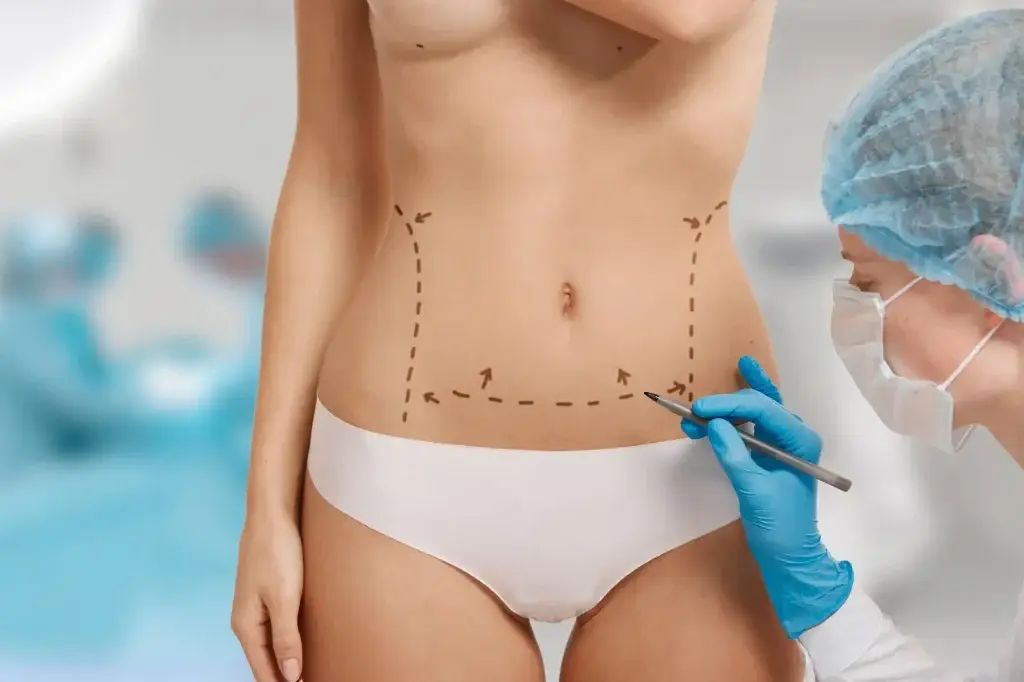
About Medical Tourism in Brazil

Discover the latest articles, patient guides, and destination insights for medical tourism in Brazil. From clinic comparisons and cost breakdowns to travel tips and patient success stories, our content helps you plan your medical journey with confidence.

What Our Brazil Guides Cover

1 What to expect from medical tourism in Brazil
2 Top procedures and specialties available in Brazil
3 Patient visa, travel, and accommodation logistics
4 Cost guides and payment options for international patients
5 Clinic quality standards and accreditation in Brazil

Medical Tourism in Brazil: Common Questions

What procedures are popular in Brazil?

Browse our Brazil articles to discover the most in-demand procedures, top-rated clinics, and specialist surgeons available in the region.

How do I prepare for medical travel to Brazil?

Our Brazil guides cover visa requirements, accommodation options, pre-travel consultations, and what to expect during your stay and recovery.

How do I find a trusted clinic abroad?

Look for internationally accredited facilities, board-certified surgeons, and verified patient reviews. Our articles and clinic guides walk you through the vetting process step by step.