

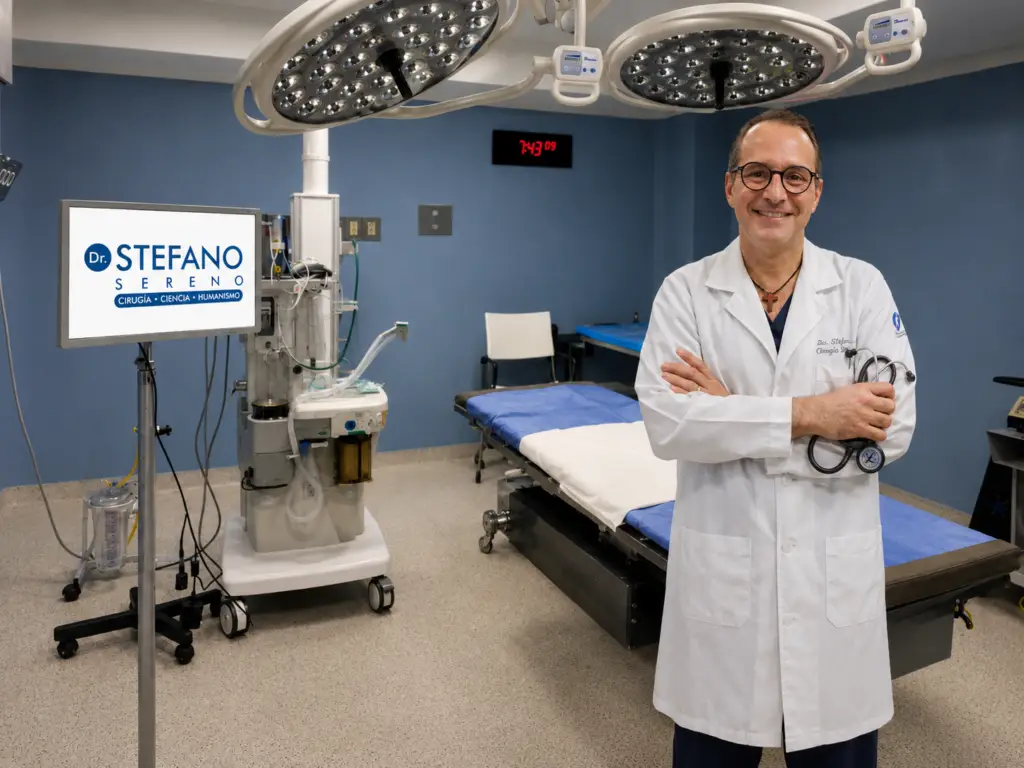

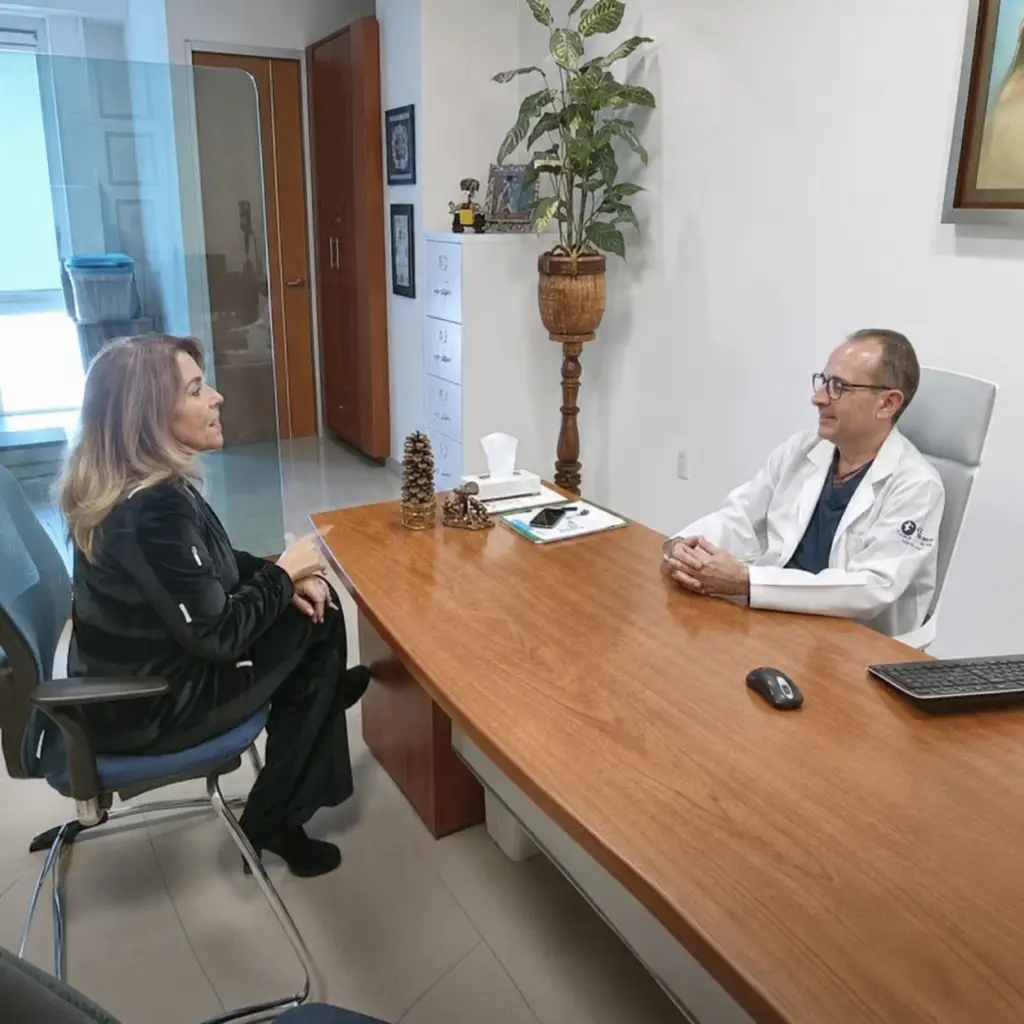
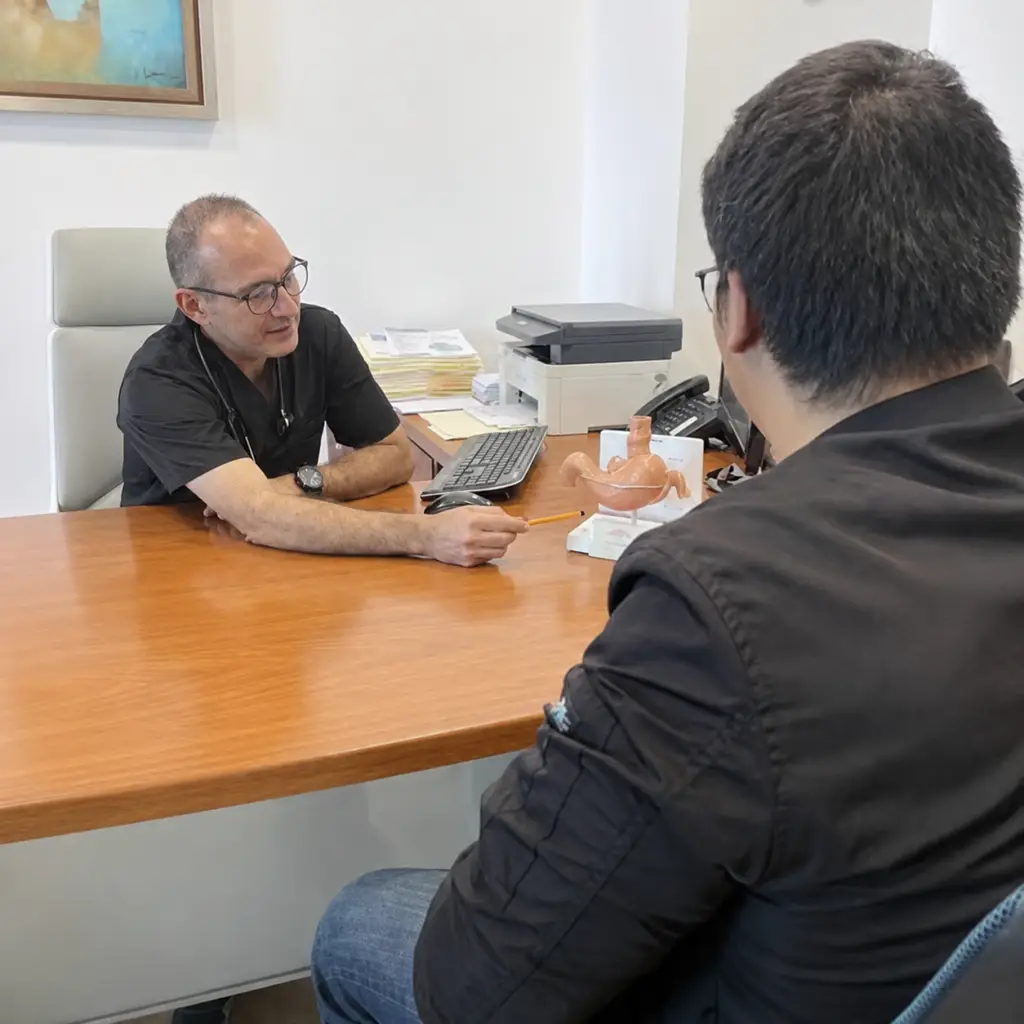

Dr. Stefano Sereno Trabaldo

Bariatric and General Surgery Specialist

bariatric and general surgeon in Mexico, specializing in gastric sleeve, gastric bypass, metabolic surgery, obesity treatment, gallbladder surgery, reflux disease, hernia surgery, and digestive surgery with multidisciplinary support for international patients.

A Surgeon Focused on Obesity, Metabolic Health and Long-Term Change

Why Choose Dr. Stefano Sereno Trabaldo?

Dr. Stefano Sereno Trabaldo is a strong option for patients seeking bariatric surgery in Mexico because his profile combines surgical certification, advanced laparoscopic training, obesity surgery specialization, professional memberships, and a treatment model built around long-term follow-up.

Patients choose Dr. Stefano for his focus on bariatric surgery, his certification in Bariatric Surgery and General Surgery through the Mexican Council of General Surgery, his training in advanced laparoscopic surgery, and his membership in respected professional organizations such as CMCOEM, IFSO, AMCG, and FACS.

His strongest value is the combination of surgical skill and structured support. Bariatric surgery can be life-changing, but the best results depend on careful patient selection, safe surgical planning, nutritional guidance, emotional support, physical activity, and follow-up after surgery.

About the Doctor

Certified Bariatric Surgery with Multidisciplinary Support

Dr. Stefano Sereno Trabaldo approaches obesity as a complex medical condition, not simply a matter of willpower. His treatment model begins with understanding the patient’s history, weight-loss attempts, metabolic condition, eating patterns, emotional factors, medical risks, and long-term goals.

His bariatric program is supported by a multidisciplinary team that may include internal medicine, nutrition, psychology, physical activity guidance, and surgical care. This structure matters because successful bariatric surgery is not only about reducing stomach size or changing digestion. It requires a complete medical and lifestyle pathway that helps patients build new habits, follow nutritional guidance, and stay connected after surgery.

His official website emphasizes a definitive treatment approach for obesity control through surgery and multidisciplinary care, including internal medicine, nutrition, psychology, and physical activity support.

Education and Training

Medical Education, General Surgery and Advanced Bariatric Training

Dr. Stefano completed his medical education at Universidad Autónoma de Guadalajara, graduating with honorable mention. His professional license is listed as 2413363. He later completed specialty training in General Surgery through Centro Médico Nacional de Occidente — IMSS and the Universidad de Guadalajara, with specialty license 4255473.

His postgraduate and subspecialty training includes Advanced Laparoscopic Surgery at Hospital Central Militar and Obesity Surgery training through IRCAD / Louis Pasteur University in France. These areas are highly relevant for bariatric patients because modern weight-loss surgery depends on minimally invasive technique, careful anatomy, and structured perioperative planning.

This background supports his work in gastric sleeve, gastric bypass, metabolic surgery, gallbladder surgery, reflux disease, hernia repair, and digestive surgery.

Certifications and Professional Memberships

Recognized Credentials in Bariatric and General Surgery

Dr. Stefano holds certification through the Mexican Council of General Surgery, including certification in Bariatric Surgery No. B180055 and General Surgery No. 8029. These certifications support his professional standing as a surgeon dedicated to safe practice and formal surgical standards.

His active memberships include the Mexican College of Surgery for Obesity and Related Metabolic Diseases, the International Federation for the Surgery of Obesity, the Mexican Association of General Surgery, and Fellow of the American College of Surgeons.

For international patients, these credentials matter because bariatric surgery should be performed by a surgeon with specific obesity-surgery training, not only general surgical experience. Patients need a doctor who understands obesity, metabolic disease, surgical risk, long-term nutritional needs, and the follow-up required after treatment.

Bariatric Surgery Services

Gastric Sleeve, Gastric Bypass and Long-Term Obesity Control

Dr. Stefano offers bariatric surgery for patients seeking long-term control of obesity and obesity-related health problems. His core bariatric services include gastric sleeve and gastric bypass, with treatment planning based on the patient’s body mass index, medical history, metabolic health, eating habits, prior weight-loss attempts, and long-term goals.

Bariatric surgery may support significant weight loss and improvement in obesity-related conditions such as type 2 diabetes, hypertension, dyslipidemia, joint pain, sleep apnea, reflux, and reduced mobility. Outcomes vary by patient, and success depends on surgical technique, follow-up, nutrition, physical activity, and long-term lifestyle change.

Dr. Stefano’s model is not a quick cosmetic solution. It is a medical pathway designed to help patients address obesity as a chronic disease and move toward better health, improved function, and a more sustainable life.

Gastric Bypass Surgery

A Bariatric and Metabolic Procedure for Selected Patients

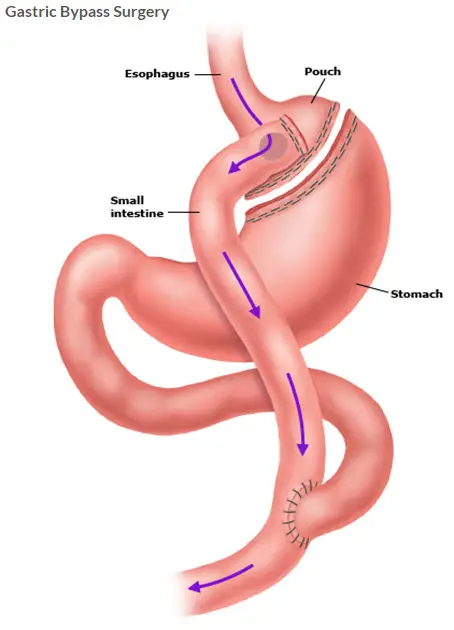
Gastric bypass  involves reducing stomach capacity and rerouting part of the intestine, which changes both food intake and absorption.

Gastric bypass as a bariatric technique that reduces the size of the stomach and rearranges the intestine so food bypasses the stomach and a portion of the intestine, reducing absorption of the food ingested.

Gastric bypass may be especially relevant for selected patients with severe obesity, reflux, metabolic disease, type 2 diabetes, or previous unsuccessful weight-loss attempts. The decision between sleeve and bypass requires careful evaluation because each procedure has different benefits, risks, nutritional implications, and long-term follow-up requirements.

Gastric Sleeve Surgery

A Bariatric and Metabolic Procedure for Selected Patients

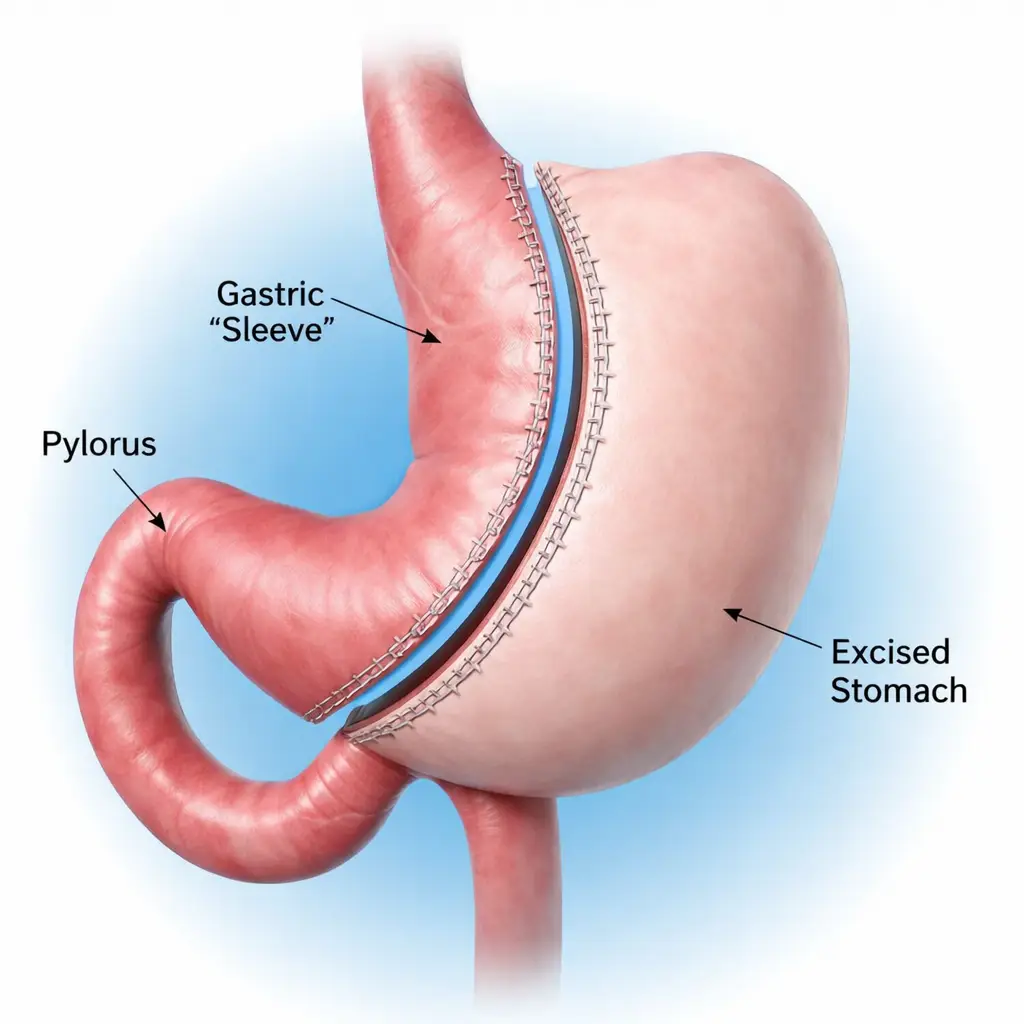
Gastric sleeve surgery, also known as sleeve gastrectomy. The procedure reduces the stomach to a smaller sleeve-like shape, limiting the amount of food the patient can comfortably eat and helping support long-term weight loss.

Gastric sleeve as a surgical procedure for obesity control in which the stomach is reduced by approximately 85% of its original volume.

This procedure may be considered for patients who need a strong surgical tool for weight control but also want to maintain a digestive route that does not include intestinal bypass. Suitability depends on medical evaluation, BMI, eating behavior, reflux history, metabolic condition, and the surgeon’s recommendation.


Inguinal Hernia Surgery

Inguinal Hernia Repair for One or Both Sides

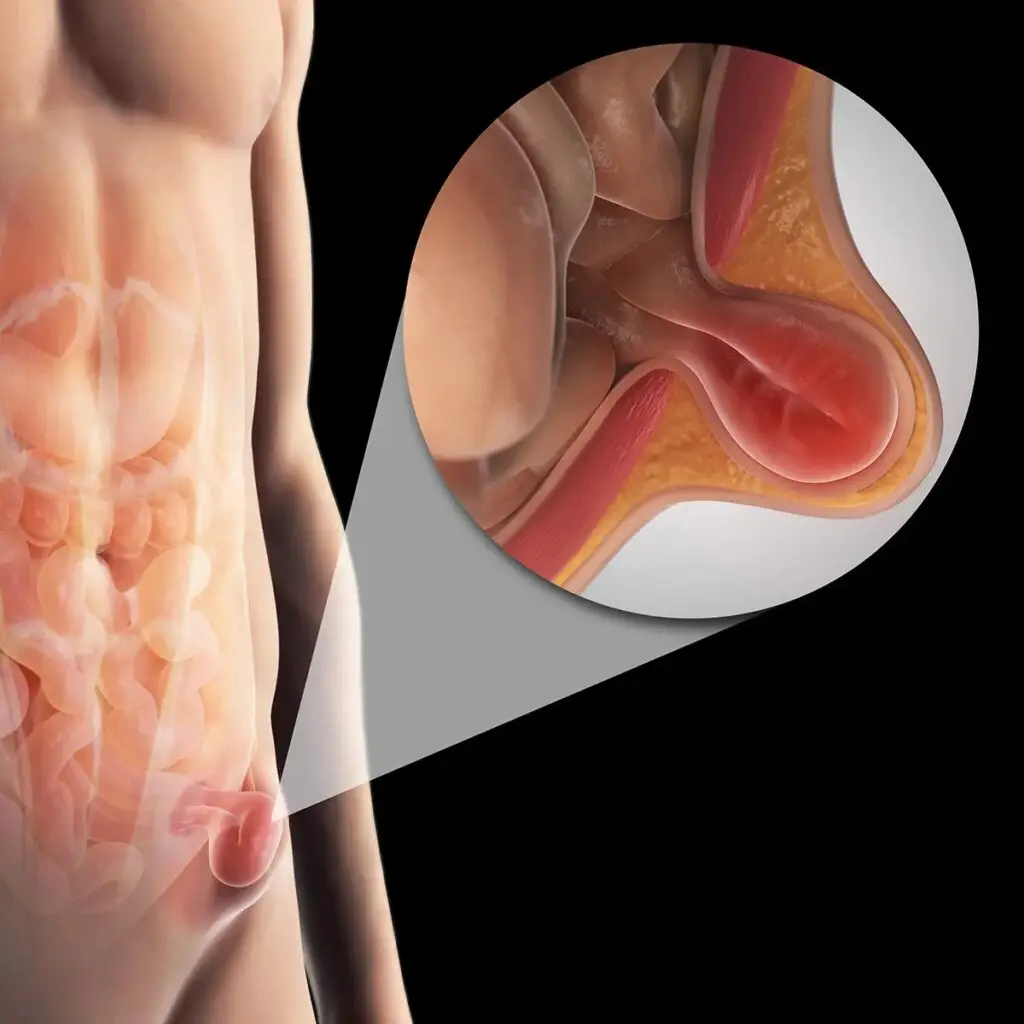
Dr. Stefano Sereno Trabaldo evaluates and treats inguinal hernias, including cases that affect one side or both sides of the groin. An inguinal hernia happens when tissue pushes through a weakened area in the lower abdominal wall, often creating a bulge, pressure, discomfort, or pain that may become more noticeable when standing, lifting, coughing, or exercising.

Some patients have a hernia only on the right or left side, while others may have a bilateral inguinal hernia, meaning hernias are present on both sides. This distinction matters because the surgical plan, incision strategy, recovery expectations, and repair technique may vary depending on whether the hernia is unilateral or bilateral.

Surgery is commonly recommended when an inguinal hernia is painful, enlarging, limiting activity, or creating risk of complications. Repair may involve strengthening the weakened area of the abdominal wall, often with mesh, depending on the patient’s anatomy, medical history, and surgeon’s recommendation. Minimally invasive laparoscopic or robotic approaches may be considered in selected cases, especially when both sides need repair or when prior surgery and recovery goals are part of the treatment planning.

Laparoscopic Cholecystectomy

Minimally Invasive Gallbladder Removal Surgery

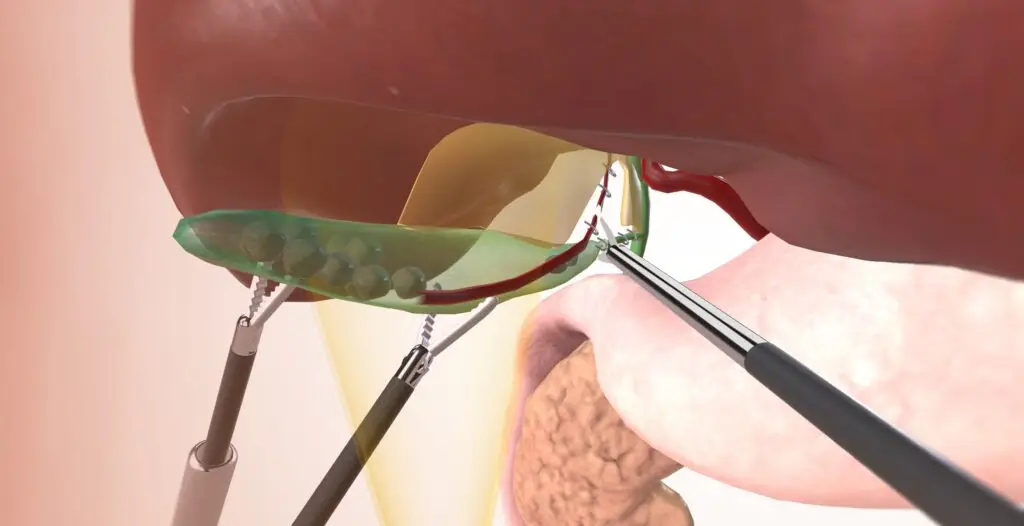
Laparoscopic cholecystectomy is a minimally invasive surgery to remove the gallbladder. It is commonly performed for patients with gallstones, gallbladder inflammation, recurrent gallbladder pain, biliary colic, or gallbladder-related digestive symptoms that do not improve with conservative care.

The gallbladder is a small organ that stores bile, a digestive fluid involved in fat digestion. When gallstones or gallbladder disease cause pain, nausea, vomiting, inflammation, or repeated attacks, removing the gallbladder may be the most effective long-term solution.

For patients traveling from abroad, gallbladder surgery requires proper planning even when it is minimally invasive. The patient may need ultrasound results, blood tests, liver function tests, medication review, anesthesia evaluation, and a clear plan for recovery before flying home.

Anti-Reflux Surgery

Surgical Treatment for Gastroesophageal Reflux Disease

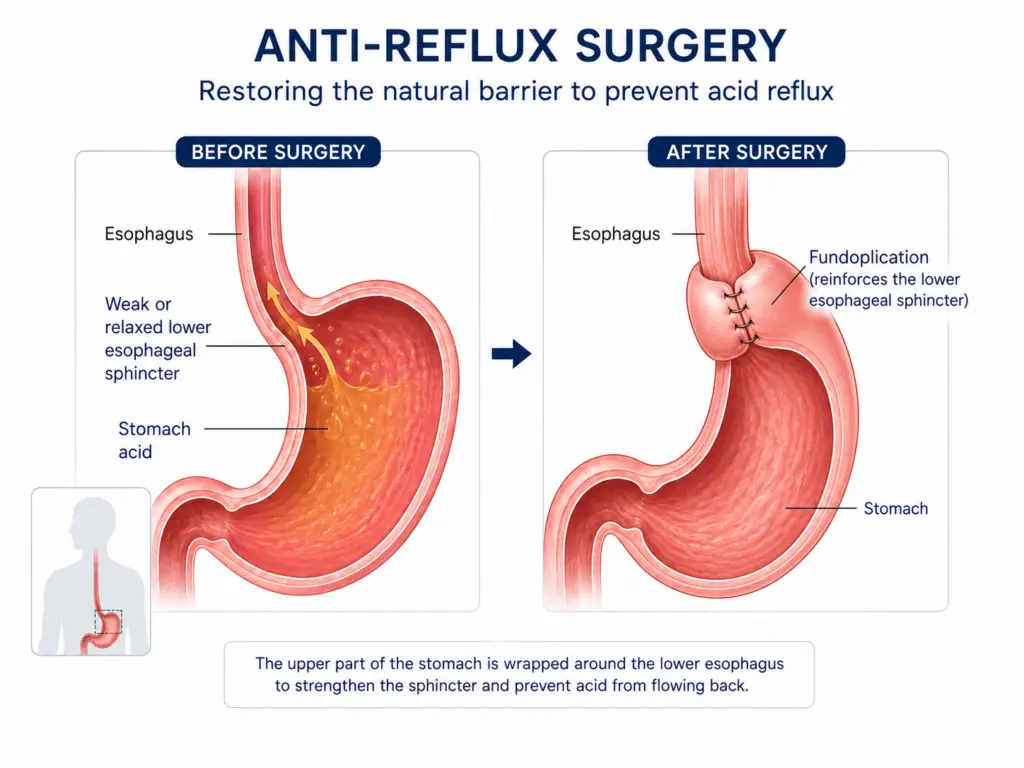
Anti-reflux surgery is designed for selected patients with gastroesophageal reflux disease, commonly known as GERD. GERD occurs when stomach acid or digestive contents flow back into the esophagus, causing symptoms such as heartburn, regurgitation, chest discomfort, chronic cough, throat irritation, difficulty sleeping, or inflammation of the esophagus.

Many patients manage reflux with lifestyle changes and medication. Surgery may be considered when symptoms remain difficult to control, when medication is not well tolerated, when the patient does not want long-term dependence on medication, or when anatomical problems such as hiatal hernia contribute to reflux. SAGES guidelines identify laparoscopic anti-reflux surgery as an effective long-term option for selected patients with objectively confirmed reflux disease.

Dr. Stefano treats gastroesophageal reflux disease as part of his general surgery practice, which is especially relevant because reflux is also an important consideration when choosing between bariatric procedures such as gastric sleeve and gastric bypass

Metabolic Surgery and Diabetes

Surgical Evaluation for Obesity-Related Metabolic Disease

Bariatric surgery can also have a metabolic effect, especially for selected patients with obesity-related type 2 diabetes or other metabolic conditions. Dr. Stefano’s official FAQ addresses diabetes directly and explains that patients with diabetes should be evaluated carefully, especially when the condition is not controlled despite appropriate medical treatment, exercise, and diet.

This section is important because patients often search for bariatric surgery not only to lose weight, but also to improve health problems connected to obesity. Metabolic surgery may help selected patients reduce medication dependence, improve glucose control, and lower the burden of obesity-related disease.

Not every patient with diabetes needs surgery, and not every patient is a candidate. The correct plan depends on BMI, diabetes history, medications, lab results, pancreatic function, cardiovascular risk, liver health, kidney health, eating behavior, and previous treatment attempts.

Candidate Evaluation

Finding the Right Treatment for the Right Patient

The bariatric surgery journey begins with proper evaluation. Patients should be assessed based on weight history, body mass index, obesity-related diseases, previous diets, medication use, psychological readiness, eating patterns, reflux symptoms, prior abdominal surgery, lab results, and overall surgical risk.

Dr. Stefano’s website emphasizes analyzing the patient’s case with a multidisciplinary team to identify the primary cause of the problem and design a treatment plan together with the patient, which may include bariatric surgery.

This is important for international patients because traveling for surgery requires confidence before booking flights. A good pre-travel review helps determine whether the patient is likely to be a candidate, which procedure may be appropriate, what testing may be needed, and what recovery plan should be expected.

Multidisciplinary Care

Surgery Supported by Nutrition, Psychology, Internal Medicine and Physical Activity

Successful bariatric surgery requires more than the operation. Dr. Stefano’s approach includes a multidisciplinary team that may involve internal medicine, nutrition, psychology, and physical activity guidance.

This model supports the patient before and after surgery. Internal medicine helps evaluate obesity-related disease and surgical risk. Nutrition helps patients prepare for dietary changes and long-term supplementation. Psychology supports emotional readiness, eating behavior, expectations, and lifestyle change. Physical activity guidance helps patients rebuild strength, improve function, and maintain progress after weight loss.

This is why bariatric care should be viewed as a structured transformation process, not a single hospital visit. The surgery creates the opportunity, but long-term success requires follow-up, consistency, and support.

Recovery After Bariatric Surgery

Early Walking, Diet Progression and Close Follow-Up

Recovery after bariatric surgery depends on the procedure, patient health, surgical technique, anesthesia, mobility, hydration, nutrition, and adherence to instructions. After bariatric surgery, patients are expected to walk the same day, begin taking liquids, and in many cases leave the hospital after approximately 24 hours, depending on medical status and the surgical plan.

Because laparoscopic bariatric surgery is minimally invasive, many patients can return to normal activities in a relatively short time, but recovery must still be taken seriously. Patients must follow diet progression, hydration instructions, medication guidance, wound care, activity restrictions, and scheduled follow-up.

Continued follow-up is essential, including support in surgery, internal medicine, nutrition, psychology, and physical activity so patients can create deep lifestyle changes and continue annual monitoring after reaching their goals.


Why Travel to Mexico for Bariatric Surgery?

Accessible Weight-Loss Surgery with Experienced Medical Support

Mexico is one of the most active destinations for international patients seeking bariatric surgery, especially patients traveling from the United States, Canada, and Latin America. Patients often consider Mexico because of geographic accessibility, experienced surgeons, private medical facilities, shorter travel distances, and the opportunity to receive care at a lower cost than many U.S. self-pay options.

For patients considering Dr. Stefano, Mexico offers a practical medical travel pathway with virtual consultation options, in-person evaluation, hospital planning, surgery, recovery, and follow-up coordination. His official website lists an in-person office in Guadalajara, Jalisco, as well as virtual appointments by prior scheduling.

Medical travel for bariatric surgery should be planned carefully. Patients need time for consultation, pre-operative testing, surgery, early walking, diet transition, follow-up, and safe travel clearance before returning home.

Visa, Entry Requirements and Travel Planning

Preparing for Medical Travel to Mexico

Patients traveling to Mexico should confirm passport and visa requirements before booking flights. Mexico’s official tourism visa information includes tourism, recreation, and health-related travel for stays not exceeding 180 days, while travelers from countries without visa-suppression agreements may need a visitor visa.

Mexico’s immigration authority also notes that the FMM may have a maximum validity of 180 calendar days, and travelers whose nationality requires a visa must hold a valid visa to enter.

Patients should prepare a valid passport, visa documents when required, appointment confirmation, medical records, medication list, allergy information, recent labs if available, prior surgery reports, hotel or recovery accommodation details, return flight information, and emergency contact information.

For bariatric surgery, patients should avoid rushed travel. The trip should allow enough time for evaluation, surgery, early recovery, diet instructions, wound review, hydration monitoring, and clearance before flying home.

MyMediTour Patient Coordination

Support Before, During and After Bariatric Surgery in Mexico

MyMediTour helps international patients explore bariatric surgery with Dr. Stefano Sereno Trabaldo through a more organized and guided process.

MyMediTour support may include initial case intake, medical record collection, BMI and health history organization, lab and imaging preparation, consultation coordination, communication with the doctor’s office, treatment timeline planning, accommodation guidance, visa and document reminders, recovery expectations, companion planning, and follow-up communication after treatment.

The goal is to help patients move through the bariatric surgery journey with clarity, safety, privacy, and confidence, especially when treatment involves a major decision such as gastric sleeve or gastric bypass.

Similar Gastroenterology, and Weight Loss Surgery Clinics in Mexico

Compare other trusted Gastroenterology, and Weight Loss Surgery providers operating across Mexico.

Gastroenterology, and Weight Loss Surgery Guides for Patients Travelling to Mexico

Articles and insights on Gastroenterology, and Weight Loss Surgery care and travel in Mexico.