

Dr. Anastasios Lilikakis – Hip and Knee Reconstructive Surgery Specialist
Orthopedic Surgery in Athens, Greece
Orthopedic surgeon in Athens, Greece, specializing in hip and knee reconstructive surgery. His work focuses on total hip arthroplasty, total knee arthroplasty, robotic arthroplasty, minimally invasive hip replacement, revision arthroplasty, and rapid recovery protocols for patients with advanced joint pain, arthritis, mobility loss, and failed prior joint replacements.
About Dr. Anastasios Lilikakis
Specialist in Hip and Knee Reconstructive Surgery
Dr. Anastasios Lilikakis is an orthopedic surgeon in Athens, Greece, specializing in hip and knee reconstructive surgery. His work focuses on total hip arthroplasty, total knee arthroplasty, robotic arthroplasty, minimally invasive hip replacement, revision arthroplasty, and rapid recovery protocols for patients with advanced joint pain, arthritis, mobility loss, and failed prior joint replacements.
He serves as Director of the Third Orthopaedic Clinic of Athens Euroclinic and is an associate at the White Cross of Athens. He is also Chairman of the Department of Reconstructive Hip & Knee Surgery of the Hellenic Society of Orthopaedic Surgery & Traumatology for 2025–2026.
Through MyMediTour, international patients can explore orthopedic care with Dr. Lilikakis with support for medical record collection, imaging organization, consultation coordination, travel planning, hospital preparation, recovery expectations, and follow-up communication in Greece.

Why Choose Dr. Anastasios Lilikakis?
Advanced Hip and Knee Surgery with European Training and Rapid Recovery Protocols
Dr. Lilikakis is a strong choice for patients seeking orthopedic surgery in Greece because his career combines European training, hip and knee specialization, hospital leadership, scientific publications, orthopedic engineering, modern arthroplasty techniques, and patient-centered recovery planning.
Patients choose Dr. Lilikakis for several important reasons:
✔️ Specialized focus on hip and knee reconstructive surgery
✔️ President of the Hip & Knee Reconstruction Section of HAOST, 2025–2026
✔️ Consultant Orthopaedic Surgeon and Associate Surgeon of the Third Orthopaedic Department
✔️ Head of the Third Orthopaedic Department at Euroclinic since 2024
✔️ Master of Science in Orthopaedic Engineering from Cardiff University
✔️ Fellowship in hip surgery in Cambridge, United Kingdom
✔️ Training in Greece, France, Germany, Great Britain, Italy, and the United States
✔️ Expertise in total hip arthroplasty and total knee arthroplasty
✔️ Focus on robotic hip and knee surgery
✔️ Experience with revision hip and knee arthroplasty
✔️ Clinical interest in peri-prosthetic fractures, infections, thrombosis prevention, and anticoagulant management
✔️ Scientific publications in international orthopedic journals
✔️ Strong public patient review profile displayed through Google and Trustindex
Dr. Lilikakis stands out because his work is not limited to replacing a joint. His focus is restoring movement, reducing pain, protecting function, and helping patients return to life safely.
Education, Training and Credentials
Greek Medical Education with Advanced European Orthopedic Training
Dr. Lilikakis graduated from the Medical School of the National and Kapodistrian University of Athens and completed his orthopedic residency at NIMTS Hospital. He later completed a fellowship in hip surgery in Cambridge, United Kingdom, and earned a Master of Science in Orthopaedic Engineering from Cardiff University.
His training background includes:
✔️ Medical School of the National and Kapodistrian University of Athens, 1988–1994
✔️ Orthopaedic Residency, NIMTS Hospital, 1998–2003
✔️ Fellowship in Hip Surgery, Cambridge, United Kingdom, 2003–2004
✔️ MSc in Orthopaedic Engineering, Cardiff University, Wales, United Kingdom, 2002–2006
✔️ Foreign languages: English, French, and Spanish
During his specialty training, he focused deeply on reconstructive hip and knee surgery. He also trained in arthroscopic knee and shoulder surgery at the Technical University of Munich and hand surgery at the Institute of the Hand in Paris.
Fellowships, Honors and Scholarships
International Development Through European and U.S. Training Pathways
Dr. Lilikakis’s orthopedic career includes several important fellowships, scholarships, and advanced training experiences that shaped his expertise in hip and knee surgery.
His honors and scholarships include:
✔️ European Union Erasmus Program scholarship, with externship in Cardiovascular Surgery at St. Jacques Hospital in France
✔️ Scholarship from the National and Kapodistrian University of Athens
✔️ EFORT Travelling Fellowship in Knee Surgery, France, 2003
✔️ HAOST Visiting Clinical Fellowship in Sports Medicine, Munich, Germany, 2004
✔️ Niarchos Foundation scholarship for hip disorders and anterior approach to total hip replacement training at Hospital for Special Surgery in New York
These credentials strengthen his profile for international patients looking for a surgeon with both clinical experience and serious academic formation.
Society Memberships and Professional Recognition
Active Participation in Orthopedic Societies and International Arthroplasty Communities
Dr. Lilikakis is connected to major orthopedic and arthroplasty societies in Greece and internationally. These memberships reflect his long-term involvement in hip and knee reconstruction, orthopedic technology, trauma, and joint replacement innovation.
His society memberships include:
✔️ Hellenic Association of Orthopaedic Surgery & Traumatology — HAOST
✔️ Hip & Knee Reconstruction Section of HAOST
✔️ European Hip Society — EHS
✔️ Société Internationale de Chirurgie Orthopédique et de Traumatologie — SICOT
✔️ International Society for Technology in Arthroplasty — ISTA
For patients, these memberships are important because they show his connection to the broader orthopedic community, including European hip surgery, international orthopedic trauma, and technology-driven arthroplasty.
Publications and Scientific Work
A Surgeon with Published Research in Hip Arthroplasty, Rehabilitation and Orthopedic Materials
Dr. Lilikakis has contributed to scientific publications in respected orthopedic journals, with work focused on hip arthroplasty, incision length, rehabilitation, resurfacing hip arthroplasty, thrombosis-related complications, antibiotic-loaded bone cement, customized jigs in knee replacement, and press-fit hip stem outcomes.
Selected publications include:
✔️ “Incisions great and small”, Journal of Bone and Joint Surgery — British Volume, 2004
✔️ Hydroxyapatite-coated femoral implant in metal-on-metal resurfacing hip arthroplasty, Orthopedic Clinics of North America, 2005
✔️ The influence of incision length on immediate post-operative rehabilitation after total hip replacement, Hip International, 2005
✔️ Early rehabilitation comparing hip resurfacing and total hip replacement, Hip International, 2005
✔️ Thrombocytopenia and intracerebral complications associated with low-molecular-weight heparin treatment in total hip replacement patients, Journal of Bone and Joint Surgery — American Volume, 2006
✔️ Rehabilitation after total hip replacement: the benefit of a modified rehabilitation protocol and minimally invasive techniques, Annals of the Royal College of Surgeons, 2008
✔️ The effect of vancomycin addition to the compression strength of antibiotic-loaded bone cements, International Orthopaedics, 2009
✔️ Customized jigs in primary total knee replacement, Orthopedic & Muscular System, 2014
✔️ Minimum three-year clinical and radiological results of a new press-fit, tapered hip stem, Bone & Joint Journal Orthopaedic Proceedings, 2016
This publication record matters because it shows that Dr. Lilikakis’s work is connected not only to clinical surgery, but also to research, implant performance, rehabilitation, and surgical technique development.
Clinical Interests
Beyond Joint Replacement: Thrombosis, Anticoagulation, Peri-Prosthetic Complications and Regenerative Orthopedics
Dr. Lilikakis’s clinical interests extend beyond standard hip and knee replacement. His Euroclinic profile identifies specialty areas including robotic hip and knee surgery, primary hip and knee arthroplasty, revision arthroplasty, fast-track protocols, minimally invasive surgery, arthroscopic hip and knee surgery, peri-prosthetic fractures and infections, orthobiologics, regenerative medicine, and surgical treatment of osteoporotic fractures in nonagenarians.
His clinical interests also include venous thrombosis and antithrombotic prophylaxis in orthopedics, as well as perioperative care for orthopedic patients using antithrombotic or antiplatelet therapy. These areas are highly relevant for joint replacement patients because blood clot prevention, medication management, and perioperative risk planning are central to safer orthopedic surgery.
This broader expertise gives patients access to a surgeon who understands both the mechanical side of joint reconstruction and the medical details that influence recovery, complications, and long-term safety.

Treatment Setting in Athens
Athens Euroclinic
Dr. Lilikakis practices through Athens Euroclinic. He has worked with Euroclinic since 2010 as part of the Third Orthopaedic Department and became Head of the department in 2024.
For international patients, the treatment setting matters because hip and knee surgery require a complete hospital pathway. Patients need pre-operative testing, imaging, anesthesia, operating room support, inpatient monitoring, physiotherapy, discharge planning, and follow-up care.
Athens Euroclinic also maintains a dedicated International Patients section, including international patient support, hospitality services and facilities, doctors and medical staff information, quality credentials, and a defined “how it works” pathway for patients traveling from abroad.
Hip Surgery
Total Hip Arthroplasty, MIS Hip Replacement and Robotic Hip Surgery
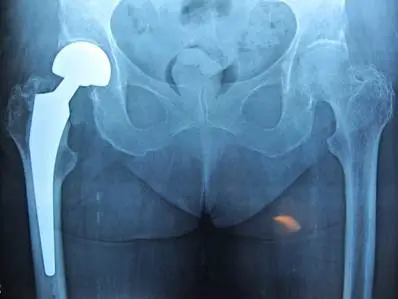
Hip surgery is one of Dr. Lilikakis’s central areas of expertise. His hip surgery work includes total hip arthroplasty, minimally invasive hip arthroplasty, robotic hip surgery, hip resurfacing in selected cases, hip arthroscopy, hip fracture treatment, and revision hip arthroplasty.
Total hip arthroplasty, also known as total hip replacement, is used when the hip joint is severely damaged and conservative treatments no longer provide adequate relief. It can be considered for hip damage caused by osteoarthritis, rheumatoid disease, or post-traumatic arthritis when pain and disability significantly affect daily life.
Patients may need hip replacement because of severe pain, deformity, lameness, shortening, stiffness, and loss of mobility. The goal is to reduce pain, improve movement, correct deformity when possible, and restore quality of life.
Knee Surgery
Total Knee Arthroplasty and Modern Treatment for Knee Osteoarthritis
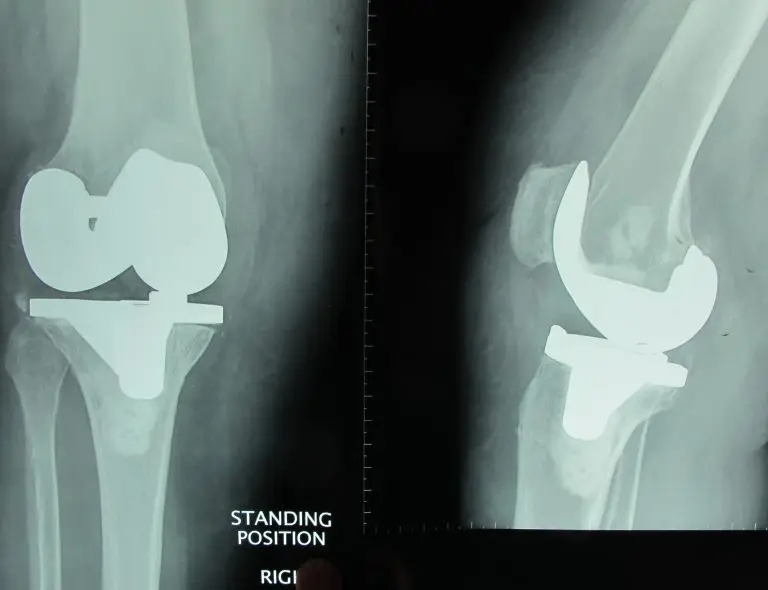
Knee surgery is another major focus of Dr. Lilikakis’s practice. He treats patients with advanced knee osteoarthritis, chronic knee pain, deformity, stiffness, walking difficulty, and degenerative joint disease.
Total knee arthroplasty is a surgical solution for patients whose knee joint is significantly damaged and no longer responds to conservative care. The treatment goal is to reduce pain, improve walking ability, restore alignment when appropriate, and help patients regain a more functional daily life.
Dr. Lilikakis’s knee surgery work includes:
✔️ Total knee arthroplasty
✔️ Robotic knee surgery
✔️ Revision knee arthroplasty
✔️ Arthroscopic knee surgery
✔️ Treatment planning for knee osteoarthritis
✔️ Management of peri-prosthetic fractures and infections
✔️ Fast-track rehabilitation and recovery protocols
The best treatment depends on pain severity, imaging, deformity, instability, range of motion, age, activity level, prior treatment, and overall medical condition.
Robotic Hip and Knee Surgery
Precision-Based Arthroplasty for Personalized Joint Reconstruction
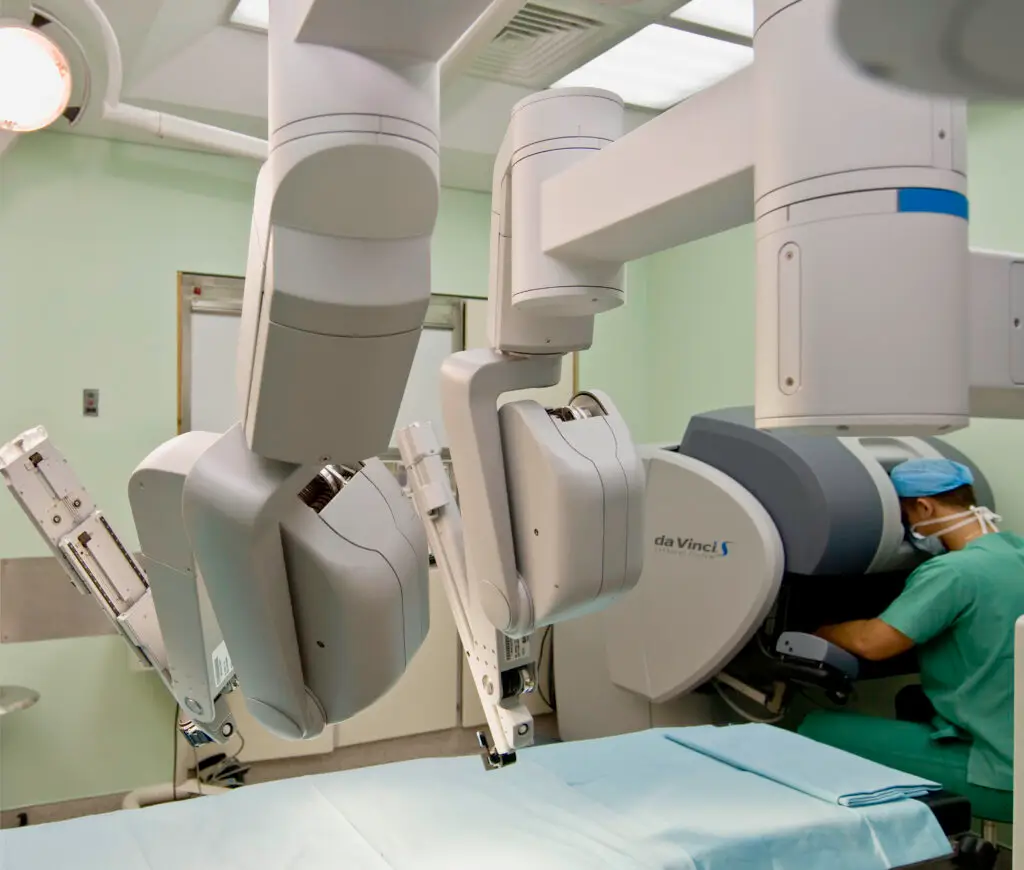
Robotic hip and knee surgery is part of Dr. Lilikakis’s specialty profile. Robotic and technology-assisted arthroplasty can support more precise surgical planning, implant positioning, alignment, and personalization according to the patient’s anatomy.
This is especially relevant in hip and knee replacement because small differences in alignment, rotation, sizing, soft tissue balance, and implant position can affect pain relief, stability, walking mechanics, recovery, and implant longevity.
Robotic arthroplasty is not chosen simply because it sounds advanced. It must be matched to the patient’s condition, anatomy, imaging, surgical goals, and medical needs. For international patients, it offers a modern option when precision-based joint reconstruction is appropriate.
Minimally Invasive Hip Arthroplasty
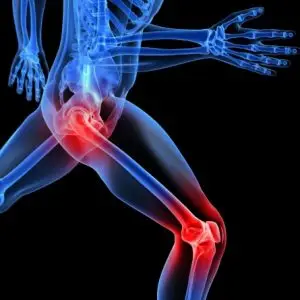
Smaller Incisions, Reduced Tissue Disruption and Faster Early Recovery
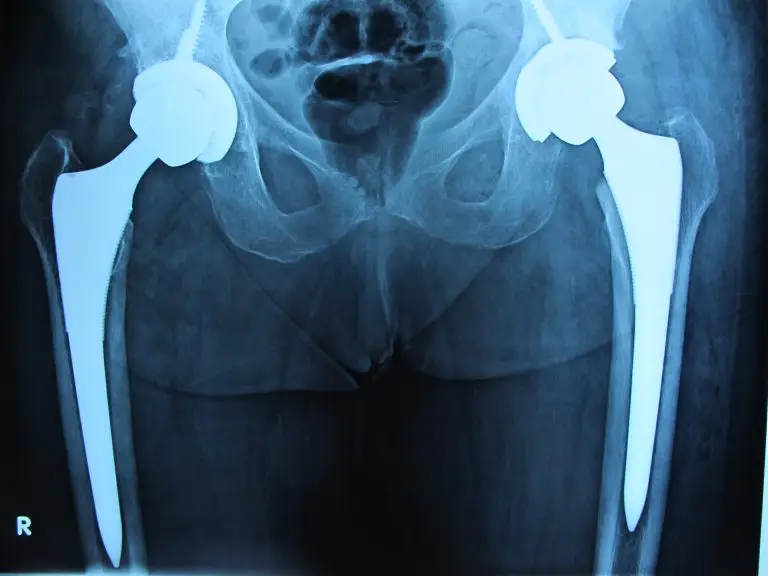
Minimally invasive hip arthroplasty is a modern evolution of total hip replacement. It aims to provide the same functional goals as conventional hip arthroplasty while reducing tissue trauma in appropriately selected patients.
Dr. Lilikakis’s minimally invasive hip surgery content explains that MIS hip arthroplasty uses a smaller incision, usually 8–12 cm, and requires specialized surgical technique and specially designed instruments. It may be more challenging in stiff hips, severely damaged hips, congenital malformations, previously operated hips, or very large patients.
For patients, the potential advantages may include:
✔️ Smaller incision when medically appropriate
✔️ Less tissue disruption
✔️ Less postoperative pain
✔️ Faster early mobilization
✔️ Reduced blood loss in selected cases
✔️ Earlier return to daily activity
MIS is not appropriate for every patient. The correct approach depends on anatomy, bone quality, deformity, prior surgery, body habitus, implant needs, and surgical safety.
Fast-Track Rapid Recovery Protocols
A Complete Recovery Model, Not Just a Surgical Technique
Dr. Lilikakis uses fast-track and rapid recovery principles in hip and knee arthroplasty. This approach treats joint replacement as a full care pathway, not only an operation.
Rapid recovery arthroplasty combines preparation, medical check-up, anesthesia planning, pain control, minimally invasive surgical principles, quality implant selection, early mobilization, physiotherapy, and discharge planning. It is designed to reduce hospitalization time, morbidity, and prolonged recovery while supporting a quicker return to normal daily life.
Fast-track recovery may include:
✔️ Pre-operative education
✔️ Full medical evaluation
✔️ Regional anesthesia when appropriate
✔️ Preventive and multimodal pain control
✔️ Minimal muscle intervention when possible
✔️ Early mobilization, often from the day of surgery
✔️ Walking and functional training
✔️ Discharge planning based on recovery criteria
For international patients, this is especially important because recovery planning must be connected to hotel stay, companion support, physiotherapy, follow-up, and flight clearance.
Revision Arthroplasty and Complex Joint Problems
Specialized Treatment for Failed Hip and Knee Replacements
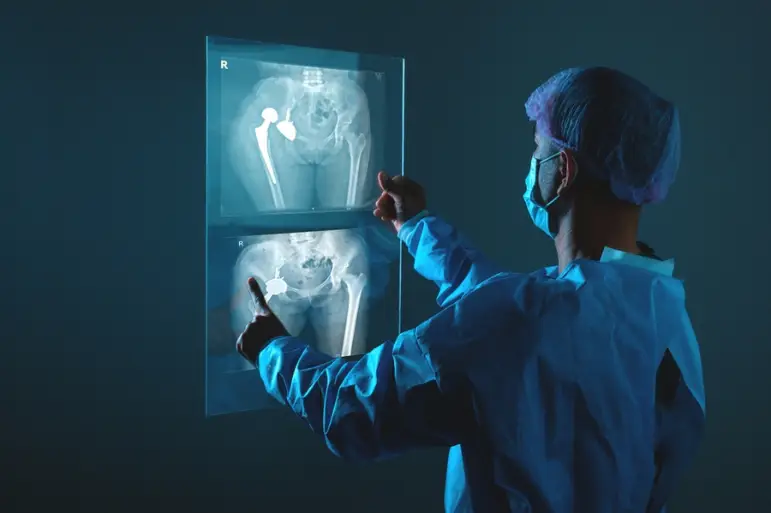
Revision arthroplasty is the surgical correction or replacement of a previous hip or knee implant that has failed, loosened, worn out, become unstable, become infected, or continues to cause pain and functional limitation.
Dr. Lilikakis’s specialty profile includes revision hip and knee arthroplasty, peri-prosthetic fractures and infections, and arthroplasty review. These cases require more complex planning than first-time joint replacement because the surgeon may need to evaluate bone loss, implant position, instability, infection risk, prior operative reports, scar tissue, and bone quality.
This area is especially important for patients who have already had surgery but still experience pain, instability, difficulty walking, implant problems, or reduced function.

Orthobiologics and Regenerative Medicine
Supporting Joint Care Beyond Traditional Surgery
Dr. Lilikakis’s specialty profile includes orthobiologics and regenerative medicine, an area of orthopedics focused on biological approaches that may support healing, inflammation control, tissue response, and joint-related recovery in selected cases.
This does not mean every patient can avoid surgery. In advanced hip or knee osteoarthritis, joint replacement may still be the most appropriate solution. However, orthobiologics and regenerative options may be relevant for selected patients with earlier-stage joint problems, tendon-related concerns, sports injuries, or cases where non-surgical support is medically reasonable.
The strength of this approach is responsible patient selection. Patients need accurate diagnosis, imaging, functional assessment, and realistic expectations before choosing between conservative care, biologic support, arthroscopy, arthroplasty, or revision surgery.
Conditions Treated
Hip Pain, Knee Pain, Arthritis, Fractures and Failed Implants
Dr. Lilikakis treats a wide range of orthopedic conditions, with strongest emphasis on hip and knee disorders.
Common conditions include:
✔️ Hip osteoarthritis
✔️ Knee osteoarthritis
✔️ Hip fracture
✔️ Knee pain and deformity
✔️ Hip pain and stiffness
✔️ Failed hip replacement
✔️ Failed knee replacement
✔️ Peri-prosthetic fracture
✔️ Peri-prosthetic infection
✔️ Meniscus tear
✔️ ACL rupture
✔️ Trochanteritis
✔️ Hip dysplasia
✔️ Hip arthroscopy-related conditions
✔️ Sports injuries
✔️ Arthritis-related mobility loss
His official website lists diseases including hip osteoarthritis, knee osteoarthritis, hip fracture, anterior cruciate ligament rupture, meniscus tear, trochanteritis, hip dysplasia, and related orthopedic concerns.
Diagnosis and Treatment Planning
Matching the Right Procedure to the Right Patient
Orthopedic surgery should begin with a clear diagnosis. Patients with hip or knee pain may need physical examination, X-rays, MRI or CT scans when appropriate, review of previous surgeries, medication history, walking assessment, implant history, and discussion of daily limitations.
Dr. Lilikakis’s approach is based on responsible treatment selection. Not every patient with arthritis needs surgery immediately. Conservative care may include medication, physiotherapy, injections, strengthening, activity modification, and weight management. Surgery becomes more appropriate when pain and disability significantly affect daily life and conservative treatment no longer provides adequate relief.
For international patients, pre-travel planning is essential. Patients should send recent imaging, prior surgery reports, implant details if available, medication list, medical history, and a description of walking limitations so the case can be reviewed before scheduling travel.
Recovery and Rehabilitation
Mobility, Physiotherapy and Safe Return to Daily Life
Recovery after hip or knee arthroplasty depends on age, weight, general health, pre-operative mobility, surgical technique, implant stability, pain control, physiotherapy, and the patient’s commitment to instructions.
After total hip arthroplasty, many patients can sit, stand, and walk with support within hours under medical and physiotherapy guidance. Dr. Lilikakis’s hip replacement guidance notes that most patients can climb stairs and walk with assistance within 24–36 hours, with stitches removed after 2–3 weeks and follow-up often planned around 40–50 days with a new X-ray.
For medical travelers, recovery planning should include:
✔️ Hospital stay
✔️ Early mobilization
✔️ Pain control
✔️ Physiotherapy
✔️ Walking support
✔️ Wound care
✔️ Follow-up imaging when needed
✔️ Flight clearance
✔️ Home support after return
✔️ Continued rehabilitation
The goal is not only to replace the joint, but to help the patient return to walking, independence, work, travel, and daily life with confidence.
Visa, Entry Requirements and Travel Planning
Preparing for Medical Travel to Greece
Patients traveling to Greece should confirm passport, visa, and Schengen entry requirements before booking flights. Greece is part of the Schengen Area, and eligible short-stay travelers are generally subject to the 90 days in any 180-day period rule, depending on nationality and visa status.
Patients who require a Schengen visa may need travel medical insurance covering emergency medical care, hospitalization, and repatriation. Greek consular information identifies travel medical insurance as a visa requirement, and Schengen documentation commonly requires minimum medical coverage of €30,000.
Patients should prepare:
✔️ Valid passport
✔️ Schengen visa when required
✔️ Appointment confirmation
✔️ Hospital or physician documentation when provided
✔️ Medical records and imaging
✔️ Medication list
✔️ Allergy information
✔️ Prior surgery reports and implant records when relevant
✔️ Travel medical insurance
✔️ Hotel or recovery accommodation details
✔️ Return flight information
✔️ Companion or caregiver plan
For hip or knee surgery, patients should avoid rushed travel. The schedule should allow time for evaluation, pre-operative testing, surgery, early rehabilitation, follow-up, and flight clearance.
MyMediTour Patient Coordination
Support Before, During and After Orthopedic Treatment in Greece
MyMediTour helps international patients explore orthopedic care with Dr. Anastasios Lilikakis through a more organized and guided process.
MyMediTour support may include:
✔️ Initial case intake
✔️ Medical record collection
✔️ X-ray, MRI, CT, and report organization
✔️ Prior surgery and implant history collection
✔️ Consultation coordination
✔️ Communication with the doctor’s office
✔️ Hospital and procedure planning support
✔️ Travel timeline guidance
✔️ Accommodation planning
✔️ Visa and document reminders
✔️ Recovery expectations
✔️ Companion planning
✔️ Follow-up communication after treatment
The goal is to help patients move through the orthopedic travel journey with clarity, safety, and confidence, especially when treatment involves hip replacement, knee replacement, robotic arthroplasty, or revision surgery.