





Advanced Female Hair Restoration for Fuller Coverage, Natural Growth & Renewed Confidence
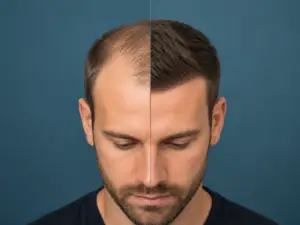
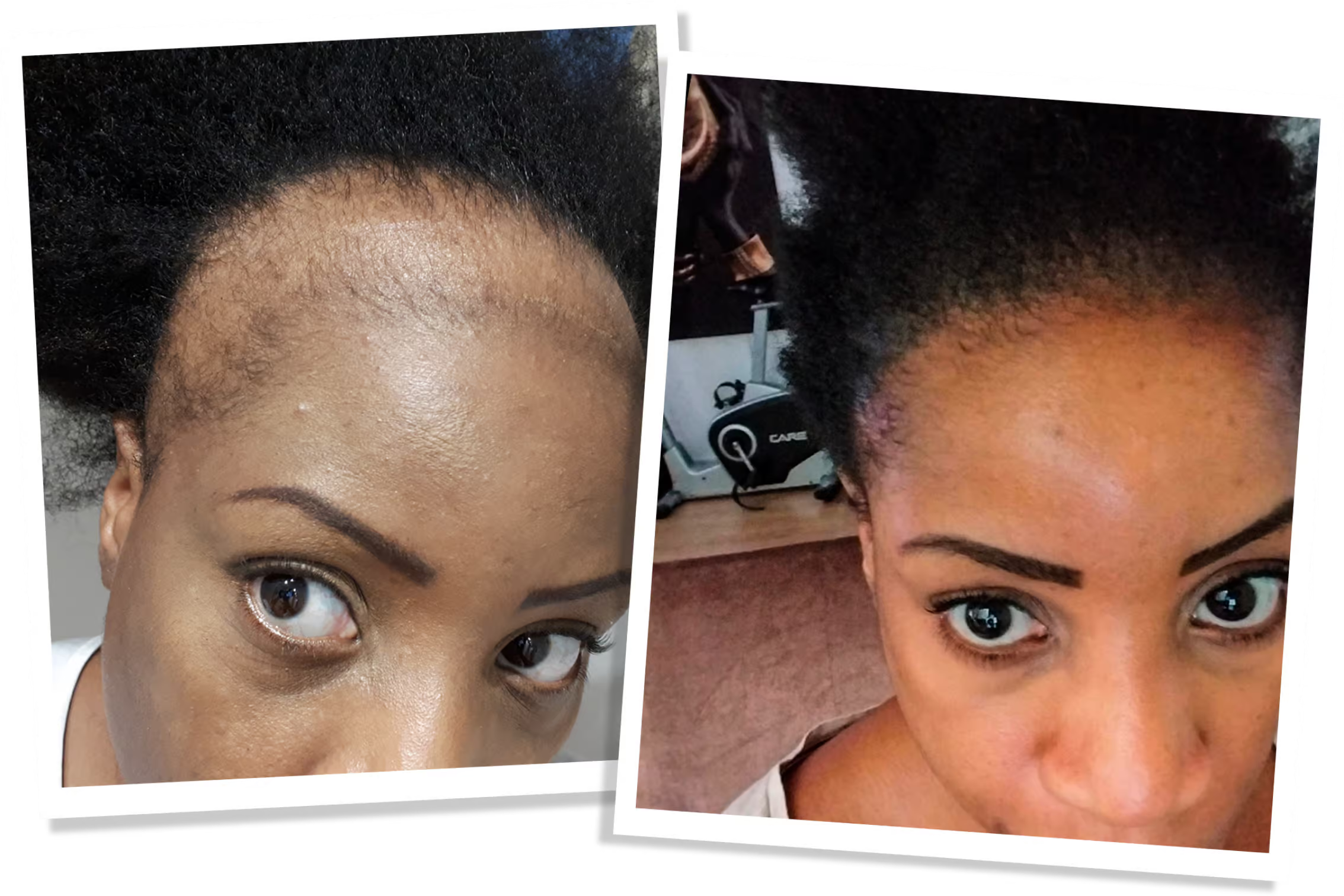
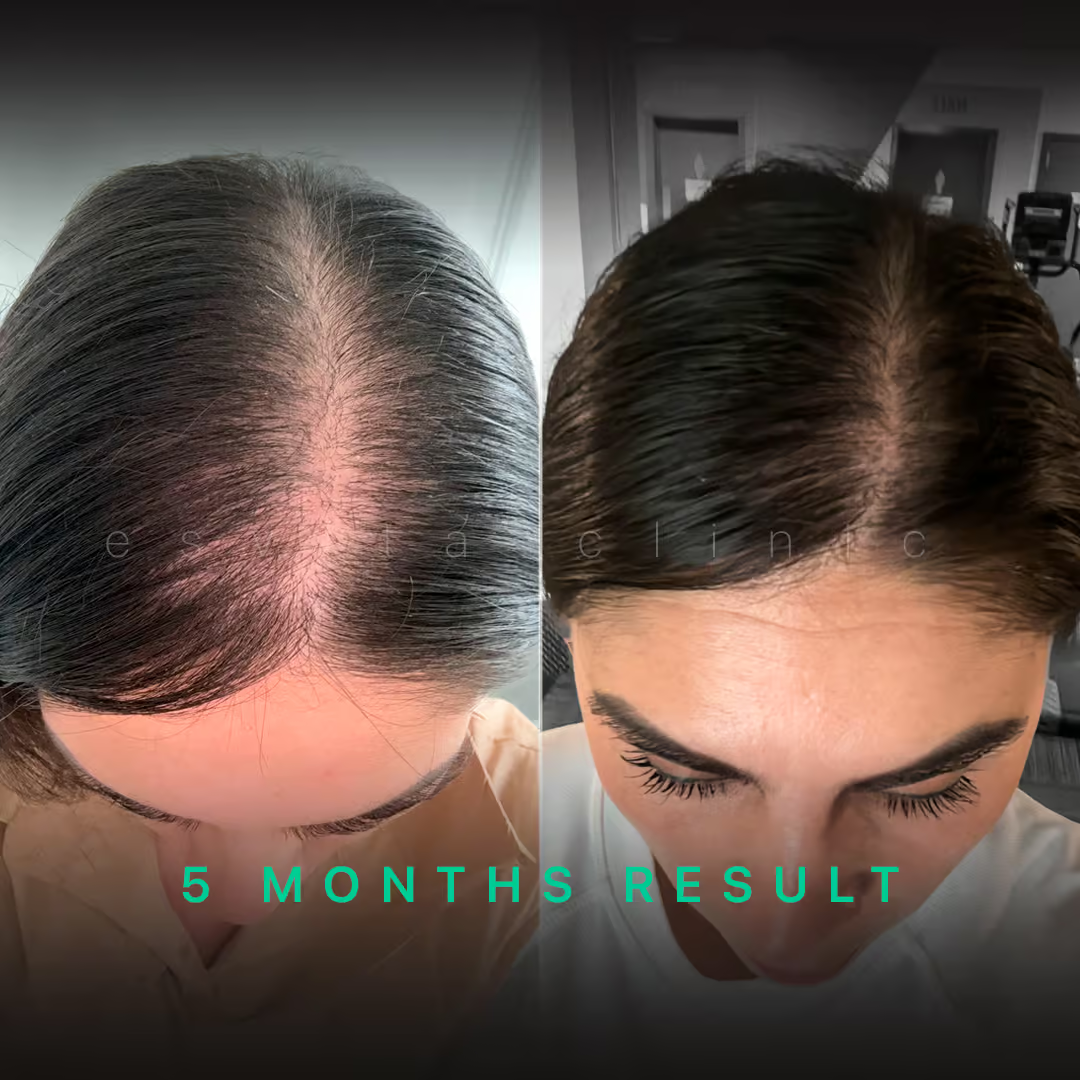
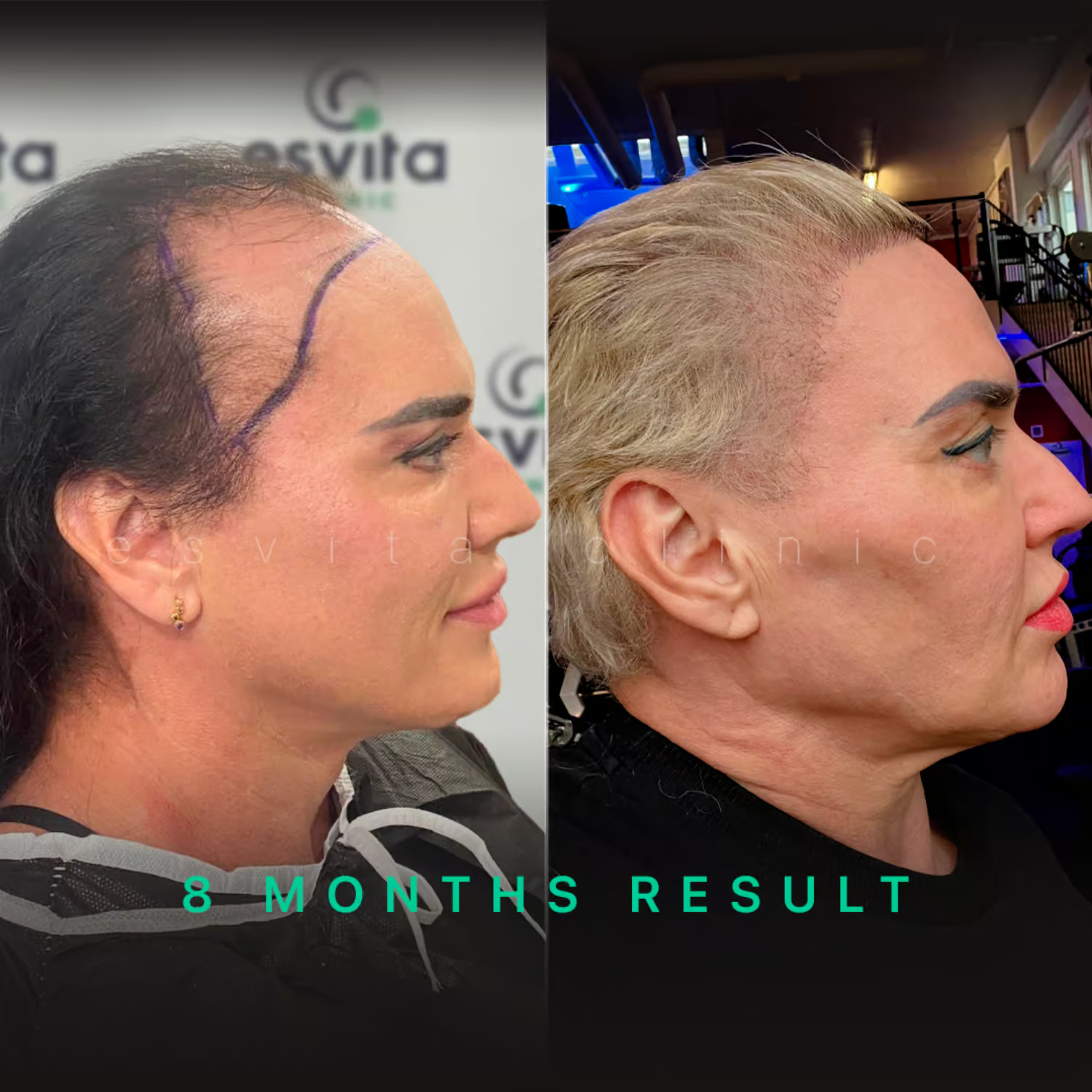
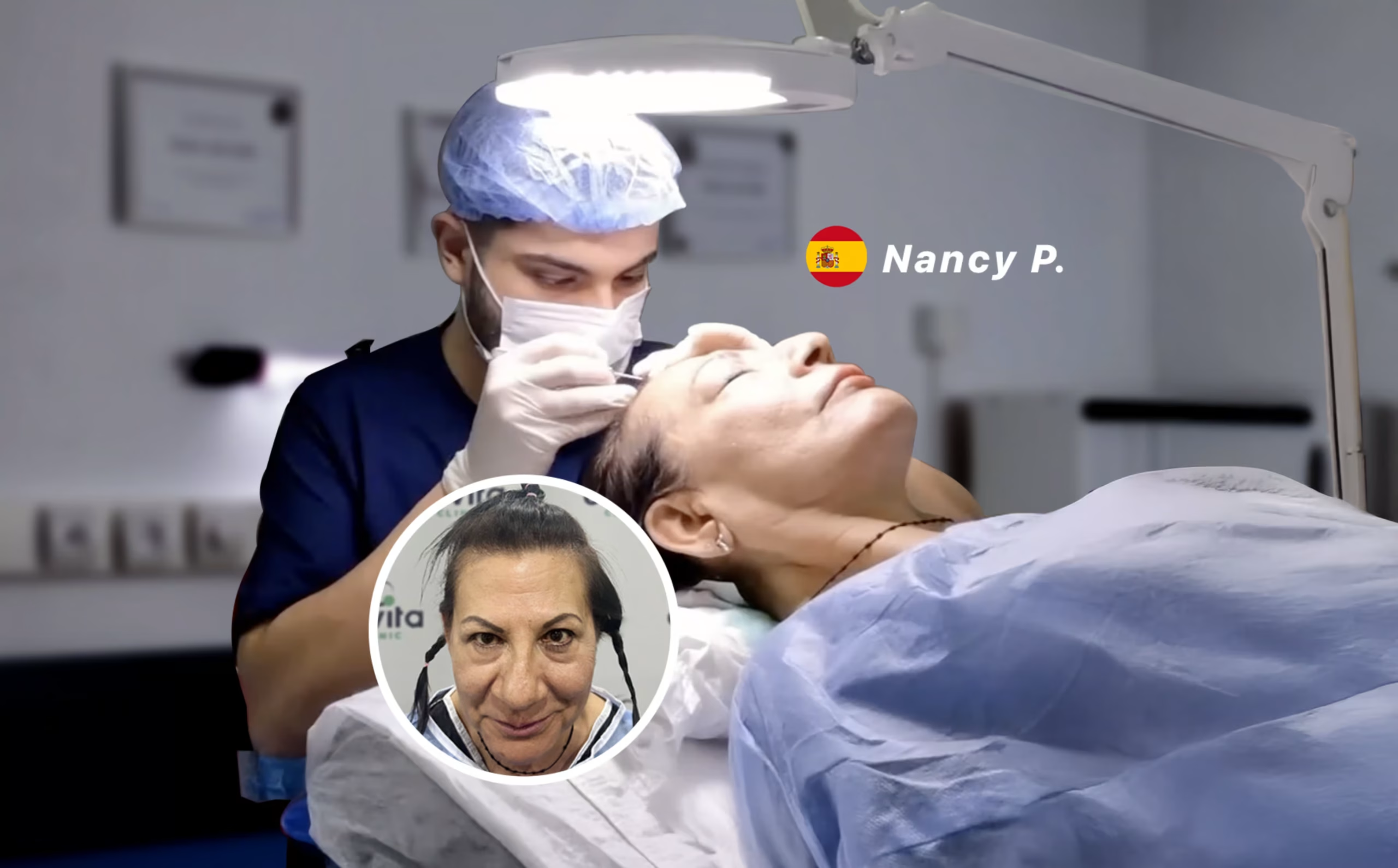
Female Hair Transplant in Istanbul, Turkey at Esvita Clinic offers a personalized solution for women experiencing permanent thinning, a widening hair part, receding temples, or reduced hairline density. The treatment transfers healthy hair follicles from a suitable donor area to parts of the scalp affected by hair loss. Each procedure is planned around the patient’s hair texture, existing density, loss pattern, and aesthetic goals. Using techniques such as FUE and DHI, specialists aim to create natural coverage while preserving a soft, feminine appearance. However, a detailed diagnosis remains essential because not every type of female hair loss requires or responds to transplantation.
🔍 What Is a Female Hair Transplant?
A Female Hair Transplant is a surgical hair restoration procedure that moves healthy, genetically resistant hair follicles from a donor area to thinning or balding areas of the scalp. The donor follicles usually come from the back or sides of the head. Female hair loss often appears differently from male pattern baldness.
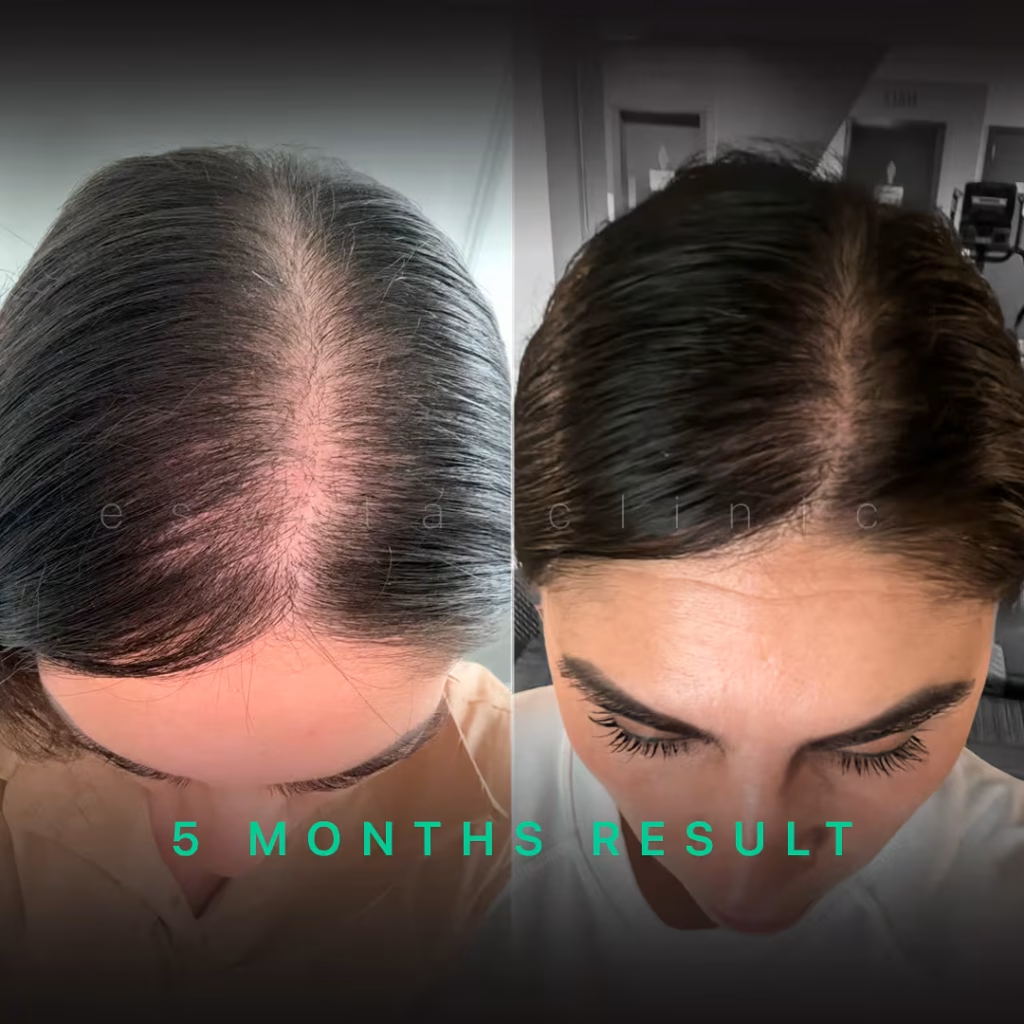
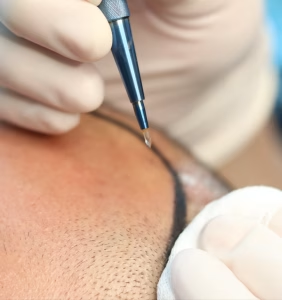
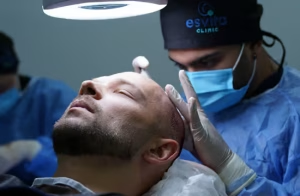
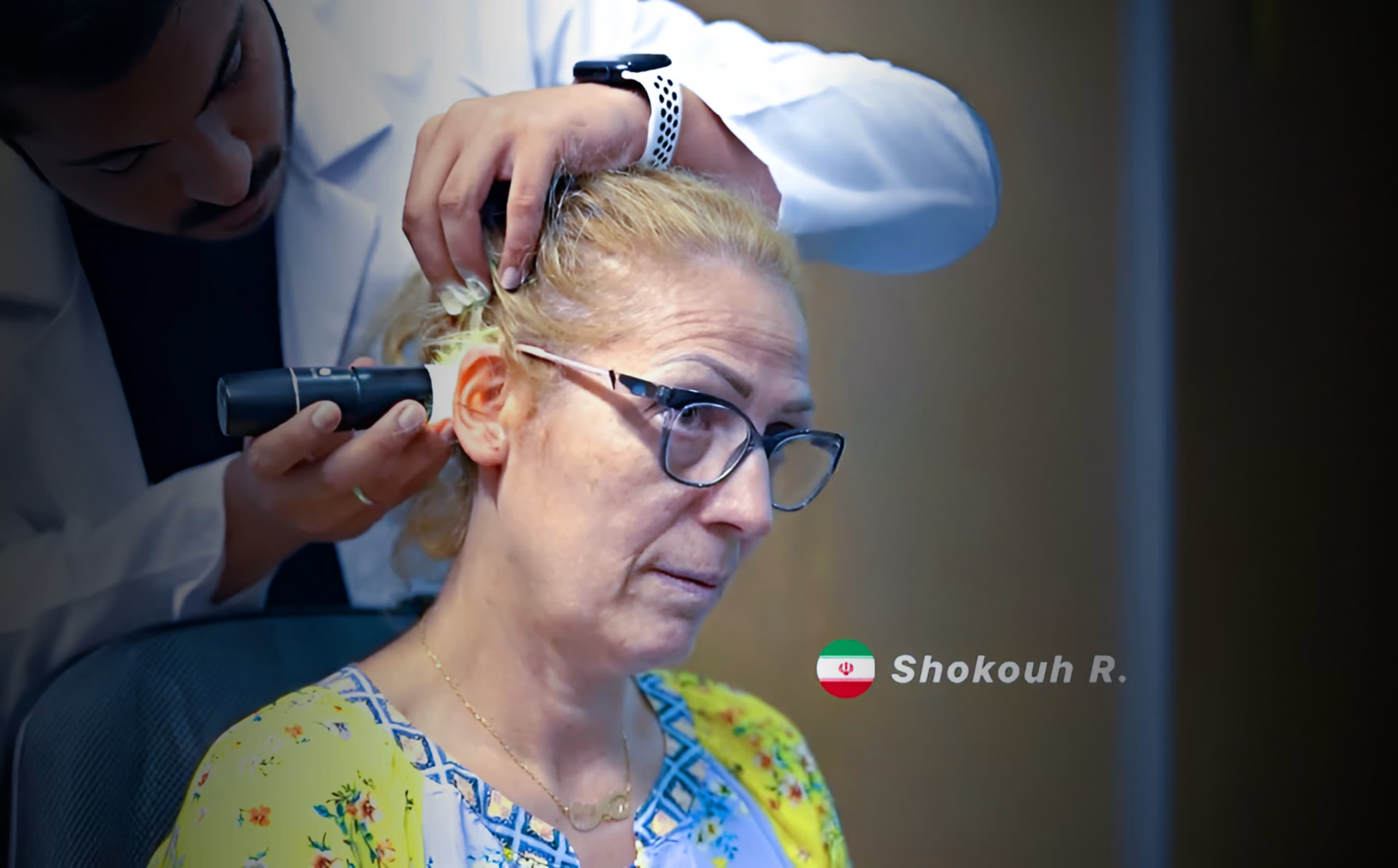
Many women notice a widening central part, reduced ponytail volume, diffuse thinning, temple recession, or changes around the frontal hairline. Female pattern hair loss is common, but hormonal changes, stress, nutritional deficiencies, thyroid disorders, traction from tight hairstyles, autoimmune conditions, and medical treatments may also contribute to thinning. During the procedure, specialists extract individual follicular units from the donor area. They then implant the grafts into carefully planned recipient sites. The direction, angle, spacing, and distribution of each graft influence the final appearance. Female Hair Transplant procedures at Esvita Clinic may use FUE or DHI techniques. The clinic states that treatment is performed under local anesthesia and usually takes several hours, depending on the number of grafts and the selected technique. The transplanted hairs may initially shed as the follicles enter a temporary resting phase. New growth usually develops gradually over the following months.
🩺 Types of Female Hair Transplant
- FUE Female Hair Transplant – Individual follicular units are extracted from the donor area and implanted into thinning sections of the scalp. FUE avoids a long linear donor scar and allows the specialist to distribute grafts according to the patient’s natural growth pattern.
- DHI Female Hair Transplant – Extracted follicles are implanted with a specialized implanter tool. This method gives the treatment team detailed control over placement, direction, angle, and density, which can be useful when working between existing hairs.
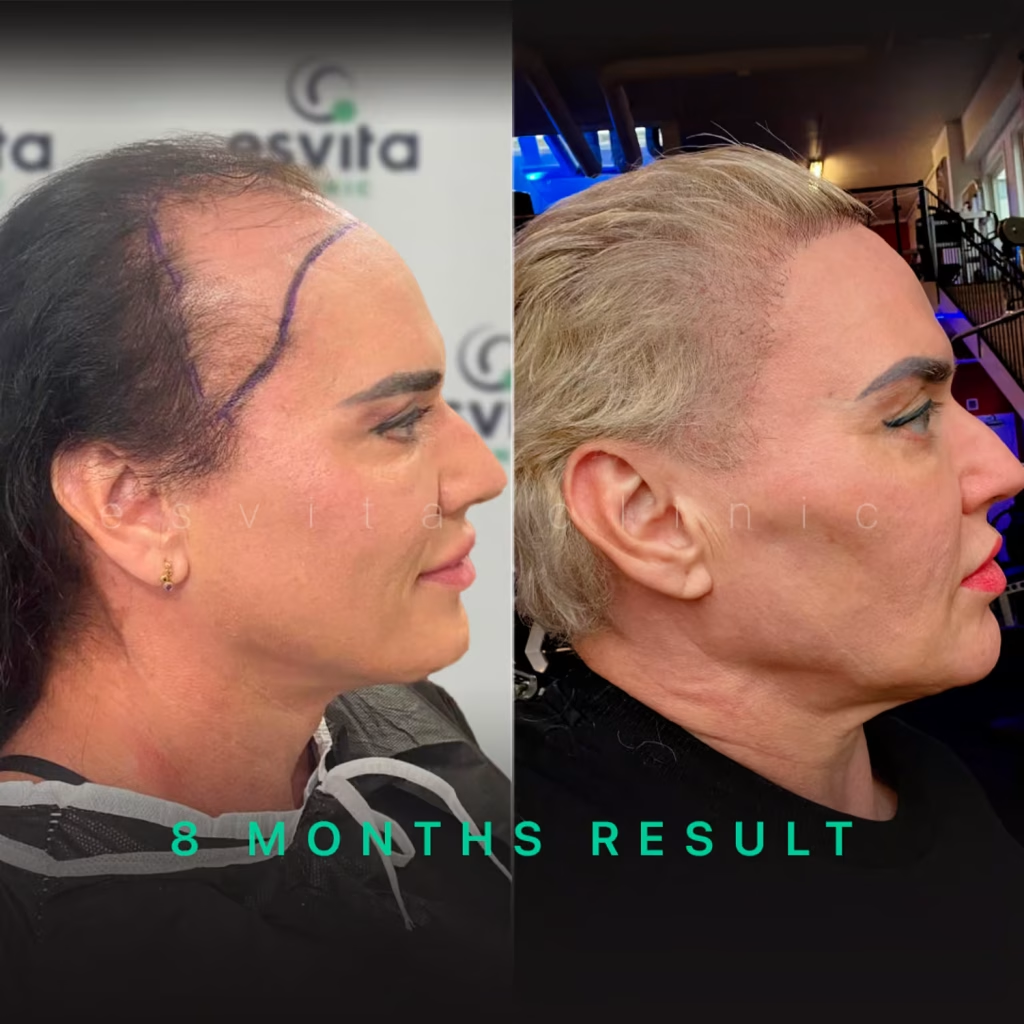
- Female Hairline and Temple Restoration – Follicles are placed along the frontal hairline, temples, or side areas to improve framing and restore softer proportions. The hairline design is customized to the patient’s facial structure, natural growth direction, and existing density.
- Central Part and Crown Density Restoration – Grafts are distributed through areas affected by widening or diffuse thinning. Careful placement between existing follicles is important to improve coverage while minimizing unnecessary trauma to native hair.
🩺 Who Is a Good Candidate?
A Female Hair Transplant may benefit women with permanent and sufficiently stable hair loss who also have a healthy donor area.
A specialist should first determine the cause of thinning because temporary shedding, active inflammatory conditions, and widespread donor miniaturization may require medical treatment rather than immediate surgery.
✔️ Women with a widening hair part or localized areas of permanent thinning
✔️ Patients with female pattern hair loss that has been medically assessed
✔️ Women with a receding frontal hairline or reduced temple density
✔️ Patients with stable traction alopecia after stopping the damaging hairstyle
✔️ Women with permanent hair loss following a healed injury or previous procedure
✔️ Patients who have enough healthy donor hair at the back or sides of the scalp
📝 Consultation & Preparation
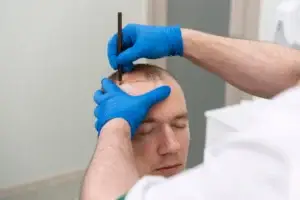
Consultation is an essential part of Female Hair Transplant planning. The medical team must assess both the recipient area and the donor area before recommending surgery. Women with diffuse hair loss may require additional investigation because thinning can also affect the donor region.
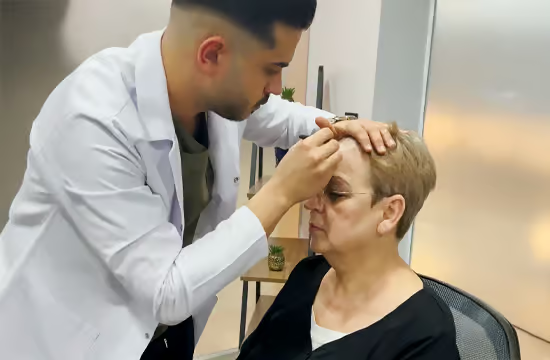
✔️ Detailed evaluation of the scalp, donor area, hairline, part, and thinning zones
✔️ Assessment of hair texture, follicle quality, density, curl, color, and growth direction
✔️ Review of when the hair loss began and whether it is stable or still progressing
✔️ Discussion of pregnancy history, menopause, hormonal concerns, stress, and family history
✔️ Review of thyroid conditions, anemia, autoimmune disease, scalp disorders, and previous treatments
✔️ Evaluation of medications, supplements, allergies, and previous surgical procedures
🩺 Recovery & Aftercare
Recovery after a Female Hair Transplant is usually gradual. Temporary redness, sensitivity, swelling, and small crusts may develop around the donor and recipient areas. Most visible crusting settles during the early healing period, but patients must follow the clinic’s washing and scalp-care instructions carefully.
✔️ Mild scalp redness, tightness, swelling, or tenderness may occur during early recovery
✔️ Small crusts may form around the transplanted grafts and usually shed gradually
✔️ Patients should avoid touching, scratching, rubbing, or picking the implanted area
✔️ Hair should be washed only according to the technique and schedule provided by the clinic
✔️ Sleeping with the head elevated may help reduce early swelling
✔️ Heavy exercise, swimming, saunas, and activities that cause excessive sweating should be avoided initially
🌍 Why Choose Esvita Clinic for Female Hair Transplant in Istanbul?
Choosing a suitable clinic is especially important for female hair restoration because women often experience diffuse or medically influenced hair loss. Esvita Clinic provides individualized treatment planning based on the patient’s scalp condition, donor capacity, hair characteristics, loss pattern, and desired appearance. Its female hair transplant program includes FUE and DHI options, local anesthesia, pre-procedure assessment, aftercare guidance, and international patient coordination.

✔️ Personalized treatment plans designed around female hair loss patterns
✔️ Availability of FUE and DHI hair transplantation techniques
✔️ Careful assessment of both donor and recipient areas before treatment
✔️ Customized planning for the hairline, temples, part, crown, or localized thinning
✔️ Graft placement based on natural hair angle, direction, spacing, and distribution
✔️ Partial-shave or limited-shave options when medically and technically appropriate
✔️ Procedure performed under local anesthesia according to the treatment plan
✔️ Guidance for preparation, scalp washing, healing, and long-term hair growth
✔️ International patient coordination for treatment planning and travel arrangements
💬 Patient Reviews
⭐️⭐️⭐️⭐️⭐️
“I had been struggling with a widening part for several years, and it affected how I styled my hair every day. The consultation helped me understand what could realistically be improved. The new growth developed gradually and looks soft, balanced, and natural.” – Amelia R., United Kingdom
⭐️⭐️⭐️⭐️⭐️
“My main concern was thinning around the front of my scalp. The team carefully discussed the hairline design and made sure it suited my facial features. Recovery required patience, but the improvement in coverage has made me feel much more comfortable.” – Sophia M., Canada
⭐️⭐️⭐️⭐️⭐️
“I appreciated that the assessment focused on the cause of my hair loss before discussing surgery. Every stage was explained clearly, including donor limitations and the growth timeline. The result looks natural because the transplanted hairs follow the direction of my existing hair.” – Elena P., Spain
⭐️⭐️⭐️⭐️⭐️
“I did not want an obvious or overly low hairline. My goal was simply to restore density around my temples and make the front look fuller. The final design was subtle and feminine, and it blends very well with the rest of my hair.” – Giulia B., Italy
⭐️⭐️⭐️⭐️⭐️
“The first few days involved redness and small crusts, but the aftercare instructions were easy to follow. I was prepared for the temporary shedding phase, so I did not panic when it happened. Month by month, the new growth became more noticeable.” – Hannah W., Germany
⭐️⭐️⭐️⭐️⭐️
“I travelled to Istanbul alone and was initially nervous about managing the treatment abroad. The coordination and instructions made the process much easier. I always knew what the next step was, from the consultation and procedure to washing and follow-up.” – Claire D., France
⭐️⭐️⭐️⭐️⭐️
“My hair had become thinner around the central part, and I found myself using concealing products every day. The transplant did not create an unrealistic amount of hair, but it improved the coverage in a very natural way. I feel less self-conscious now.” – Olivia S., Australia
⭐️⭐️⭐️⭐️⭐️
“The team was honest about what could be achieved with my available donor hair. I valued that realistic approach because I did not want exaggerated promises. The growth took time, but the final density and overall shape suited my expectations very well.” – Nora A., United Arab Emirates
⭐️⭐️⭐️⭐️⭐️
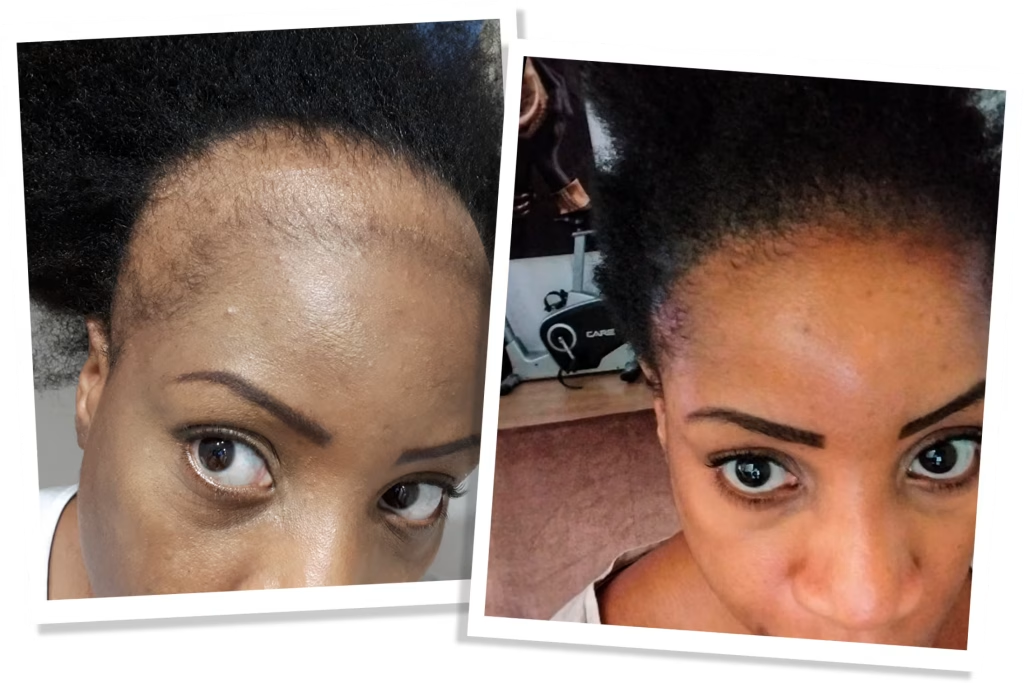
“My temple recession made my hairline look uneven, especially when I tied my hair back. The transplanted follicles were placed in a soft pattern rather than a straight line. Once the growth matured, the restored areas looked like part of my natural hairline.” – Isabelle L., Belgium
⭐️⭐️⭐️⭐️⭐️
“Choosing a female hair transplant was a major decision for me. The detailed consultation, careful planning, and regular recovery guidance gave me confidence throughout the process. The result developed slowly, but it now looks refined and appropriate for my face.” – Maya K., USA


 🌐 Why Choose Esvita Clinic?
 🏙️ Why Travel to Istanbul for Esvita Clinic?