

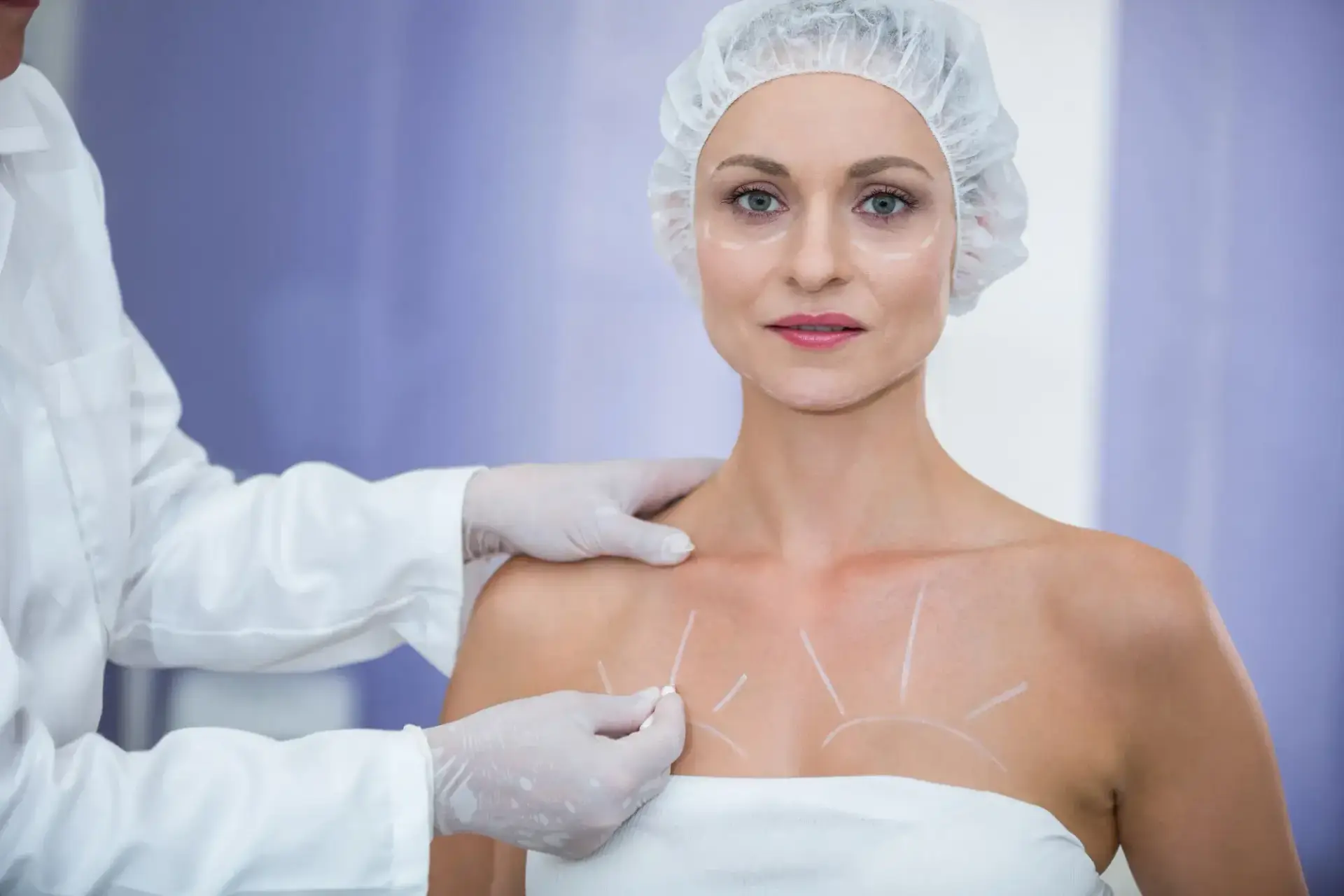
For many women, breast reconstruction is not a cosmetic choice. It is a step toward feeling whole again after a mastectomy, lumpectomy, or years of living with a condition that took something deeply personal. The decision to pursue reconstruction is emotional, medical, and deeply individual — and the cost of that care should never be the reason a woman delays it.
Turkey has become one of the most sought-after destinations for breast reconstruction among international patients, and it is not hard to understand why. The country combines internationally accredited hospitals, board-certified plastic surgeons with decades of experience, and treatment costs that are a fraction of what patients face in the United States, United Kingdom, or Western Europe. This is not about cutting corners. It is about a healthcare system built on volume, efficiency, and a strong tradition of medical excellence that has been drawing patients from across the world for over two decades.
Women who travel to Turkey for breast reconstruction come from every background. Some have completed breast cancer treatment and are finally ready to take this next step. Others experienced unsatisfactory results from a previous reconstruction and are seeking revision. Many simply could not afford the procedure at home and refused to wait years on a public healthcare list. Whatever the reason, Turkey offers a path that combines quality care with genuine financial relief.
This page is designed to give you everything you need to make a well-informed decision — from what the procedure actually involves, to realistic costs, to what your journey from inquiry to recovery will look like step by step. There are no guarantees here, no inflated promises. Just clear, honest information from a patient-first perspective.
Breast Reconstruction in Turkey — Key Highlights
- Breast reconstruction rebuilds the breast mound after mastectomy or significant breast tissue loss, either using implants or the patient’s own tissue
- Procedures performed by board-certified plastic surgeons trained in Europe and the United States
- Hospitals hold JCI accreditation and operate to international safety standards
- Cost in Turkey is 60–75% lower than in the USA or UK, without sacrificing quality
- Both implant-based and autologous (flap) reconstruction techniques are available
- Immediate and delayed reconstruction options are offered based on individual medical history
- Most patients require a stay of 5 to 10 days depending on the technique used
- Dedicated international patient coordinators handle travel logistics, translation, and aftercare planning
What Is Breast Reconstruction and How Does It Work?
Breast reconstruction is a surgical procedure that rebuilds the shape, size, and appearance of the breast after it has been removed or significantly altered, most commonly due to breast cancer treatment. It is considered a restorative procedure, not purely aesthetic, and it plays a meaningful role in the psychological and physical recovery of many women following mastectomy.
There are two broad approaches to breast reconstruction. The first is implant-based reconstruction, where a silicone or saline implant — sometimes preceded by a tissue expander — is used to recreate the breast mound. The second is autologous reconstruction, which uses the patient’s own tissue, typically taken from the abdomen (TRAM or DIEP flap), back (latissimus dorsi flap), or thighs, to form a natural breast shape. Each method has its own recovery timeline, risks, and aesthetic outcomes, and the right choice depends on the patient’s body type, cancer treatment history, and personal goals.
In Turkey, surgeons work closely with oncology teams to determine the most appropriate technique for each patient. Many women opt for immediate reconstruction, performed at the same time as the mastectomy, while others prefer delayed reconstruction once cancer treatment is complete and the body has had time to heal. Both timelines are well-supported in Turkish hospitals with strong multidisciplinary teams.
The reason patients travel abroad for this procedure often comes down to access and affordability. In countries like the United States, breast reconstruction can cost anywhere from $15,000 to $50,000 or more depending on the technique, and even with insurance, out-of-pocket costs can be significant. In the United Kingdom, NHS waiting times for reconstruction can stretch to years. Turkey offers a realistic alternative — experienced surgeons, accredited facilities, and transparent pricing — without asking patients to compromise on the standard of care they receive.
How Much Does Breast Reconstruction Cost in Turkey?
Breast reconstruction cost in Turkey generally ranges from $3,500 to $12,000, depending on the technique used, the complexity of the case, the surgeon’s experience level, and the specific plastic surgery clinic in Turkey selected. Implant-based reconstruction tends to fall at the lower end of this range, while complex autologous flap procedures such as DIEP flap reconstruction sit at the higher end due to the surgical time and specialist expertise involved.
Several factors directly influence the final cost:
- Reconstruction technique — Implant-based procedures cost less than flap-based surgeries
- Unilateral vs bilateral — Reconstructing one breast costs less than both
- Immediate vs delayed — Combining reconstruction with mastectomy may affect total surgical costs
- Tissue expander use — Some cases require a staged approach with an expander before the final implant
- Surgeon experience — More senior surgeons with subspecialty training may charge higher fees
- Hospital grade — Private JCI-accredited hospitals carry slightly higher facility fees than smaller private clinics
- Additional procedures — Nipple reconstruction, areola tattooing, or symmetry procedures on the opposite breast add to the total
Despite these variables, Turkey consistently offers a substantial cost advantage over Western countries.
Cost Comparison Table
| Procedure | Turkey | USA | UK |
|---|---|---|---|
| Implant-Based Reconstruction (Unilateral) | $3,500 – $6,000 | $15,000 – $25,000 | £10,000 – £18,000 |
| DIEP Flap Reconstruction | $7,000 – $12,000 | $30,000 – $55,000 | £20,000 – £40,000 |
| Bilateral Reconstruction | $6,000 – $14,000 | $25,000 – $60,000 | £18,000 – £45,000 |
| Nipple Reconstruction Add-on | $500 – $1,200 | $3,000 – $6,000 | £2,000 – £4,000 |
These figures are general estimates. Your final quote will be provided after a medical evaluation and review of your case details. Prices should not be compared without accounting for what is included — many Turkish packages for plastic surgery cover hospital fees, anesthesia, and follow-up consultations that would be billed separately in the United States.
Who Is a Good Candidate for Breast Reconstruction?
Not every woman is ready for reconstruction at the same stage, and not every technique is suitable for every body. A thorough medical evaluation is always the starting point. That said, women who typically pursue breast reconstruction in Turkey include:
- Women who have completed mastectomy for breast cancer and are now cancer-free or in stable remission
- Those who had a mastectomy years ago and are only now considering reconstruction
- Women who are unhappy with a previous reconstruction result and are seeking revision surgery
- Patients who have lost significant breast tissue due to trauma, infection, or radiation damage
- Those in good general health with no active medical conditions that would complicate surgery or anesthesia
- Non-smokers, or those willing to stop smoking well before and after surgery
- Women with realistic expectations about what reconstruction can and cannot achieve aesthetically
Women who may not be suitable candidates at the time of inquiry include:
- Those currently undergoing active chemotherapy or radiation therapy
- Patients with uncontrolled diabetes, cardiovascular conditions, or significant obesity
- Those with active infections or open wounds in the surgical area
- Women who smoke heavily and are unwilling to stop prior to surgery
- Anyone who has not yet completed cancer treatment and received medical clearance
A proper assessment by the treating surgeon is the only reliable way to confirm candidacy. Medical history, imaging, and in some cases blood work will be reviewed before a recommendation is made.
Your Patient Journey — Step by Step
Initial Inquiry
You reach out through the patient coordination team, sharing basic information about your medical background, the type of reconstruction you are considering, and your timeline. No commitment is required at this stage.
Medical File Submission
You will be asked to provide your surgical history, pathology reports if available, any prior reconstruction records, and recent photographs if relevant. This allows the surgeon to review your case before your consultation.
Surgeon Evaluation
A qualified plastic surgeon reviews your file and either provides a preliminary recommendation in writing or schedules a video consultation to discuss your case in more detail. Questions are encouraged at this stage.
Treatment Plan and Quote
Based on the evaluation, you receive a clear treatment plan outlining the recommended technique, approximate timeline, and a detailed cost breakdown. There are no hidden fees.
Travel Planning
Once you decide to proceed, the coordination team assists with appointment scheduling, guidance on what to bring, and recommendations for accommodation near the hospital. Many patients arrange travel independently; some prefer packages that include airport transfers and hotel bookings.
Arrival and In-Person Consultation
On arrival in Turkey, you meet your surgeon in person. Pre-operative tests are completed — blood work, imaging, anesthesia assessment — and your final surgical plan is confirmed. Any remaining questions are answered before you sign consent forms.
Procedure Day
Surgery takes place in an accredited hospital under general anesthesia. Depending on the technique, the procedure lasts between two and eight hours. You are monitored closely by the surgical and nursing team throughout.
Hospital Stay and Immediate Recovery
Most patients remain in hospital for two to four nights. Drains may be placed to remove fluid and are typically removed before discharge or at a follow-up appointment. Pain is managed with medication, and nursing staff are available throughout your stay.
Follow-Up Appointments
Before you leave Turkey, you will attend at least one post-operative check with your surgeon. Wound healing is assessed, dressings are changed if needed, and you receive written aftercare instructions.
Return Home and Remote Support
Once you return home, your coordination team stays in contact. Follow-up questions are answered remotely, and your surgeon remains available for consultations via video call during the recovery period.
Why Turkey for Breast Reconstruction?
Turkey’s reputation in medical tourism did not appear overnight. It developed over decades of investment in private healthcare infrastructure, surgical training programs, and international patient services. Today, Istanbul and other major cities like Ankara and Izmir are home to hospitals that routinely handle complex reconstructive cases from patients across Europe, the Middle East, and North America.
JCI accreditation — the international gold standard for hospital quality and safety — has been granted to dozens of Turkish hospitals. Surgeons frequently train in Germany, France, the United Kingdom, and the United States before returning to practice in Turkey. The level of technical skill available is genuinely comparable to Western standards, while the operational costs in Turkey allow clinics to price procedures at a level that makes international travel financially worthwhile.
Beyond the medical setting, Turkey is a practical destination. Direct flights from most European cities take two to four hours. Istanbul’s airports are among the busiest in the world, well-connected to North America, the Middle East, and East Asia. English is widely spoken in medical settings, and the country’s hospitality culture means patients rarely feel isolated or unsupported during their stay.
Recovery in Turkey can also be genuinely comfortable. Private hospitals have hotel-standard rooms, and Istanbul in particular offers a wide range of accommodation options near major medical centers to suit every budget.
What Is Included in a Breast Reconstruction Package in Turkey?
- Initial online or in-person consultation with the plastic surgeon
- Pre-operative medical tests (blood work, ECG, imaging as required)
- The surgical procedure itself, including all operating room costs
- General anesthesia and anesthesiologist fees
- Hospital stay (typically two to four nights)
- Surgical garments provided post-operatively
- Post-operative dressings and wound care during your stay
- Follow-up consultation before departure
- Remote support and coordination during recovery
What Is Not Included?
- International or domestic flights
- Accommodation outside of the hospital stay (unless booked as part of a specific package)
- Additional diagnostic tests not included in the standard pre-operative panel
- Companion travel or accommodation expenses
- Extended hospital stay beyond the standard duration
- Secondary or revision procedures not discussed in the original plan
- Travel insurance (strongly recommended and arranged independently)
- Personal expenses during your time in Turkey
Recovery and Aftercare
Recovery from breast reconstruction varies considerably depending on the technique used. Implant-based reconstruction generally involves a shorter, less demanding recovery than flap-based procedures, which require more healing time due to the donor site as well as the breast itself.
In the first one to two weeks, fatigue and soreness are normal. Most patients are mobile within a day or two of surgery but will need to avoid lifting, reaching overhead, or any strenuous activity. Sleeping on your back with the upper body slightly elevated is recommended during this period.
By weeks three to six, most patients feel significantly more comfortable. Light walking is encouraged from early on. Swelling and changes in breast shape are normal and expected during this phase — the final result takes months to fully develop as tissue settles.
Activity restrictions typically include no heavy lifting for six weeks, no high-impact exercise for eight to twelve weeks, and no swimming until wounds are fully healed. Your surgeon will provide specific guidance based on your procedure.
Long-term, the results of breast reconstruction are intended to be lasting. Implants may require monitoring or eventual replacement over time. Autologous reconstructions using your own tissue tend to age more naturally and do not typically require replacement. Full aesthetic results — including the final shape, softness, and symmetry of the reconstructed breast — are usually visible at the six to twelve month mark.
Risks and Considerations
Breast reconstruction is a significant surgical procedure, and like all surgeries, it carries risks. These include general surgical risks such as bleeding, infection, and reactions to anesthesia, as well as procedure-specific risks such as implant complications (capsular contracture, rupture, or displacement), flap failure in autologous cases, changes in sensation, asymmetry, and scarring.
Choosing a qualified, experienced surgeon and an accredited facility substantially reduces the likelihood of complications. Patients who follow pre-operative and post-operative instructions carefully — including stopping smoking, attending all follow-up appointments, and avoiding activity restrictions — tend to have better outcomes.
Informed decision-making is central to a good experience. Before proceeding, patients should have a thorough discussion with their surgeon about the realistic outcomes, the specific risks relevant to their technique and health history, and what the revision process looks like if adjustments are needed.
Frequently Asked Questions
What is the cost range of breast reconstruction in Turkey?
Breast reconstruction in Turkey generally costs between $3,500 and $12,000 depending on the technique, complexity, and hospital. Implant-based procedures sit at the lower end of this range, while DIEP flap and other autologous reconstructions are priced higher due to their surgical complexity. A precise quote is only possible after a medical review of your individual case.
How long do I need to stay in Turkey for breast reconstruction?
Most patients plan for a stay of 7 to 10 days. This allows time for pre-operative tests, the procedure itself, two to four nights of hospital recovery, and at least one post-operative consultation before flying home. Flap-based reconstructions may require a slightly longer stay than implant-based ones.
Is breast reconstruction in Turkey safe?
Turkey has a well-established medical tourism sector with dozens of JCI-accredited hospitals. Surgeons performing reconstructive procedures have international training and significant case volumes. As with any medical travel, safety depends on choosing a reputable hospital and a qualified surgeon — not simply selecting the lowest price available.
How long does recovery take before I can return to normal activities?
Light daily activity is usually possible within two to three weeks. Most patients return to desk-based work within three to four weeks. Strenuous exercise, heavy lifting, and physically demanding work should be avoided for six to twelve weeks depending on the procedure and individual healing.
When will I see the final results of my reconstruction?
Initial results are visible immediately after surgery, but swelling, bruising, and tissue changes mean the breast continues to evolve for months. Most patients see their final result — including the settled shape, softness, and symmetry — at around six to twelve months post-surgery.
Is it safe to fly after breast reconstruction surgery?
Most surgeons recommend waiting at least seven to ten days before flying after implant-based reconstruction, and slightly longer after flap procedures. The risk of deep vein thrombosis during long-haul flights is a consideration, and your surgical team will advise you on compression garments, hydration, and movement during the flight.
Am I a suitable candidate if I am still receiving cancer treatment?
Reconstruction is generally not performed while a patient is actively receiving chemotherapy or radiation therapy. Most surgeons require that treatment is complete and that the oncology team has given medical clearance before reconstruction is planned. If you are close to completing treatment, you can begin the inquiry process while your case is being evaluated.
Will the procedure be painful?
Post-operative discomfort is expected and managed with prescribed pain medication during your hospital stay and in the days following discharge. Most patients describe the discomfort as manageable rather than severe, though this varies by procedure type and individual pain tolerance. Flap reconstructions involving a donor site typically involve more initial discomfort than implant-based procedures.
How long do the results of breast reconstruction last?
Autologous reconstructions using your own tissue are designed to be permanent and tend to age naturally with your body. Implant-based reconstructions are long-lasting but may require monitoring over time, and implants can occasionally need replacement after ten to twenty years. Your surgeon will explain the expected longevity based on the technique recommended for your case.
What follow-up care is available after I return home?
Before you leave Turkey, you will receive written aftercare instructions and a summary of your procedure. Your coordination team remains available remotely, and most surgeons offer video follow-up consultations. You are also advised to register with a local physician or specialist at home who can be involved in your ongoing care if needed.
Ready to Take the Next Step?
Breast reconstruction is a personal decision, and the process of exploring your options should feel supported — not pressured. Whether you are just beginning to research your possibilities or you have already made your decision and want to understand the logistics, the right starting point is a conversation.
A patient coordinator can review your situation, answer your questions, and connect you with a qualified surgical team for a professional evaluation. There is no obligation at this stage, and no decision needs to be made before you are ready.
This kind of care deserves careful planning. When you choose to move forward, you will have a team behind you from the first inquiry to your recovery at home — handling the details, keeping communication clear, and making sure your experience in Turkey is as smooth and well-supported as possible.
Reach out when you are ready. Your consultation is the first step.
Featured Plastic Surgery Procedures in Turkey
Procedures discussed in this article, available across Turkey.

Breast Augmentation in Istanbul, Turkey by Medical Park Hospitals
Enhance your confidence and restore natural curves with advanced breast implant surgery at Medical Park. At…
Gynecomastia in Istanbul, Turkey by Esvita Clinic
Personalized Male Breast Reduction for Improved Chest Contour, Physical Comfort & Renewed Confidence.…
Eyelid Surgery (Blepharoplasty) in Istanbul, Turkey by Dr. Gurkan Kayabasoglu
Advanced Eyelid Rejuvenation for Brighter Eyes, Refreshed Expression, and Natural Facial Harmony. Blepharoplasty,…

Brazilian Butt Lift in Istanbul, Turkey by Esvita Clinic
Natural Fat Transfer for Fuller Curves, Improved Proportion & a More Sculpted Silhouette. A Brazilian Butt…

Breast Lift in Istanbul, Turkey by Esvita Clinic
Advanced Mastopexy for Lifted Breast Position, Improved Shape & Balanced Body Proportions. Breast Lift surgery…

Brazilian Butt Lift in Istanbul, Turkey by International Plus
Enhance Your Curves Naturally with Sculpted Volume and Balanced Proportions. Brazilian Butt Lift (BBL) is a body…
Recommended Plastic Surgery Clinics in Turkey
Trusted clinics specializing in Plastic Surgery across Turkey.
International Plus
International Plus. Turkey’s Premium Provider for Aesthetic, Dental, Bariatric & Hair Restoration Care.…
Dr. Gurkan Kayabasoglu
Dr. Gürkan Kayabaşoğlu. Istanbul’s Leading Facial Plastic Surgery Specialist. Dr. Gürkan Kayabaşoğlu is a facial…
Esvita Clinic
Esvita Clinic. Hair Transplant, Plastic Surgery & Dental Treatments in Istanbul. Esvita Clinic offers…

Medical Park Hospital
Medical Park Hospital. Turkey’s Largest Private Hospital Network for Advanced Care. Medical Park Hospital is the…

Memorial Hospital
Memorial Hospital. Turkey’s Leading Network for Advanced Medicine. Memorial Hospital is Turkey’s most…

Pendik Yüzyıl Hospital
Pendik Yüzyıl Hospital. Comprehensive Healthcare in Istanbul's Asian Side. Pendik Yüzyıl Hospital is a…
Explore Tours in Turkey
Discover the best places to visit in Turkey and explore its rich culture, breathtaking landscapes, iconic attractions, and unforgettable travel experiences.
Turkey: Istanbul Guided Tour
Full-Day Private Experience | History, Culture & Comfort Experience Istanbul in One Perfect Day Discover the…

Turkey: Private Cappadocia Tour: Hot Baloon Ride & Museum
Embark on a private guided journey through Cappadocia, a land of rich history and natural wonder. Your local…

Turkey: Istanbul Guided Walking Tour – Full Day
Private Walking Experience | History, Culture & Iconic Landmarks Walk Through the Heart of Istanbul. Step into…

Turkey: Full Day Pamukkale Tour
Discover the stunning natural beauty and ancient history of Pamukkale on this private guided tour. Marvel at the…
Turkey: Istanbul Combo: Classic City Tour & Bosphorus Cruise
Experience Istanbul Like a VIP. Step into the heart of one of the world’s most fascinating cities with a private,…

Turkey: Half-Day Istanbul Private Food Tour & Culinary Experience
Taste the Real Istanbul. Experience Istanbul beyond the landmarks — through its rich and vibrant food culture.…
More Plastic Surgery Articles About Turkey
Keep reading about Plastic Surgery care and travel in Turkey.

Breast Reduction in Turkey Cost and Clinics
Turkey has become one of the world’s leading destinations for cosmetic and reconstructive breast surgery,…

Breast Lift Surgery in Turkey Cost and Clinics
Breast lift surgery, also known as mastopexy, is a popular cosmetic procedure designed to lift and reshape sagging…

Best Countries for Plastic Surgery in the World
Plastic surgery has become a global industry — and millions of people travel abroad every year to enhance their…
Arm Lift in Turkey Cost and Clinics
Individuals struggling with loose or sagging skin in the upper arms are increasingly seeking advanced cosmetic…

Breast Augmentation in Turkey Cost and Clinics
Turkey has become one of the world’s top destinations for affordable and high-quality cosmetic surgery, especially…

BBL Cost in Turkey and Clinics
BBL surgery in Turkey costs between $2,800 and $5,000, offering up to 70% savings compared to U.S. prices while…

Leave a Comment
Share your thoughts on this article, or ask us a question -- we'd love to hear from you.