
















Advanced Spine Care for Reduced Tissue Disruption, Faster Recovery & Improved Mobility
Minimally Invasive Spine Surgery (MISS) is a modern surgical approach used to treat various spinal conditions while minimizing disruption to surrounding muscles and tissues. By utilizing specialized instruments and smaller incisions, this technique aims to address spinal problems with less trauma compared to traditional open surgery. Patients seeking treatment for chronic back pain, nerve compression, spinal instability, or certain degenerative spine conditions may benefit from minimally invasive techniques when recommended by their spine specialist.
Many patients choose Minimally Invasive Spine Surgery because it may offer reduced postoperative discomfort, smaller incisions, shorter hospital stays, and a faster return to daily activities. The approach focuses on preserving healthy tissues while providing access to the affected area of the spine. As advancements in spine surgery continue to evolve, minimally invasive techniques have become an important option for appropriately selected patients seeking effective treatment and improved quality of life.
🔍 What Is Minimally Invasive Spine Surgery?

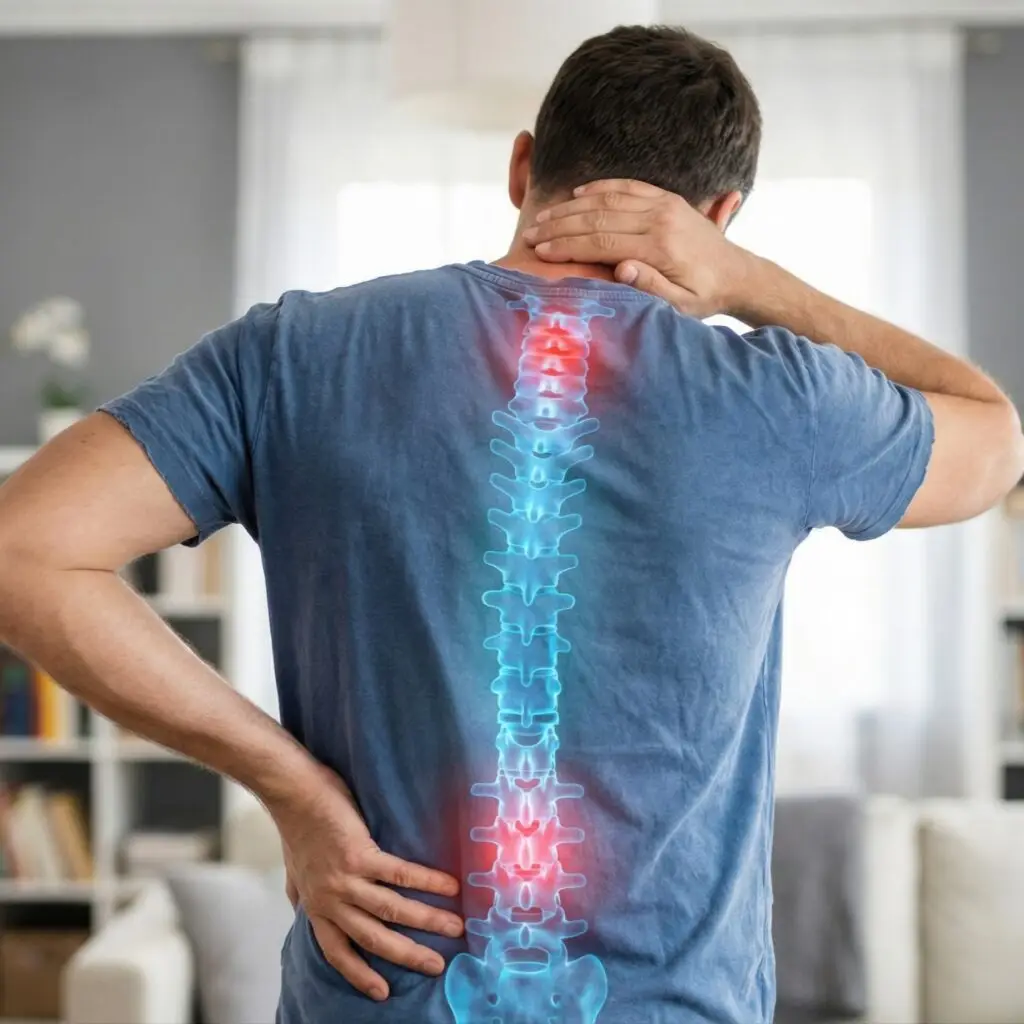
Minimally Invasive Spine Surgery is a specialized surgical approach designed to access the spine through smaller incisions than those used in conventional open procedures. Instead of extensively separating muscles and soft tissues, surgeons use specialized instruments and imaging guidance to reach the treatment area while preserving as much healthy tissue as possible. The goal of minimally invasive techniques is to treat spinal conditions that may be causing pain, numbness, weakness, reduced mobility, or nerve-related symptoms. Depending on the condition being addressed, the procedure may involve removing pressure from spinal nerves, stabilizing vertebrae, correcting structural abnormalities, or treating damaged spinal structures. Minimally Invasive Spine Surgery may be considered for certain patients with conditions affecting the cervical, thoracic, or lumbar spine. Treatment recommendations vary according to the specific spinal disorder and should always be determined following a comprehensive evaluation by a qualified spine specialist. The ultimate objective is to improve function, reduce symptoms, and help patients return to their daily activities with improved comfort and mobility.
🩺 Types of Minimally Invasive Spine Surgery
- Minimally Invasive Discectomy – Removes portions of a herniated disc that may be compressing nearby nerves.
- Minimally Invasive Laminectomy – Creates additional space around spinal nerves by removing selected bone structures.
- Minimally Invasive Spinal Fusion – Stabilizes specific spinal segments using specialized surgical techniques.
- Minimally Invasive Decompression Surgery – Relieves pressure on nerves affected by spinal narrowing.
- Endoscopic Spine Surgery – Uses specialized cameras and instruments through very small incisions.
- Minimally Invasive Revision Spine Procedures – Addresses selected spinal issues following previous spine surgery.
🩺 Who Is a Good Candidate?
Minimally Invasive Spine Surgery may be considered for patients who have not achieved adequate relief through conservative treatment and who meet specific clinical criteria.
✔️ Individuals experiencing chronic back or neck pain
✔️ Patients with diagnosed spinal conditions requiring surgical evaluation
✔️ Individuals with nerve compression symptoms
✔️ Patients experiencing numbness, tingling, or weakness related to spinal disorders
✔️ Individuals with herniated discs confirmed through imaging studies
✔️ Patients with selected cases of spinal stenosis
✔️ Individuals with certain forms of spinal instability
✔️ Patients seeking alternatives to traditional open spine surgery when appropriate
✔️ Adults in stable overall health
✔️ Patients with realistic treatment expectations
📝 Consultation & Preparation
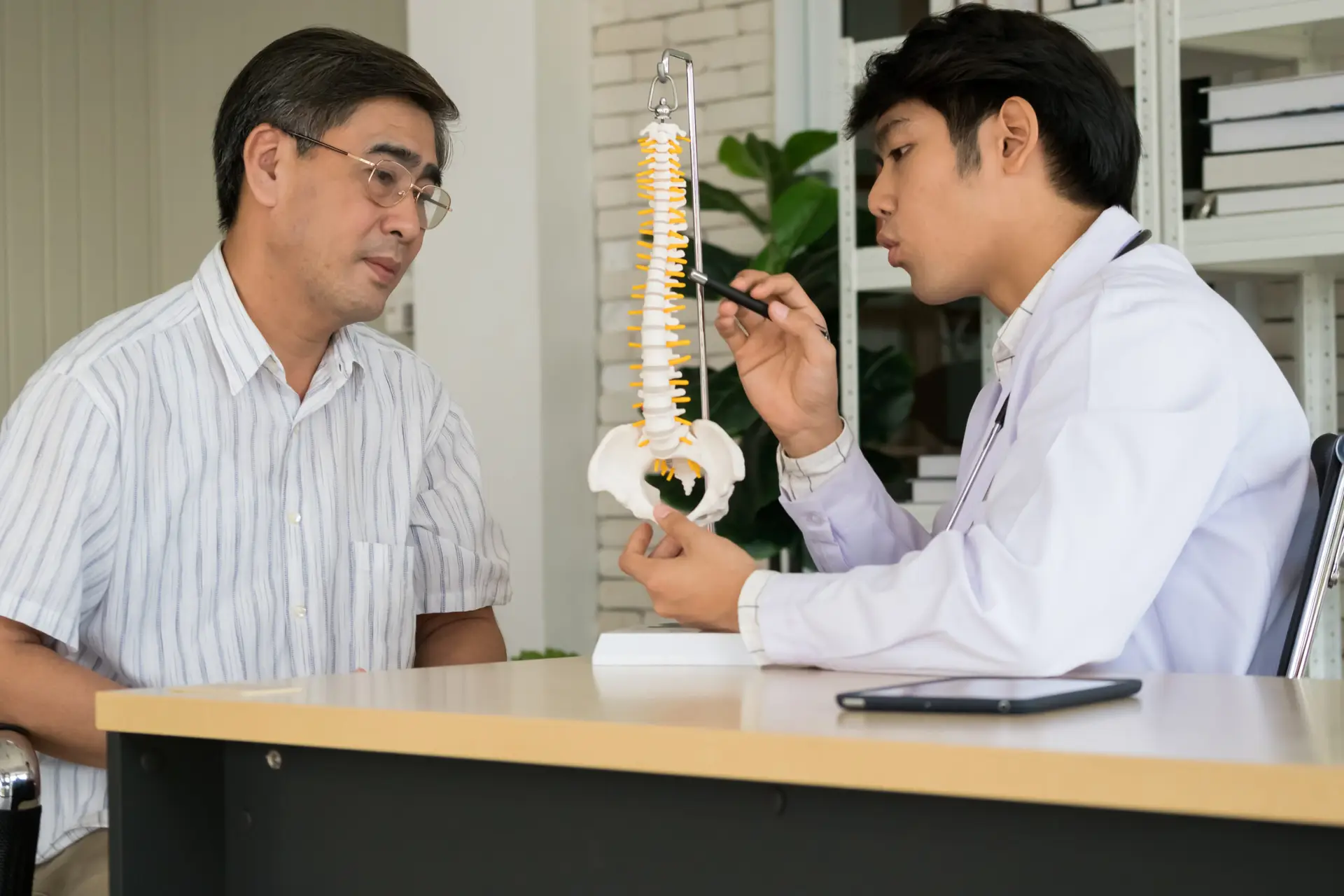
Proper evaluation and preparation are essential before undergoing Minimally Invasive Spine Surgery.
✔️ Comprehensive spine consultation and physical examination
✔️ Review of medical history and current symptoms
✔️ Evaluation of previous spine treatments and therapies
✔️ Review of MRI, CT scans, or other diagnostic imaging
✔️ Assessment of neurological function
✔️ Discussion of surgical and non-surgical treatment options
✔️ Pre-operative laboratory testing if required
✔️ Medication review and adjustment instructions
✔️ Smoking cessation guidance when appropriate
🩺 Recovery & Aftercare
Recovery experiences vary depending on the type of procedure performed, the condition treated, and individual patient factors.
✔️ Close monitoring immediately following surgery
✔️ Early mobilization when recommended by the medical team
✔️ Gradual return to daily activities
✔️ Pain management according to physician instructions
✔️ Wound care and incision monitoring
✔️ Physical therapy recommendations when appropriate
✔️ Restrictions on heavy lifting during the recovery period
✔️ Follow-up visits to monitor healing progress
✔️ Ongoing assessment of symptom improvement
✔️ Long-term spine health and rehabilitation guidance

🌍 Why Choose Pacifica Salud for Minimally Invasive Spine Surgery?
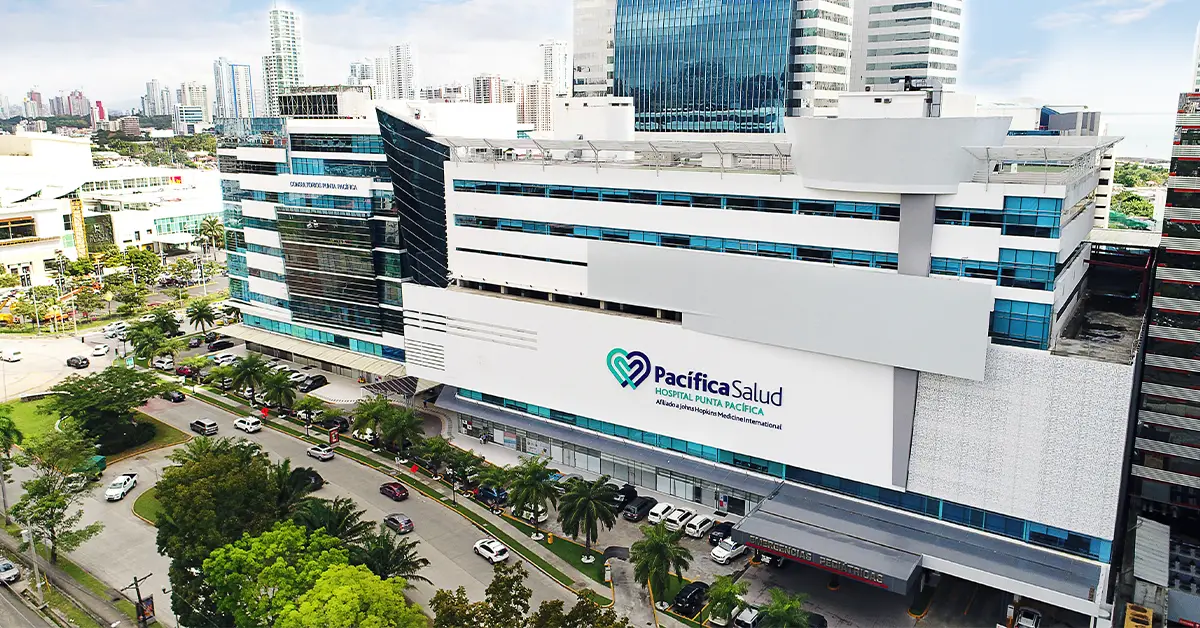
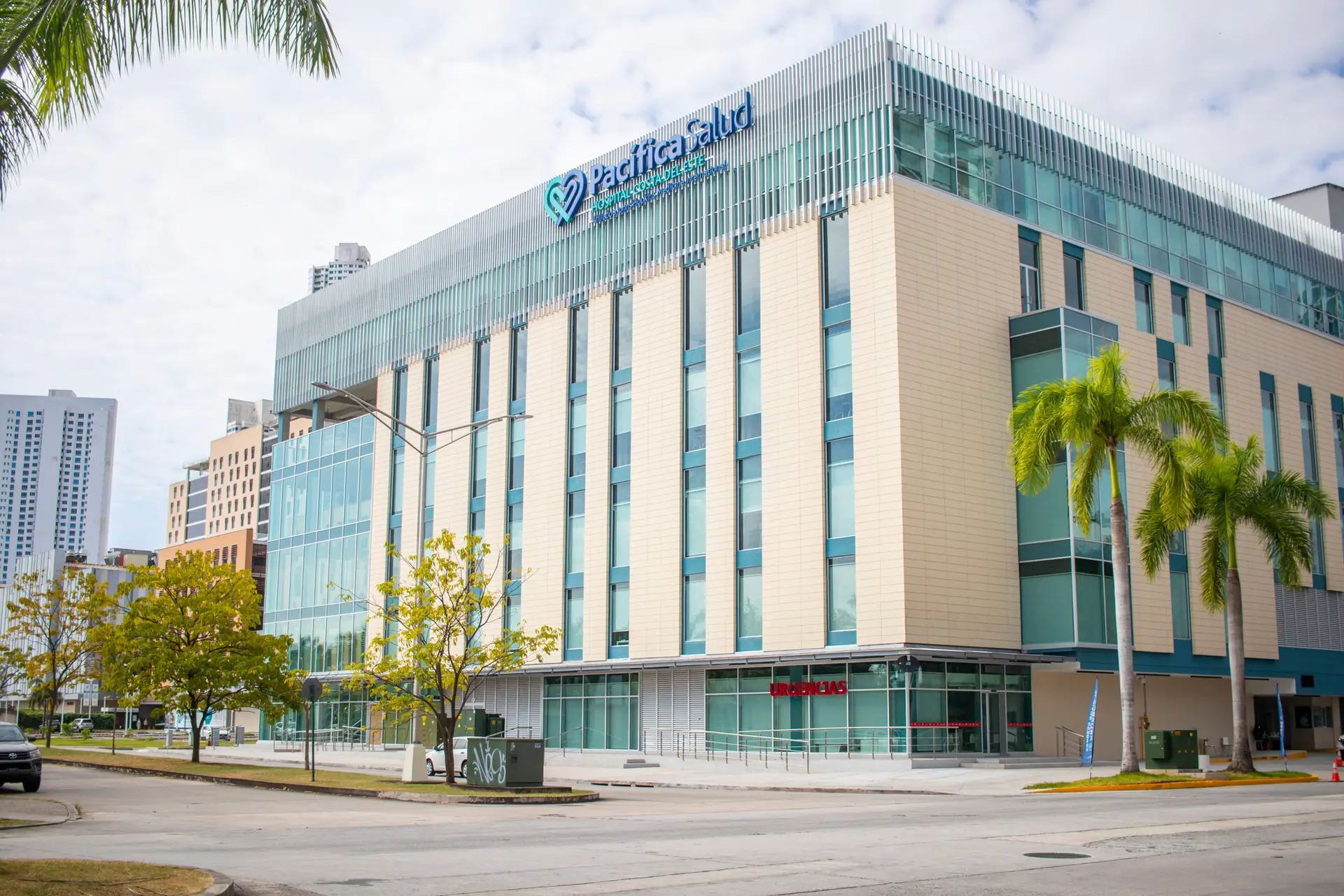
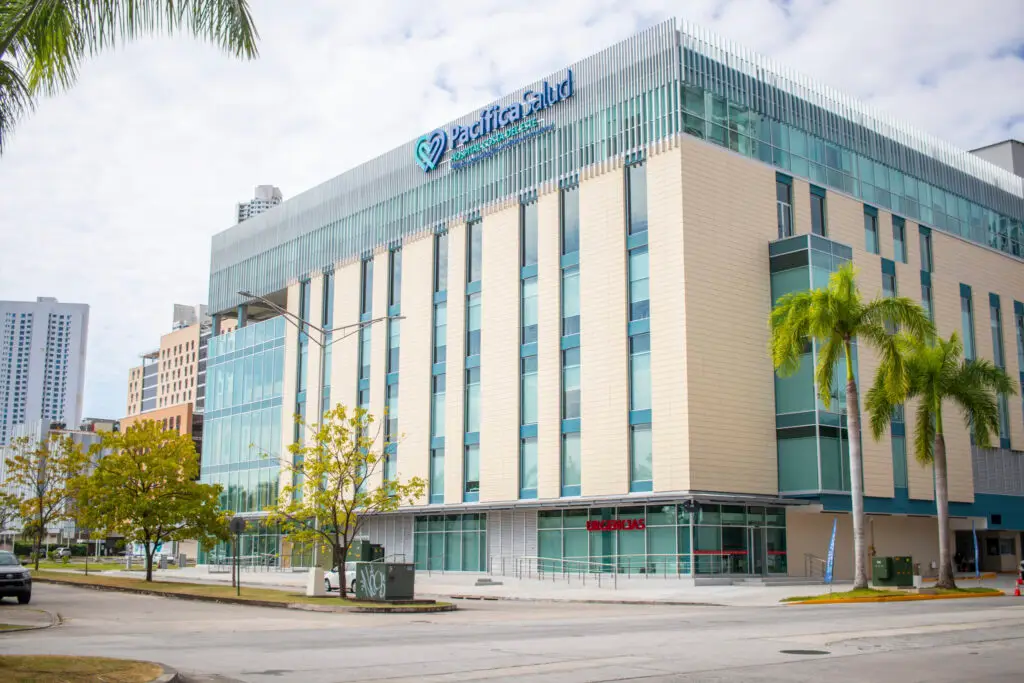
Pacifica Salud is recognized as a leading private healthcare institution in Panama and offers comprehensive medical services for local and international patients. Patients considering spine care benefit from access to modern hospital infrastructure and multidisciplinary medical support.
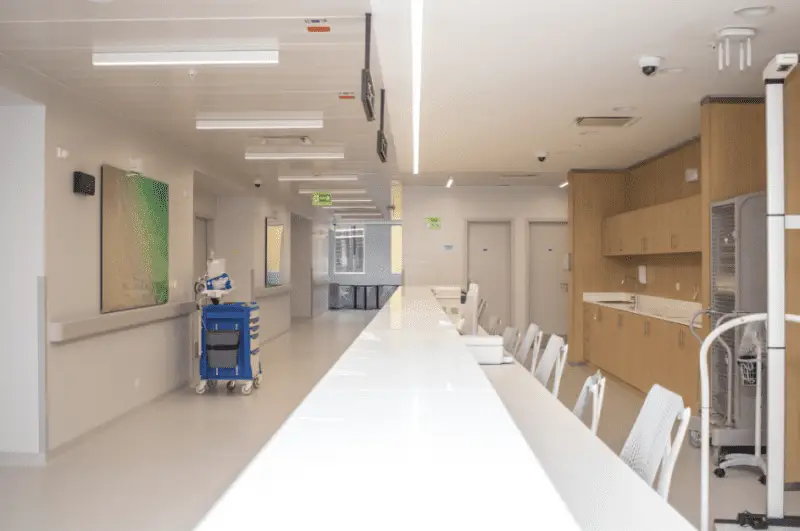
✔️ Modern hospital facilities and advanced medical infrastructure
✔️ Multidisciplinary approach to patient care
✔️ Comprehensive diagnostic and imaging capabilities
✔️ International patient services and coordination support
✔️ Focus on personalized treatment planning
✔️ Experienced healthcare professionals across multiple specialties
✔️ Advanced surgical environments designed for patient safety
✔️ Continuity of care from consultation through recovery
✔️ Commitment to evidence-based medical practices