
Few medical procedures change a life as profoundly as a bone marrow (hematopoietic stem-cell) transplant. Yet in many countries the eye-watering price tag can eclipse hope. Turkey offers a compelling alternative: internationally accredited transplant centres, JACIE-compliant clean-room facilities, and clinical teams that handle hundreds of transplants each year—all at a fraction of U.S. costs. Every year, thousands of adults and children travel here for graft-versus-host-disease-minimised allogeneic transplants, autologous rescue after high-dose chemo, and cutting-edge haploidentical protocols.
Set between two continents, Turkey delivers more than cost relief. Modern hospitals in Istanbul and Ankara are minutes from major airports, multilingual care coordinators shepherd international patients from visa letter to recovery apartment, and EU-level infection-control standards keep complication rates competitive with leading Western centres. In short: your transplant journey can be financially viable without sacrificing quality or safety.
Patients cross borders for three big reasons:
- Affordability—packages often under one-tenth of U.S. billed charges, with no compromise on technology or drugs.
- Availability—shorter donor-match wait-times and flexible donor options (matched related, matched unrelated, or haploidentical).
- Experience—dedicated BMT wards staffed by teams whose entire practice revolves around transplantation, not general oncology.
Read on for a step-by-step look at what to expect, how much to budget, and how we support you from first inquiry through long-term survivorship.
Treatment Highlights
- Procedure: High-dose conditioning followed by infusion of healthy stem cells (autologous, related donor, unrelated donor, or cord blood).
- Key Benefits: Potential cure or long-term remission for leukaemia, lymphoma, multiple myeloma, aplastic anaemia, immune deficiencies.
- Ideal Candidates: Patients 0-65 yrs with acceptable organ function, good performance status, and a suitable donor or viable autologous harvest.
- Destination Edge: JACIE-accredited units, English-speaking staff, ≤3-week scheduling, Mediterranean recovery climate.
- Recovery Snapshot: 4–6 weeks protective isolation, then gradual immune reconstitution over 6–12 months.
- Cost Positioning: Mid-premium locally, budget-friendly globally—60–90 % lower than U.S. averages.
- Suggested Stay: 8–12 weeks total (work-up, transplant, early engraftment, first follow-up).
Overview
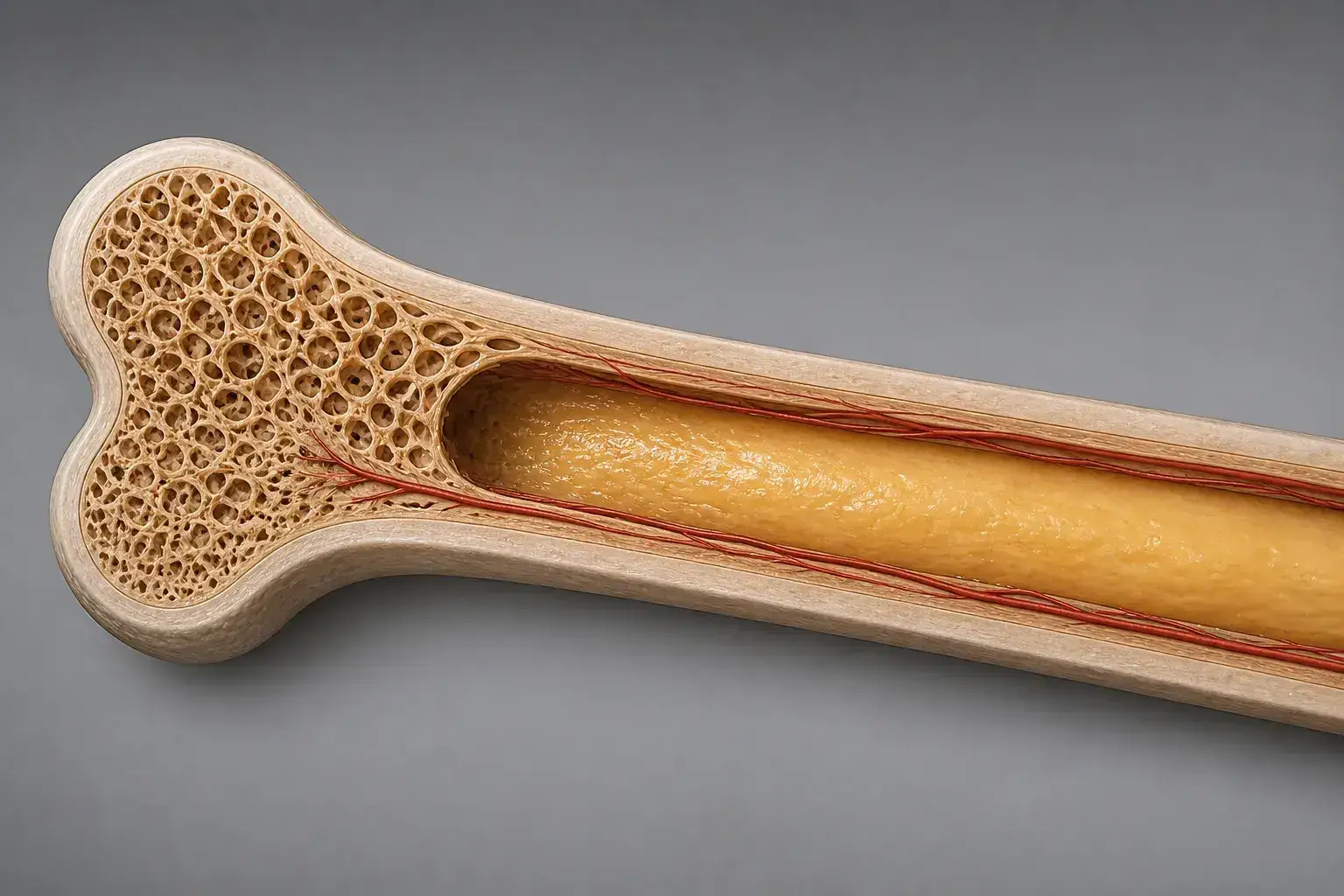
Bone marrow transplantation replaces a patient’s diseased or damaged hematopoietic system with healthy stem cells. After pre-transplant conditioning (chemotherapy ± total body irradiation) eliminates malignant cells and suppresses immunity, thawed stem-cell product is infused via central line—similar to a blood transfusion. Cells migrate to marrow cavities, engraft, and gradually rebuild blood counts.
Why go abroad? Two factors dominate: cost and capacity. In the United States, billed charges for allogeneic transplants average US $1.2 million, putting them out of reach for many uninsured or under-insured families. Turkish hospitals leverage lower labour costs, state-subsidised infrastructure, and bundled pricing to offer the same FDA-approved drugs and Class 100 clean rooms for as little as US $32 k–75 k.
Clinically, outcomes rival Western benchmarks: published one-year overall survival after matched sibling transplant is 85 % for acute leukaemia in first remission, and chronic GVHD rates continue to fall thanks to post-transplant cyclophosphamide and ATG protocols. Multidisciplinary transplant boards and JACIE audits reinforce evidence-based practice, so your chance of durable remission remains high—without bankrupting your future.
How Much Does a Bone Marrow Transplant Cost in Turkey?
| Location | Autologous (own cells) | Allogeneic – Related Donor | Allogeneic – Unrelated/Haploidentical | Typical Inclusions* |
|---|---|---|---|---|
| Turkey | US $32 k – $45 k | US $60 k – $75 k | US $70 k – $85 k | Work-up, conditioning, stem-cell infusion, 30 days inpatient, first consultation |
| USA | US $577 k (avg) | US $1.26 M (avg) | US $1.3 M + | Often excludes rehab, travel, caregiver housing |
*Exact items vary by hospital.
Turkish pricing is affected by:
- Donor type (autologous vs haploidentical)
- Conditioning intensity and drug choices
- Length of neutropenic stay or ICU utilisation
- Physician reputation & JACIE accreditation level
- Additional testing (next-generation sequencing, MRD monitoring)
With favourable exchange rates and state support, Turkey delivers genuine value—not a stripped-down service. Final quotes follow a haematologist’s review of your medical dossier and donor HLA status.
Who Is a Good Candidate for Bone Marrow Transplantation?
- Diagnoses such as AML, ALL, CML, MDS, multiple myeloma, Hodgkin/non-Hodgkin lymphoma, aplastic anaemia, sickle-cell disease.
- Age generally below 65 yrs; physiologic rather than chronologic age assessed.
- Adequate heart, lung, liver, and kidney function.
- Infection-free at time of conditioning.
- Viable donor or sufficient autologous harvest.
- Commitment to 6–12 months of follow-up and lifestyle modifications.
Not Ideal
- Active uncontrolled infection or relapse refractory to salvage therapy.
- Severe irreversible organ dysfunction.
- Non-adherence to medical regimens or psycho-social barriers.
A transplant team will always confirm candidacy with blood work, imaging, and psychosocial evaluation before green-lighting travel.
Your Step-by-Step Patient Journey
- Inquiry & Education – You complete our encrypted form; a transplant coordinator responds within 24 h.
- Medical File Upload – Blood counts, marrow biopsy, flow cytometry, HLA typing, CT/PET scans.
- Virtual Haematologist Review – Preliminary risk stratification; provisional transplant plan.
- Budget & Plan Approval – Transparent package quote; payment milestones; donor search if required.
- Travel Planning – Visa letter, airport pick-up, long-stay apartment reservation near hospital.
- Arrival Day – In-person consult, physical exam, repeat labs; caregiver orientation.
- Conditioning & Transplant – High-efficiency HEPA inpatient suite; stem-cell infusion on Day 0.
- Engraftment & Recovery – Daily rounds, central-line care, prophylactic antimicrobials; discharge when ANC > 500 for 3 days.
- First Follow-up – Bone marrow aspirate at day +30; chimerism, MRD, LFT/KFT, GVHD assessment.
- Return Home & Remote Support – Tele-visits monthly for year 1; 24/7 messaging app; coordination with your local oncologist for vaccinations and long-term GVHD surveillance.
Why Choose Turkey for Your Transplant?
- International Accreditation – Many units hold JACIE or FACT accreditation, mirroring EU/US standards.
- Volume & Expertise – National registries show >3,500 transplants yearly; high-volume centres correlate with better survival.
- Cost-Quality Sweet-Spot – Savings free up resources for caregiver lodging, post-transplant meds, or fertility preservation.
- Gateway Airports – Direct flights from 120+ cities; expedited medical visas.
- Healing Environment – Mild Mediterranean climate, privacy-focused recovery apartments, culturally diverse cuisine friendly to neutropenic diets.
What’s Included
- Pre-arrival teleconsultation
- Comprehensive blood and imaging work-up
- Donor coordination & stem-cell harvesting
- Operating theatre / apheresis suite fees
- Conditioning chemotherapy / serotherapy
- Stem-cell infusion & transfusion support
- 30 days HEPA inpatient stay
- Daily labs & medications (antibiotics, antivirals, antifungals)
- First post-discharge follow-up visit
- Dedicated bilingual patient concierge
What’s Not Included
- International flights for patient & companion
- Hotel or apartment beyond included inpatient nights
- Additional imaging (e.g., extra PET-CT)
- Unexpected ICU stay >48 h
- Treatment of unrelated conditions (e.g., dental work)
- Companion meals & transport
- Extended accommodation after planned discharge
Recovery & Aftercare
Expect a 100-day milestone: neutrophils usually engraft by Day +21 (late if cord-blood source), platelets by Day +30, and immune reconstitution continues for 6–12 months. You will:
- Remain near the centre at least 4–6 weeks post-infusion.
- Follow a low-microbial diet until ANC > 1,000.
- Wear a mask in dense public settings for three months.
- Avoid swimming pools, gardening, live vaccines until Day +365 or per doctor advice.
- Begin re-vaccination schedule at 6–12 months.
- Have bone density, endocrine, and fertility follow-ups.
Long-term survival hinges on diligent GVHD prophylaxis and prompt symptom reporting. Our coordinators schedule tele-consults monthly for the first year, quarterly in year 2, then annually.
Risks & Considerations
All medical procedures carry risk—our role is to minimise and manage it:
- Early: graft failure, severe infections, mucositis, veno-occlusive disease.
- Intermediate: acute GVHD, CMV reactivation, sinusoidal obstruction syndrome.
- Late: chronic GVHD, endocrine or fertility issues, secondary malignancies.
Choosing a JACIE-certified team, adhering to prophylactic drug regimens, and respecting hygiene rules dramatically reduce complication rates. Informed consent means understanding probabilities, alternatives, and your personal risk profile—our physicians walk you through every statistic.
Frequently Asked Questions
- What is the cost range of a bone marrow transplant in Turkey?
Cost of bone marrow transplant in Turkey typically run US $32 k–$85 k, depending on donor type and complexity. - How long will I need to stay in Turkey?
Plan for 8–12 weeks from initial tests through early follow-up; some patients require longer if engraftment is slow. - Is the procedure safe?
Turkish JACIE-accredited centres report survival and infection metrics comparable to top EU clinics, with stringent HEPA isolation and 24/7 critical-care backup. - What is the typical recovery time?
Blood counts recover within a month; full immune strength returns over 6–12 months. - When will I see results?
Molecular remission is assessed at Day +30 and +100; durable remission is usually judged after one year. - Do I need a companion?
A caregiver is recommended for emotional support and logistical help, especially during outpatient recovery phases. - Am I a suitable candidate if I’m over 60?
Age alone is not disqualifying; biological fitness and organ function matter more. Many fit patients in their early 70s are transplanted. - Will the transplant be painful?
The infusion itself is painless; most discomfort comes from conditioning side-effects, managed with IV hydration, analgesia, and anti-nausea meds. - How long will the results last?
Successful allogeneic transplants can offer lifelong remission; some conditions carry a relapse risk, so lifelong haematology follow-up is essential. - What follow-up care is included?
One year of tele-consults with your Turkish haematologist and liaison with your local oncologist are part of every package.
Ready for the Next Step?
Your situation is unique, and so is the transplant plan we design. Our concierge team coordinates everything—from securing the right donor to booking a recovery apartment with HEPA-filtered air. Get a Free Quote and receive a full medical review, transparent quotation, and travel timeline within 48 hours. Let’s make curative therapy attainable—without compromise.
Recommended Stem Cell Treatment Clinics in Turkey
Trusted clinics specializing in Stem Cell Treatment across Turkey.

Pendik Yüzyıl Hospital
Pendik Yüzyıl Hospital. Comprehensive Healthcare in Istanbul's Asian Side. Pendik Yüzyıl Hospital is a…

Liv Hospital
Liv Hospital. Turkey’s Premier Destination for Advanced Medicine & International Healthcare. Liv Hospital…

Medical Park Hospital
Medical Park Hospital. Turkey’s Largest Private Hospital Network for Advanced Care. Medical Park Hospital is the…

Memorial Hospital
Memorial Hospital. Turkey’s Leading Network for Advanced Medicine. Memorial Hospital is Turkey’s most…
Explore Tours in Turkey
Discover the best places to visit in Turkey and explore its rich culture, breathtaking landscapes, iconic attractions, and unforgettable travel experiences.
Turkey: Full Day Pamukkale Tour
Discover the stunning natural beauty and ancient history of Pamukkale on this private guided tour. Marvel at the…
Turkey: Best of Istanbul Tour with Hagia Sophia Tickets
Step into centuries of history with this expertly guided small group experience through Istanbul’s Old City.…

Turkey: Private Cappadocia Tour: Hot Baloon Ride & Museum
Embark on a private guided journey through Cappadocia, a land of rich history and natural wonder. Your local…
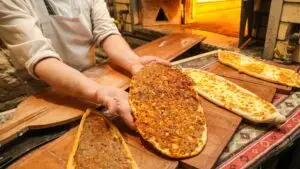
Turkey: Half-Day Istanbul Private Food Tour & Culinary Experience
Taste the Real Istanbul. Experience Istanbul beyond the landmarks — through its rich and vibrant food culture.…
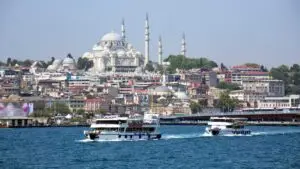
Turkey: Istanbul Combo: Classic City Tour & Bosphorus Cruise
Experience Istanbul Like a VIP. Step into the heart of one of the world’s most fascinating cities with a private,…
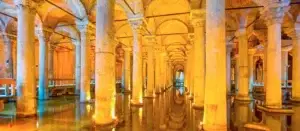
Turkey: Istanbul Guided Walking Tour – Full Day
Private Walking Experience | History, Culture & Iconic Landmarks Walk Through the Heart of Istanbul. Step into…
More Stem Cell Treatment Articles About Turkey
Keep reading about Stem Cell Treatment care and travel in Turkey.
Alloblast Stem Cell Therapy in Turkey Cost
Imagine a treatment that taps into the body’s own regenerative power to refresh skin, thicken hair, and soften the…

Stem Cell Therapy in Turkey Cost and Clinics
Stem cell therapy in Turkey has become a popular option for international patients looking for advanced…

Leave a Comment
Share your thoughts on this article, or ask us a question -- we'd love to hear from you.