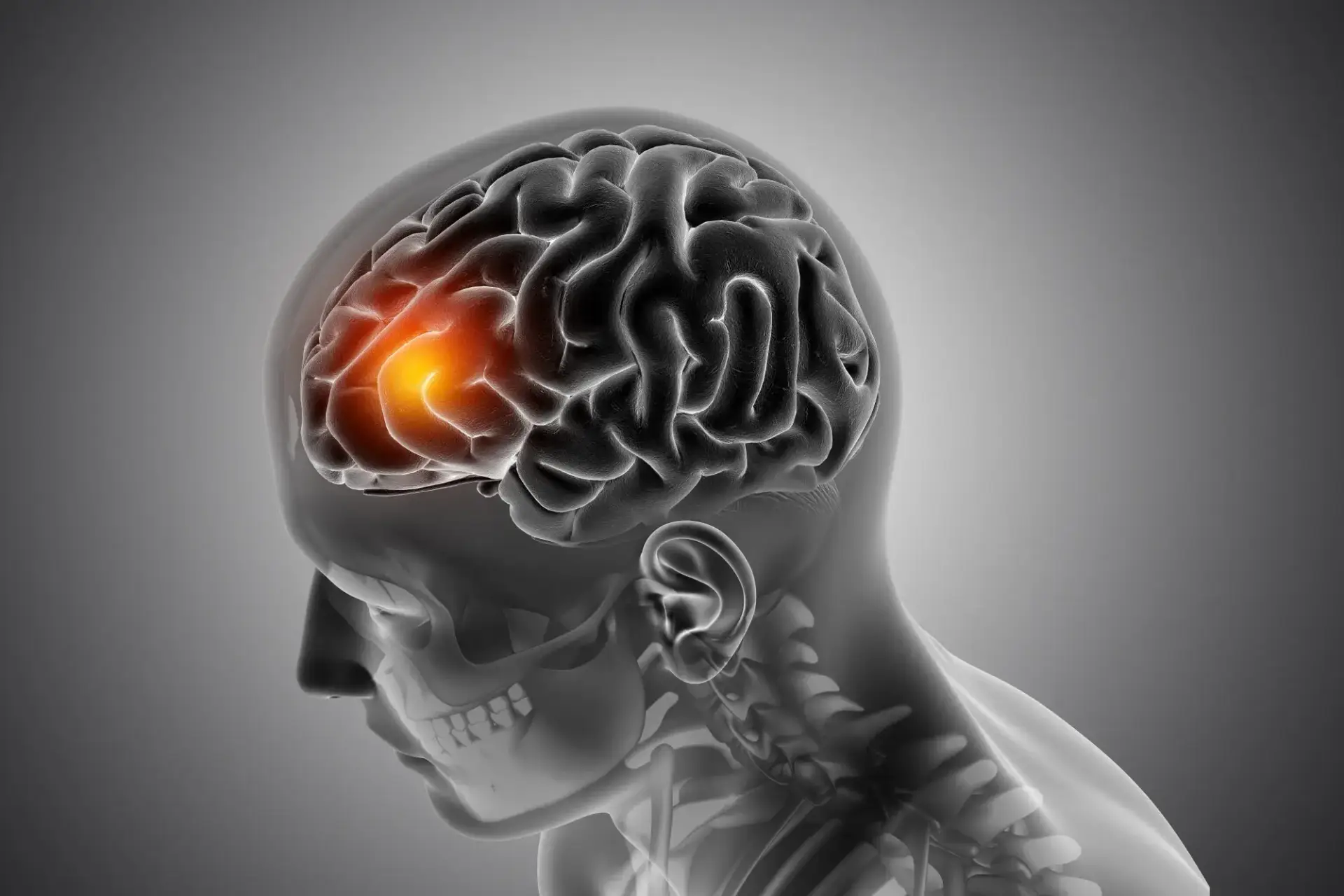


Brain tumor surgery costs between $80,000 and $300,000 or more in the United States without insurance — making it one of the most financially devastating procedures a patient can face. For patients with gliomas, meningiomas, acoustic neuromas, or metastatic lesions requiring resection or stereotactic radiosurgery, these costs are not theoretical: they represent the actual bills that uninsured and underinsured patients receive. This guide explains what insurance typically denies, what drives these extraordinary costs, and what internationally accredited neurology and oncology centers offer for patients seeking quality care at a fraction of US prices.
What Does Insurance Actually Cover for Brain Tumor Surgery?
Brain tumor surgery is almost always classified as medically necessary — but coverage gaps are significant, particularly for patients with high-deductible plans or those receiving care from out-of-network specialists:
| Coverage Scenario | Typical Insurance Response |
|---|---|
| Open craniotomy for primary brain tumor | Covered as medically necessary; prior authorization required; out-of-pocket maximum still leaves patient owing $5,000–$15,000+ |
| Gamma Knife / CyberKnife radiosurgery | Covered for eligible diagnoses (acoustic neuroma, metastases, meningioma); peer-reviewed approval process common |
| Intraoperative MRI or awake craniotomy | Some plans classify as experimental or premium — prior authorization and clinical documentation required |
| Out-of-network neurosurgeon at in-network hospital | Balance billing risk; surprise bills of $30,000–$100,000 reported in complex tumor cases |
| Second-opinion consultation at different center | Often not covered; patient pays $500–$2,000 out of pocket for tumor board review |
| Proton beam therapy for brain tumors | Covered by some plans for specific tumor types; many plans still classify as non-covered or experimental |
How Much Does Brain Tumor Surgery Cost Without Insurance?
Brain tumor surgery costs vary enormously depending on tumor type, surgical approach, and facility. The estimates below represent total all-in costs — surgeon, anesthesia, facility, ICU, imaging, and pathology — for uninsured patients at US facilities.
| Procedure / Facility Type | Low Estimate | High Estimate | Average |
|---|---|---|---|
| Craniotomy for tumor resection (academic center) | $100,000 | $300,000 | $175,000 |
| Craniotomy for tumor resection (community hospital) | $80,000 | $150,000 | $110,000 |
| Gamma Knife stereotactic radiosurgery | $35,000 | $90,000 | $55,000 |
| CyberKnife radiosurgery (multi-fraction) | $30,000 | $80,000 | $50,000 |
| Awake craniotomy with cortical mapping | $120,000 | $350,000 | $200,000 |
What Drives Brain Tumor Surgery Costs So High in the US?
- Neurological ICU costs: Post-craniotomy ICU care runs $5,000–$15,000 per day. Complex tumor cases often require 3–10 days of ICU monitoring, adding $30,000–$150,000 before any surgical fee.
- Intraoperative technology fees: Intraoperative MRI, fluorescence-guided surgery (5-ALA), awake craniotomy cortical mapping, and neuronavigation systems each carry premium facility charges of $15,000–$50,000 per case.
- Multi-specialist billing: Brain tumor cases involve neurosurgeon, neuroanesthesiologist, neurophysiologist, neuro-oncologist, neuroradiologist, and pathologist — all billing independently.
- Surgical hardware and adjuvants: Gliadel wafers (carmustine implants), dural substitutes, titanium cranial plates, and BioGlue sealants are billed at hospital markup of 5–15x acquisition cost.
- Extended inpatient hospitalization: Most brain tumor patients remain hospitalized for 7–21 days — at US rates of $3,000–$8,000 per day, this represents the dominant cost driver in the final bill.
Financial Assistance Options if You’re Uninsured
Brain tumor patients facing surgery without insurance have access to several targeted support programs:
- National Brain Tumor Society financial assistance: Maintains a resource directory of grants, financial assistance programs, and insurance navigation support specifically for brain tumor patients — visit braintumor.org/support.
- Hospital charity care: Major cancer centers including MD Anderson, Mayo Clinic, and Memorial Sloan Kettering offer charity care programs with substantial financial assistance for qualifying uninsured patients.
- American Cancer Society patient navigator: ACS provides free navigation assistance for cancer patients — including connecting uninsured brain tumor patients with financial resources and treatment options.
- Clinical trial enrollment: Some brain tumor patients qualify for NIH-funded clinical trials that cover all treatment costs — clinicaltrials.gov lists open trials by diagnosis and location.
- Emergency Medicaid: Uninsured brain tumor patients meeting income criteria may qualify for emergency Medicaid coverage for medically necessary surgical intervention in most states.
- International accredited neurosurgery centers: For patients with time to plan, internationally accredited brain tumor centers in India, Germany, Turkey, and Israel offer surgical outcomes comparable to US academic centers at $8,000–$40,000 all-in.
How Much Does Brain Tumor Surgery Cost Abroad?
Leading neurosurgical centers in India, Germany, Israel, and Turkey handle large volumes of international brain tumor patients. Many neurosurgeons at these institutions completed their training at top European or North American universities. The cost differential is structural — healthcare system overhead, not surgical quality or technology access.
| Country | Estimated Cost (Tumor Resection) | Savings vs US Average | Notes |
|---|---|---|---|
| Mexico | $20,000 – $45,000 | 74–89% | Private neurosurgery centers in Mexico City and Monterrey; proximity advantage for US patients |
| Turkey | $15,000 – $35,000 | 80–91% | Istanbul JCI-accredited hospitals; neurosurgeons trained in Germany and US; intraoperative MRI available at select centers |
| Thailand | $18,000 – $40,000 | 77–90% | Bumrungrad International and Bangkok Hospital — experienced with complex tumor resections |
| India | $8,000 – $20,000 | 89–95% | Apollo, Fortis, and AIIMS — world-class neurosurgery at the lowest global cost; extensive international patient programs |
| Germany | $30,000 – $70,000 | 60–83% | Charité Berlin and Heidelberg — among the world’s most advanced neuro-oncology programs; full 5-ALA fluorescence and intraoperative MRI |
| Israel | $25,000 – $55,000 | 69–86% | Sheba Medical Center and Tel Aviv Sourasky — ranked globally for neurosurgical innovation and outcomes |
Neurology Clinics Featured by MyMediTour
MyMediTour features verified neurology and neurosurgery centers across leading medical tourism destinations. Each listed facility is reviewed for accreditation, neurosurgical team credentials, available technology (intraoperative monitoring, neuronavigation), and international patient support before being featured.
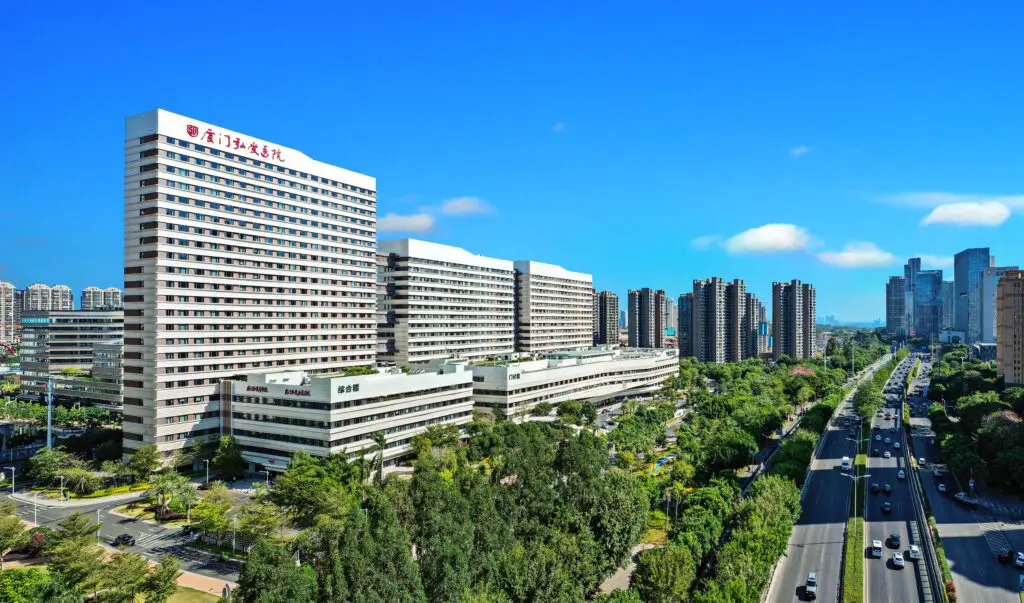
Leading tertiary non-profit comprehensive hospital in Xiamen, Fujian Province, China, providing advanced medical care…
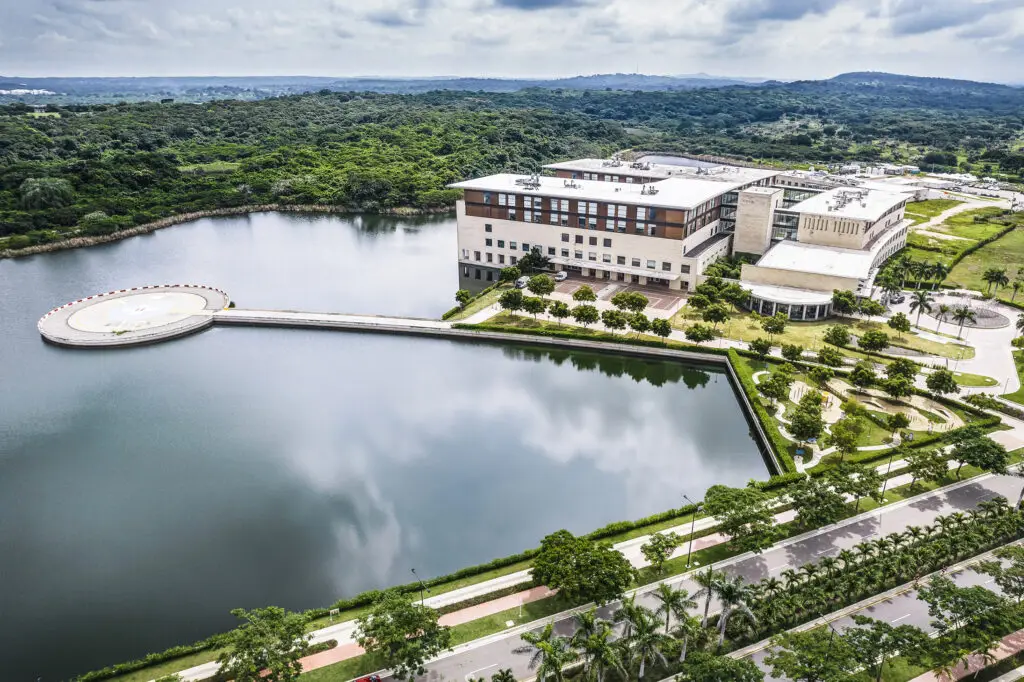
Hospital Serena del Mar – Carlos Haime – is the most modern high-complexity medical…
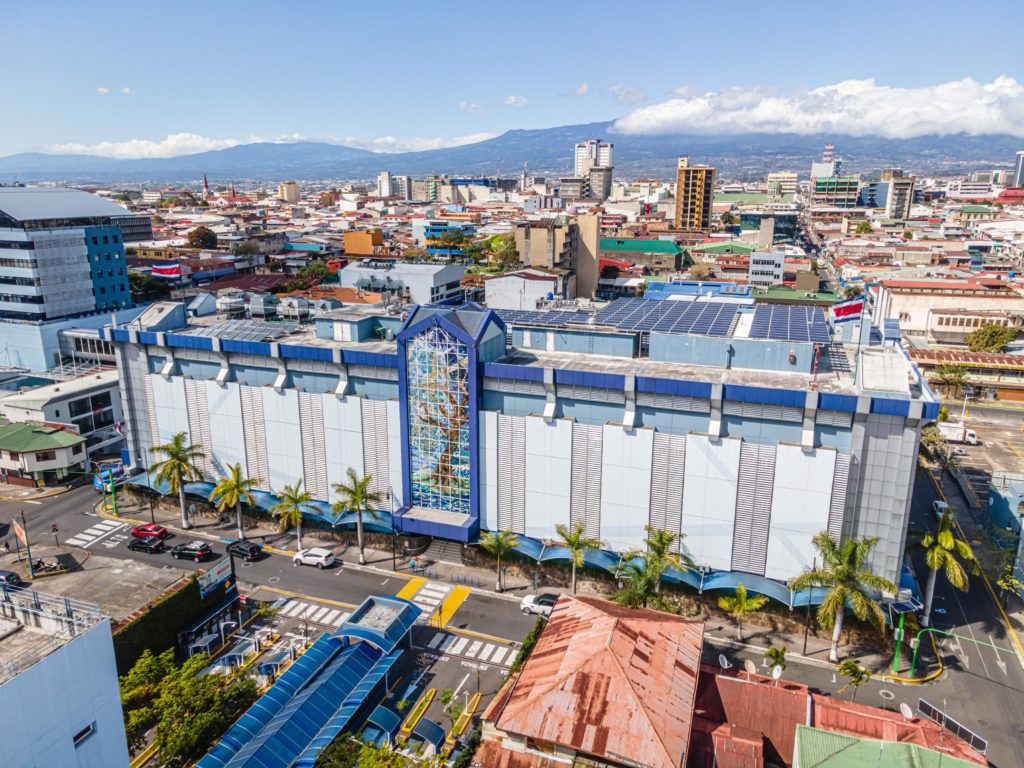
Medical Tourism Center Clínica Bíblica Hospital is Costa Rica’s leading private hospital and a…
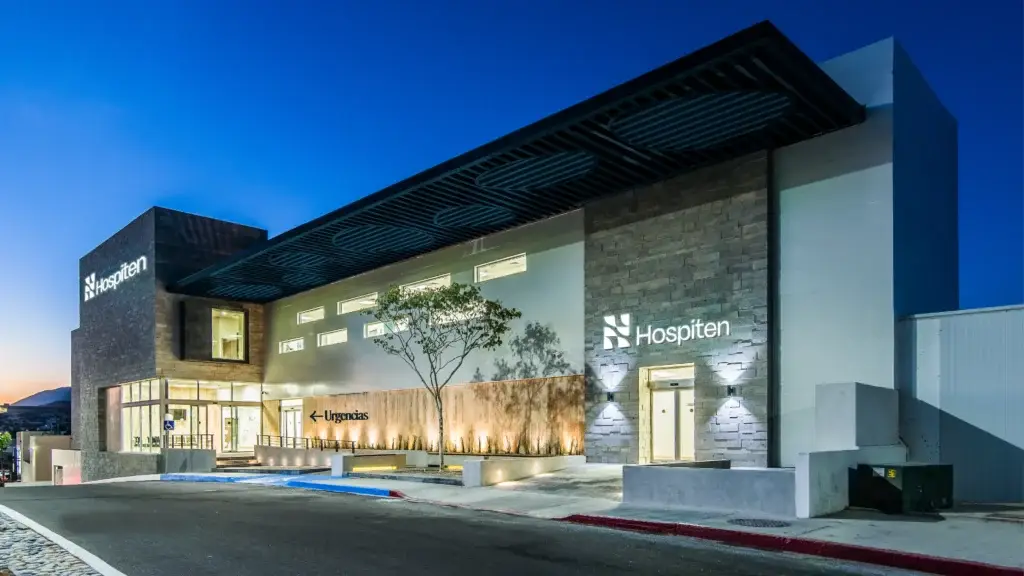
Hospiten. International Hospital Network for Advanced Healthcare & Medical Tourism. Hospiten is an international…
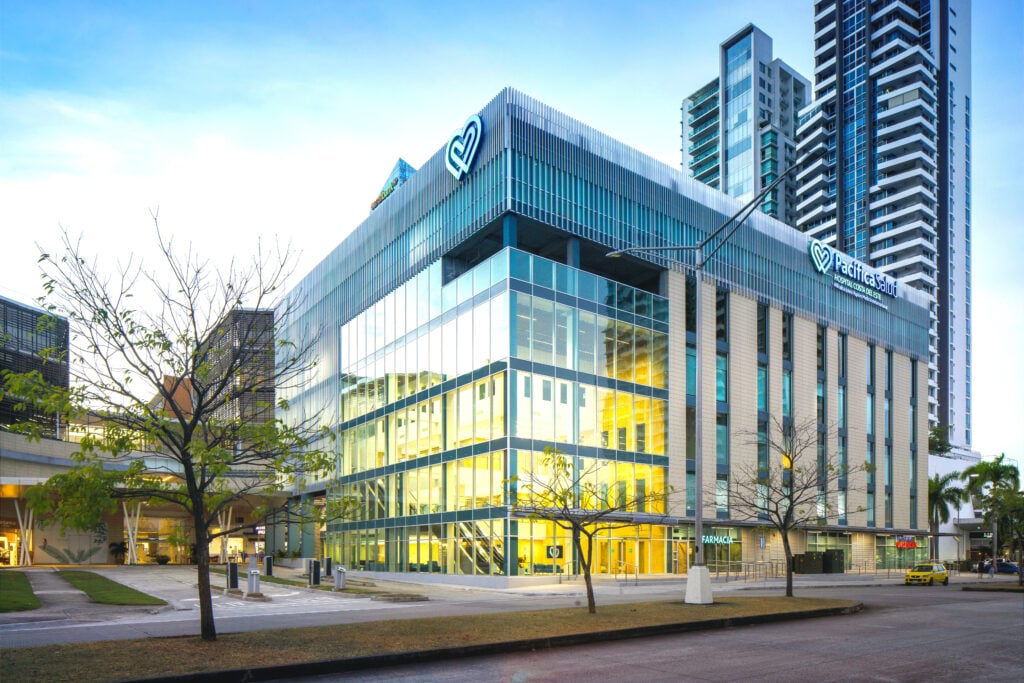
Pacifica Salud Hospital. Panama’s Premier Private Hospital, Affiliated with Johns Hopkins Medicine International. Pacífica…
Hospiten. International Hospital Network for Advanced Healthcare & Medical Tourism. Hospiten is an international…
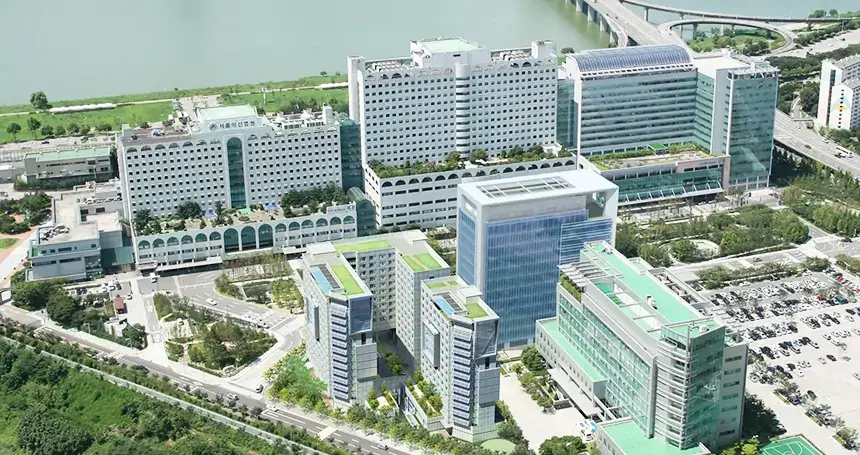
Asan Medical Center (AMC) is the largest hospital in South Korea and one of…

Sensor 23 is a brain, mental health, recovery and wellness center in Barcelona, Spain,…
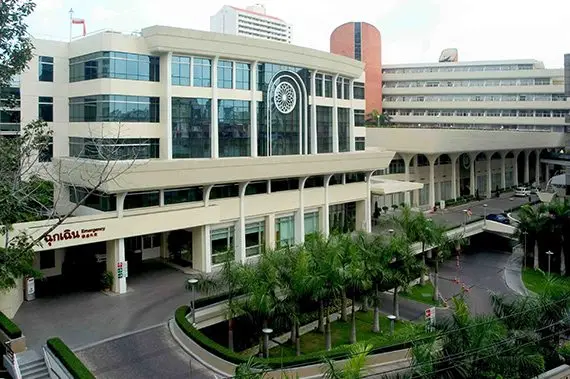
Samitivej Hospital is one of Thailand’s leading private hospital networks, serving local patients, expatriates,…

Pendik Yüzyıl Hospital. Comprehensive Healthcare in Istanbul's Asian Side. Pendik Yüzyıl Hospital is a…

Memorial Hospital is Turkey’s most internationally recognized healthcare network, known for pioneering medical breakthroughs,…
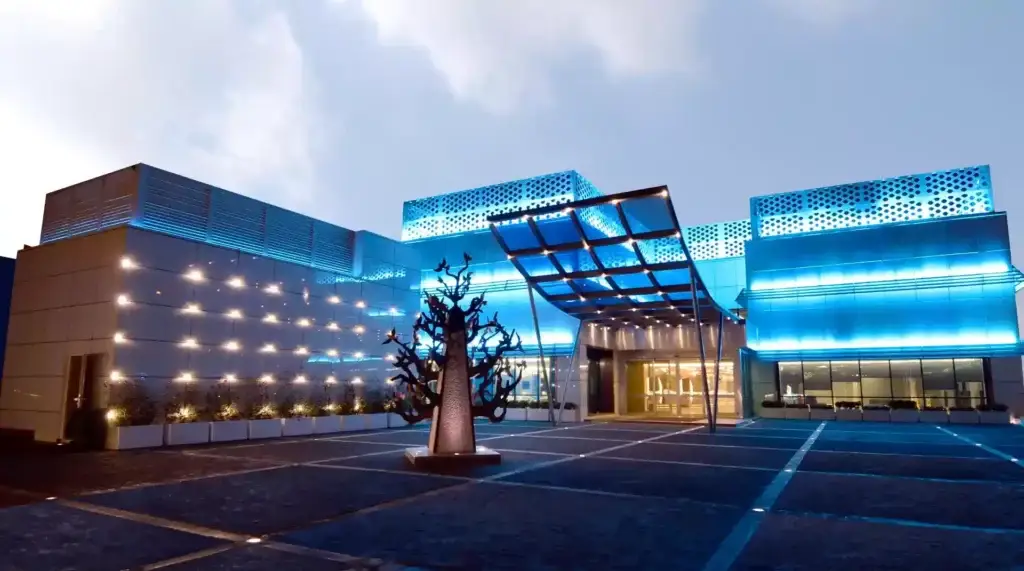
Liv Hospital. Turkey’s Premier Destination for Advanced Medicine & International Healthcare. Liv Hospital Istanbul…
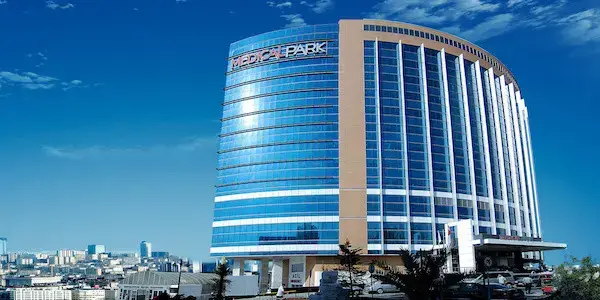
Medical Park Hospital. Turkey’s Largest Private Hospital Network for Advanced Care. Medical Park Hospital…

With multiple modern facilities across the city, Avicenna Hospital combines advanced medical technology, multidisciplinary…
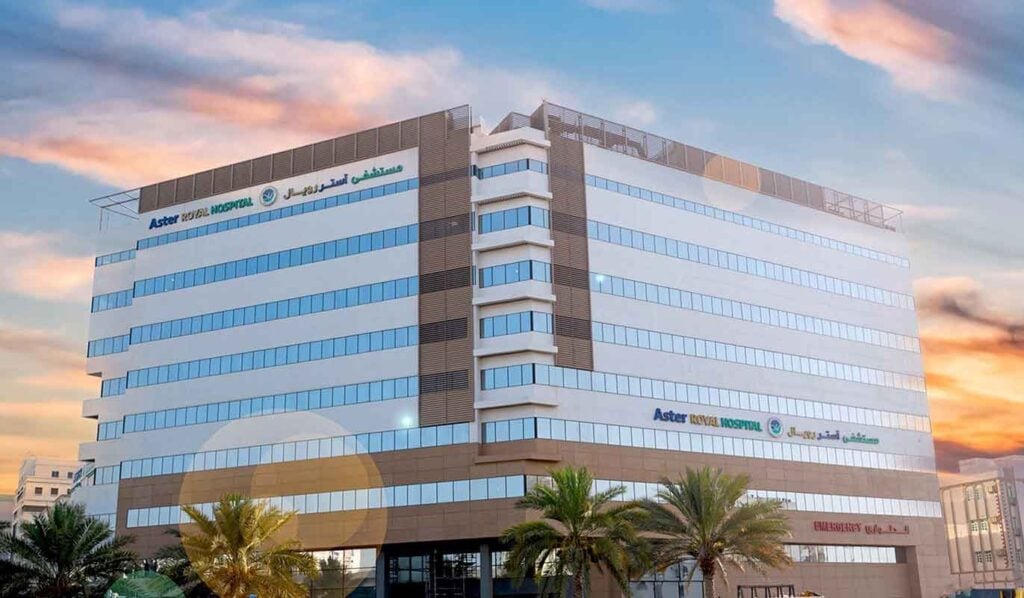
Aster DM Healthcare is a leading international healthcare group delivering multi-specialty medical care through…
Is Quality Lower Abroad?
For brain tumor surgery, outcomes correlate primarily with surgeon experience with your specific tumor type, center volume for complex neurosurgical procedures, and the availability of critical intraoperative technology — not with the country where care is delivered. Germany’s Charité Berlin performs more complex tumor resections annually than most US academic centers. India’s Apollo Hospitals system employs neurosurgeons who trained at Johns Hopkins, Harvard, and London’s Great Ormond Street. Israel’s Sheba Medical Center is routinely ranked among the top 10 hospitals globally by Newsweek.
JCI accreditation provides a verified benchmark for patient safety protocols and quality standards. For a diagnosis as serious as a brain tumor, the selection of surgeon and institution matters far more than the flag of the country in which care is delivered. MyMediTour’s curation focuses on centers where neurosurgical expertise can be directly verified — not just general hospital reputation.
How to Verify a Clinic’s Credentials Before You Go
- Confirm JCI accreditation or equivalent national certification — for European centers, ISO 9001 certification and ministry of health approval are meaningful indicators.
- Request a formal remote second-opinion consultation: Send MRI sequences, pathology (if already biopsied), and clinical notes. A written report from the international neurosurgeon detailing their surgical plan is essential before any travel commitment.
- Verify tumor-specific surgical volume: Ask how many glioblastomas, meningiomas, or acoustic neuromas (whichever applies) the neurosurgeon performs annually. Volume matters more in neurosurgery than almost any other specialty.
- Confirm intraoperative technology availability: For tumor surgery near eloquent cortex, ask specifically about intraoperative neurophysiological monitoring, neuronavigation (image-guided surgery), and fluorescence capability (5-ALA) if applicable to your tumor type.
- Verify neurological ICU standards: A dedicated neurocritical care unit with 24/7 neurologist coverage is non-negotiable for post-craniotomy management.
- Get an all-inclusive quote with explicit exclusions: Ask specifically what happens if complications require extended ICU stay — confirm the pricing structure for extended care.
- Plan for pathology and adjuvant treatment continuity: If post-operative radiation or chemotherapy is needed, confirm the plan for continuing that treatment at home — your US oncologist will need complete pathology reports from the international center.
Brain Tumor Surgery Recovery: What to Expect
Recovery from brain tumor resection is among the more complex surgical recoveries, with timeline varying significantly based on tumor location, surgical approach, and whether post-operative radiation or chemotherapy follows.
| Phase | Timeframe | What Happens | Travel Considerations |
|---|---|---|---|
| Neurosurgical ICU | Day 0–5 | Intensive neurological monitoring; edema management (dexamethasone); CT/MRI within 24 hours post-op | Remain at facility; companion required |
| Inpatient recovery | Days 5–14 | Neurological rehabilitation begins; wound healing; pathology results returned; treatment planning | Remain at destination; plan 4–6 week total stay for craniotomy patients |
| Early outpatient recovery | Weeks 2–6 | Fatigue predominates; steroid taper; neurological function assessment; radiation planning if indicated | Most patients cleared to fly after Week 4 with physician clearance |
| Adjuvant treatment phase | Months 1–6+ | Radiation and/or chemotherapy if indicated; MRI monitoring every 3 months; neurological rehabilitation | Best managed at home with local oncologist using international treatment records |
Risk Assessment: US vs. Abroad
| Risk Factor | US | Top International Centers |
|---|---|---|
| Surgical mortality (elective tumor resection) | 0.5–3% at academic centers; higher at community hospitals | Comparable at high-volume JCI-accredited neurosurgery centers |
| Surgical site infection rate | 1–5% | Under 2% at top-accredited centers |
| Intraoperative technology access | Available at academic centers; limited at community hospitals | Available at select top-tier international centers — must verify |
| Post-operative care access | Readily available domestically | Remote follow-up + US oncologist for adjuvant treatment |
| Financial catastrophe risk | Very high ($80,000–$300,000+ uninsured) | Dramatically reduced ($8,000–$55,000 all-in) |
| Continuity of care for adjuvant treatment | Seamless | Requires coordination; complete records must travel with patient |
Frequently Asked Questions
Can I get brain tumor surgery abroad if I’ve already been diagnosed in the US?
Yes. Many international neurosurgery centers see patients who have received a US diagnosis and are seeking lower-cost treatment or a second surgical opinion. Send your complete imaging (MRI sequences, not just the radiology report) and biopsy pathology (if available) for review before traveling. Most top centers can provide a written surgical recommendation within 5–10 business days.
What is the difference between brain tumor resection and radiosurgery (Gamma Knife)?
Brain tumor resection (craniotomy) involves physically removing tumor tissue through open surgery. Stereotactic radiosurgery (Gamma Knife, CyberKnife) uses focused radiation beams to destroy tumor cells without open surgery — it’s most effective for small tumors, certain metastases, acoustic neuromas, and some meningiomas. Radiosurgery costs significantly less and requires only 1–5 days at the destination. Your neurosurgeon will recommend the appropriate approach based on tumor type, size, and location.
How will I continue chemotherapy or radiation after returning home?
Your international neurosurgery center should provide complete surgical and pathology reports for your US oncologist before you leave. Most US oncologists will accept international pathology and imaging for treatment planning. Request records in both English and your local language if traveling to a non-English-speaking country — English reports are standard at JCI-accredited centers.
Is there a list of accredited international neurosurgery centers?
JCI-accredited hospitals are listed at jointcommissioninternational.org — search by country and specialty. For European centers, national ministry of health accreditation and ISO certification are meaningful equivalents. MyMediTour’s featured neurology clinics have each been individually reviewed for surgical capability and international patient support.
What if I need emergency care after returning home from brain tumor surgery?
If you experience neurological symptoms after returning home — new weakness, severe headaches, confusion, vision changes, or seizures — go to the nearest emergency room immediately. Bring your operative records, discharge summary, and pathology report. Emergency physicians in the US can access and act on international surgical records when provided by the patient.
A brain tumor diagnosis is among the most serious a person can receive. If cost is creating barriers to timely surgical treatment, internationally accredited neurosurgery centers offer a genuine path to world-class care without financial catastrophe. Browse verified neurology and neurosurgery clinics below to request a remote consultation and begin your evaluation.
Leading tertiary non-profit comprehensive hospital in Xiamen, Fujian Province, China, providing advanced medical care…
Hospital Serena del Mar – Carlos Haime – is the most modern high-complexity medical…
Medical Tourism Center Clínica Bíblica Hospital is Costa Rica’s leading private hospital and a…
Hospiten. International Hospital Network for Advanced Healthcare & Medical Tourism. Hospiten is an international…
Hospiten. International Hospital Network for Advanced Healthcare & Medical Tourism. Hospiten is an international…
Pacifica Salud Hospital. Panama’s Premier Private Hospital, Affiliated with Johns Hopkins Medicine International. Pacífica…
Asan Medical Center (AMC) is the largest hospital in South Korea and one of…
Sensor 23 is a brain, mental health, recovery and wellness center in Barcelona, Spain,…
Samitivej Hospital is one of Thailand’s leading private hospital networks, serving local patients, expatriates,…
Pendik Yüzyıl Hospital. Comprehensive Healthcare in Istanbul's Asian Side. Pendik Yüzyıl Hospital is a…
Liv Hospital. Turkey’s Premier Destination for Advanced Medicine & International Healthcare. Liv Hospital Istanbul…
With multiple modern facilities across the city, Avicenna Hospital combines advanced medical technology, multidisciplinary…
Memorial Hospital is Turkey’s most internationally recognized healthcare network, known for pioneering medical breakthroughs,…
Medical Park Hospital. Turkey’s Largest Private Hospital Network for Advanced Care. Medical Park Hospital…
Aster DM Healthcare is a leading international healthcare group delivering multi-specialty medical care through…
Leave a Comment
Share your thoughts on this article, or ask us a question -- we'd love to hear from you.