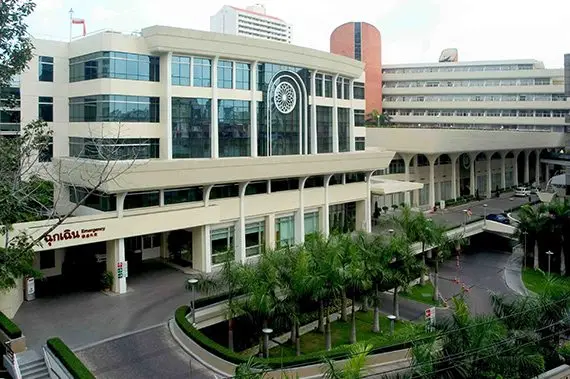
Wansiri Hospital is Southeast Asia's newest beauty and wellness hospital, created to deliver the…
Discover Medical Tourism in Thailand – Travel abroad for affordable healthcare with MyMediTour. Experience world-class clinics, highly trained specialists, and stunning natural surroundings as you plan your medical tourism journey to Thailand below.
Quick pricing for your treatment abroad.
Thailand has become one of the world's most recognized destinations for medical tourism, welcoming hundreds of thousands of international patients each year with its internationally accredited hospitals, experienced physicians, modern medical technology, and exceptional patient experience.
Unlike destinations known primarily for affordability, Thailand has built its reputation through clinical excellence, premium private hospitals, luxury hospitality, and personalized patient care. Many hospitals resemble five-star hotels, offering comfortable accommodations, multilingual coordinators, concierge services, and streamlined treatment planning for international visitors.
Thailand is especially recognized for executive health check-ups, orthopedics, plastic and cosmetic surgery, fertility treatments, cardiology, dentistry, bariatric surgery, ophthalmology, oncology, gastroenterology, rehabilitation medicine, and wellness-focused healthcare.
Major healthcare destinations including Bangkok, Phuket, Chiang Mai, Pattaya, and Hua Hin combine internationally recognized hospitals with luxury accommodations, world-class hospitality, and recovery environments that make Thailand one of Asia's premier medical tourism destinations.
Thailand's leading private hospitals rival many of the world's premier medical institutions in both infrastructure and technology. Over the past two decades, significant investments have transformed the country's healthcare landscape, resulting in highly specialized medical centers equipped to diagnose and treat both routine and highly complex conditions.
Many of these hospitals operate as integrated healthcare campuses where multiple specialties collaborate within the same institution. Patients may complete diagnostic imaging, laboratory testing, specialist consultations, surgery, rehabilitation, and follow-up care without needing to visit multiple facilities.
Beyond technology, Thailand's hospitals are designed to improve the overall patient experience. Spacious private rooms, dedicated international wings, multilingual coordinators, digital appointment systems, and streamlined admissions contribute to an efficient and comfortable healthcare journey.
Many facilities also maintain specialized institutes dedicated to cancer care, cardiovascular disease, neuroscience, orthopedics, women's health, fertility, digestive diseases, and rehabilitation, allowing physicians from multiple disciplines to collaborate on complex cases.
The result is a healthcare environment where advanced technology supports—not replaces—the expertise of experienced physicians, creating more accurate diagnoses, more personalized treatment plans, and better coordination throughout the patient's care.
Thailand’s medical reputation is supported by physicians, surgeons, nurses, anesthesiologists, radiologists, embryologists, therapists, and other healthcare professionals with substantial experience in their respective fields.
Many doctors working at the country’s leading private hospitals have completed advanced training, fellowships, research programs, or professional exchanges abroad. International training may include experience at medical institutions in the United States, the United Kingdom, Europe, Japan, Australia, and other parts of Asia.
Equally important is the high volume of patients treated in major Thai hospitals. Physicians who regularly manage international and domestic cases may develop extensive experience with a wide range of diagnoses, surgical techniques, and patient needs.
Thailand’s strongest hospitals emphasize collaborative care. Depending on the case, a patient’s treatment team may include:
✔️ A primary specialist responsible for the treatment plan
✔️ Surgeons or interventional physicians
✔️ Anesthesiologists
✔️ Diagnostic imaging specialists
✔️ Pathologists and laboratory professionals
✔️ Specialized nurses
✔️ Physical and occupational therapists
✔️ Nutritionists and rehabilitation professionals
✔️ International patient coordinators and interpreters
This multidisciplinary structure is particularly valuable for patients with cancer, cardiovascular disease, neurological disorders, complex orthopedic conditions, or multiple underlying health concerns.
International patients should still evaluate each physician individually. Relevant considerations include specialty certification, clinical experience, hospital privileges, procedure volume, communication style, and experience treating the patient’s specific condition.
Thailand's physicians receive extensive medical education followed by specialty and subspecialty training in their respective fields. Many have pursued fellowships, advanced training, or research at leading institutions in the United States, Europe, Japan, Australia, and other internationally recognized medical centers before returning to Thailand.
This international exposure allows many specialists to combine global medical knowledge with extensive clinical experience gained through treating large numbers of patients across a wide variety of conditions.
One of Thailand's greatest strengths is the depth of specialization available within its largest hospitals. Rather than practicing broadly within a specialty, many physicians dedicate their careers to highly specific areas of medicine.
For example:
Orthopedic surgeons may focus exclusively on joint replacement, sports injuries, spine surgery, shoulder reconstruction, or robotic orthopedic procedures.
Plastic surgeons often specialize in facial rejuvenation, rhinoplasty, breast surgery, body contouring, reconstructive surgery, gender affirmation procedures, or revision surgery.
Cardiologists may concentrate on structural heart disease, interventional cardiology, electrophysiology, heart failure, or preventive cardiovascular medicine.
This high degree of specialization allows patients to receive care from physicians whose clinical experience closely matches their individual diagnosis.
✔️ Plastic and reconstructive surgery
✔️ Cosmetic dermatology and laser medicine
✔️ Orthopedic surgery and sports medicine
✔️ Spine surgery
✔️ Cardiology and cardiovascular surgery
✔️ Oncology and comprehensive cancer care
✔️ Fertility treatment and reproductive medicine
✔️ Dentistry and full-mouth rehabilitation
✔️ Ophthalmology and vision correction
✔️ Bariatric and metabolic surgery
✔️ Gastroenterology and digestive diseases
✔️ Executive health screening
✔️ Physical medicine and rehabilitation
Patients with more complicated conditions often benefit from multidisciplinary treatment planning, where physicians from several specialties review diagnostic findings together before recommending the most appropriate course of treatment.
This collaborative approach helps ensure that patients receive comprehensive care rather than isolated opinions from individual departments.
Thailand is known for offering high-quality private healthcare at costs that are often considerably lower than comparable treatment in the United States, Canada, Australia, and parts of Western Europe.
The exact cost depends on the patient’s diagnosis, selected hospital, physician, procedure complexity, required technology, length of hospitalization, medications, and postoperative care. A straightforward outpatient procedure will naturally cost less than a complex surgery requiring multiple specialists, intensive care, or extended rehabilitation.
Thailand should not be viewed simply as a “cheap” healthcare destination. Its strongest value lies in the ability to access experienced specialists, modern private hospitals, advanced medical technology, and highly organized international patient services at a more manageable overall cost.
Treatment estimates may include:
However, quotations do not always include every possible expense. Additional imaging, laboratory testing, pathology, blood products, specialist consultations, medical complications, extended hospital stays, prescription medications, or rehabilitation may be charged separately.
Before accepting a treatment plan, patients should understand:
MyMediTour helps patients compare treatment options and understand the proposed costs before making travel arrangements.
| Procedure | Average Cost in U.S. | Average Cost in Thailand | Estimated Savings |
|---|---|---|---|
| Executive Health Check-Up | $5,000–$15,000 | $1,200–$3,500 | 60–75% |
| Knee Replacement | $40,000–$60,000 | $12,000–$18,000 | 55–70% |
| IVF Cycle | $18,000–$28,000 | $5,000–$8,500 | 55–70% |
| Rhinoplasty | $10,000–$18,000 | $3,000–$6,000 | 55–70% |
| Dental Implant | $3,000–$5,000 | $1,000–$2,000 | 50–65% |
| Gastric Sleeve Surgery | $18,000–$25,000 | $6,000–$9,000 | 55–70% |
| LASIK Surgery | $4,000–$6,000 | $1,500–$2,500 | 50–65% |
Thailand's physicians are internationally respected for their clinical expertise, extensive procedural experience, and commitment to continuous medical education. Many specialists complete fellowships, postgraduate training, and research programs at leading institutions throughout the United States, Europe, Japan, Australia, and Singapore, while remaining active in international medical societies and scientific research.
Thailand has earned a particularly strong reputation for delivering high-quality healthcare through multidisciplinary collaboration, allowing specialists across multiple fields to work together in developing personalized treatment plans for complex cases.
Leading hospitals throughout Thailand emphasize:
Thailand has become one of Asia's strongest destinations for orthopedic care, offering treatment for everything from sports injuries to complex joint reconstruction and spine disorders.
Leading orthopedic centers emphasize minimally invasive surgery, robotic-assisted joint replacement, biologic therapies, rehabilitation, and comprehensive recovery planning.
Treatment options may include:
✔️ Total knee replacement
✔️ Total hip replacement
✔️ Robotic-assisted joint replacement
✔️ Shoulder surgery
✔️ Sports injury reconstruction
✔️ ACL and ligament reconstruction
✔️ Arthroscopic surgery
✔️ Spine surgery
✔️ Herniated disc treatment
✔️ Cartilage restoration
✔️ Physical therapy
✔️ Rehabilitation medicine
Patients benefit from multidisciplinary care involving orthopedic surgeons, physiatrists, pain specialists, physical therapists, and rehabilitation teams working together to maximize recovery.
Thailand's leading cardiovascular institutes provide diagnosis and treatment for a wide spectrum of heart and vascular diseases.
Services commonly available include:
Many hospitals maintain dedicated heart institutes where cardiologists, cardiac surgeons, anesthesiologists, imaging specialists, vascular surgeons, and rehabilitation physicians collaborate to determine the most appropriate treatment strategy for each patient.
Thailand's largest cancer centers provide multidisciplinary care for both common and complex cancers.
Rather than treating cancer through a single department, physicians frequently collaborate through tumor boards, allowing multiple specialists to review imaging, pathology, laboratory findings, and treatment options before therapy begins.
Modern cancer programs may include:
✔️ PET-CT imaging
✔️ Molecular pathology
✔️ Genetic testing
✔️ Robotic cancer surgery
✔️ Minimally invasive surgery
✔️ Chemotherapy
✔️ Targeted therapy
✔️ Immunotherapy
✔️ Precision radiation therapy
✔️ Image-guided radiation therapy (IGRT)
✔️ Palliative care
✔️ Survivorship programs
This integrated approach helps create individualized treatment plans based on the patient's diagnosis, stage of disease, overall health, and treatment goals.
Thailand has developed an excellent reputation in reproductive medicine, offering comprehensive fertility evaluations supported by experienced reproductive endocrinologists, embryologists, and sophisticated IVF laboratories.
Depending on medical eligibility and local regulations, fertility centers may offer:
Every fertility journey is unique. Patients should discuss success rates, age considerations, required visits, legal regulations, donor programs, and embryo policies directly with the treating clinic before making travel arrangements.
Thailand's specialized eye hospitals provide diagnosis and treatment for a wide range of vision disorders using modern imaging systems and microsurgical technology.
Patients commonly seek treatment for:
Vision correction procedures such as LASIK, PRK, SMILE, and Implantable Collamer Lens (ICL) surgery are also widely available for appropriately selected candidates.
Every patient should undergo a comprehensive eye examination before determining which procedure best fits their vision goals and ocular health.
Thailand has become one of the world's most popular destinations for dental tourism.
Patients appreciate not only the affordability of treatment but also the modern facilities, digital technology, experienced specialists, and ability to complete complex dental work within carefully planned treatment schedules.
Dental services commonly include:
✔️ Dental implants
✔️ Full-mouth rehabilitation
✔️ All-on-4 and All-on-6 implant solutions
✔️ Zirconia crowns
✔️ Porcelain veneers
✔️ Smile makeovers
✔️ Root canal treatment
✔️ Bone grafting
✔️ Sinus lifts
✔️ Oral surgery
✔️ Orthodontics and clear aligners
Digital scanners, CAD/CAM technology, 3D imaging, and computer-guided implant planning have significantly improved treatment precision while reducing treatment times and supporting more predictable outcomes.
Thailand offers multidisciplinary bariatric programs designed for patients living with obesity and obesity-related health conditions.
Rather than focusing solely on surgery, many programs integrate nutritional counseling, psychological assessment, endocrinology, physical therapy, and long-term follow-up into every patient's treatment plan.
Available options may include:
✔️ Gastric sleeve surgery
✔️ Gastric bypass surgery
✔️ Revision bariatric surgery
✔️ Metabolic surgery
✔️ Nutritional counseling
✔️ Long-term weight management
Patients should understand that bariatric surgery is one component of a lifelong commitment to healthier nutrition, exercise, and regular medical follow-up.
Thailand has become internationally recognized for its executive health examinations, allowing patients to complete extensive preventive testing efficiently within one or two days.
Unlike routine annual physicals, these comprehensive evaluations combine advanced diagnostics with consultations from multiple specialists.
A typical executive health package may include:
The greatest advantage is efficiency. Rather than scheduling numerous appointments over several weeks, patients often receive diagnostic testing, specialist consultations, and personalized recommendations during a single coordinated visit.
Thailand has become equally well known for helping patients recover after treatment.
Many hospitals incorporate rehabilitation specialists, physical therapists, nutritionists, psychologists, and wellness professionals into the recovery process, recognizing that successful outcomes depend on much more than surgery alone.
Recovery services often include:
✔️ Physical therapy
✔️ Occupational therapy
✔️ Sports rehabilitation
✔️ Pain management
✔️ Nutritional counseling
✔️ Lifestyle medicine
✔️ Preventive healthcare
✔️ Chronic disease management
✔️ Wellness assessments
✔️ Medical fitness programs
For patients recovering from orthopedic surgery, cardiac procedures, neurological treatment, or bariatric surgery, structured rehabilitation plays a critical role in restoring function, improving mobility, and supporting long-term health.
Thailand's ability to combine advanced medical expertise, modern hospitals, internationally trained physicians, comprehensive specialty care, and exceptional hospitality has positioned it as one of the world's most complete medical tourism destinations. Whether patients require a single outpatient procedure or coordinated care across multiple specialties, Thailand offers an impressive combination of clinical excellence and patient-centered service that continues to attract international visitors from around the globe.
Thailand is one of Southeast Asia’s most accessible countries, with extensive international flight connections and a mature tourism infrastructure.
Bangkok is the country’s principal medical and transportation hub. Its two major airports—Suvarnabhumi and Don Mueang—connect Thailand with cities throughout Asia, Europe, the Middle East, Australia, and North America through direct or connecting flights. Thailand also has international airports serving destinations such as Phuket, Chiang Mai, Krabi, Chiang Rai, and Hat Yai.
Many of the country’s leading hospitals are located in Bangkok, where patients have access to specialist medical centers, major hotel brands, serviced apartments, pharmacies, shopping centers, restaurants, and private transportation.
Other important destinations include:
Phuket
A popular choice for plastic surgery, dentistry, fertility treatment, ophthalmology, wellness services, and recovery near the coast.
Chiang Mai
Known for a quieter atmosphere, cooler seasonal weather, established private hospitals, rehabilitation options, and a more relaxed recovery environment.
Pattaya and Chon Buri
Conveniently located within reach of Bangkok and home to private hospitals, hotels, resorts, and long-stay accommodation.
Koh Samui and other resort areas
More appropriate for selected outpatient care, wellness programs, or recovery after the treating physician has confirmed that travel away from the hospital is medically appropriate.
Thailand offers a broad range of accommodation, from economical hotels to luxury resorts, private residences, and serviced apartments designed for longer stays.
The best accommodation is not always the most luxurious. Medical travelers should prioritize:
Patients recovering from surgery should generally avoid hotels that require extensive walking, stair use, or long travel through heavy traffic.
Bangkok traffic can significantly affect transportation time. A hotel that appears close on a map may still require a lengthy drive during peak periods. For this reason, staying near the treating hospital is often more practical than choosing accommodation based only on tourist attractions.
Medical travel requires more planning than an ordinary vacation. Patients should not book flights until the hospital or physician has reviewed their medical information and confirmed the proposed treatment schedule.
Before departure, patients may need to provide:
✔️ Medical records and physician reports
✔️ Recent laboratory results
✔️ Diagnostic images and radiology reports
✔️ A complete medication list
✔️ Information about allergies
✔️ Prior surgical records
✔️ Passport information
✔️ Photographs for procedures that require preliminary visual assessment
Records should preferably be organized in English. When translation is necessary, it should be accurate and complete enough for the medical team to understand the patient’s diagnosis, treatment history, and current condition.
Patients should also travel with an adequate supply of their regular medications in the original labeled packaging. Certain prescription medicines may be regulated, so travelers should verify whether supporting documentation is required before entering Thailand.
The return date should allow enough time for:
Long-distance air travel soon after surgery may increase discomfort and, depending on the procedure and the patient’s health, may increase the risk of complications such as blood clots.
The surgeon should determine when the patient is medically ready to travel. A flexible or changeable airline ticket can provide valuable protection if recovery takes longer than expected.
Visa requirements depend on the traveler’s nationality, passport type, purpose of travel, and intended duration of stay.
Thailand revised its visa-exemption and Visa on Arrival framework in 2026. Because entry rules are subject to implementation dates and further policy changes, patients should verify the requirements that apply to their specific passport shortly before booking travel.
Travelers who are not eligible for visa-free entry may be able to apply through Thailand’s official electronic visa system. The Thai e-Visa platform includes visa categories for tourism and medical treatment, and approved applicants receive confirmation electronically.
Depending on the visa category, travelers may need:
A visa does not guarantee admission. Final entry authorization remains subject to immigration review upon arrival.
Patients should verify visa requirements directly through the Royal Thai Embassy, Ro
Thailand’s hospitality culture can make the recovery period feel more comfortable and less clinical. Private hospitals, recovery accommodations, hotels, transportation companies, and home-care services are accustomed to assisting international visitors.
However, recovery should always be planned around medical needs rather than tourism.
During the initial postoperative period, patients may need to remain close to the hospital for monitoring, wound care, medication management, and follow-up appointments. Travel to beaches, islands, distant cities, or crowded attractions should wait until the medical team confirms that it is safe.
Bangkok is generally the most practical option for complex procedures because patients remain close to major hospitals, specialists, diagnostic centers, and emergency services.
Phuket may provide a more resort-oriented setting for appropriate procedures, particularly when treatment and follow-up are completed locally.
Chiang Mai offers a quieter environment and may appeal to patients who prefer less congestion and a slower pace.
A safe recovery plan should account for:
Once medically cleared, patients may enjoy gentle activities such as quiet dining, short walks, spa services approved by the physician, cultural attractions, or time in peaceful hotel surroundings.
Swimming, strenuous excursions, extensive sun exposure, massage near surgical areas, alcohol consumption, and long day trips may interfere with healing and should not be resumed without medical approval.
Thailand offers beautiful recovery settings, but the treatment outcome must remain the priority.
Planning medical treatment abroad involves far more than selecting a hospital. Patients must compare providers, organize medical records, understand quotations, coordinate appointments, arrange travel, prepare for recovery, and know who to contact when questions arise.
MyMediTour helps simplify this process by connecting patients with carefully evaluated hospitals, clinics, and physicians in Thailand.
Our role is to help patients navigate the logistical and administrative aspects of medical travel while the selected physicians and healthcare facilities remain responsible for medical evaluation, recommendations, treatment, and outcomes.
1. Understanding the Patient’s Needs
We begin by gathering information about the desired treatment, diagnosis, medical history, preferred travel dates, budget considerations, and destination preferences.
2. Organizing Medical Information
We help patients identify which records, photographs, diagnostic images, or test results are needed for preliminary review.
3. Connecting Patients with Appropriate Providers
Rather than sending every case to the same hospital, we seek options based on the treatment required, physician specialization, facility capabilities, location, and patient priorities.
4. Obtaining Treatment Plans and Quotations
When available, we help request preliminary treatment recommendations and estimated costs from the selected providers.
5. Explaining the Proposed Arrangements
Medical quotations can be difficult to interpret. We help patients understand what appears to be included, what may be charged separately, and what questions should be addressed before travel.
6. Coordinating Appointments
Once the patient chooses a provider, we assist with appointment scheduling and communication with the international patient department.
7. Supporting Travel Preparation
We help patients understand the expected treatment timeline, recommended length of stay, follow-up schedule, and practical considerations for accommodation and local transportation.
8. Remaining Available During the Journey
Our coordination does not end when the patient arrives. We remain available to help address communication and logistical concerns throughout the treatment journey.
9. Assisting with Follow-Up Communication
After the patient returns home, we can help facilitate communication with the overseas provider regarding available reports, instructions, and nonemergency follow-up questions.
✔️ Carefully evaluated international providers
✔️ Personalized treatment coordination
✔️ Clear communication throughout the process
✔️ Assistance comparing available options
✔️ Support with quotations and scheduling
✔️ International patient coordination
✔️ Travel and recovery planning guidance
✔️ Continued communication after treatment
MyMediTour is not a hospital, clinic, or healthcare provider and does not diagnose conditions, recommend medical procedures, or guarantee outcomes. Medical decisions remain between the patient and the licensed professionals responsible for their care.

Thailand offers a comprehensive range of treatments across multiple specialties, delivered in internationally accredited hospitals equipped with modern diagnostic, surgical, and recovery facilities.
Through MyMediTour, patients receive guided access to vetted providers, transparent treatment options, and end-to-end coordination — ensuring a smooth and secure medical journey.
Wansiri Hospital is Southeast Asia's newest beauty and wellness hospital, created to deliver the…
Samitivej Hospital is one of Thailand’s leading private hospital networks, serving local patients, expatriates,…
EDNA Wellness is a surgeon-led regenerative medicine and stem cell clinic in Bangkok, Thailand,…